Training vest womens: how to pick a vest that actually works
Choosing a training vest for women isn’t just about color or looks — it’s about fit, load distribution, and how the vest integrates with your workouts and daily life. This guide gives straightforward, field-tested advice on what to prioritize when buying a vest for walking, rucking, or strength-based wearable training.
Why fit matters more than advertised weight
A vest that slips, rubs, or bounces will ruin a training session faster than it will help you progress. For women, a vest designed with narrower torso shaping, adjustable straps, and low-profile plates creates a better center of gravity and less shoulder strain. Look for a vest that lets you tighten across the chest and around the waist independently.
Key features to evaluate
- Adjustability: Multiple straps and plate pockets let you tune fit for different clothing layers.
- Weight distribution: Low, centered plates feel more natural for walking and rucking.
- Padding and materials: Breathable mesh and flat seams reduce chafing.
- Range of motion: You should be able to lift your arms, swing your march, and carry a ruck without restriction.
Practical recommendations for women starting with a training vest
Start light. If you’re new to weighted work, add 5–10% of your bodyweight across a vest or begin with a small 4–10 lb vest for walking intervals. Progress by adding weight in 2–5 lb increments and increase distance or time before upping load.
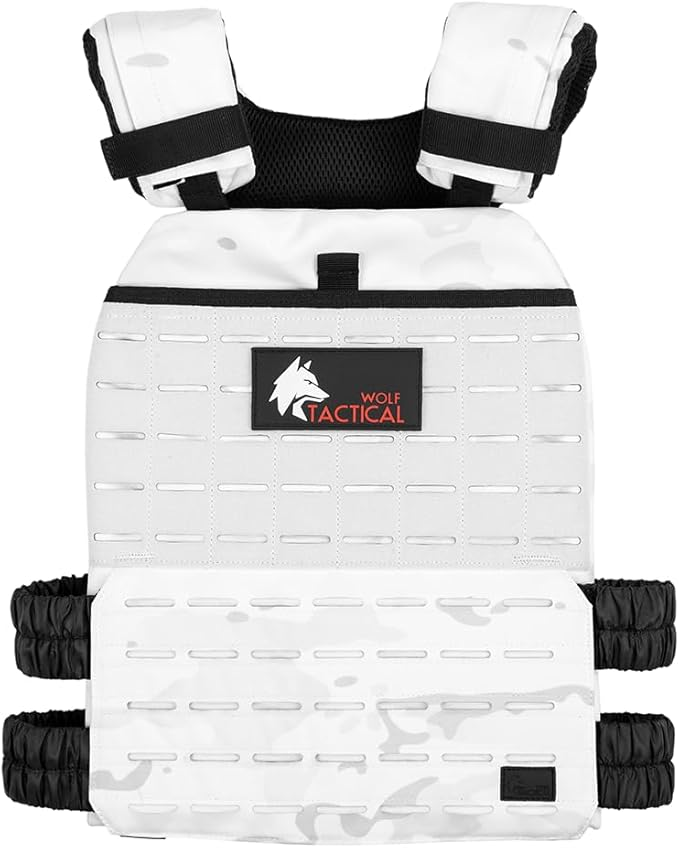
For a comfortable everyday option that adapts to walking and longer rucks, consider the WOLF TACTICAL Simple Weighted Vest (Men/Women) which balances adjustability and low-profile fit.

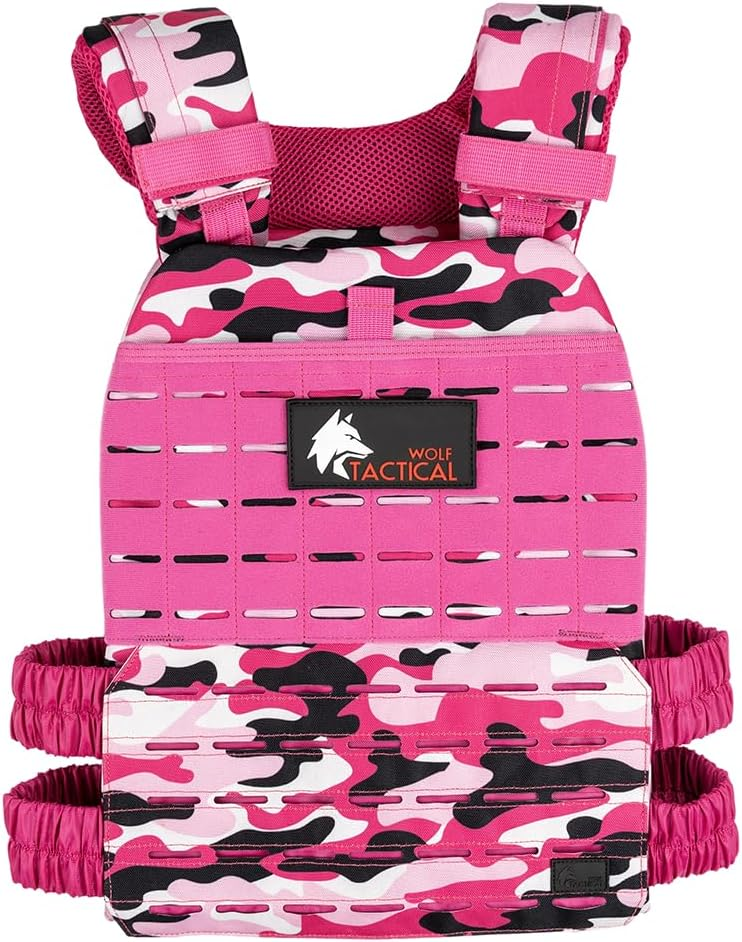
If you prefer a softer, beginner-friendly option in smaller increments, the BAGAIL Adjustable Weighted Vest (4–10 lb, pink) is a simple choice for short walks and conditioning sessions.

Programming tips
- Week 1–2: 10–20 minute walks with minimal weight to adapt joints and posture.
- Week 3–6: Build to 30–60 minutes, add small weight increases or hill work.
- Ongoing: Cycle heavier weeks and easier recovery weeks; prioritize form and pain-free movement.
I train and write from field experience: I’m Preston Shamblen, an ISSA-certified trainer — I lost 90 lbs using progressive rucking, weighted-vest work, and disciplined nutrition. For women starting a training vest program, the same fundamentals apply: start conservative, prioritize fit, and build consistency.
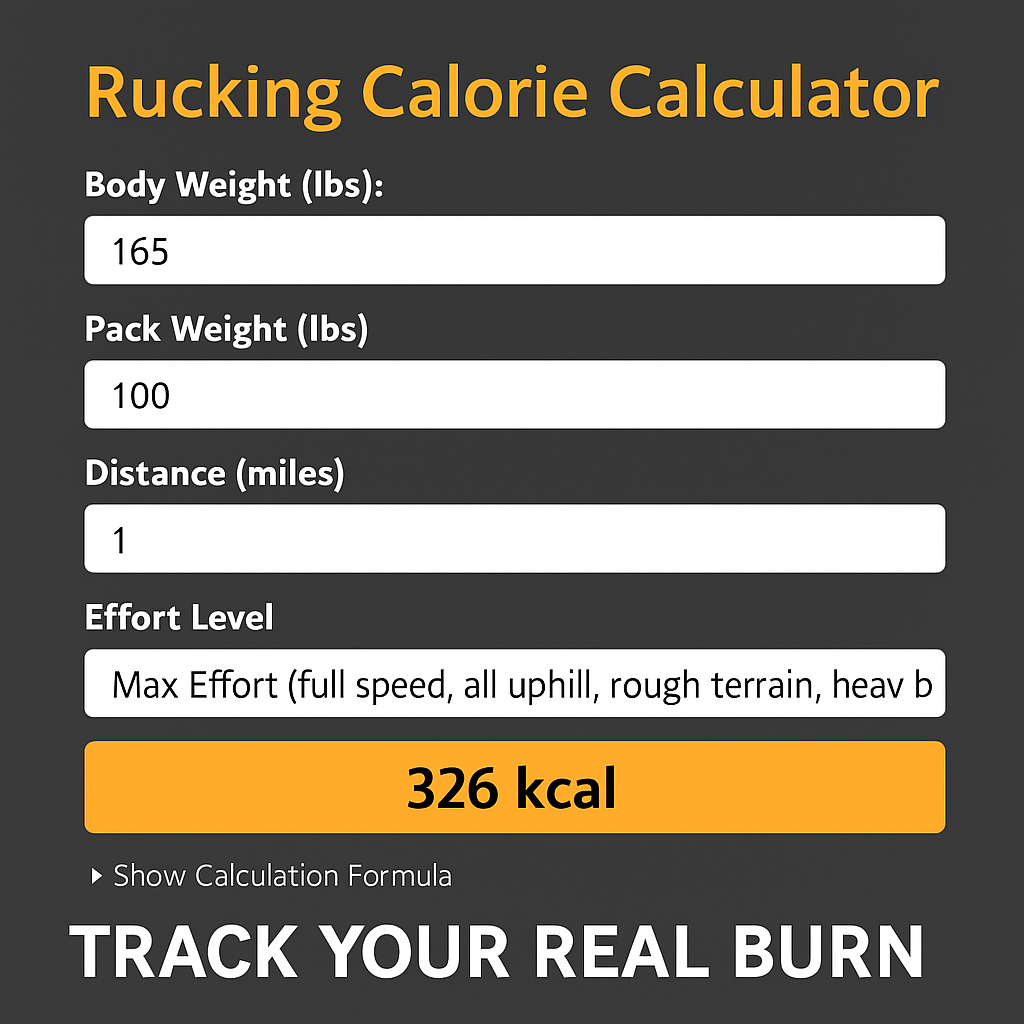
Estimate calorie burn for your walks
Knowing how many calories you burn helps you plan recovery and nutrition. Use this simple rucking calorie calculator to estimate how much energy you expend wearing a training vest during a walk or ruck.

Final checklist before you buy
- Try it on with the clothing you’ll train in; mimic your typical walk to test for bounce.
- Confirm plate sizes and whether the vest supports incremental loading you’ll need.
- Plan a 4–6 week progression that increases time or load slowly.
With the right fit and a conservative progression, a training vest can be an incredibly reliable tool for steady fat loss and long-term conditioning. Focus on fit first, then add weight — the results follow when you do the work consistently.