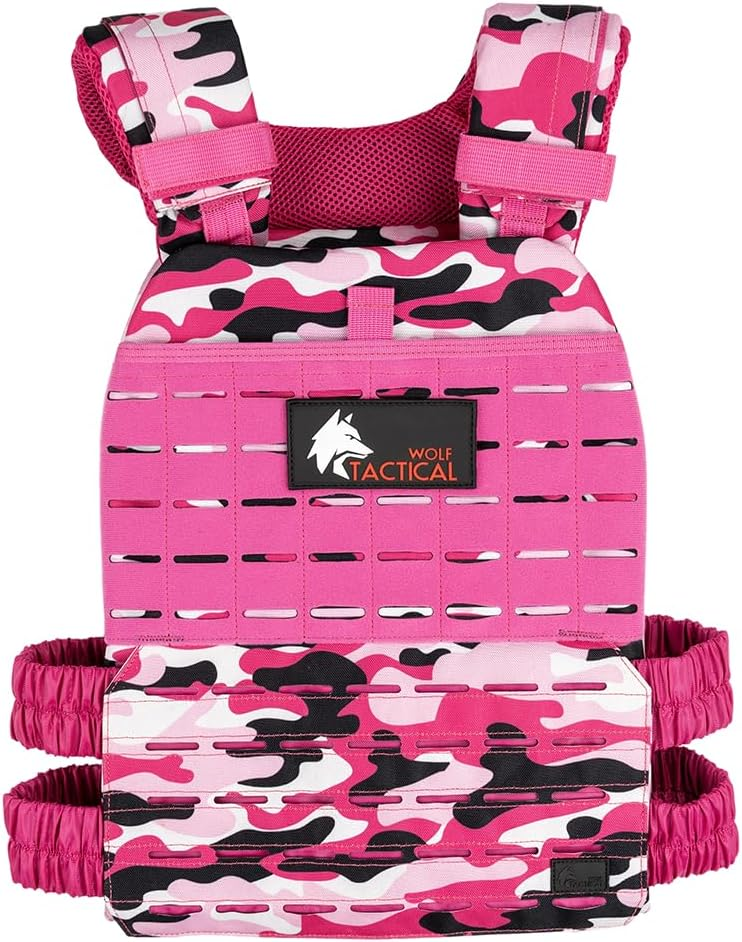
Why 20lb weight vest plates are useful
Adding a 20lb weight plate to a vest is a simple way to push walking, rucking, and bodyweight conditioning without changing technique. A single 20lb plate shifts load close to your center of mass, preserves natural movement, and makes progressive overload easy: stack plates as you get stronger or swap for smaller increments for finer progress.
Key benefits
- Predictable incremental load for rucks and walks.
- Minimal interference with breathing and running mechanics when placed correctly.
- Durable and transferable between vests and plate carriers.
How to install and carry a 20lb plate
Center the plate on your upper back or chest pocket depending on the vest design so it sits over your thoracic spine. Tighten the vest straps to eliminate shimmy. If you feel strain through the neck or lower back, drop the plate slightly or redistribute mass with a cushioned carrier. Always test new setups with short walks before extending distance.
Checklist before your first loaded walk
- Confirm the plate is secured and won’t shift when you bend.
- Wear a base layer that reduces friction so the vest won’t rub blister hotspots.
- Start with 10–20 minutes at conversational pace to check posture and breathing.
- Hydrate and fuel appropriately—loaded walks raise energy demands.
Programming with 20lb weight vest plates
Use a plate as a daily or weekly progression tool. Two common progressions: increase time on your loaded walks by 10–20% each week, or add another 10–20lb increment once you can sustain the current load for your target distance without form breakdown. For interval days, keep duration shorter and intensity higher. For endurance days, keep pace steady and monitor joint feedback.
Sample two-week plan
- Week 1: 3 x 30-minute walks at conversational pace with one 20lb plate.
- Week 2: 2 x 40-minute walks, 1 x 20-minute interval session (walk/jog) with same plate.
Estimating calorie burn with added weight
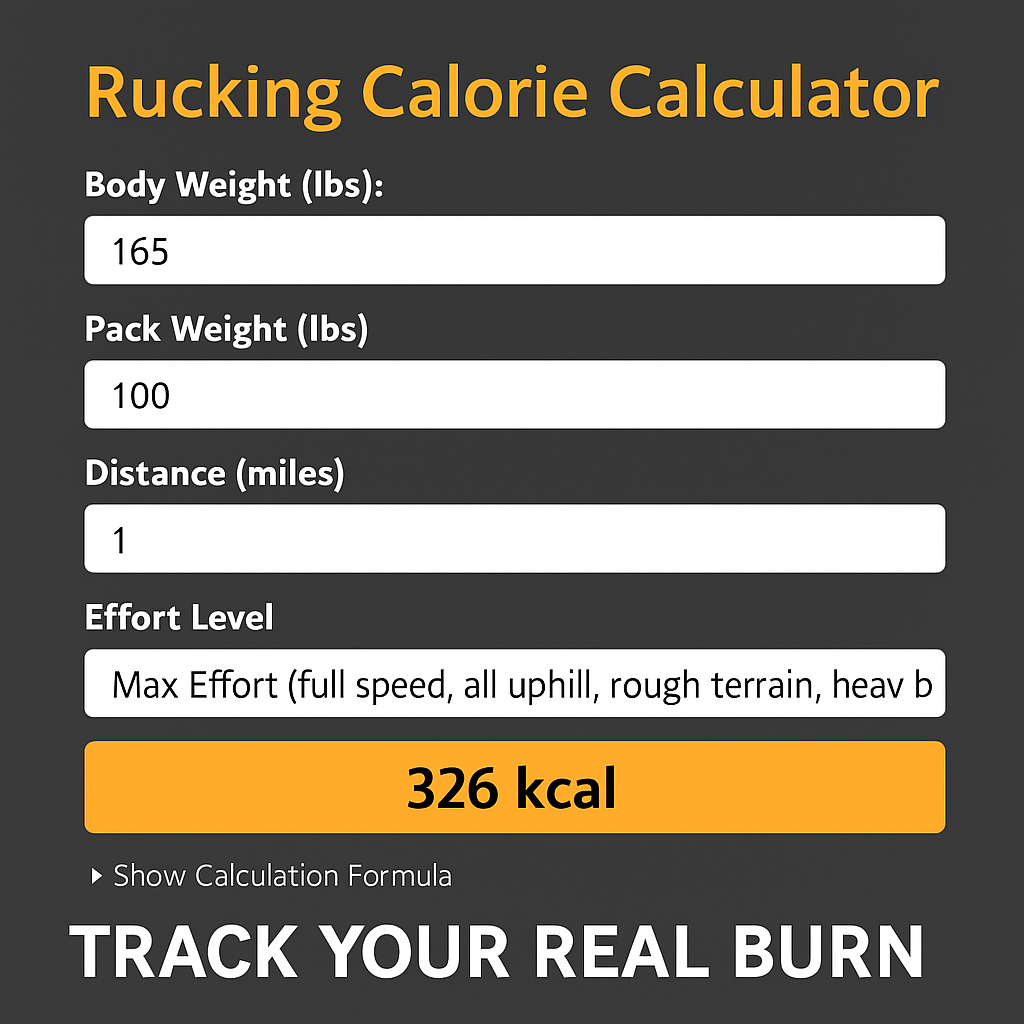
Adding a 20lb plate changes the energy cost of a walk. Use the rucking calorie calculator below to estimate session burn and adjust fuel intake. The calculator is optimized for weighted-vest and backpack rucking inputs.

Gear to pair with 20lb plates
A plate is only as useful as the vest or carrier that holds it. Two reliable options for plate users are below—both work well for swapping and stacking plates.
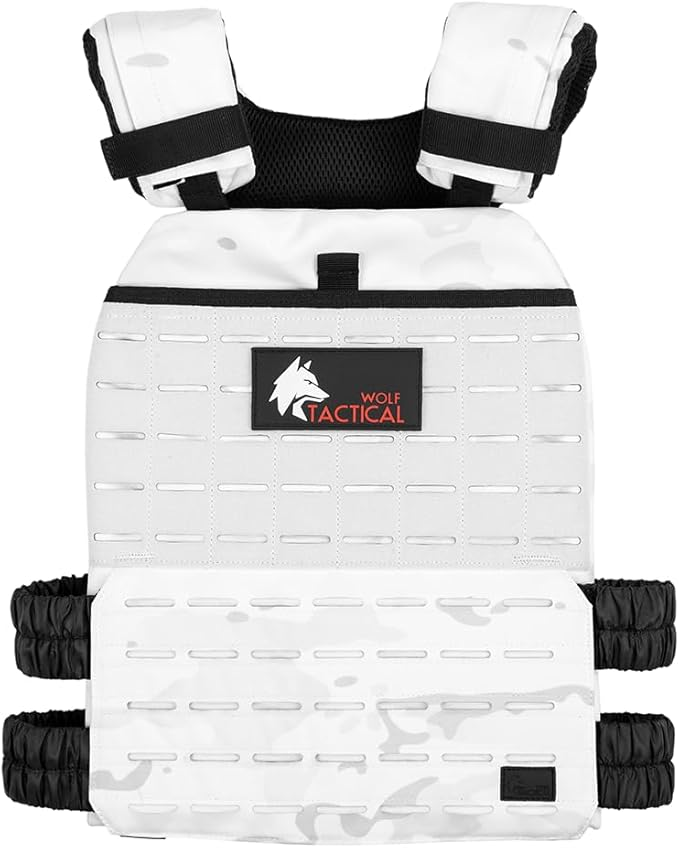
WOLF TACTICAL Weight Vest Plates (pairs) are designed to fit many soft vests and carriers and are compact enough to center on the chest or back without creating a pressure point.

You can also consider the Yes4All Ruck Weight Plate if you want budget-friendly plates intended for ruck-specific use and stacking.

Coaching notes from experience
As an ISSA-certified trainer who used weighted vests and rucking to drop 90 lbs, I recommend starting conservative: the body adapts to load before it adapts to distance. Monitor joint feedback, progress in small steps, and prioritize posture. Plates are a practical, modular tool—you don’t need a full heavy vest to start building lasting strength and calorie burn.
Final practical tips
- Rotate plate position between sessions to avoid chronic pressure points.
- Use smaller increments as you approach heavier totals to avoid stalling progress.
- Inspect plates and carrier hardware periodically for wear.