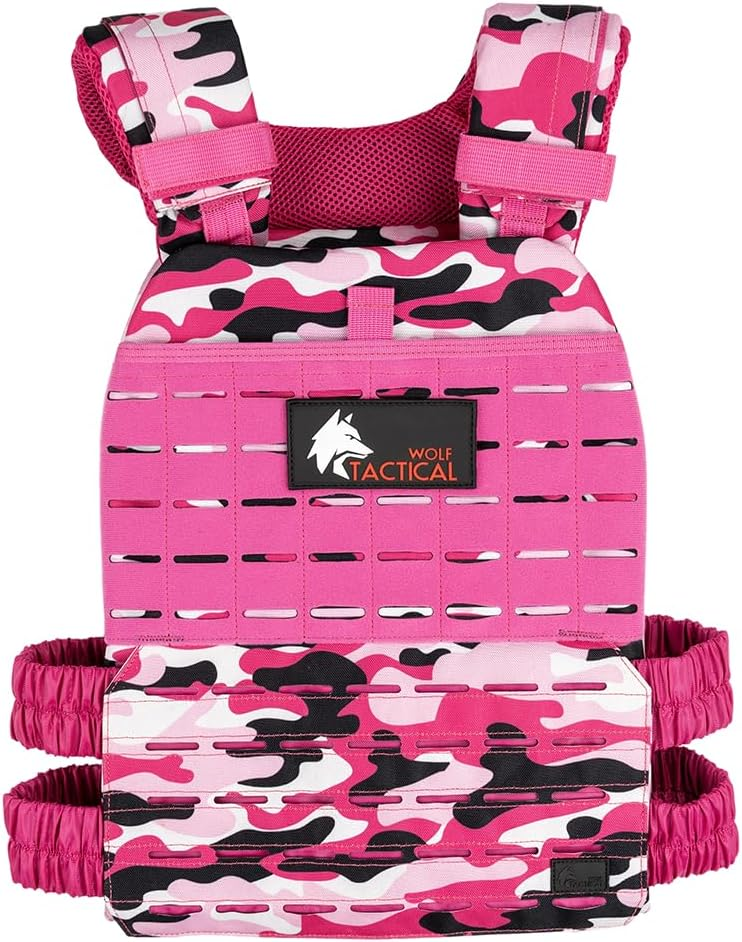
Why choose steel plates for a weighted vest?
Steel plates are a common choice for people who want compact, durable weight in a vest or plate carrier. They offer high density (more weight in less space), consistent balance, and longevity when cared for properly. For ruck-style training where you need to stack pounds without adding bulk, steel plates can be the most efficient option.
Key benefits and tradeoffs
- Size-to-weight ratio: Steel gives you more pounds in a smaller footprint than soft sand or thin polymer plates.
- Durability: Steel tolerates slap-and-grab use, plate drops, and outdoor exposure better than many plastics—if you manage rust risks.
- Comfort and fit: Steel is rigid. Pick plates that match the vest pocket shape and keep padding between plate and body to avoid pressure points.
- Noise & movement: Metal plates can clank. Use sleeves, wraps, or quieter carriers when training around others.
How to choose sizes and plate profiles
Start with the vest you plan to use. Most commercial weighted vests and plate carriers accept plates by dimension (e.g., 8″ x 6″ or 10″ x 8″). Pick plates that nest cleanly in the pocket and don’t create edge pressure against your spine. If you want progressive loading, buy plates in smaller increments (5–10 lb) and pair them to reach your target weight.
Recommendations for common goals
- Walking and rucking: favor moderate-size plates (10–20 lb each) that spread weight across the torso for comfort over distance.
- High-intensity training: smaller plates you can stack and remove quickly help you scale sets and intervals.
- Strength-focused loading: compact, heavy plates (30–45 lb) are useful in a durable carrier for weighted calisthenics and short, intense carries.
Rust prevention and care
Steel needs attention. Wipe plates dry after sweaty sessions, and keep them from sitting wet inside a neoprene sleeve. Many steel plates come powder-coated—inspect coatings for chips. If you see surface rust, use a wire brush and apply a rust inhibitor or a light oil. Proper care preserves performance and prevents stains on vests.
Compatibility tips and safety
Use these rules of thumb:
- Match plate shape to the pocket—square edges can cause discomfort if they don’t sit flat.
- Keep a layer between the plate and your back (thin foam or the vest’s internal padding).
- Check stitching and seams when using heavier plates; sew reinforcements if the pocket material feels thin.
- Progress gradually—add 5–10% bodyweight per month for ruck endurance to avoid overuse injuries.
Products to consider
Two reliable options I use or recommend depending on how you train:
Yes4All Ruck Weight Plate (10–45 lb) are solid steel plates available in multiple increments that work well for building a modular vest or ruck load.

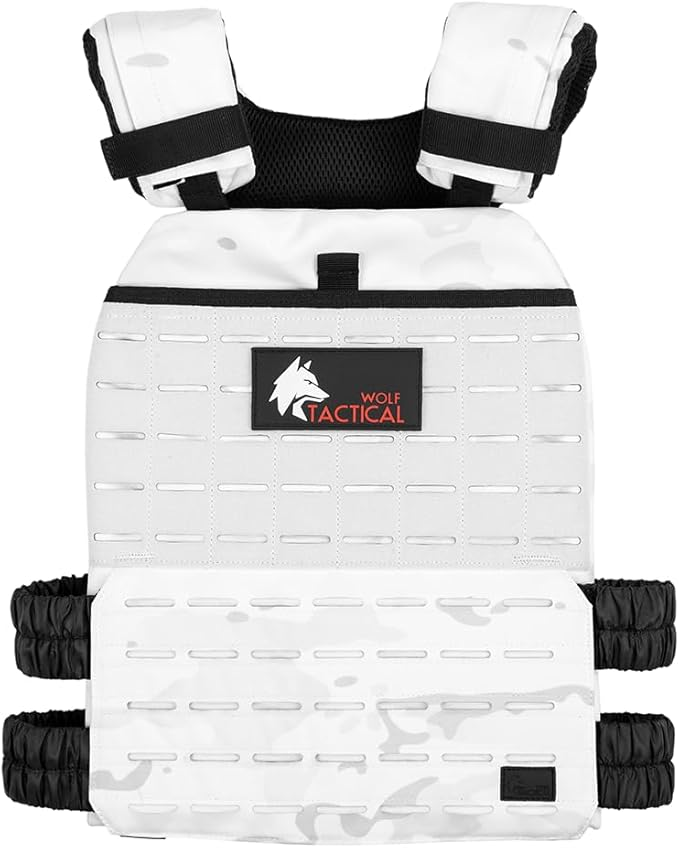
For users who want paired, vest-specific plates, consider the WOLF TACTICAL Weight Vest Plates (pairs) — they’re sized to fit popular vest pockets and work well for daily loaded walks.

Estimate burn and plan load progression
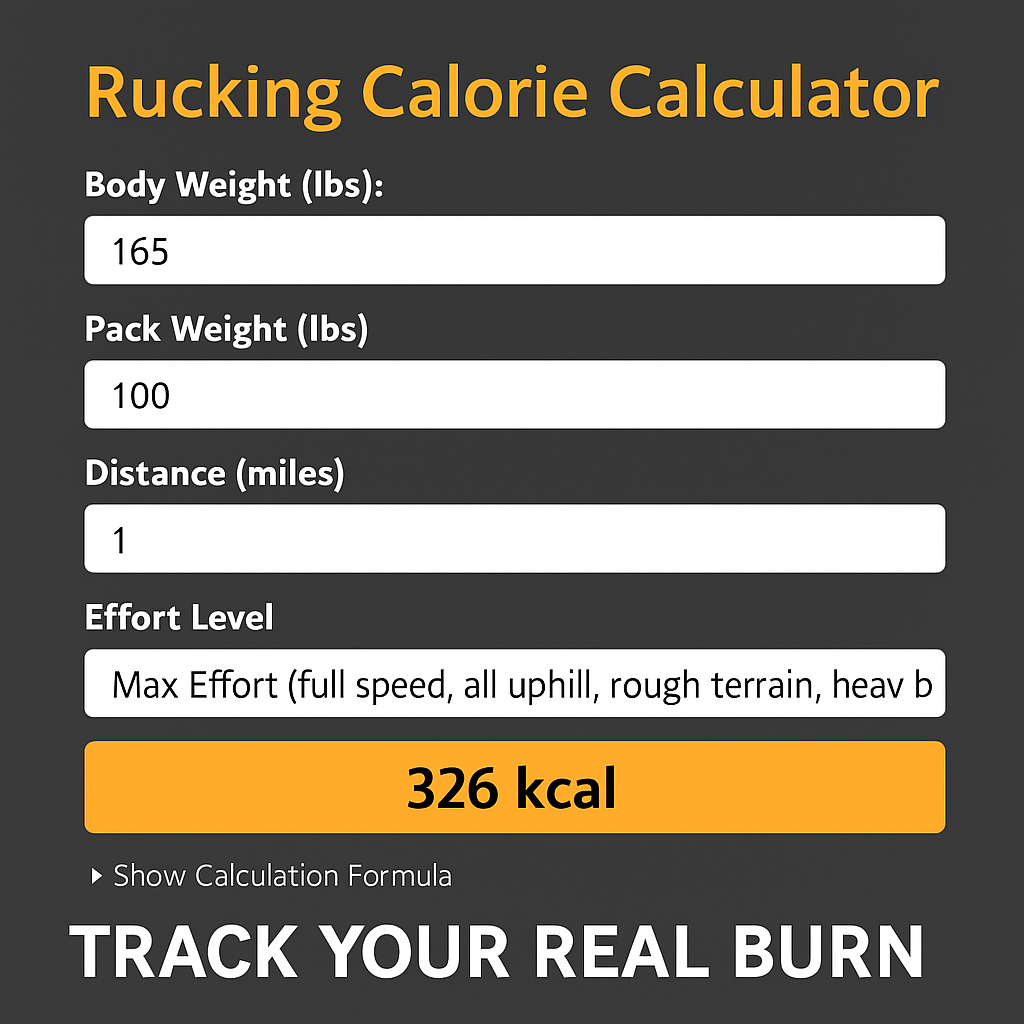
Use the rucking calorie calculator to estimate energy cost for walks and rucks with added steel weight. It helps you plan weekly volume and nutrition around heavier sessions.

Final notes
Steel plates are a practical choice when you want compact, dependable weight. Match plate size to your vest, protect against rust, and progress load responsibly. As someone who guides outdoor weight training, I recommend starting conservative and prioritizing comfort—long-term consistency beats one heavy workout. And if you’re new to plated loading, test a short walk with the planned plates before committing to long rucks.