What is weighted apparel and why use it?
Weighted apparel covers any clothing or wearable gear designed to add load to your body—vests, shirts with built-in weight, ankle or wrist weights, and load-bearing carriers. I use weighted apparel as a practical way to increase intensity without adding gym complexity: it makes walking, rucking, and bodyweight work noticeably harder while keeping your hands free.
Common uses
- Rucking or weighted walking for steady-state calorie burn.
- Adding load to calisthenics and mobility work.
- Progressive overload in outdoor strength circuits.
Benefits of weighted apparel
Unlike barbells or machines, wearable weight integrates with real movement patterns. Benefits include:
- Higher calorie expenditure during low-impact movement.
- Improved posture and core engagement when load sits close to the body.
- Convenience—easy to layer for outdoor sessions and travel.
How to choose the right piece
Choice depends on goals. If you want comfort for long walks or rucks, choose a slim, evenly distributed vest. For heavy strength-style loading, choose a plate-compatible vest or weighted carrier. For beginners, start light and prioritize fit over total weight.
Practical selection checklist
- Fit: the vest should sit low on the torso and not bounce. Aim for snug, not constricting.
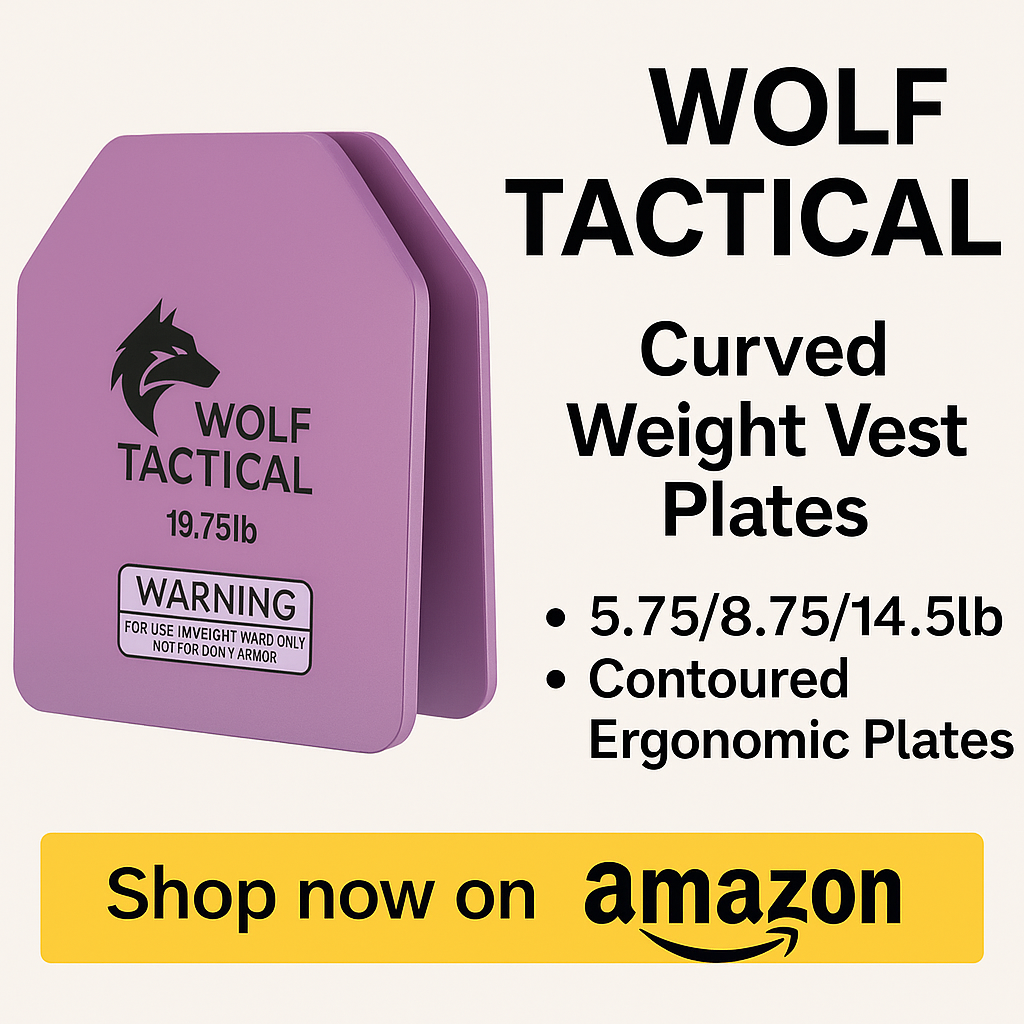
- Adjustability: look for plates or removable weights so you can progress safely.
- Durability: exposed stitching and reinforced seams matter if you plan outdoor rucking.
- Breathability: mesh panels or spacing reduce chafing on long walks.
Safety and programming basics
Start with conservative loads: beginner ruckers or walkers should begin with 5–10% of bodyweight. Progress slowly—add small weight increments or extra distance before increasing intensity. Pay attention to posture and avoid large loads that cause compensatory movement patterns.
Session ideas
- Short walks (20–40 minutes) with light weight to build tolerance.
- Interval rucks: 4–6 minutes brisk, 2 minutes recovery for conditioning.
- Strength circuits with a weighted vest for push-ups, squats, and lunges—use 2–4 sets with controlled reps.
Product picks that match common needs
For comfort and everyday use I typically recommend something simple, adjustable, and low-profile. Below are two reliable options depending on whether you prioritize daily wear or heavier rucking:
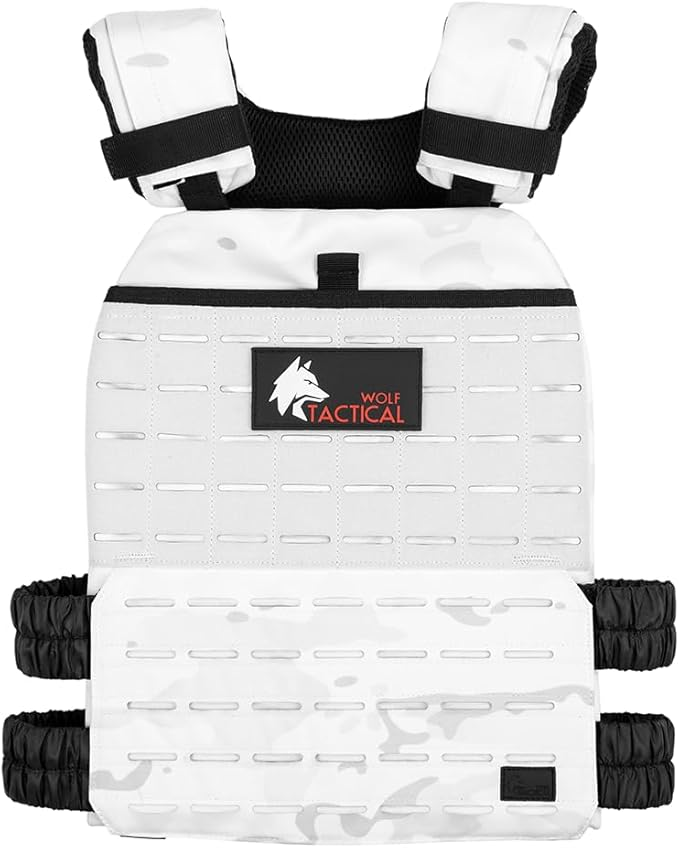
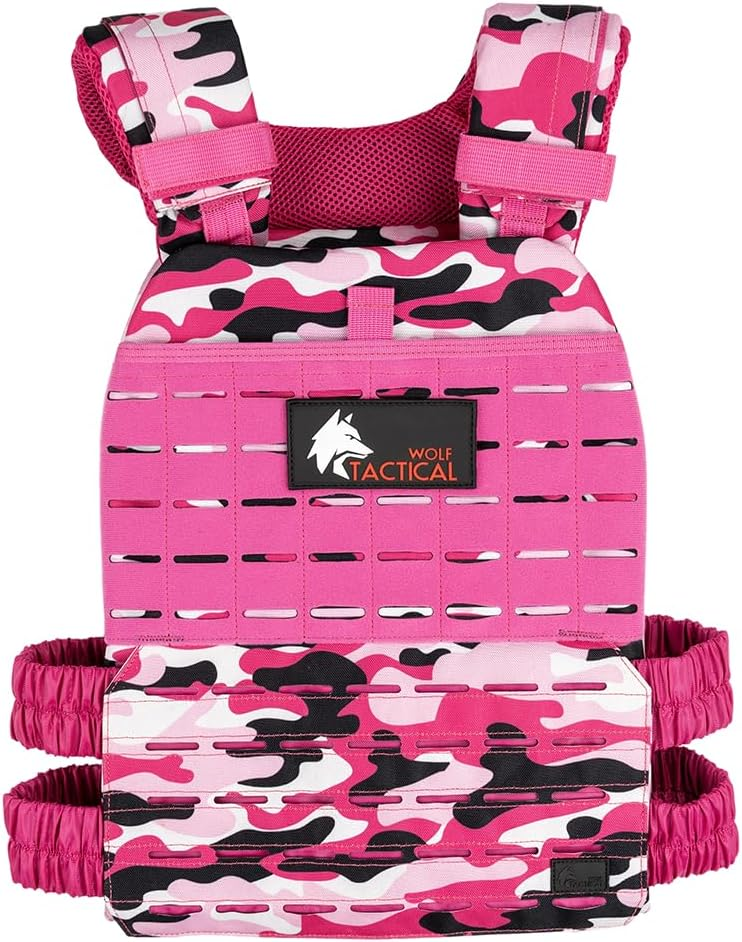
WOLF TACTICAL Simple Weighted Vest is a flexible, low-profile option that fits men and women and scales well for walking and bodyweight work.

When you need a proper ruck or want to mix long-distance load-carrying with modular gear, the GORUCK Rucker 4.0 20L is a robust step up and doubles as a backpack when off the trail.

Plan your session with a simple calculator
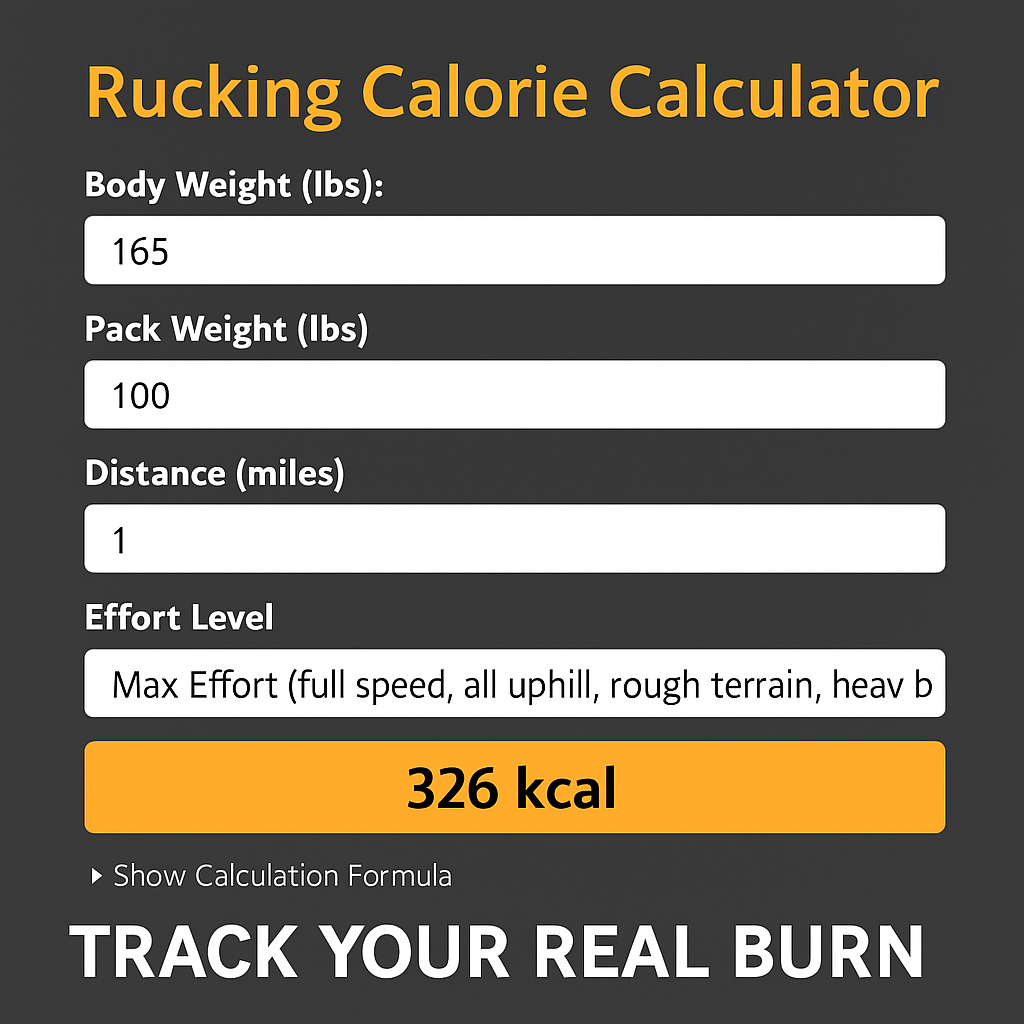
Want to estimate calorie burn and test different loads or paces? Use the rucking calorie calculator below—put in weight, pace, and added load to get a realistic session estimate.

Final practical tips
- Build tolerance before increasing time or weight—your joints adapt slower than your lungs.
- Use layered clothing to manage friction and temperature on long sessions.
- Track sessions and perceived exertion—progress is safer and faster when it’s incremental.
Weighted apparel is a straightforward tool: when chosen and used properly it adds consistent intensity to outdoor training without complicated equipment. Keep it simple, prioritize fit, and use the calculator above to plan sessions that match your fitness and recovery.