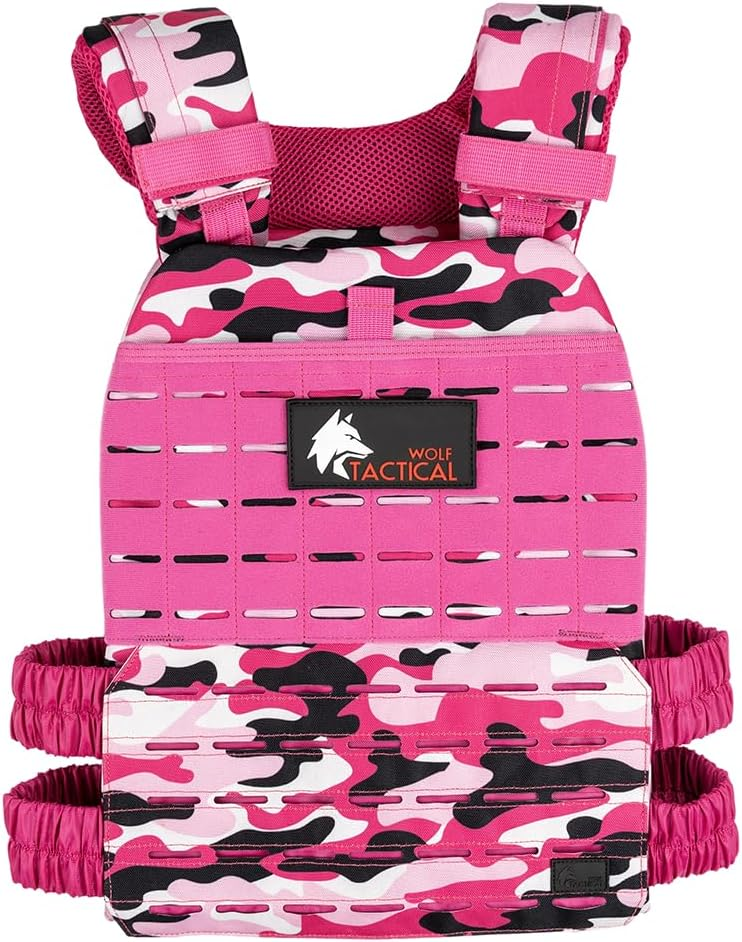
Why 5.11 tactical weight vest plates matter
Weight vest plates are the core component when you want to increase loading for rucking, tactical training, or higher-intensity bodyweight work. The 5.11 tactical weight vest plates people ask about are usually intended for modular vests like the 5.11 TacTec or similar plate-compatible carriers. Plates change how weight sits on your torso, affect mobility, and alter breathing mechanics — so choosing the right plates and understanding compatibility matters.
Fit and compatibility checklist
Before you buy plates for a 5.11-style vest, run through this checklist to avoid common issues:
- Plate dimensions — confirm the plate pockets on your vest match the plate size and orientation.
- Material and edge profile — rounded edges and flexible plates are easier on seams and more comfortable for walking.
- Weight increments — incremental plate pairs (5–10 lb steps) make it easier to progress safely.
- Plate pairing — always load plates symmetrically to avoid postural stress while rucking.
Types of plates that work well with 5.11 vests
There are a few reliable options depending on your training goals. For general fitness and rucking, thin steel or polyurethane plates that stack in pairs are common. For heavy calisthenics or strength-focused loading, denser plates with a smaller footprint help keep the center of mass close to the body.
Practical considerations for rucking and HIIT
If you plan to use plates in outdoor rucks or interval sessions, prioritize durability and comfort. Plates that shift or have sharp corners will create hotspots and can accelerate wear on your vest. Use a good belt and tighten shoulder straps to keep plates snug against your torso.
How much weight should you add?
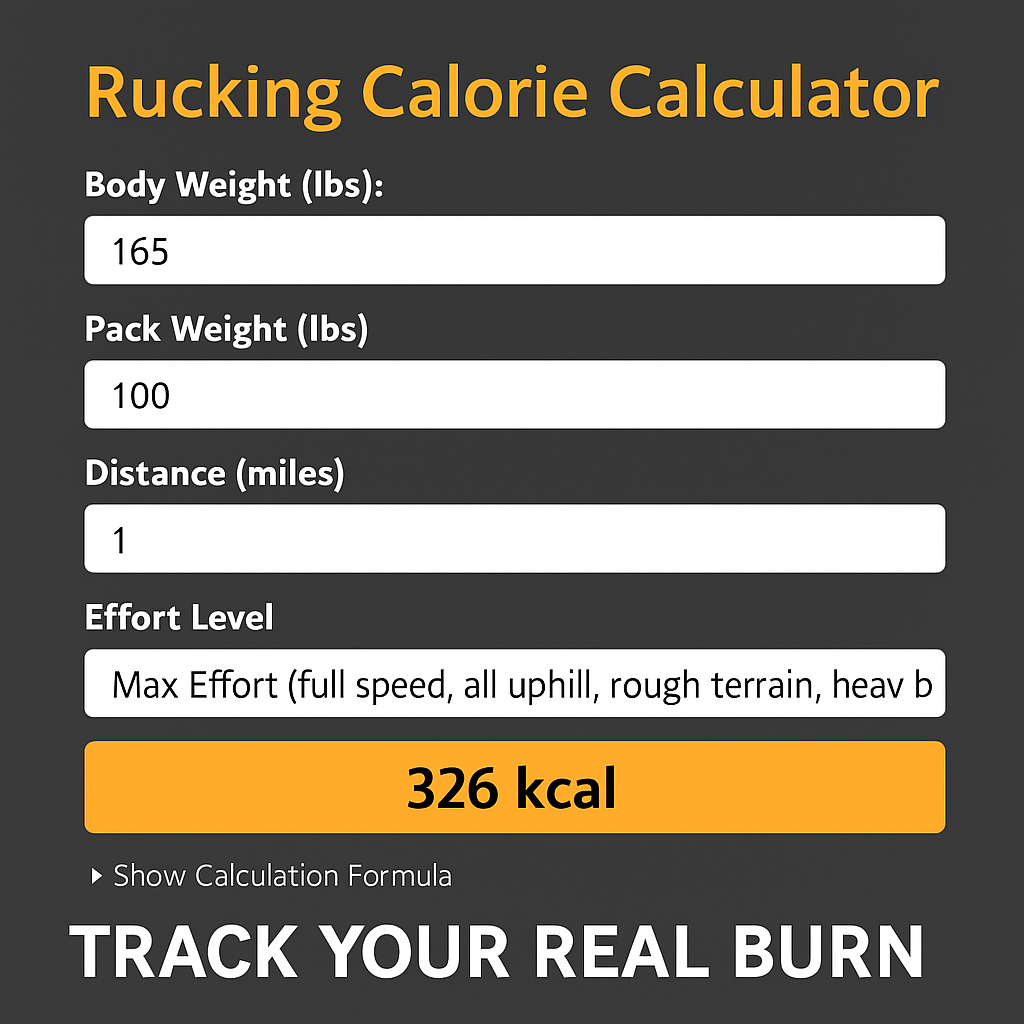
Start conservative. For most people using a TacTec-style vest, 10–20% of bodyweight spread evenly is a sensible starting point for rucking. For HIIT or short tactical circuits you can progress faster, but focus on technique first. To estimate calorie burn or find sensible progression targets, use the rucking calorie calculator below.

Use that calculator to compare carried load, pace, and duration to set realistic sessions and track progress.
Product options to consider
If you want tried-and-true gear, these options cover different use cases. I recommend starting with lighter plates and adding weight as your conditioning improves.

Consider the 5.11 Tactical Unisex TacTec Trainer Weight Vest if you want a vest designed with training in mind and straightforward plate compatibility.

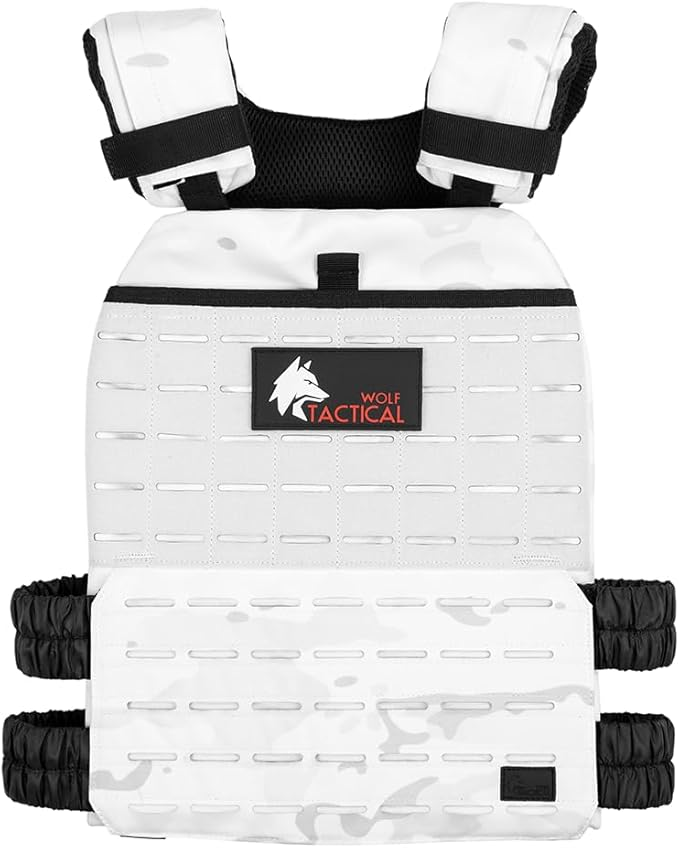
For simple plate options, the WOLF TACTICAL Weight Vest Plates (pairs) offer predictable increments and a profile that works in many tactical vests.
Final safety tips
- Move up in small weight increments and prioritize breathing and posture.
- If you feel persistent shoulder, neck, or low-back pain, reduce load and reassess fit.
- Keep plates centered and secured — asymmetrical loading creates injury risk fast.
Plates are an efficient way to add intensity, but they must be matched to the vest and your training goals. Use the rucking calorie calculator to set targets, start light, and progress methodically for the best long-term results.
Note: I use practical, experience-driven guidance developed from outdoor rucking and weighted-vest training. For more gear options and progressive programming, see the product links above and test small weight increases before committing to heavy plates.