Understanding Rogue Echo weight vest plates
When you’re upgrading a Rogue Echo or similar vest for heavier work, plates are the difference between a light training tool and a progressive overload device. The name “Rogue Echo weight vest plates” refers here to the individual weight elements you insert into a vest or carrier — steel plates, dense polymer plates, or stacked sand/urethane inserts. The important variables are plate thickness, footprint (length x width), edge profile, and how the plates sit against your spine and sternum.
Check the vest pockets first
Before you buy any plates, measure the internal pocket dimensions on your Rogue Echo vest. Most Echo-style vests accept flat plates up to a specific width and length; thicker plates reduce capacity and alter fit. If pockets taper or have rounded corners, you’ll need plates with matching profiles or consider modular add-ons that distribute load differently.
Plate types and pros/cons
- Steel plates — smallest footprint for a given weight, very durable, but can be unforgiving against your body if not padded.
- Cast iron / composite plates — good balance of size and cost; composite plates are sometimes lighter in bulk but thicker.
- Sand or urethane inserts — flexible, conformable, easier on impact and cheaper, but can shift if not secured.
Practical selection and progression
Use plates that allow incremental progression. If your vest accepts thin plates, choose a mix of small increments (2.5–5 lb) to progress safely. If plates are thick, you may be forced into larger jumps — in that case, focus on increasing volume (distance or reps) between jumps to build tolerance.
How to test fit and comfort
- Insert plates and walk 5–10 minutes on a flat route to check pressure points.
- Do a set of bodyweight squats and push-ups to ensure plates don’t shift.
- Adjust clothing layers or use a thin back pad if edges are sharp; long-term, opt for plates with rounded edges.
Recommended plate options
Not all plates are created equal for an Echo-style carrier. Two reliable options that work for most vest pockets and rucking-style loading are below.

Many athletes favor the Yes4All Ruck Weight Plate for its flat profile and incremental sizing. Do not buy it for the Rogue Echo vest without an explicit manufacturer-approved match.

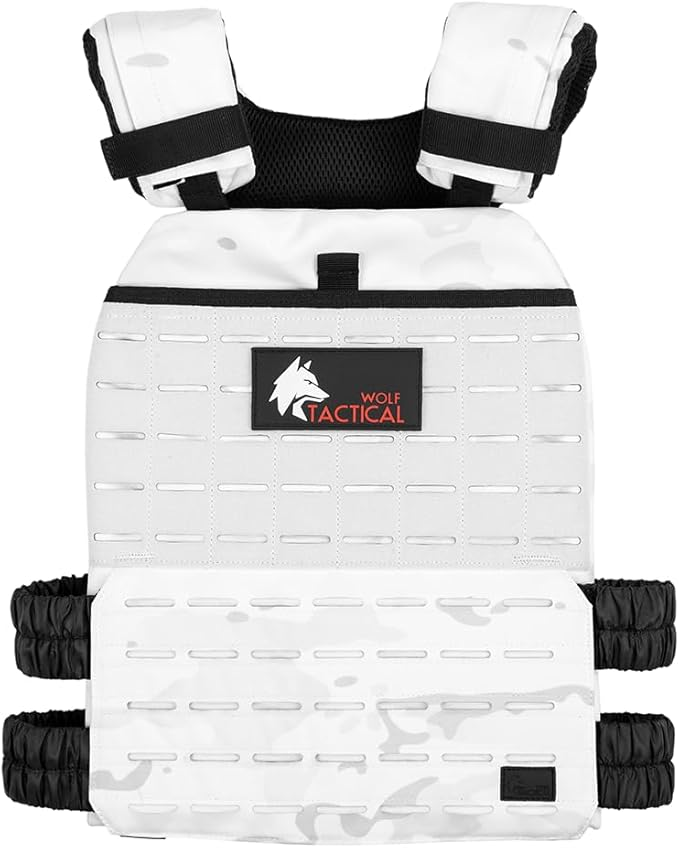
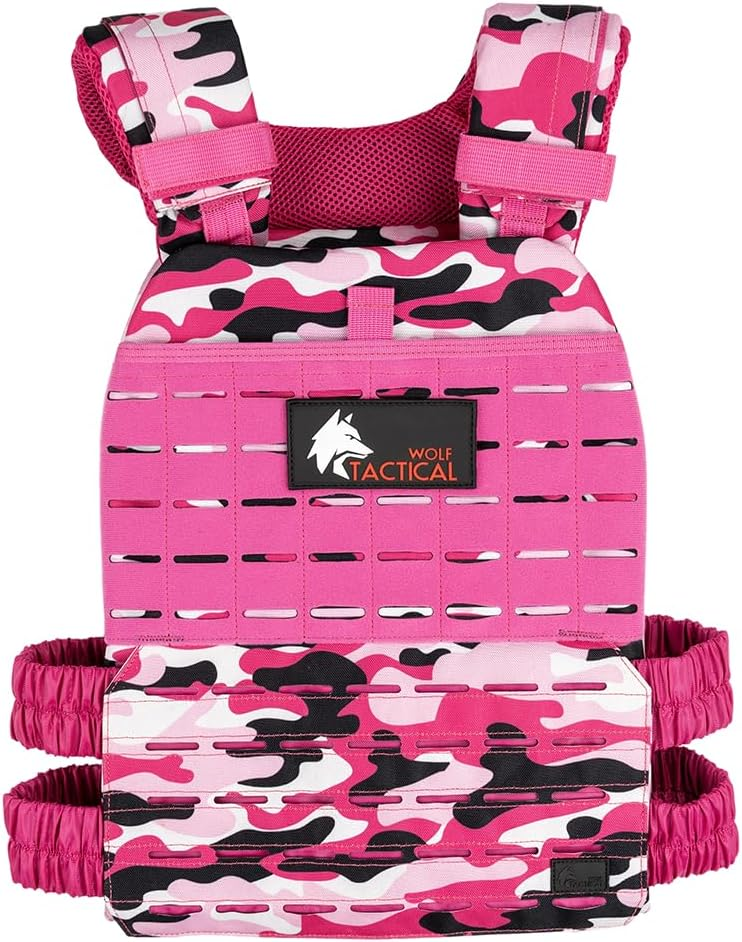
For a more vest-specific option, the WOLF TACTICAL Weight Vest Plates are offered in pairs, but a common outline does not establish Echo vest compatibility.
Check movement and recovery
Try the approved setup at a manageable load on a short easy walk. Check for shifting and pressure, then repeat a comfortable session before changing one variable. Do not add weight automatically each week.
Stop for pain, numbness, dizziness, or unusual breathlessness. If an injury or medical condition affects exercise, get individual guidance before adding load.
Track the walk and its effort
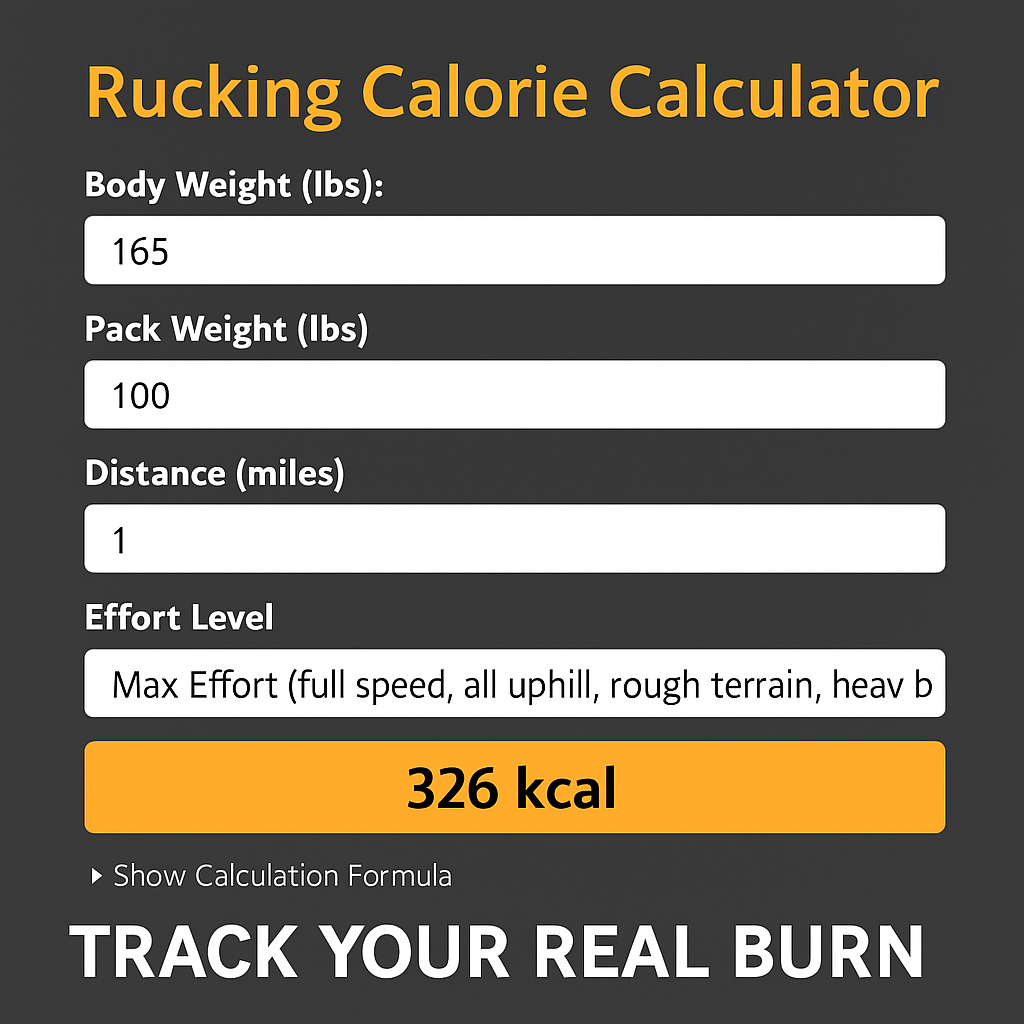
Record the complete carried load, route, time, and how the session felt. The Rucking Calorie Calculator gives an estimate for loaded walking. It does not measure the energy cost of a whole strength circuit or establish a safe working load. Compare similar walks and use comfort and recovery when deciding what to change.
Final note: plates are a tool — choose ones that fit, distribute load evenly, and let you maintain posture and breathing. I’m Preston Shamblen, and in my experience, sensible plate selection and gradual progression are the fastest route to consistent gains and fewer setbacks.