Decide whether 30 lb serves your session
Thirty pounds is a substantial external load. The same amount can feel very different during a short strength set, a flat walk, and a long hilly route. A vest’s capacity or the label “intermediate” does not establish readiness.
Who should consider 30 lb
Comfortable unloaded walking is useful background, but it does not establish that 30 lb is appropriate. If you are new to loaded exercise, choose a manageable starting setup rather than treating 10–15 lb as a mandatory first step. As an ISSA-certified trainer who lost 90 lbs through consistent rucking and weighted-vest work, I recommend steady progression over jumping straight to heavier loads.
Choose a repeatable session before increasing load
Use a short, easy route with a convenient turnaround. Record the full worn weight, time, surface, and effort. Repeat it comfortably before changing weight, duration, pace, or terrain.
A 90-minute walk is not a test that automatically qualifies you for a heavier vest. Keep running intervals and demanding strength circuits separate while you learn how a new load affects you.
Stop for pain, numbness, dizziness, or unusual breathlessness. If an injury or medical condition affects exercise, get individual guidance before adding load.
Gear and fittips for comfort with 30 lb
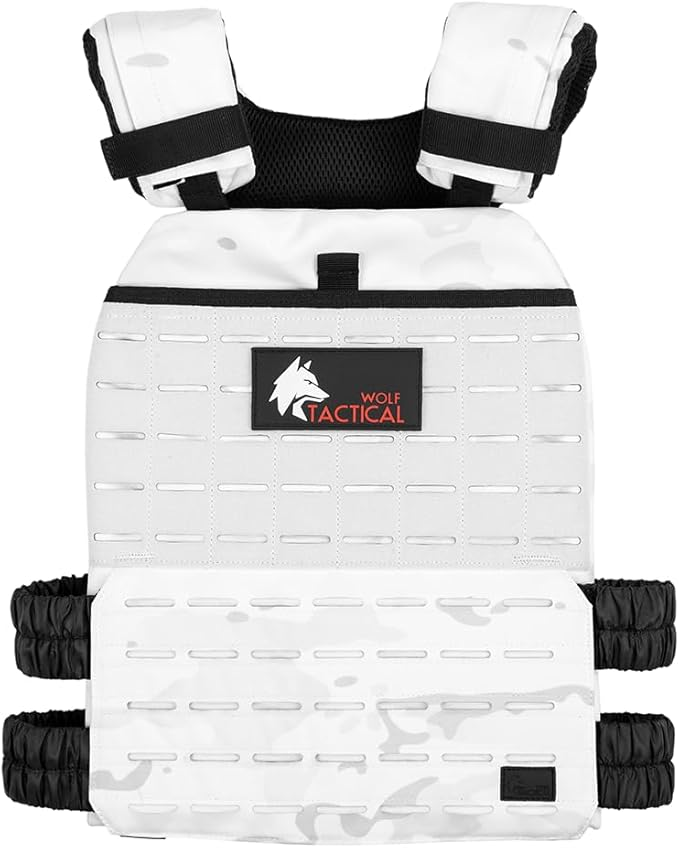
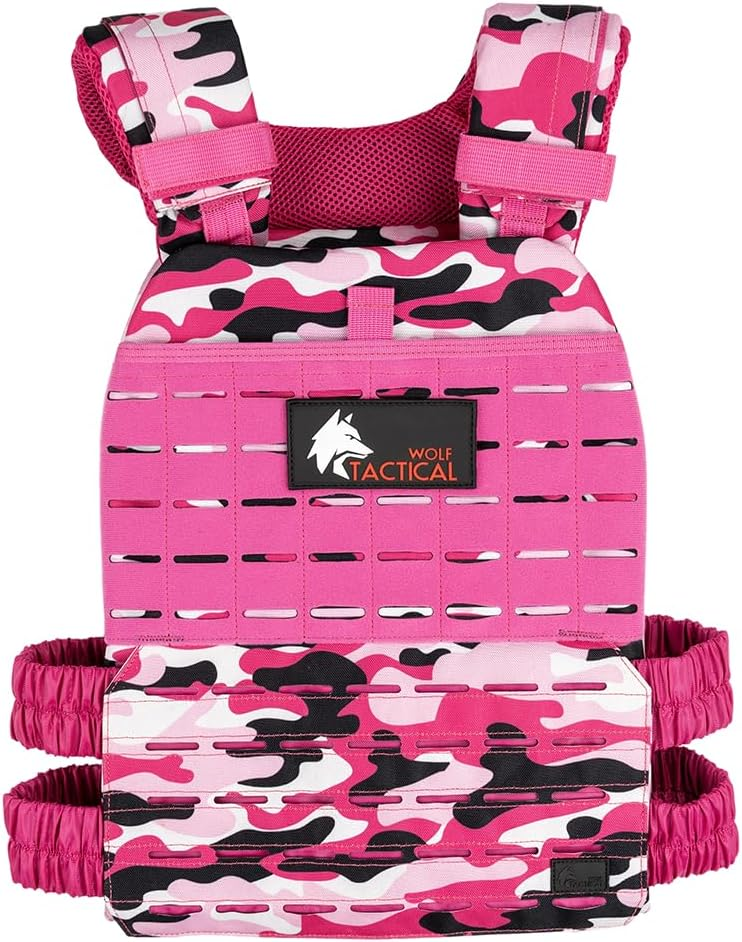
Fit matters more than brand. A good vest sits close to your torso, distributes weight across chest and back, and doesn’t shift on the hips. For a user-focused, beginner-friendly option try the Wolf Tactical Weighted Vest for comfortable panels and adjustable fit.

Track the walk and its effort
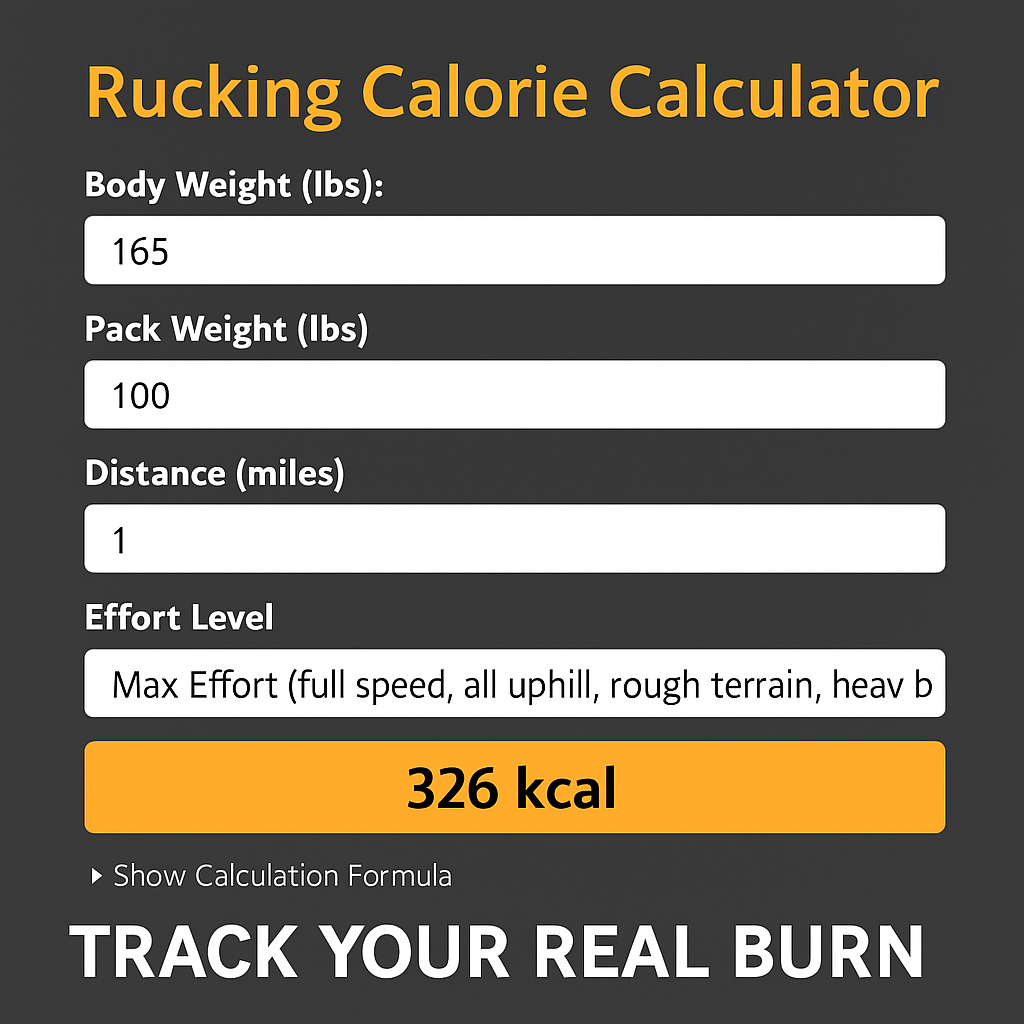
Record the complete carried load, route, time, and how the session felt. The Rucking Calorie Calculator gives an estimate for loaded walking. It does not measure the energy cost of a whole strength circuit or establish a safe working load. Compare similar walks and use comfort and recovery when deciding what to change.
Practical safety checklist
- Begin sessions with a 10–15 minute warm-up focused on hip and thoracic mobility.
- Monitor posture—chin neutral, shoulders down, hips stable.
- Hydrate before and during longer rucks; consider electrolyte support on hot days.
- Keep cadence steady and avoid excessive downhill fast-paced running with a heavy vest.
Final notes
Use the 30 pound weighted vest as a tool for progressive overload. Start conservative, use time-based increases before adding more weight, and let the calculator help you balance effort and recovery. As someone who rebuilt fitness with rucking and weighted vests, my core advice is consistency—small, sustainable increases beat sporadic extremes.