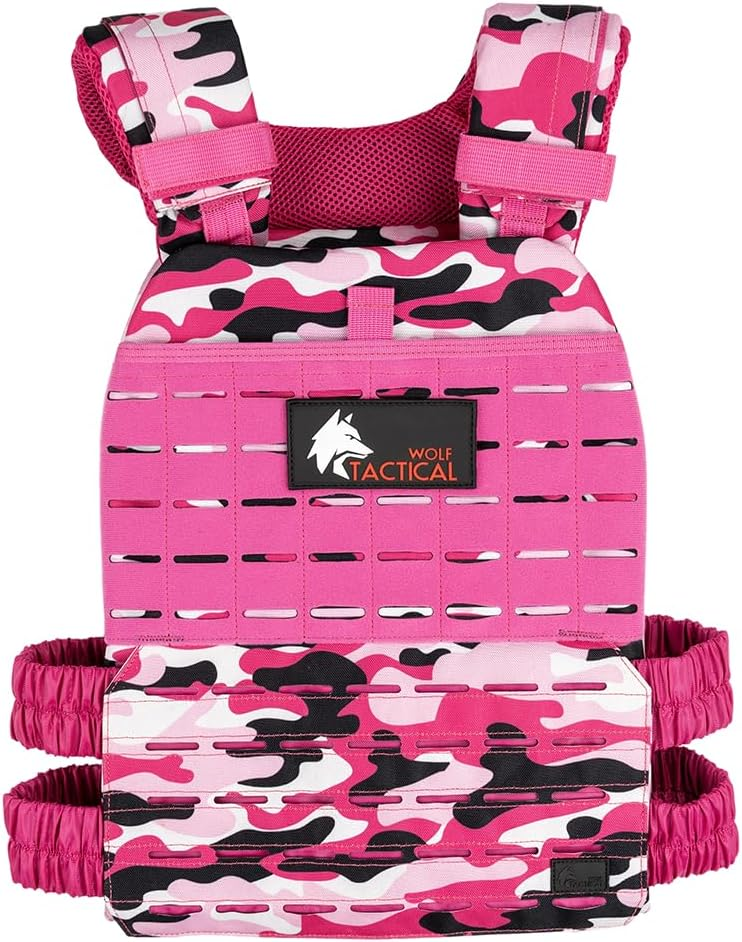
Tribe weighted vest: identify the listing first
If you are searching for a Tribe weighted vest, establish the full brand and model before buying. TRIBE-WOD weighted-vest listings have appeared through Kettlebell Kings, but the current product pages were not accessible during this review. I could not verify today’s available variants, warranty terms, or complete specifications.
This is a buying checklist rather than a hands-on review or a guarantee about a particular Tribe model. Ask the seller for the current product instructions and photos of the actual item.
Questions worth answering before checkout
- Is this a TRIBE-WOD product, and what is the exact model or SKU?
- Is the order a carrier only, or does it include one plate or a matched pair?
- Which plate dimensions, shape, thickness, and weights does that version approve?
- What body measurements does its size chart use?
- What are the seller’s shipping, return, and warranty terms?
Do not transfer a capacity or fit claim from a similar-looking vest. If the seller cannot document compatibility, choose a product with clear instructions.
Check fit before a long workout
Try the carrier without weights, then with an approved manageable load. Take a full breath, swing your arms, sit, and squat slowly. Look for secure closures, stable inserts, and comfortable chest and hip clearance. Any load that changes your gait or causes pain needs reassessment.
Build gradually
Start with an unloaded fit check and a brief, easy walk with a manageable load. Repeat a comfortable session before changing one variable: weight, time, pace, or terrain. There is no weekly increase everyone needs to follow. Stop for pain, numbness, dizziness, or unusual shortness of breath. Ask a qualified clinician about loaded exercise if you have a condition or injury that could affect it.
A fixed percentage or eight-week ladder is not appropriate for everyone. A vest is also not a treatment for low bone density or a guarantee of fat loss. Those goals need a broader plan.
Vest or backpack?
A vest and a rucksack carry loads differently. If you need water, clothing, and supplies for a longer route, compare a purpose-built backpack rather than assuming a vest can accept those items. Avoid combining multiple loading systems just to reach a larger number.
Care
Follow the actual model’s cleaning instructions. Inspect the fabric, seams, weight pockets, and fasteners; do not continue using a damaged carrier.
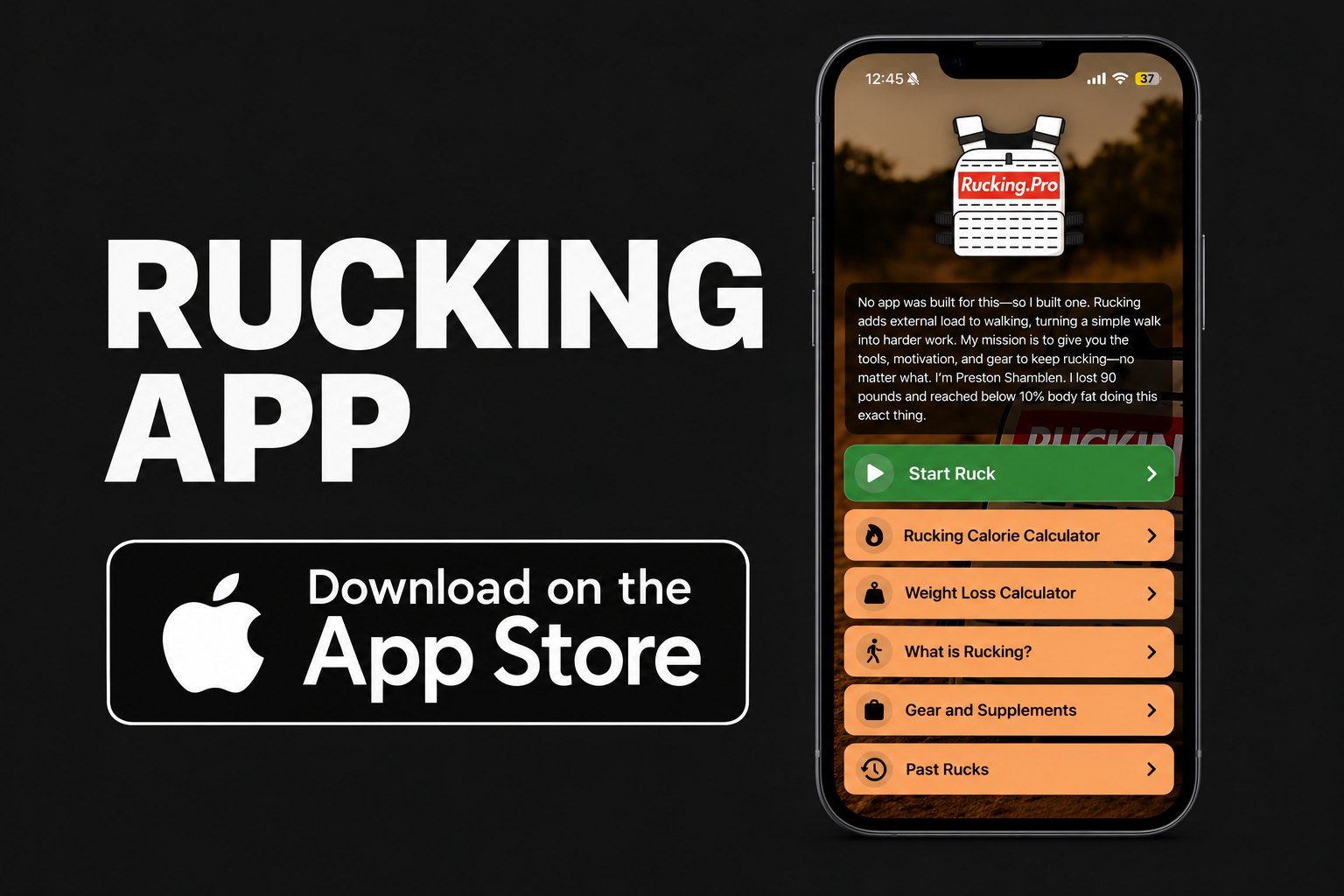
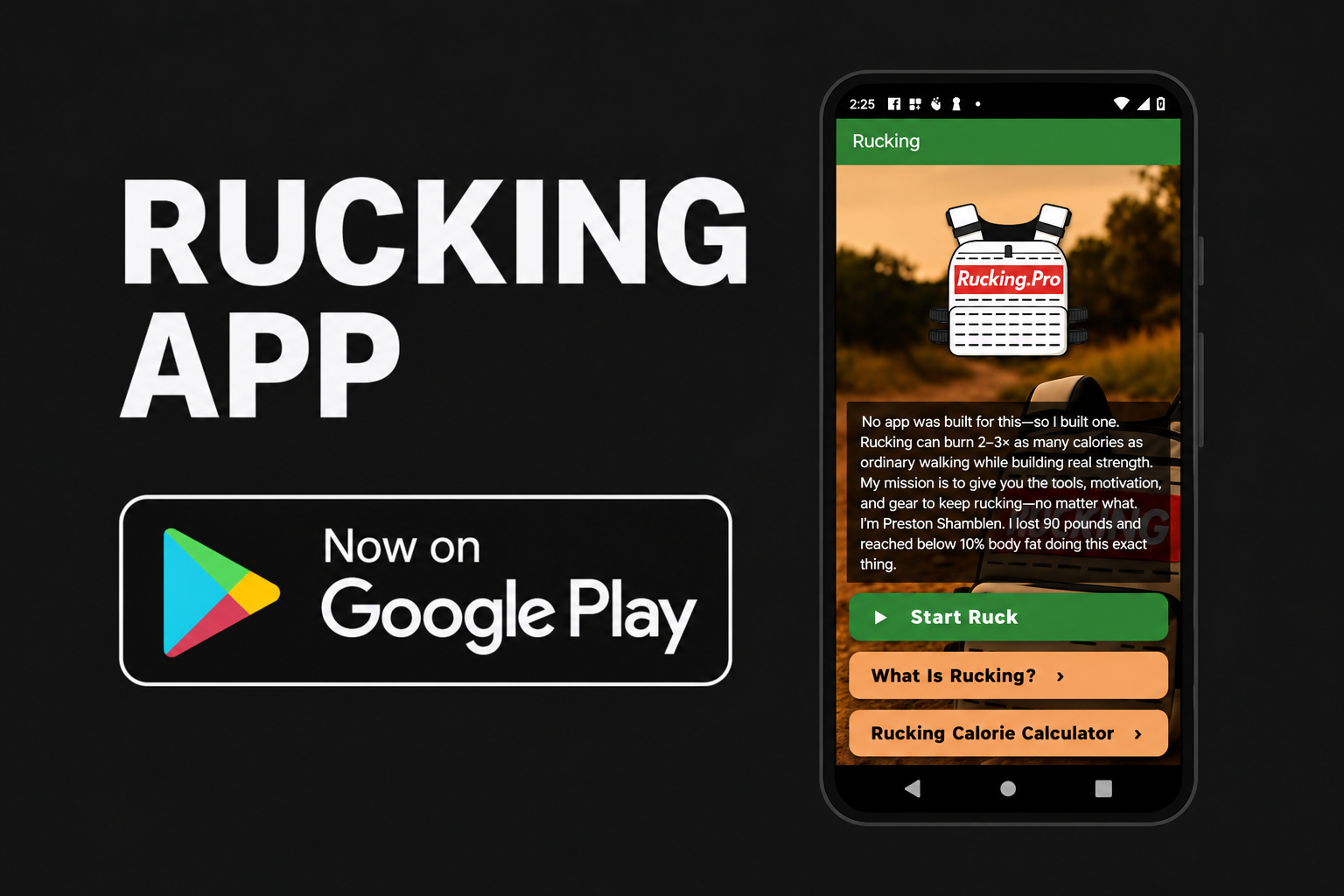
Track weighted walks with the Rucking App
Choose weighted vest or backpack, enter the complete carried load, and tap Start Ruck to record an outdoor walk with GPS. You can track time, distance, pace, and estimated calories. Keep notes on effort and how you feel afterward; a calorie estimate cannot tell you whether a load is appropriate or whether you have recovered.


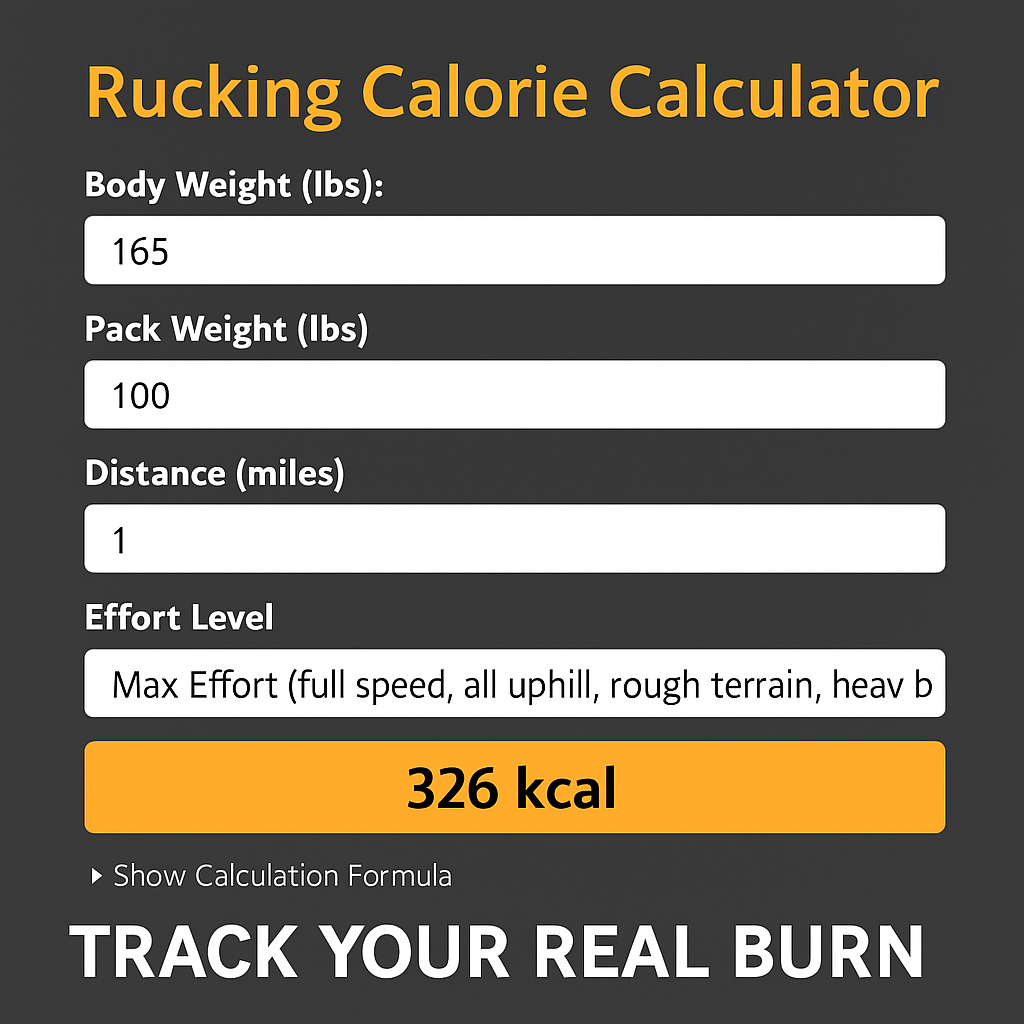
Prefer a manual estimate? Use the Rucking Calorie Calculator. The app and calculator give estimates for loaded walking, not measured calorie totals or prescriptions for food intake. See the app guide for current features.
Verification note
The Kettlebell Kings weighted-vest listing and TRIBE-WOD brand page could not be fully checked on October 6, 2026. Confirm the exact product directly with the seller. No generic product photograph is presented as a verified Tribe vest.
General activity guidance: CDC guidance on starting gradually. This supports gradual activity progression; it does not establish a universal weighted-vest starting percentage.