As an Amazon Associate I earn from qualifying purchases.
Condor Sentry sold by Rogue: check the plate system
The Sentry is a Condor model sold by Rogue. For fitness use, start with the exact carrier and approved training plates. A steel plate that slides into the pocket is not automatically compatible, and ordinary training plates provide no ballistic protection.

Important Rogue plate restriction
Rogue’s Sentry listing identifies compatible USA Cast and Echo Vest plates and explicitly excludes its laser-cut Rogue Weight Vest Plates. Rogue says using the excluded plates voids the Condor warranty. Check the product family, not just “Rogue” on the label.
Size and fit: resolve the listing difference
Rogue lists a 30–46 inch waist range, while Condor’s current page lists 32–54 inches measured around the navel. Ask the seller which model/version and sizing guidance apply to the item being shipped, especially if you are near a limit.
Both pages describe plate accommodation up to 10.25 by 13.25 inches. Dimensions are only part of the check: confirm the approved shape, thickness, load, and closure engagement as well.
Set up for a short test walk
- Use approved fitness plates and follow the closure instructions.
- Adjust the shoulders and sides for breathing and arm movement.
- Do not improvise ceramic ballast, extra foam behind plates, or loose weights to make an incompatible setup fit.
- Carry water separately if the route requires it; the carrier is not a backpack for supplies.
Start with an unloaded fit check and a brief, easy walk with a manageable load. Repeat a comfortable session before changing one variable: weight, time, pace, or terrain. There is no weekly increase everyone needs to follow. Stop for pain, numbness, dizziness, or unusual shortness of breath. Ask a qualified clinician about loaded exercise if you have a condition or injury that could affect it.
A rear-loaded alternative
The GORUCK Ruck Plate Carrier 3.0 holds weight on your back and leaves the chest open. It is a different layout from the Sentry’s front-and-back plate pockets. Check Standard, Long, or Heavy sizing and the matching GORUCK plate dimensions rather than transferring vest plates into it.

Reference: GORUCK RPC specifications.
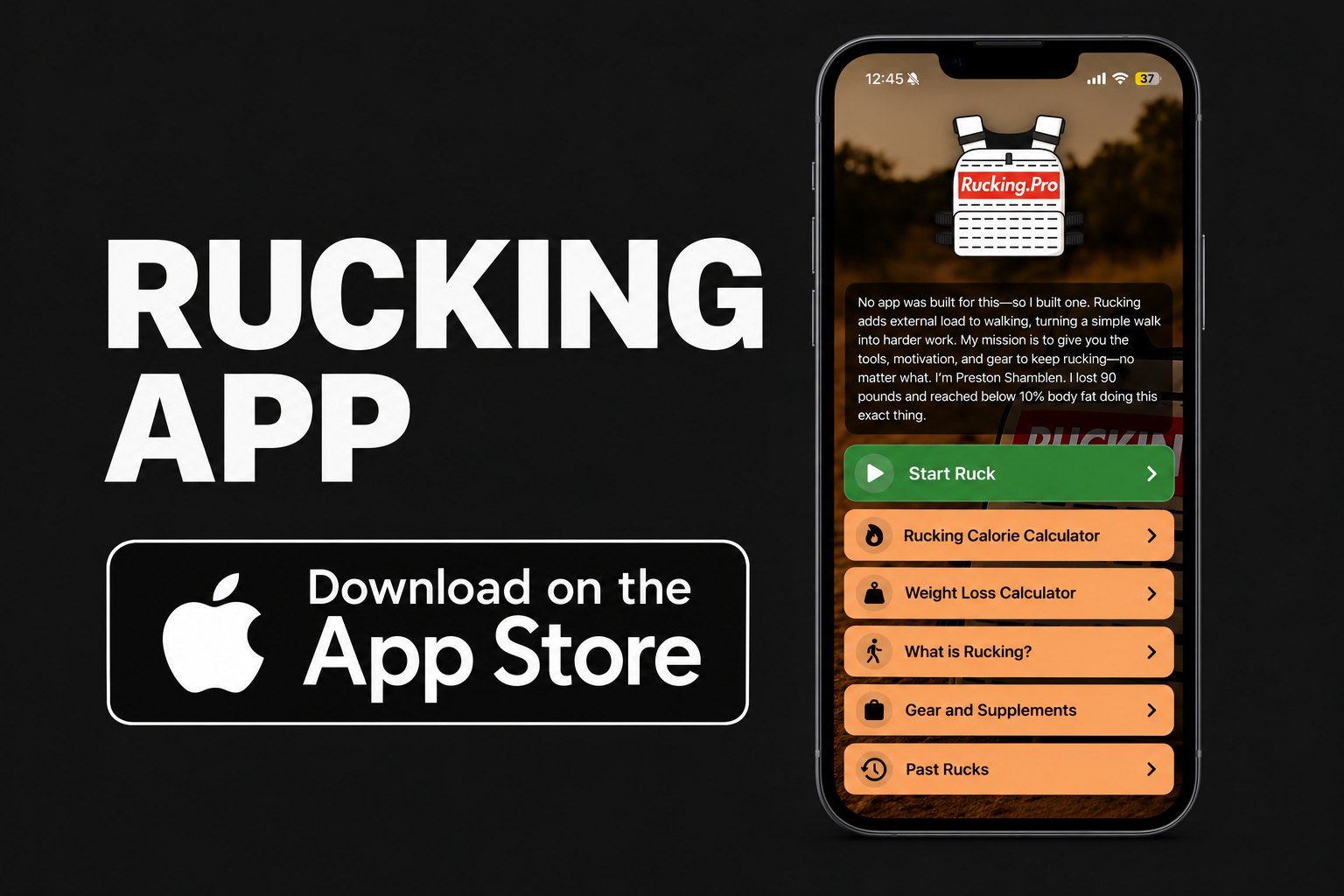
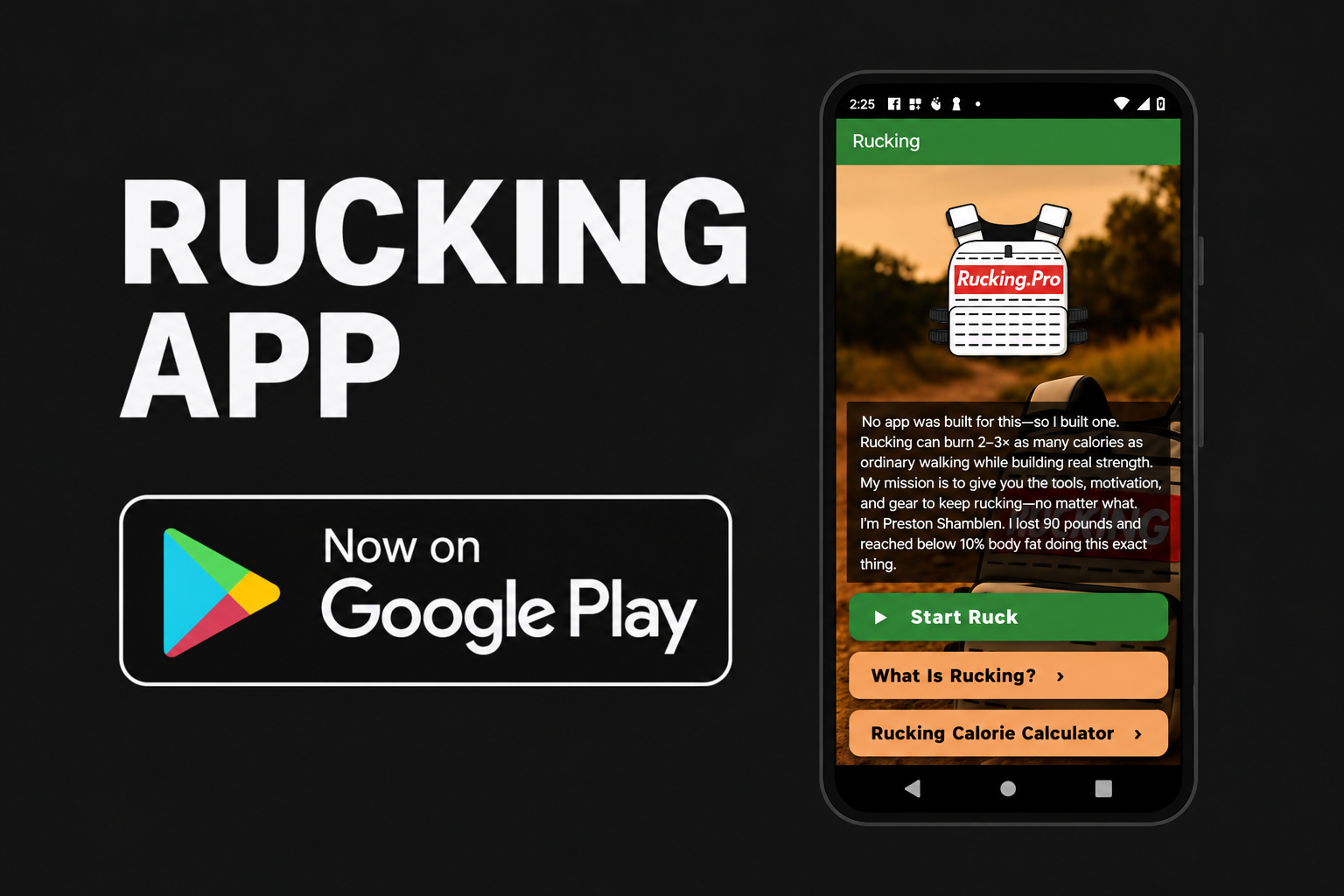
Track weighted walks with the Rucking App
Choose weighted vest or backpack, enter the complete carried load, and tap Start Ruck to record an outdoor walk with GPS. You can track time, distance, pace, and estimated calories. Keep notes on effort and how you feel afterward; a calorie estimate cannot tell you whether a load is appropriate or whether you have recovered.


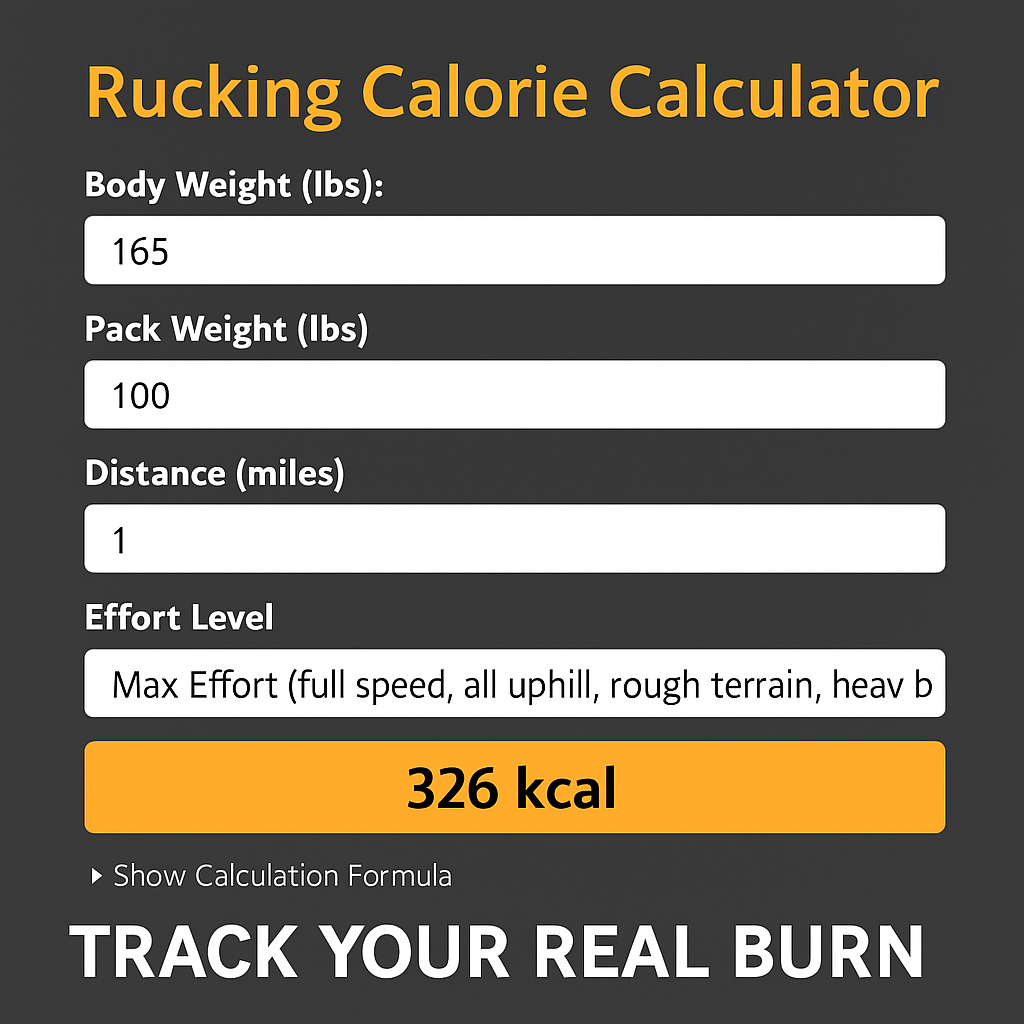
Prefer a manual estimate? Use the Rucking Calorie Calculator. The app and calculator give estimates for loaded walking, not measured calorie totals or prescriptions for food intake. See the app guide for current features.
General activity guidance: CDC guidance on starting gradually. This supports gradual activity progression; it does not establish a universal weighted-vest starting percentage.