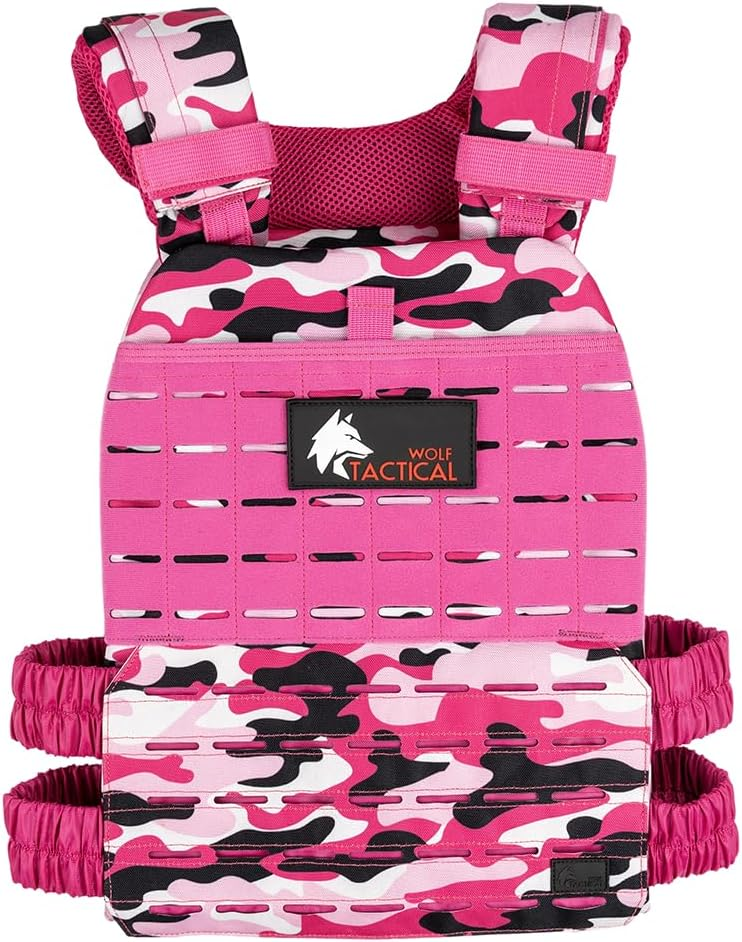
Plate vest weight should include the carrier and all retained inserts. A per-plate label, pair total, and maximum capacity are different numbers.
Read the whole package
Check the exact insert option and whether the stated mass applies to one piece or the pair. Add the carrier and accessories to the worn total, then verify the supported plate dimensions and pocket closure. A nominal workout package does not establish one universal training load. Choose manageable resistance for the intended activity and test breathing and movement before a demanding session. Do not force or stack inserts to reach a number. Fitness plates provide exercise resistance, not ballistic protection.
- Match plate dimensions and shape to the carrier’s approved inserts.
- Count weight per piece, per pair, and with the carrier.
- Check full pocket closure and secure retention before exercise.

Check compatibility before loading
Match the exact plate length, width, thickness, and shape to the carrier manufacturer’s approved inserts. Pocket dimensions alone do not establish compatibility: the closure must fully engage, retention must work, and the load must stay within each pocket’s rating. A ruck plate made for a backpack is not automatically a vest plate.
Use the intended front and back pockets and the manufacturer’s loading pattern. Do not improvise stacks, place extra plates in accessory pouches, or wedge loose weights into gaps. Count both inserts and the empty carrier in total carried weight. Swap plates with the vest removed on a stable surface, then recheck closures before a short movement test.
If you have back, neck, joint, or balance problems, discuss added-load exercise with a clinician before starting. Harvard Health explains the cautions around wearable weights.
Compare gear by loading system
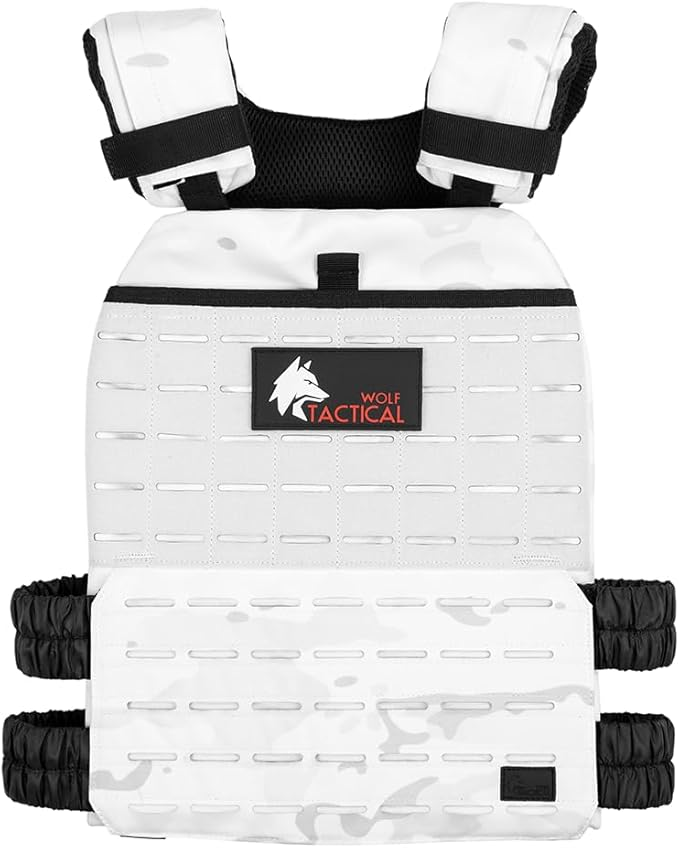
View Wolf Tactical training plates on Amazon and compare Wolf Tactical weighted vest plate carrier. These are the identified products shown in the photos. Check the exact model, approved weights, selected configuration, complete cost, and return terms. Search links may show other models and sellers; verify the item before ordering.
As an Amazon Associate I earn from qualifying purchases. Some gear links are affiliate links.

Reference: Read the source information. Specifications and availability can change; match the exact model to its current instructions.
Track loaded walks with the Rucking app
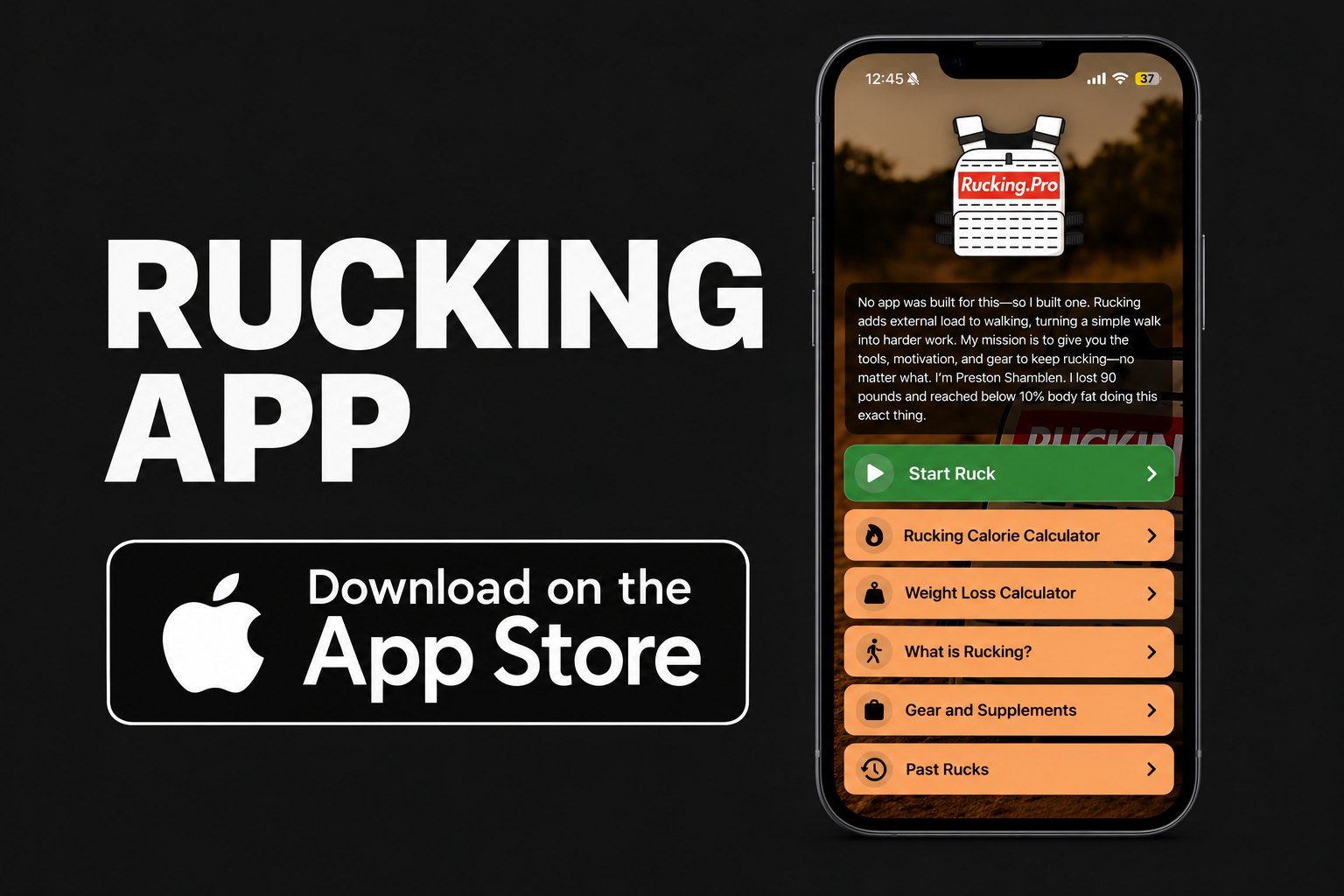
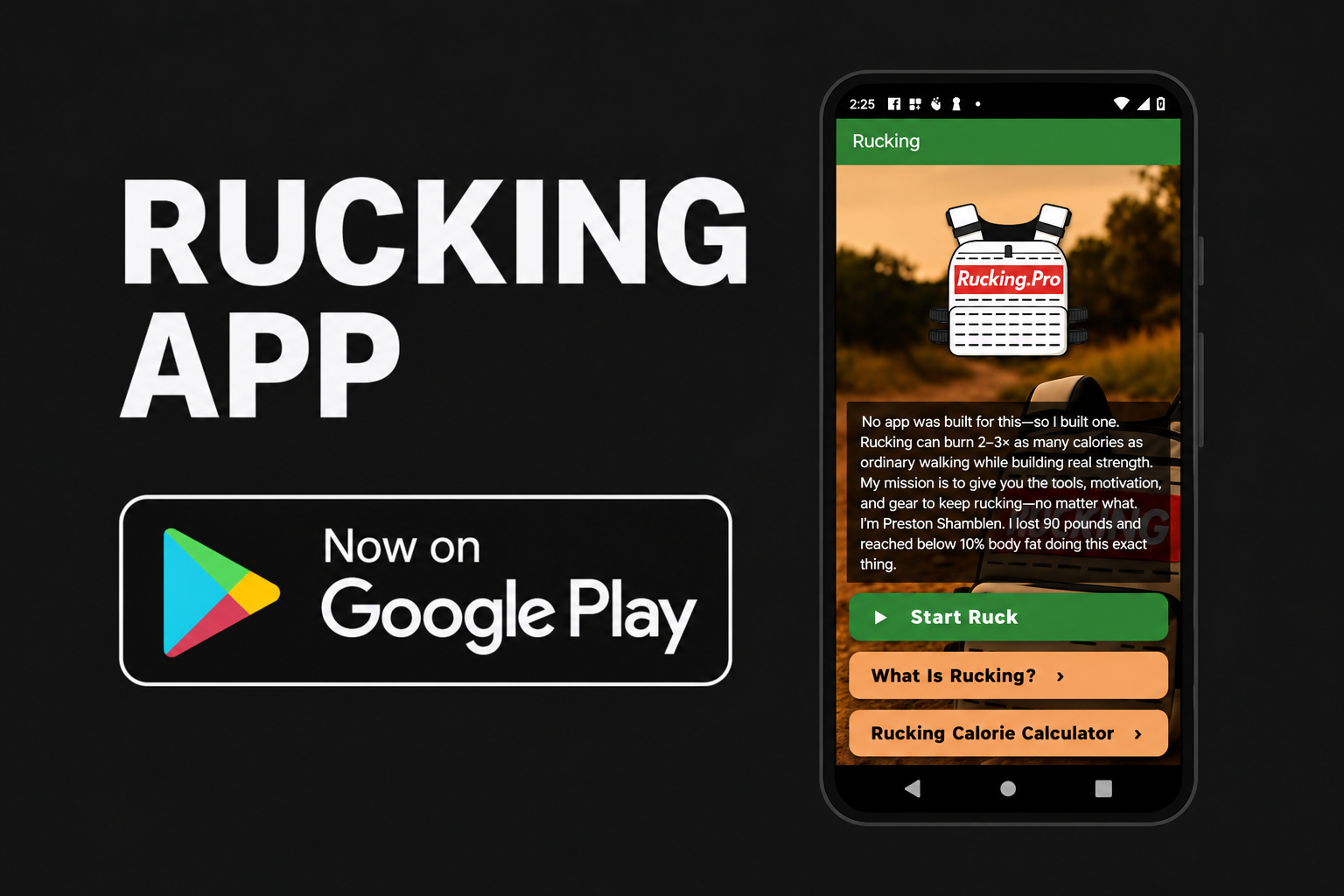
For the walking part of your routine, record total carried weight, route, distance, pace, and time. Compare similar sessions rather than judging progress only by a calorie number. The Rucking app is available for iPhone and Android.

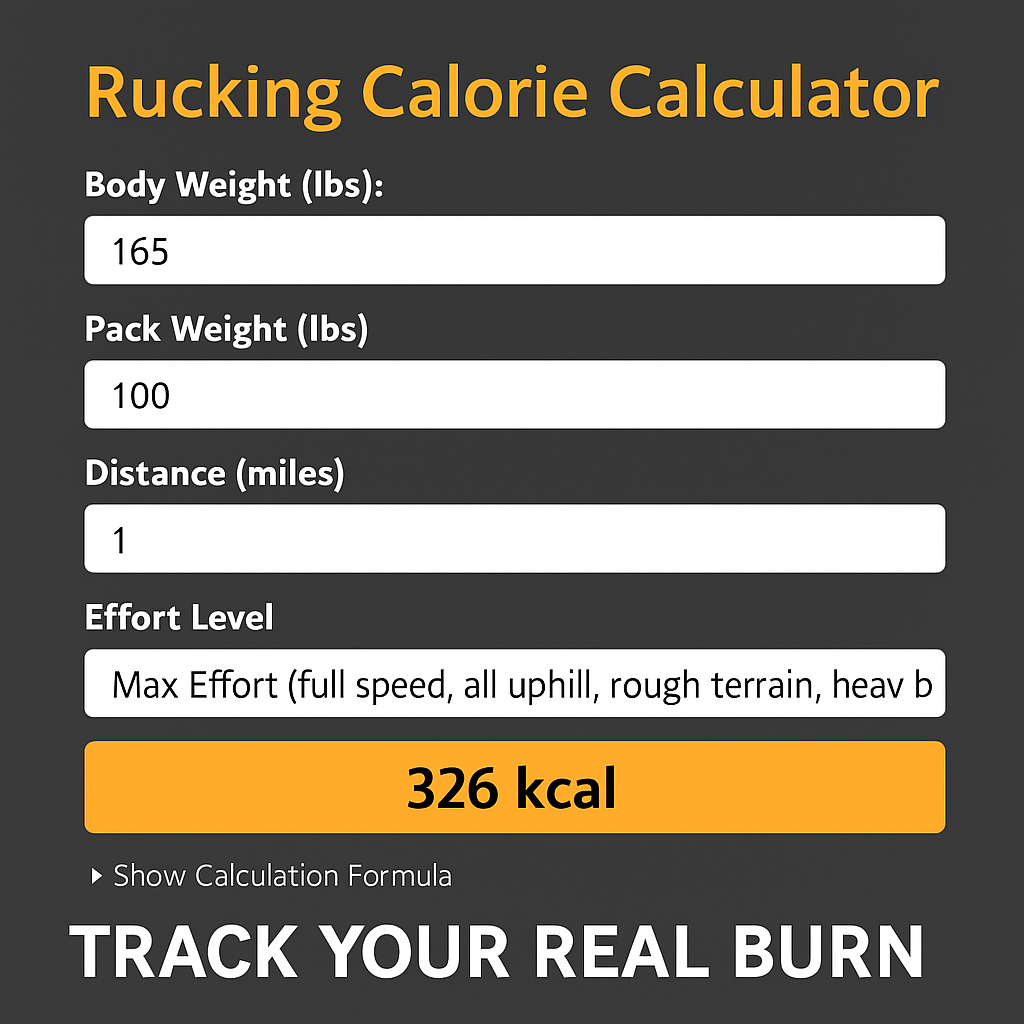
Plan a loaded walk with the Weighted Vest Calorie Calculator or Rucking Calorie Calculator. Use the Rucking Weight Loss Calculator to explore longer-term projections alongside your nutrition plan. These are estimates, not measured energy expenditure or promised weight loss. Walking estimates do not measure a lifting session, mixed WOD, running workout, or therapeutic effect.
Related guide: 5.11 vest-weight guide.