A weighted vest for firefighter training should support an appropriate preparation plan. It is exercise equipment, not protective clothing, breathing apparatus, or a substitute for official test guidance.
Follow the actual department or test protocol
Use the official IAFF CPAT information and your department’s requirements to identify the tasks and approved preparation approach. A generic vest workout does not establish readiness for every occupational demand. Work with a qualified trainer on task technique, conditioning, and load choices. Do not recreate fireground heat or add multiple heavy equipment systems without an appropriate supervised plan. Inspect fitness equipment fit and retention separately from required duty gear. The walking resources below can record a separate suitable walking session; they do not certify job or test readiness.
- Follow official task requirements and qualified preparation guidance.
- Keep fitness equipment distinct from required protective or duty equipment.
- Assess the actual tasks rather than borrowing a generic vest workout.
Keep skill practice and added resistance distinct
Choose an exercise and goal you can assess clearly. Familiar controlled strength work and a separate loaded walk have different demands from sprinting, landing, cutting, or contact play. Added mass can change technique even when the garment feels secure. Use sport-specific coaching for loaded power or agility work rather than applying a walking progression to those drills.
Record the task, complete load, effort, and recovery. Remove the vest when it interferes with balance, breathing, movement quality, or access to equipment. More sweating or a higher heart rate does not establish better sport performance. Keep ordinary unloaded conditioning and technical practice in the plan.
If you have back, neck, joint, or balance problems, discuss added-load exercise with a clinician before starting. Harvard Health explains the cautions around wearable weights.
Compare gear by loading system
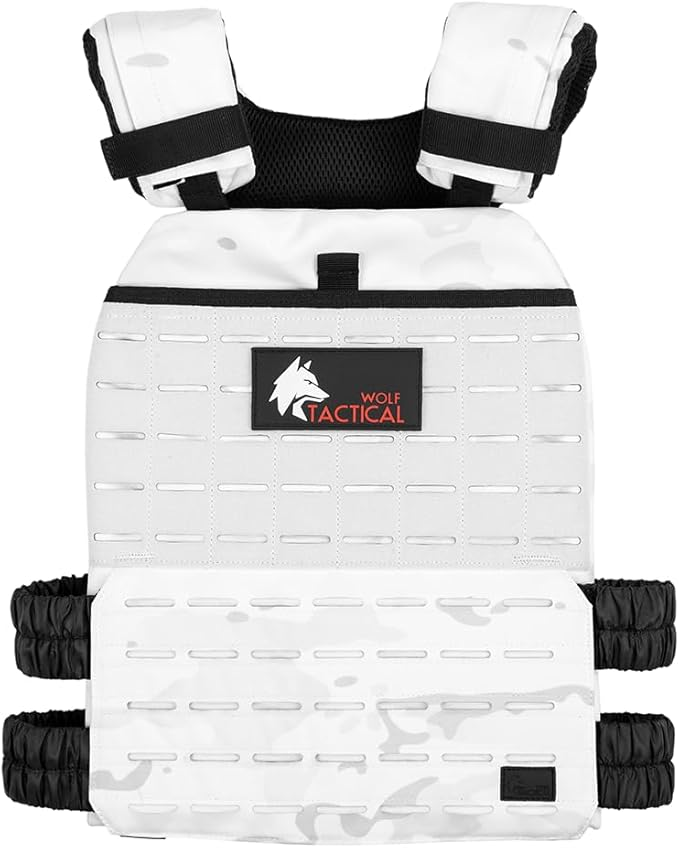
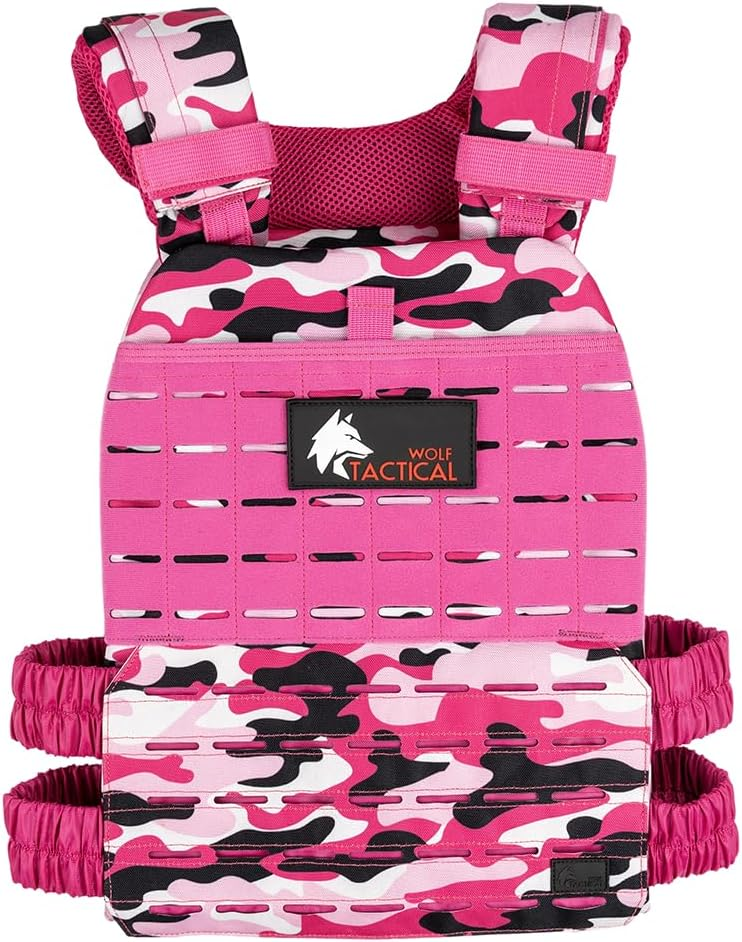
For front-and-back plate loading, compare the Wolf Tactical weighted vest plate carrier and its compatible training-plate options. Verify exact model, selected pair weight, and what is included rather than assuming every bundle is identical.
As an Amazon Associate I earn from qualifying purchases. Some gear links are affiliate links.
Reference: Read the source information. Specifications and availability can change; match the exact model to its current instructions.
The resources below are for a separate, appropriate adult walking routine. They do not prescribe sensory treatment, children’s exercise, bone-health care, sport skills, or loaded running.
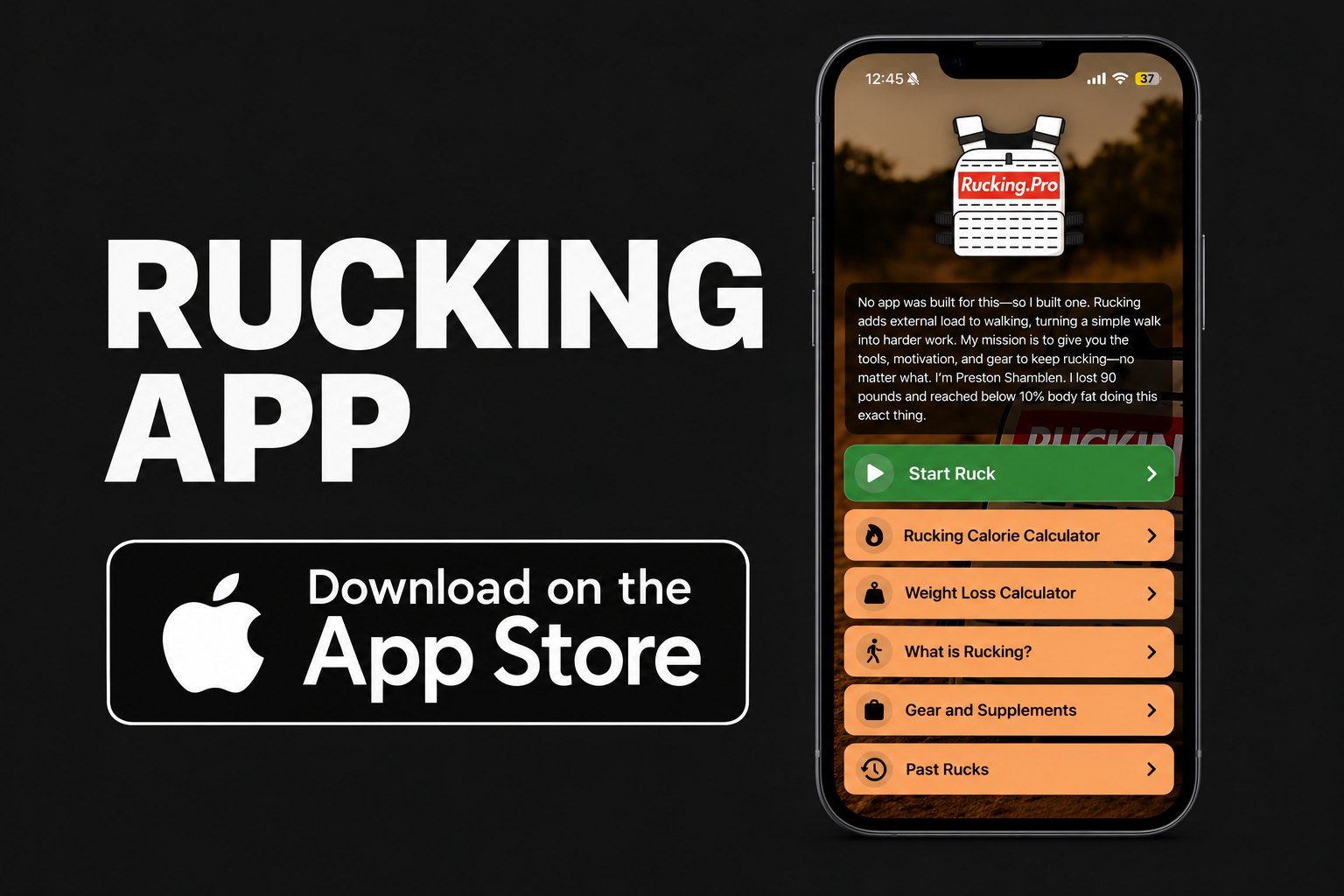
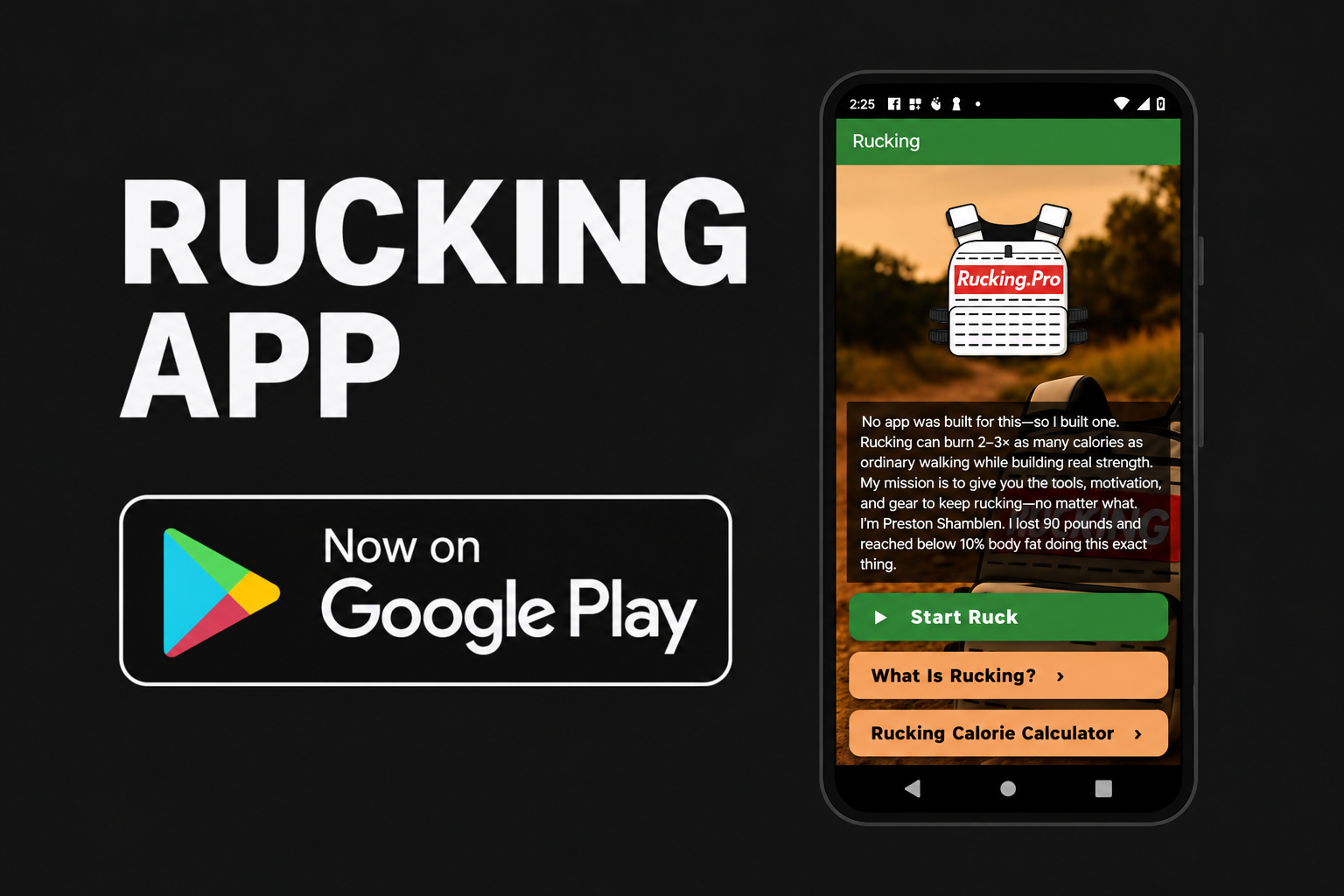
Track loaded walks with the Rucking app
For the walking part of your routine, record total carried weight, route, distance, pace, and time. Compare similar sessions rather than judging progress only by a calorie number. The Rucking app is available for iPhone and Android.


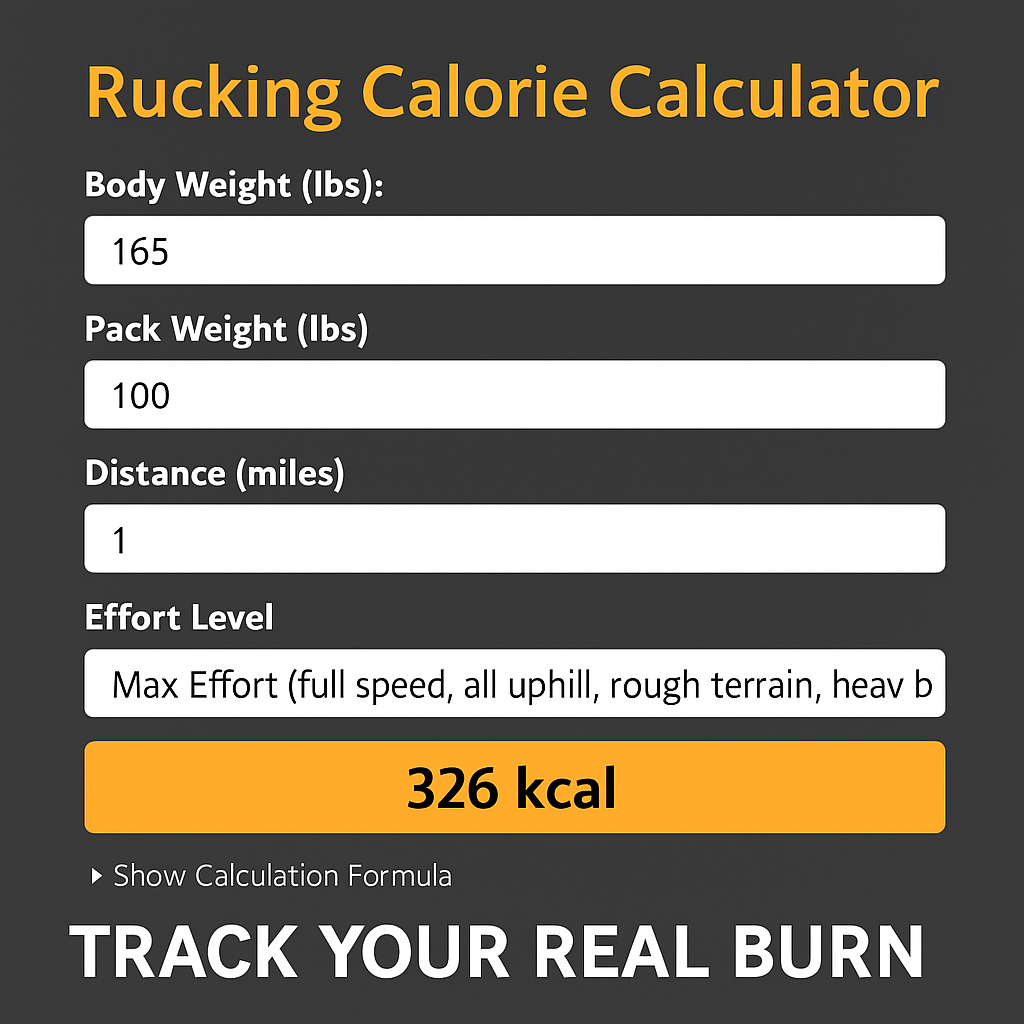
Plan a loaded walk with the Weighted Vest Calorie Calculator or Rucking Calorie Calculator. Use the Rucking Weight Loss Calculator to explore longer-term projections alongside your nutrition plan. These are estimates, not measured energy expenditure or promised weight loss. Walking estimates do not measure a lifting session, mixed WOD, running workout, or therapeutic effect.
Related guide: Weighted vest walking guide.