A 60 pound weight vest rating describes a substantial equipment load. It is not a standard endurance-training prescription or a promised calorie-burning threshold.
Plan the equipment handling
Check the exact model’s approved inserts and distinguish supplied weights from capacity. Count the shell and inspect closures. Consider whether you can put on and remove the assembly without a risky lift, and how you will end a set if balance or movement deteriorates. Avoid automatic six-week plans to reach the advertised maximum. Qualified strength coaching can help choose resistance for the exercise or suggest a different implement when torso bulk and breathing become limiting.
- Separate maximum equipment capacity from your working load.
- Plan controlled setup, positioning, and removal.
- Use exercise-specific assessment rather than a universal heavy-load target.

Capacity is different from a working load
A high maximum rating tells you what the equipment is designed to hold. It does not tell you that carrying that load is appropriate, or that a previous lighter session prepares you for it. A fully loaded vest can make putting it on, removing it, balancing, and breathing harder before the exercise even begins.
Select resistance for the specific movement and your established training history. Work with a qualified coach for unusually heavy loading. Keep a clear way to remove the vest and avoid training alone where losing balance or failing a repetition could trap you. There is no universal weekly schedule that safely brings everyone to the headline weight. A lighter setup can still provide useful training.
If you have back, neck, joint, or balance problems, discuss added-load exercise with a clinician before starting. Harvard Health explains the cautions around wearable weights.
Compare gear by loading system
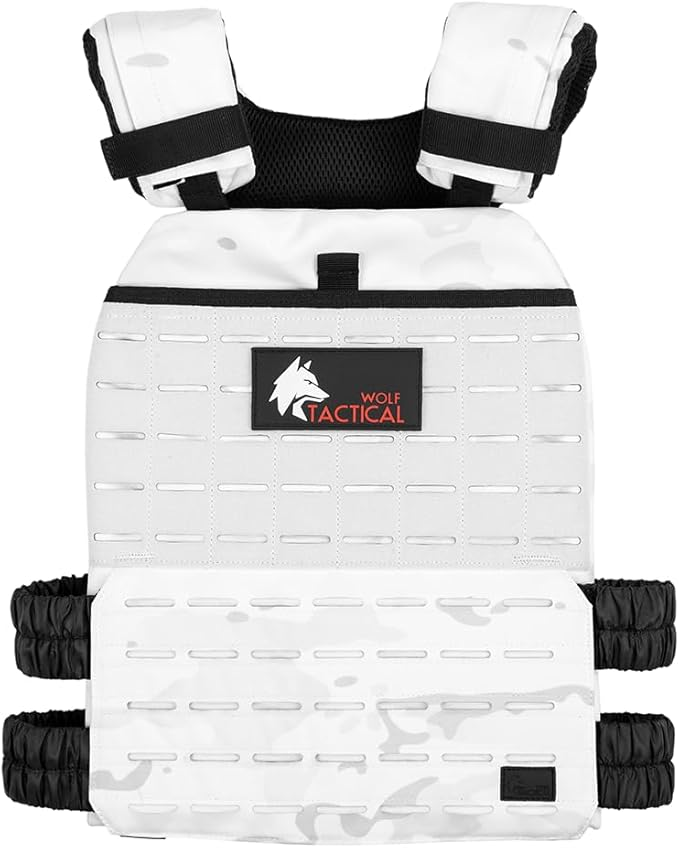
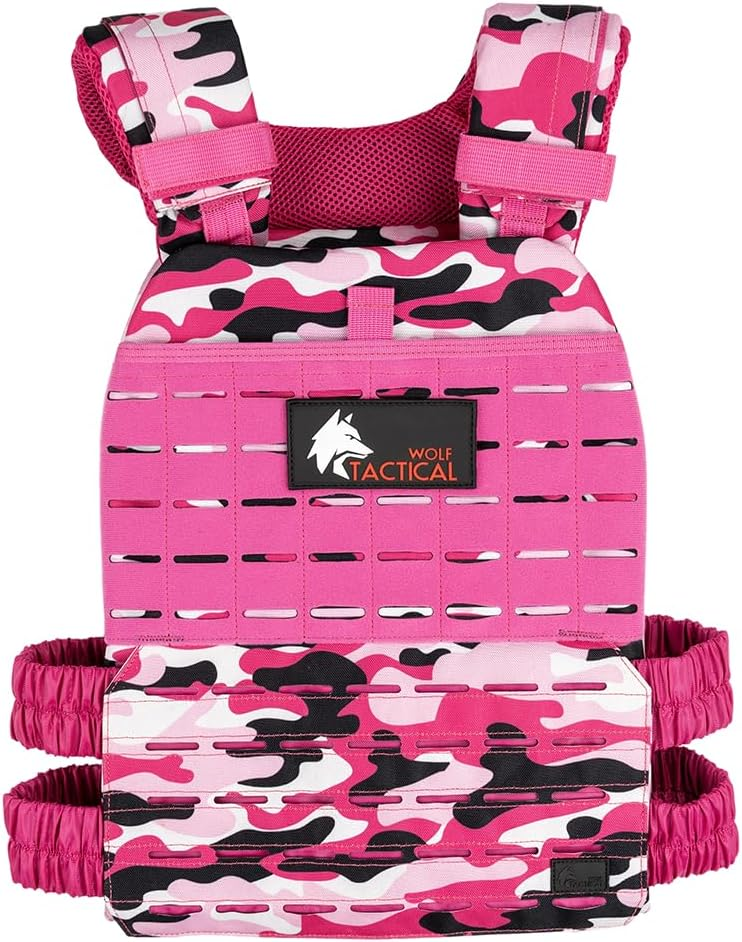
Check the Kensui EZ-VEST MAX V2 listing on Amazon. Verify the selected version, included sleeves and retention components. For a different loading system, compare the Wolf Tactical weighted vest plate carrier and its intended training inserts.
As an Amazon Associate I earn from qualifying purchases. Some gear links are affiliate links.
Reference: Read the source information. Specifications and availability can change; match the exact model to its current instructions.
Track loaded walks with the Rucking app
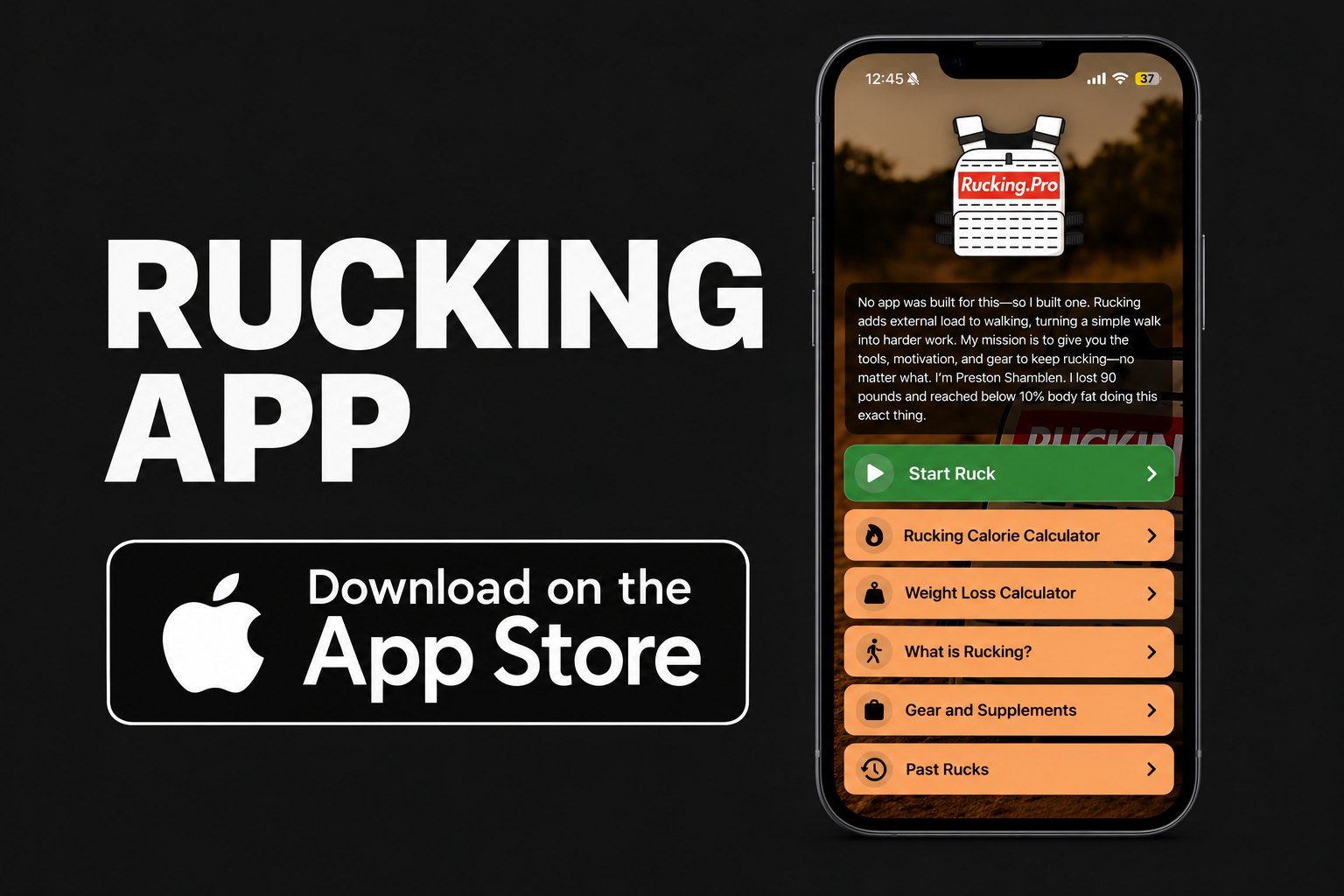
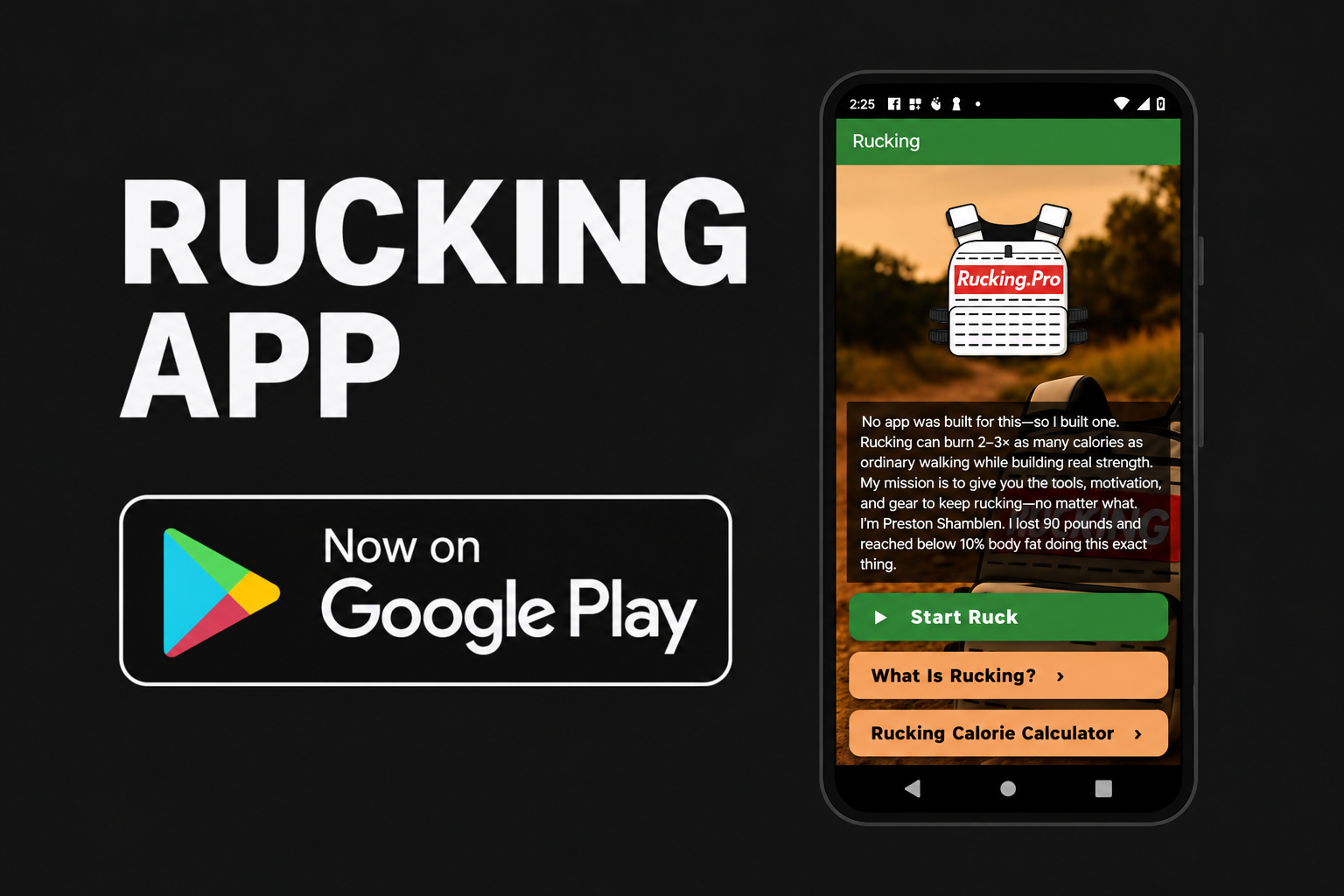
For the walking part of your routine, record total carried weight, route, distance, pace, and time. Compare similar sessions rather than judging progress only by a calorie number. The Rucking app is available for iPhone and Android.


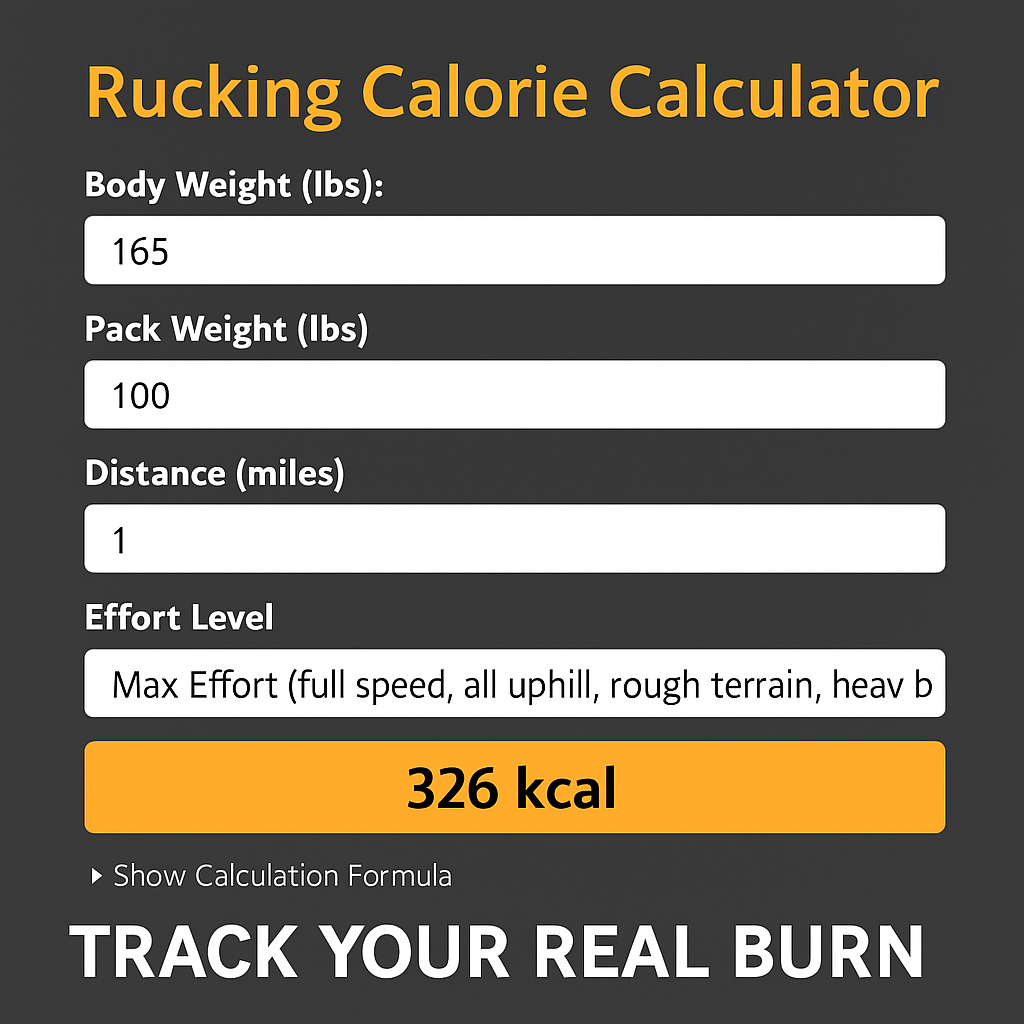
Plan a loaded walk with the Weighted Vest Calorie Calculator or Rucking Calorie Calculator. Use the Rucking Weight Loss Calculator to explore longer-term projections alongside your nutrition plan. These are estimates, not measured energy expenditure or promised weight loss. Walking estimates do not measure a lifting session, mixed WOD, running workout, or therapeutic effect.
Related guide: Calisthenics vest guide.