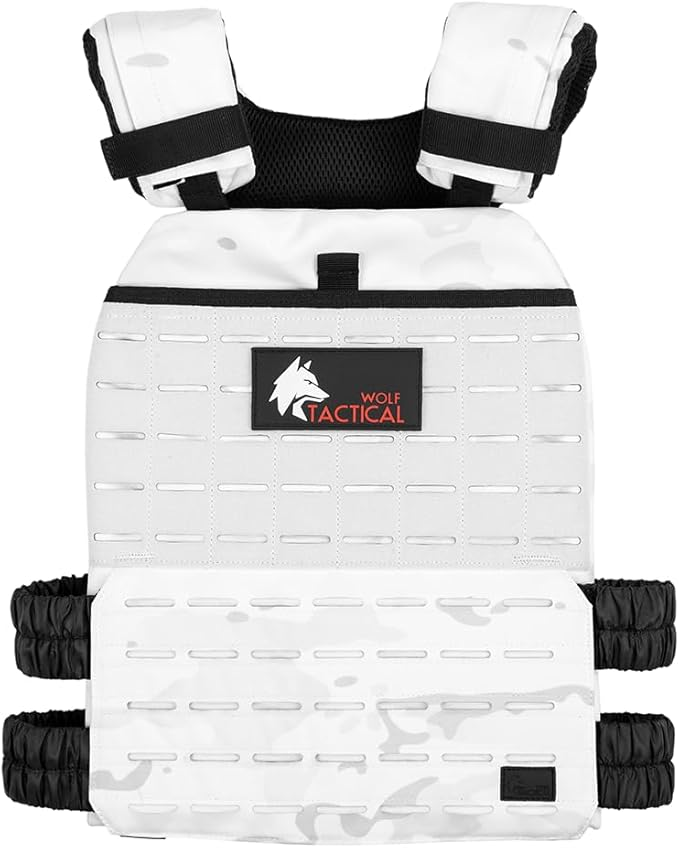
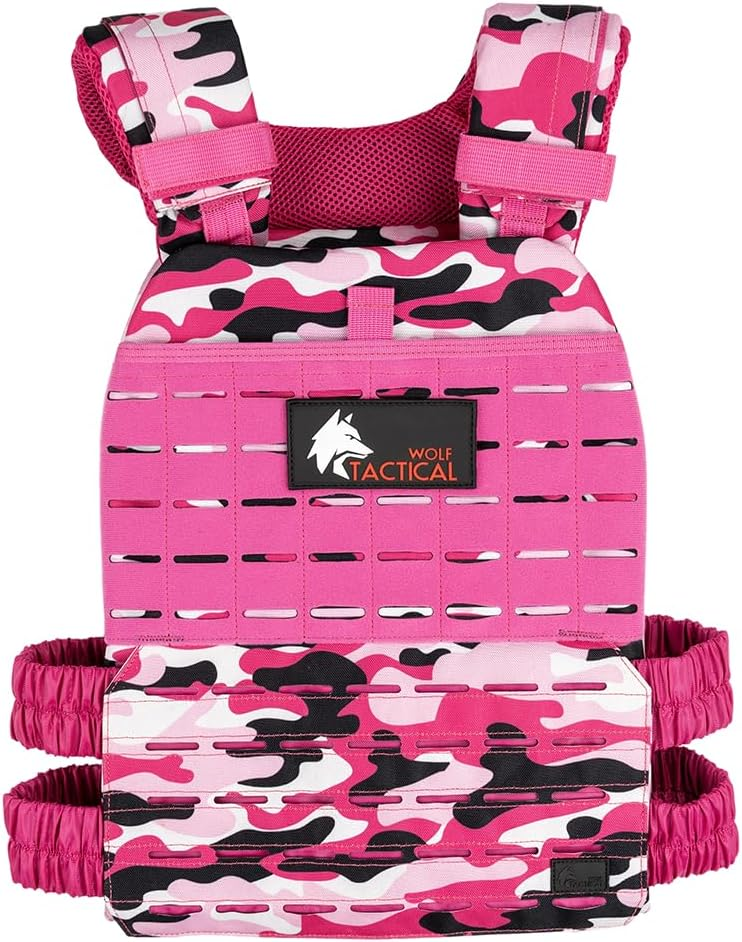
An adult sensory vest is a support tool that needs an individual assessment. It should not be presented as a guaranteed treatment for anxiety, attention, or sensory needs.
Choose a purpose before choosing a garment
An occupational therapist can help assess the person’s needs, the activity, and whether a weighted garment has a useful role. A fitness plate carrier is not an interchangeable sensory garment. Consider comfortable breathing, movement, temperature, communication, and easy removal. Set an observable goal and review whether the approach actually helps; stop if discomfort or distress occurs. Do not borrow a child’s protocol, a universal body-weight percentage, or a workout progression for therapeutic use. The adult walking resources below serve a separate activity.
- Start with an individual occupational-therapy assessment.
- Define an observable purpose and review the response.
- Stop for distress, discomfort, breathing problems, or overheating.
Choose support for the intended purpose
A sensory garment, compression garment, and resistance-training vest have different purposes. Compression applies pressure; added weights create external load. Product names can blur that distinction. Check the actual construction and intended use before selecting a garment.
For a sensory or clinical goal, discuss use with an occupational therapist or other appropriate clinician. Agree on the intended outcome, fit, monitoring, and when to stop. There is no universal body-weight percentage or wear-time rule that establishes suitability for every adult. A fitness product or calorie calculator cannot assess sensory benefit, and heavier resistance is not an automatic next step.
Reference: Read the source information. Interpret this reference in its stated population and purpose. Individual care and exercise decisions need an appropriate professional assessment.
The resources below are for a separate, appropriate adult walking routine. They do not prescribe sensory treatment, children’s exercise, bone-health care, sport skills, or loaded running.
Track loaded walks with the Rucking app
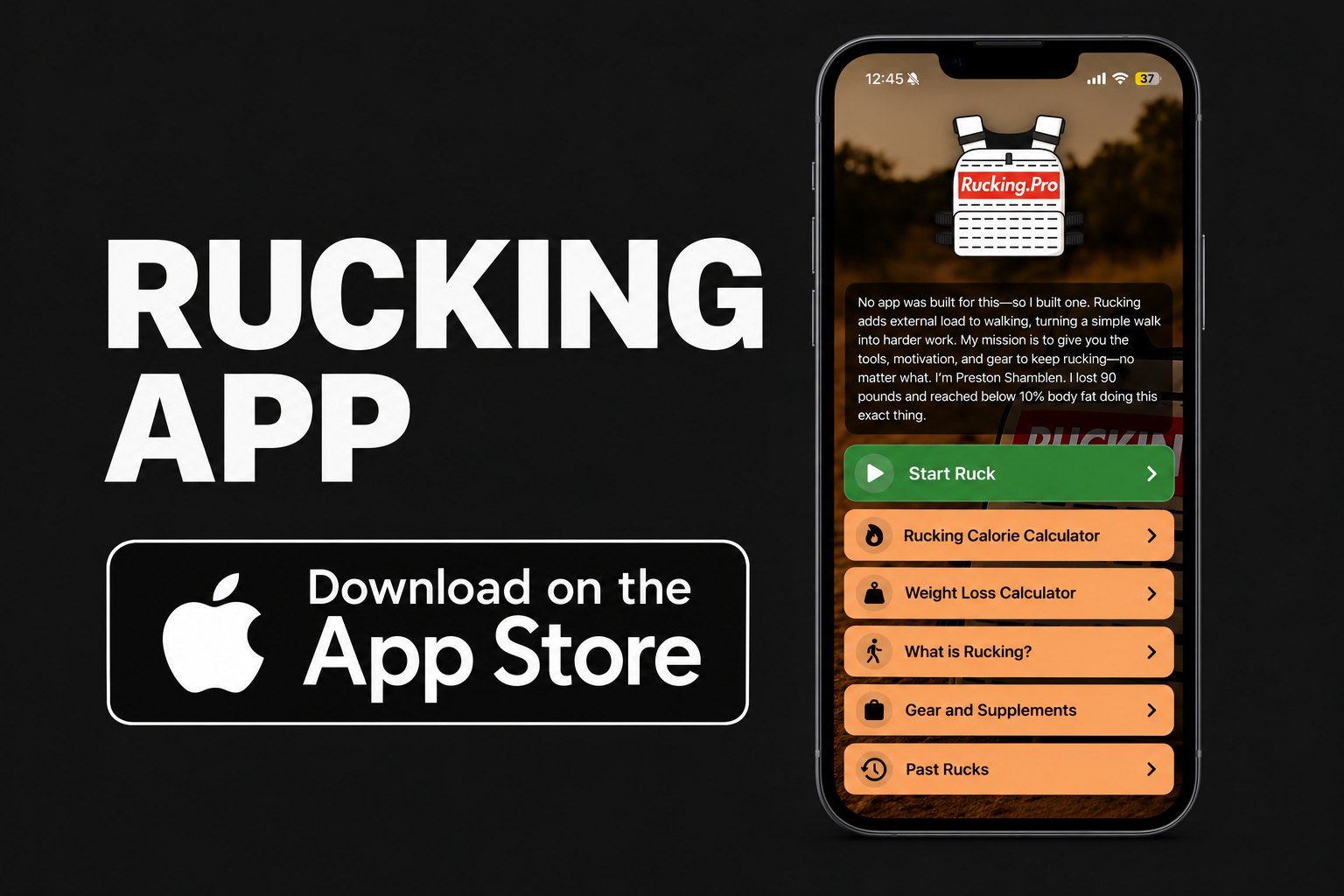
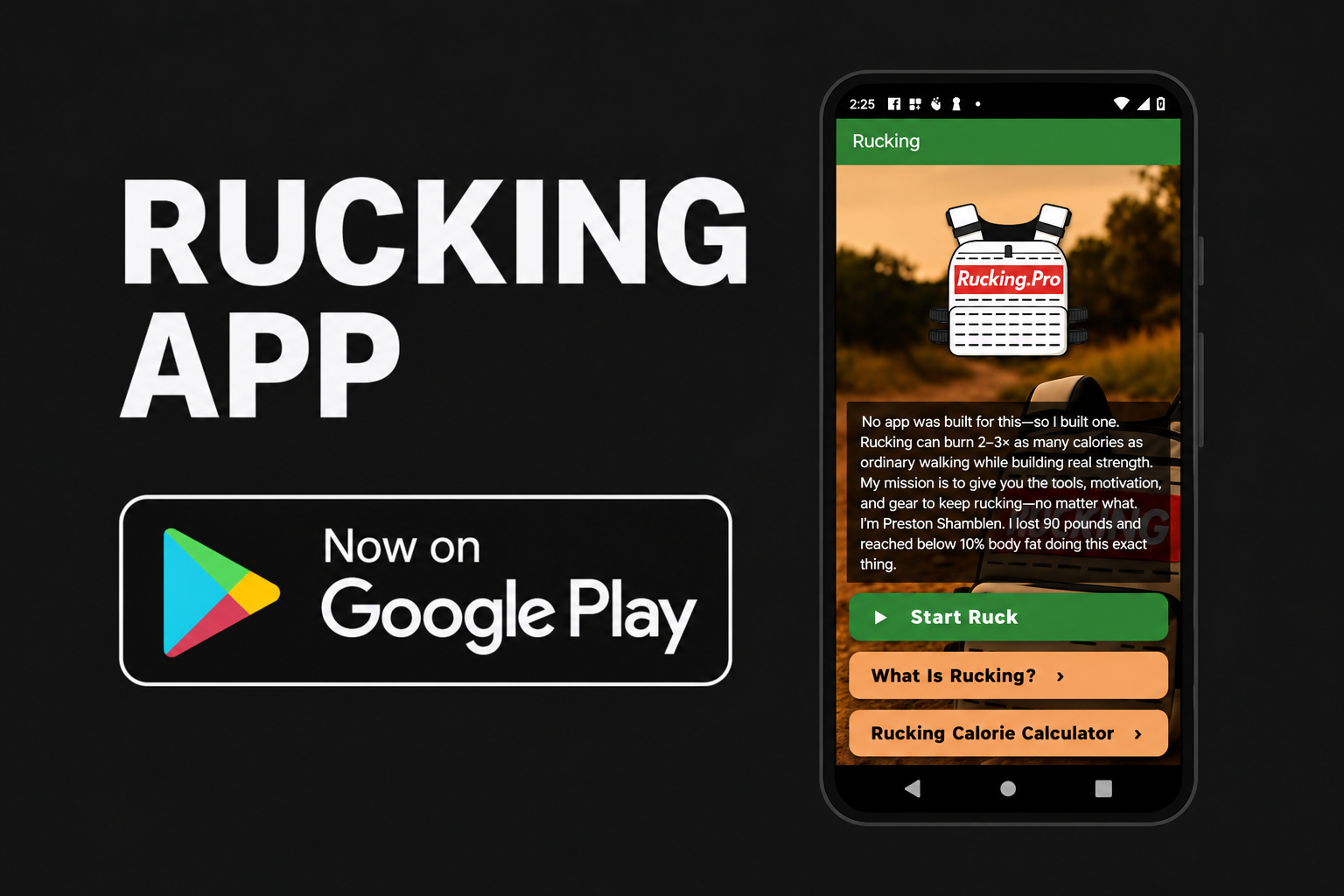
For the walking part of your routine, record total carried weight, route, distance, pace, and time. Compare similar sessions rather than judging progress only by a calorie number. The Rucking app is available for iPhone and Android.


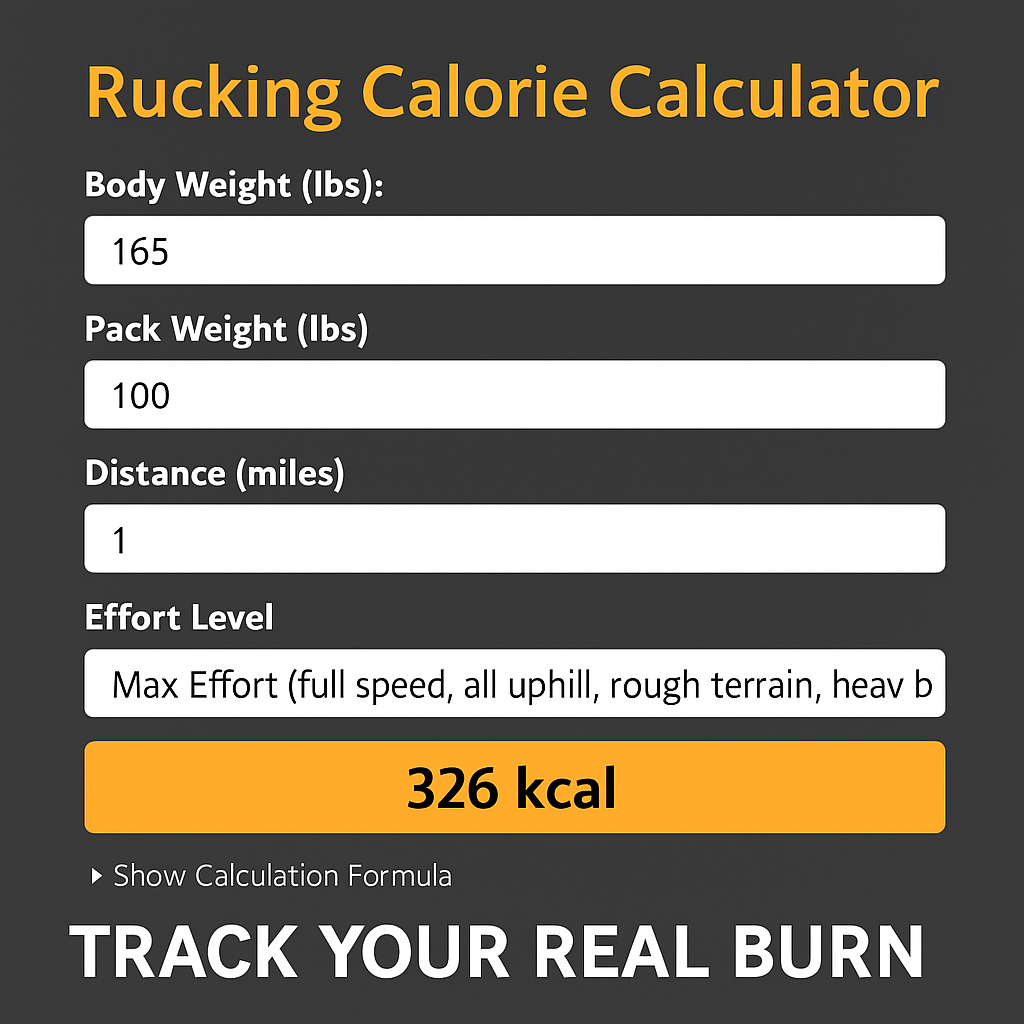
Plan a loaded walk with the Weighted Vest Calorie Calculator or Rucking Calorie Calculator. Use the Rucking Weight Loss Calculator to explore longer-term projections alongside your nutrition plan. These are estimates, not measured energy expenditure or promised weight loss. Walking estimates do not measure a lifting session, mixed WOD, running workout, or therapeutic effect.
Related guide: Weighted vest walking guide.