A water weight vest uses liquid as ballast when designed for that purpose. It should not automatically be treated as a hydration vest or drinking-water reservoir.
Confirm the intended liquid system
Check the manufacturer’s filling limit, fluid recommendation, closures, and care instructions. Unless the reservoir is explicitly designed for drinking water, carry separate hydration. Weigh the filled assembly; water volume alone omits the garment and any other components. Liquid can shift, so test balance and retention before a walk. Fill or empty the vest with it removed on a stable surface rather than changing ballast while moving. Check for leaks before storage and dry it according to its own instructions.
- Check breathing, arm swing, and hip clearance in your usual walking clothes.
- Test a short flat route with a manageable complete load.
- Use comfort and recovery to guide the next session.
Fit and a first loaded walk
Try the vest over your usual walking clothes. Breathe fully, swing your arms, sit down, and bend at the hips. Adjust the straps until the load stays secure without chest pressure. A padded shoulder strap can still become uncomfortable once loaded; a short test matters more than a comfort claim.
Establish comfortable unloaded walks first. Then test the lightest practical setup on a short, flat route near home. Keep the pace easy and check for rubbing, altered stride, or pressure points. Repeat a comfortable session before extending it. Change time, terrain, or load separately and leave room for unloaded days. Reduce or remove the load if discomfort or recovery worsens.
If you have back, neck, joint, or balance problems, discuss added-load exercise with a clinician before starting. Harvard Health explains the cautions around wearable weights.
Compare gear by loading system
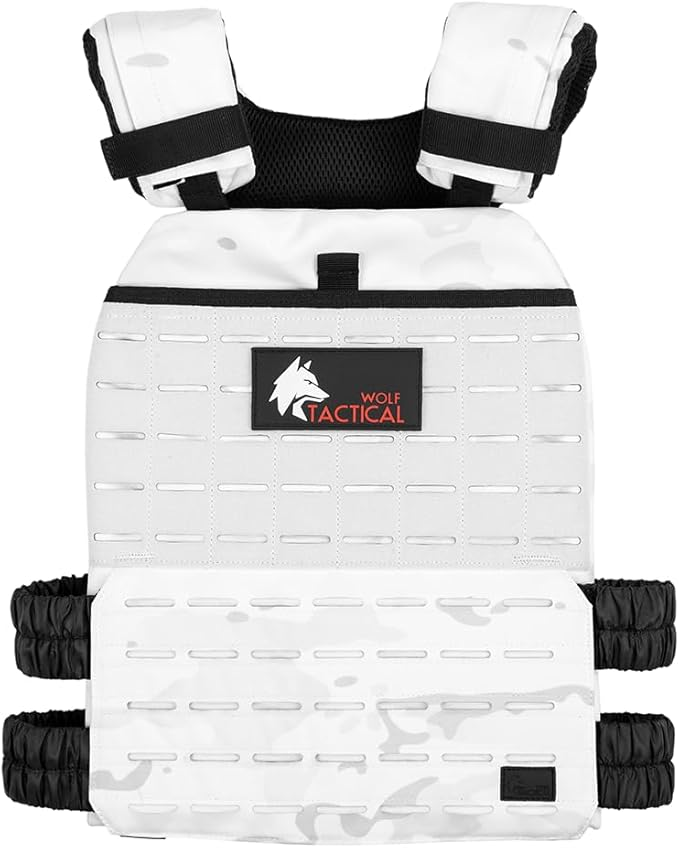
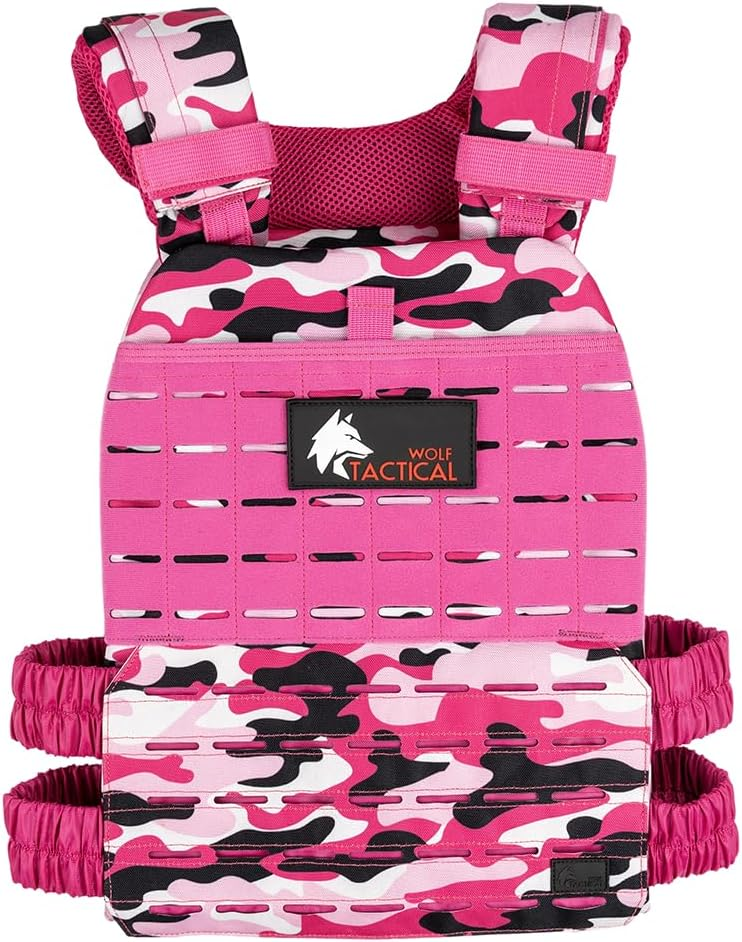
For front-and-back plate loading, compare the Wolf Tactical weighted vest plate carrier and its compatible training-plate options. Verify exact model, selected pair weight, and what is included rather than assuming every bundle is identical.
As an Amazon Associate I earn from qualifying purchases. Some gear links are affiliate links.
Track loaded walks with the Rucking app
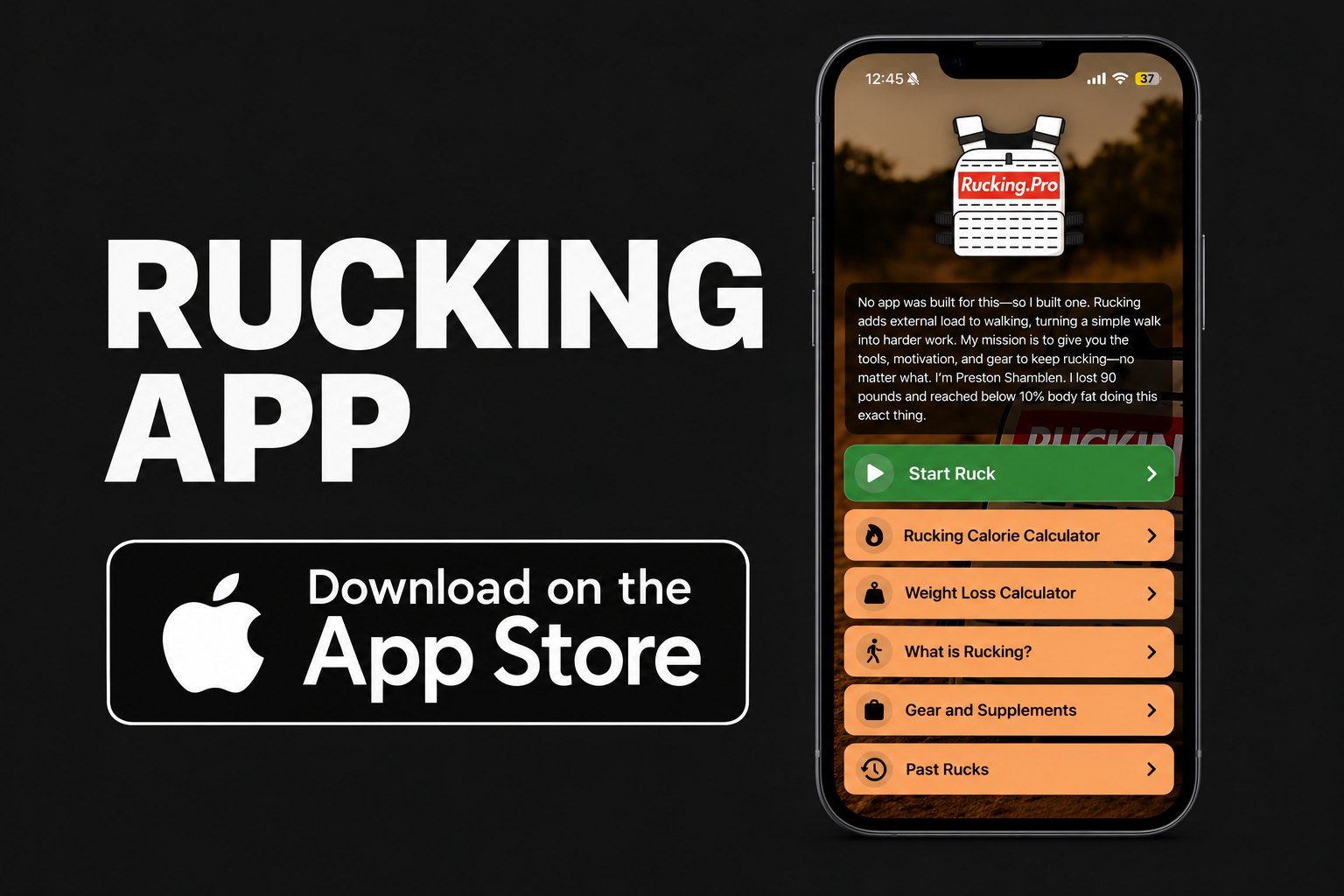
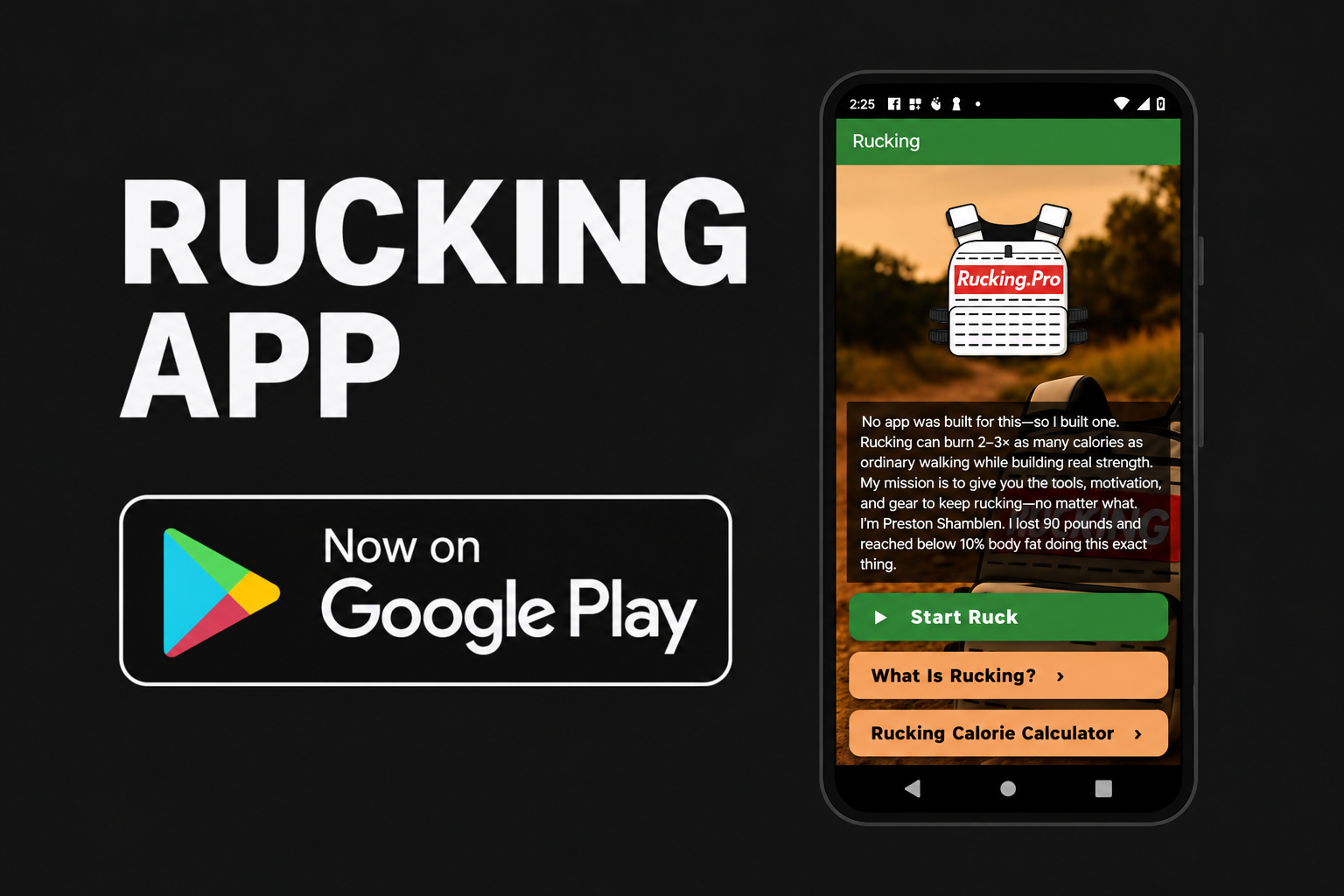
For the walking part of your routine, record total carried weight, route, distance, pace, and time. Compare similar sessions rather than judging progress only by a calorie number. The Rucking app is available for iPhone and Android.


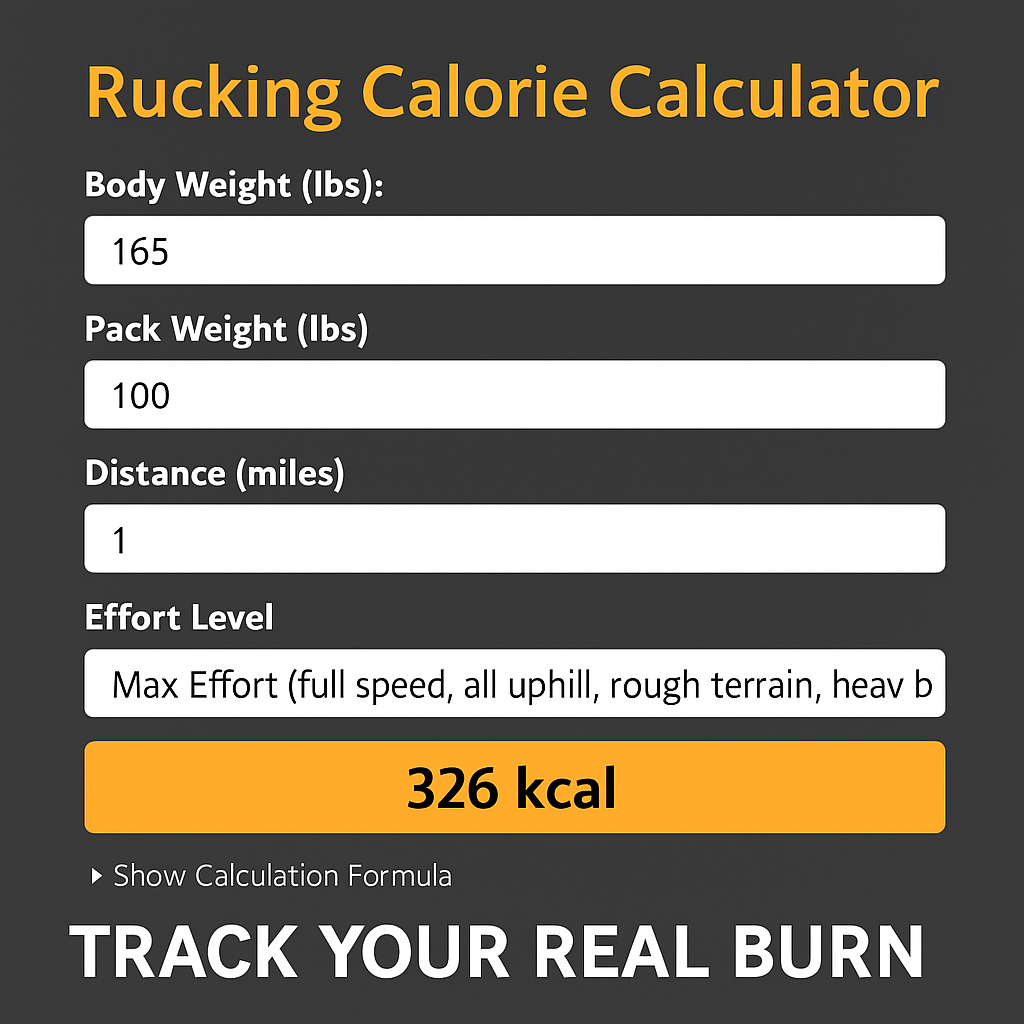
Plan a loaded walk with the Weighted Vest Calorie Calculator or Rucking Calorie Calculator. Use the Rucking Weight Loss Calculator to explore longer-term projections alongside your nutrition plan. These are estimates, not measured energy expenditure or promised weight loss. Walking estimates do not measure a lifting session, mixed WOD, running workout, or therapeutic effect.
Related guide: Weighted vest walking guide.