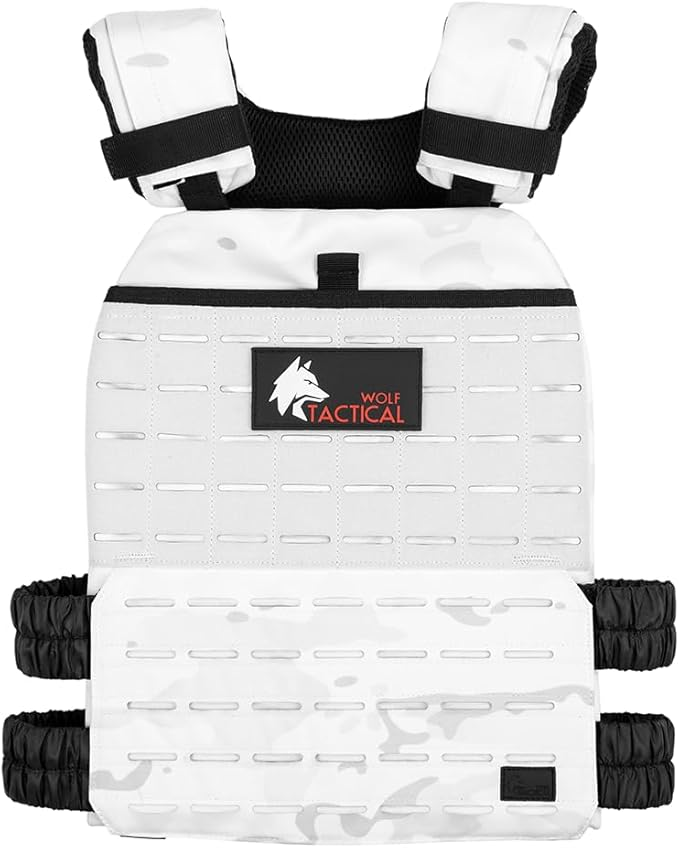
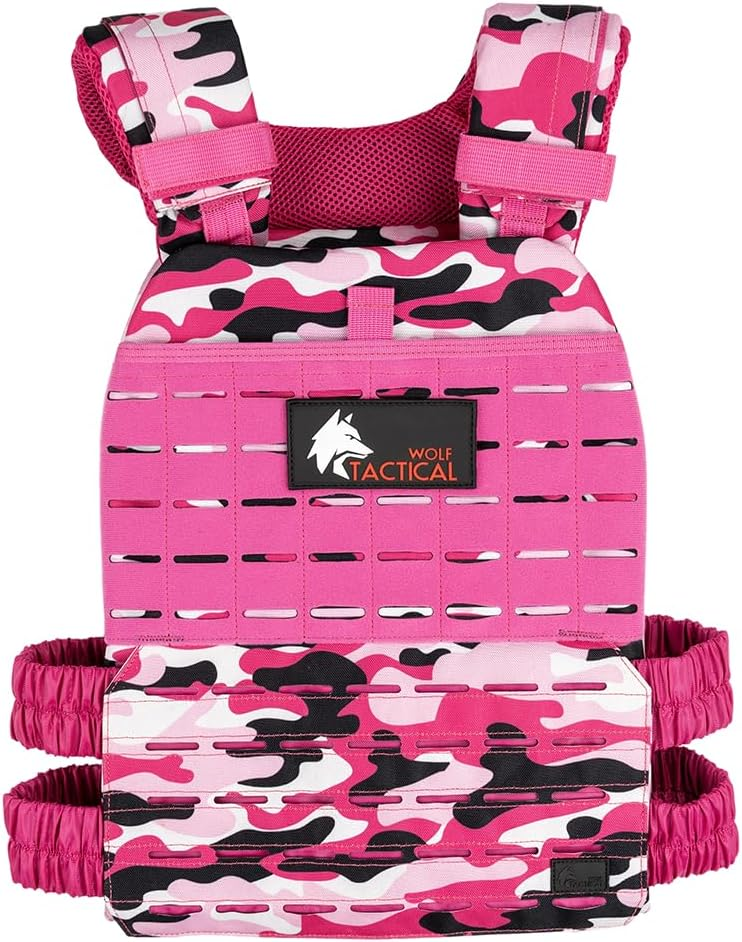
A weighted vest adds mechanical load, but it is not a proven osteoporosis treatment or a guarantee of higher bone density. Bone-health decisions need your fracture risk and clinical plan.
What the research can and cannot establish
The 2025 INVEST randomized trial studied older adults with obesity during intentional weight loss. After 12 months, weighted vest use did not prevent weight-loss-associated bone loss at the hip. That finding applies to the studied population and intervention; it does not settle every possible vest program. It does rule out presenting hip-bone protection during weight loss as an established benefit. Ask your clinician or physical therapist about appropriate exercise, balance work, and fracture precautions before adding torso load.
- Discuss fracture history, fall risk, and exercise choice with your clinician.
- Do not treat vest use as a substitute for indicated bone-health care.
- Evaluate clinical outcomes separately from walking calorie estimates.
Discuss an exercise plan, not a promised bone-density result
Ask your clinician how bone density, previous fractures, fall risk, back symptoms, and current treatment affect exercise selection. A physical therapist can assess resistance and balance work appropriate to that history. Do not add weighted sprints, stairs, or a fixed percentage of body weight solely because an article describes bone remodeling.
If a clinician includes vest walking in your plan, establish the load, session limits, and monitoring together. A comfortable fit and repeatable movement matter. Keep recommended treatment and follow-up in place; changing a calorie estimate does not measure a bone-health outcome.
Reference: Read the source information. Interpret this reference in its stated population and purpose. Individual care and exercise decisions need an appropriate professional assessment.
The resources below are for a separate, appropriate adult walking routine. They do not prescribe sensory treatment, children’s exercise, bone-health care, sport skills, or loaded running.
Track loaded walks with the Rucking app
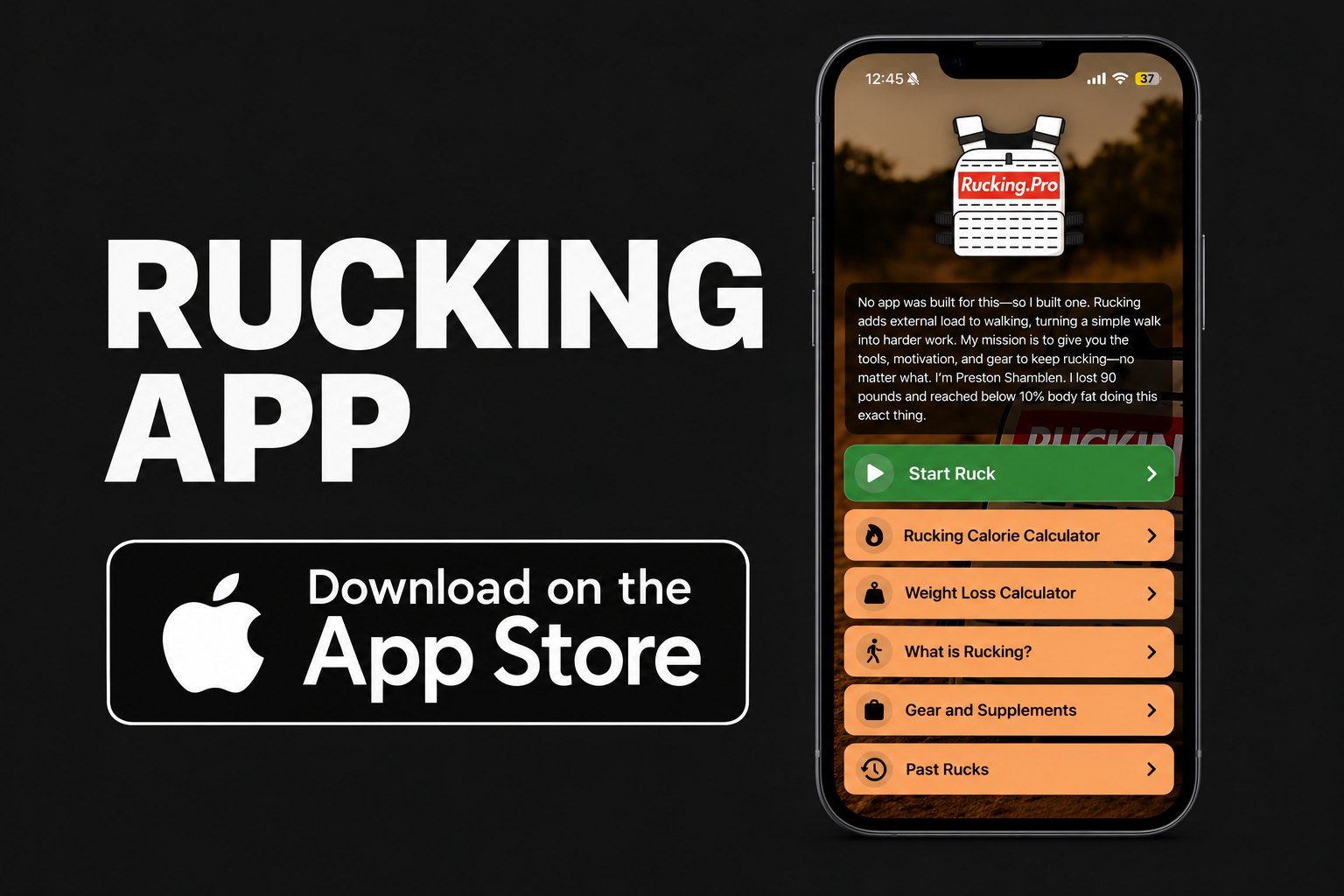
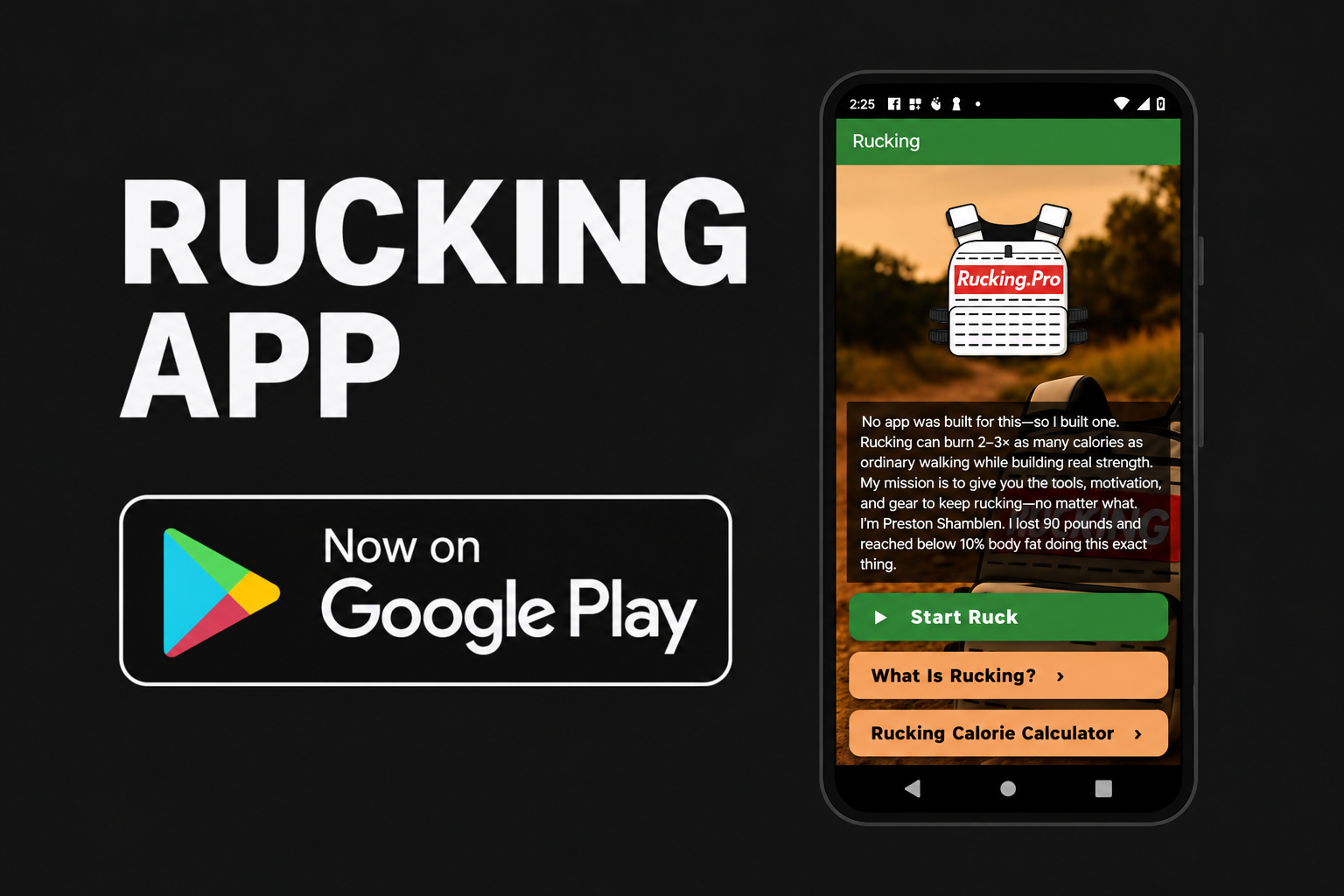
For the walking part of your routine, record total carried weight, route, distance, pace, and time. Compare similar sessions rather than judging progress only by a calorie number. The Rucking app is available for iPhone and Android.


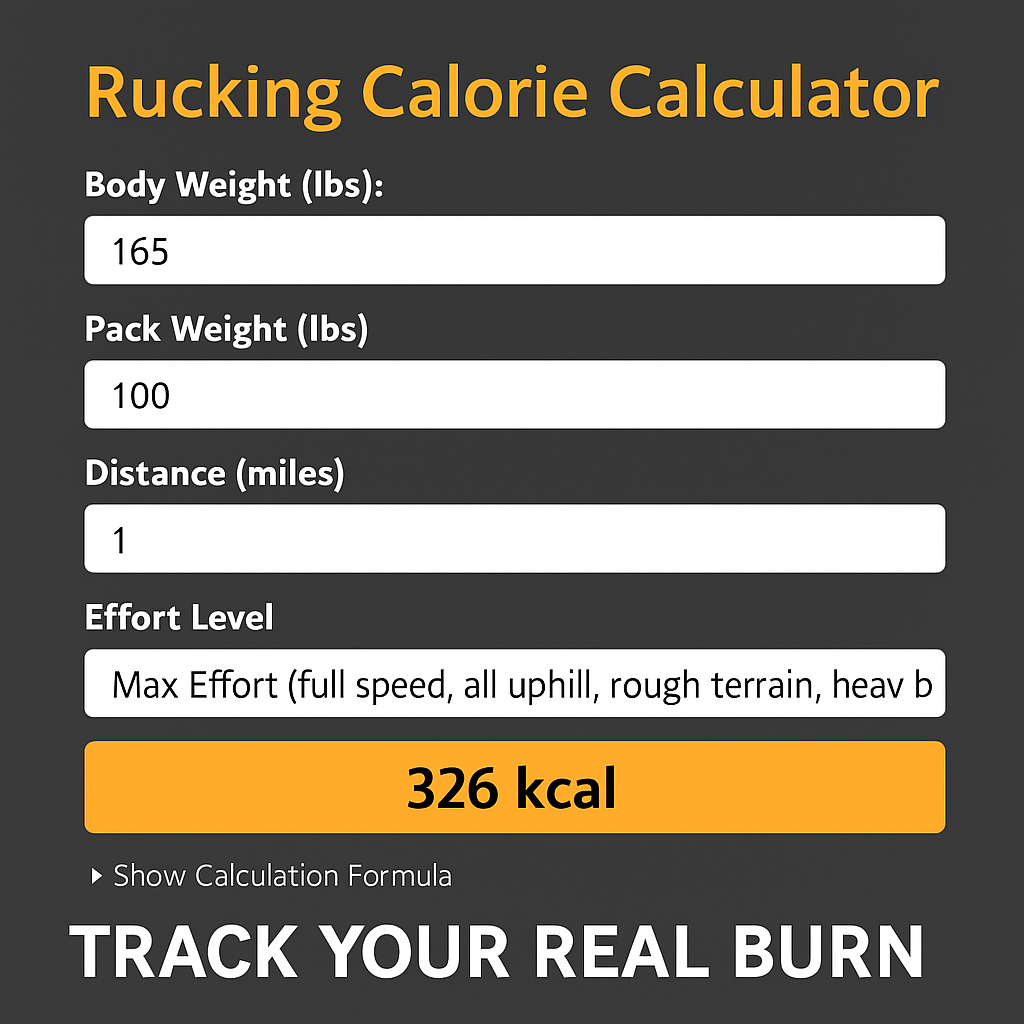
Plan a loaded walk with the Weighted Vest Calorie Calculator or Rucking Calorie Calculator. Use the Rucking Weight Loss Calculator to explore longer-term projections alongside your nutrition plan. These are estimates, not measured energy expenditure or promised weight loss. Walking estimates do not measure a lifting session, mixed WOD, running workout, or therapeutic effect.
Related guide: Weighted vest walking guide.