A 100 pound vest is a substantial load, not a routine milestone for weighted walking. Equipment rated for that weight may still be useful at much lighter settings.
Assess handling before exercise
Before any loaded movement, consider how you will lift, put on, and remove the vest. A failed repetition or loss of balance can become harder to manage with large torso loads. Check the model’s permitted weights and retention system; a rating does not authorize improvised stacks. There is no fixed six-week plan that prepares every trainee for 100 lb. A strength coach can help choose a different resistance method when vest bulk, breathing, balance, or plate clearance limits the exercise.
- Confirm the exact model and complete load before using it.
- Test the fit and intended movement with a manageable setup.
- Record the session and recovery before changing resistance.

Capacity is different from a working load
A high maximum rating tells you what the equipment is designed to hold. It does not tell you that carrying that load is appropriate, or that a previous lighter session prepares you for it. A fully loaded vest can make putting it on, removing it, balancing, and breathing harder before the exercise even begins.
Select resistance for the specific movement and your established training history. Work with a qualified coach for unusually heavy loading. Keep a clear way to remove the vest and avoid training alone where losing balance or failing a repetition could trap you. There is no universal weekly schedule that safely brings everyone to the headline weight. A lighter setup can still provide useful training.
If you have back, neck, joint, or balance problems, discuss added-load exercise with a clinician before starting. Harvard Health explains the cautions around wearable weights.
Compare gear by loading system
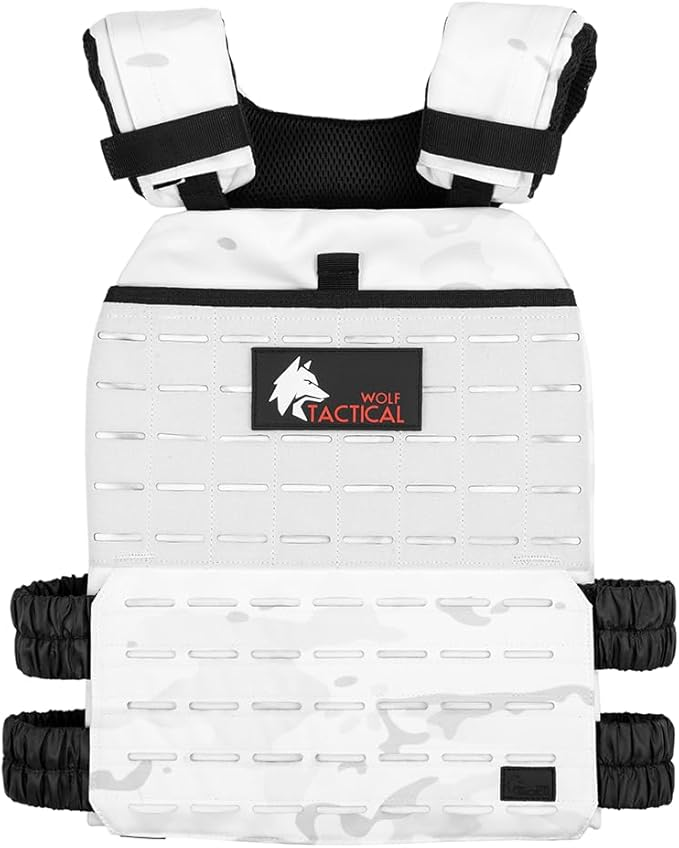
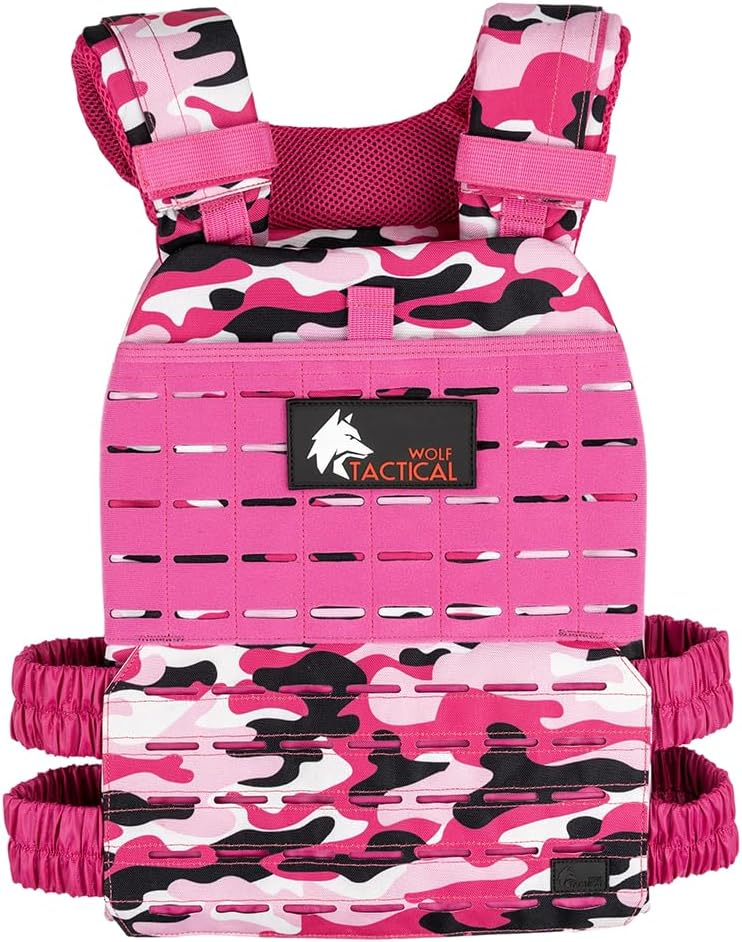
Check the Kensui EZ-VEST MAX V2 listing on Amazon. Verify the selected version, included sleeves and retention components. For a different loading system, compare the Wolf Tactical weighted vest plate carrier and its intended training inserts.
As an Amazon Associate I earn from qualifying purchases. Some gear links are affiliate links.
Reference: Read the source information. Specifications and availability can change; match the exact model to its current instructions.
Track loaded walks with the Rucking app
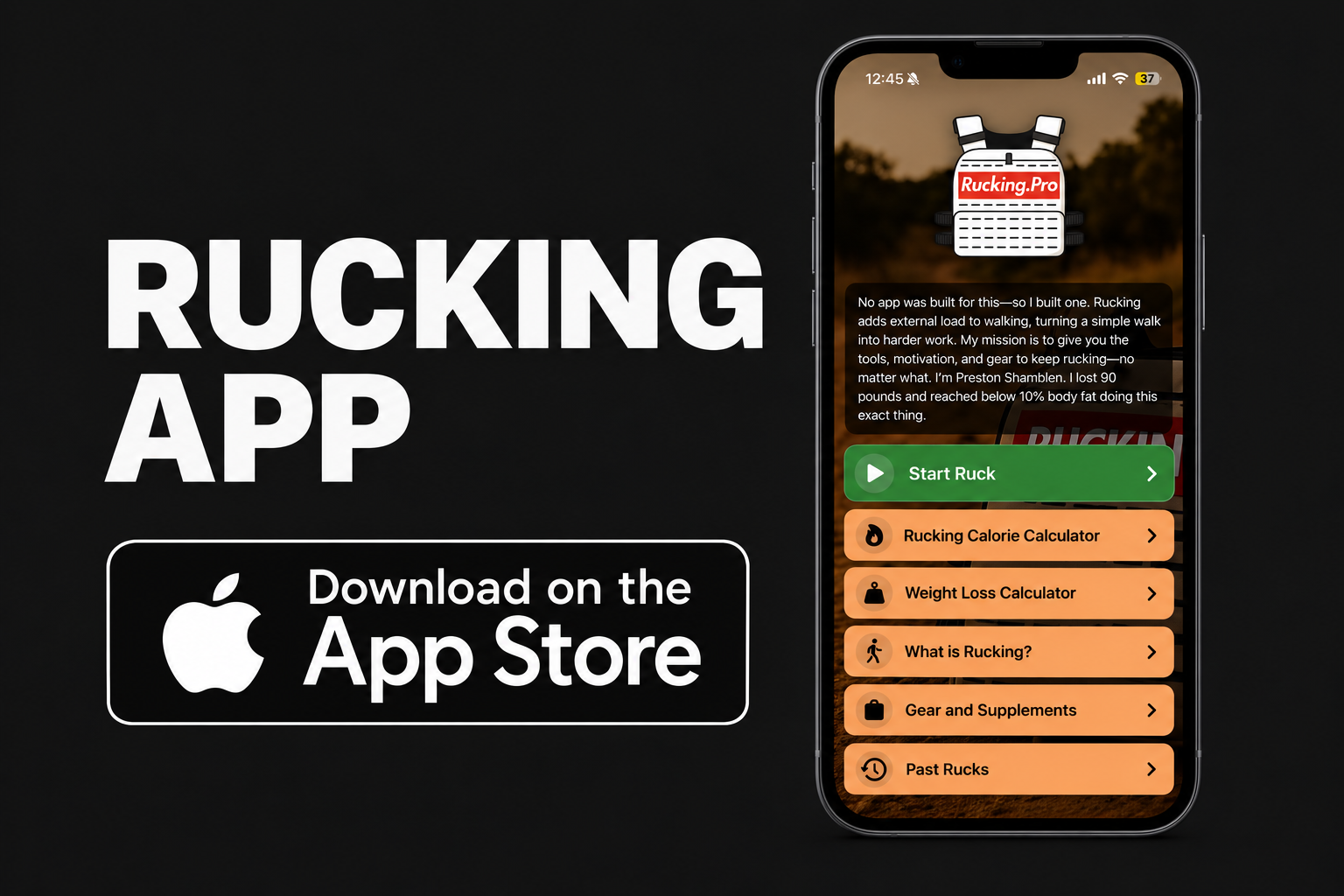
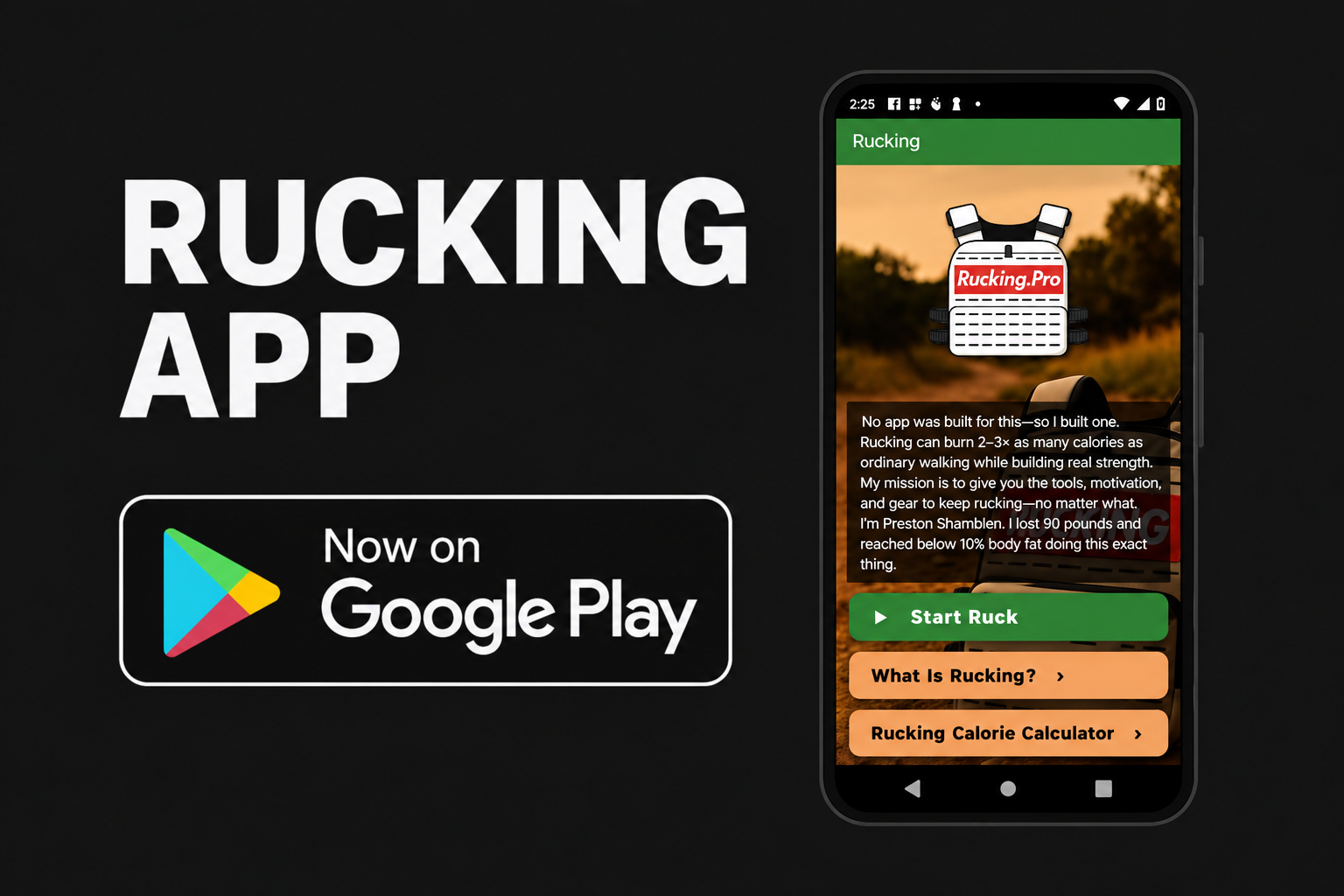
For the walking part of your routine, record total carried weight, route, distance, pace, and time. Compare similar sessions rather than judging progress only by a calorie number. The Rucking app is available for iPhone and Android.


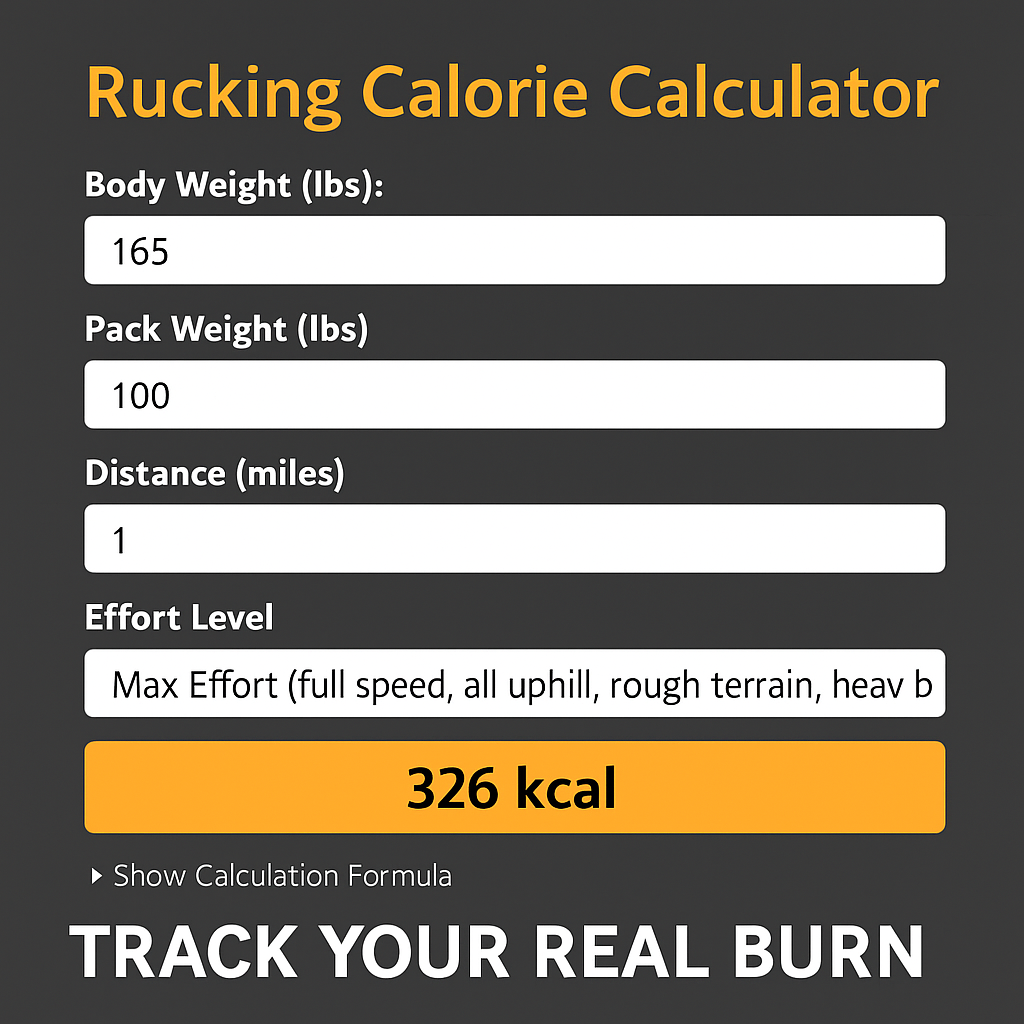
Plan a loaded walk with the Weighted Vest Calorie Calculator or Rucking Calorie Calculator. Use the Rucking Weight Loss Calculator to explore longer-term projections alongside your nutrition plan. These are estimates, not measured energy expenditure or promised weight loss. Walking estimates do not measure a lifting session, mixed WOD, running workout, or therapeutic effect.
Related guide: Calisthenics vest guide.