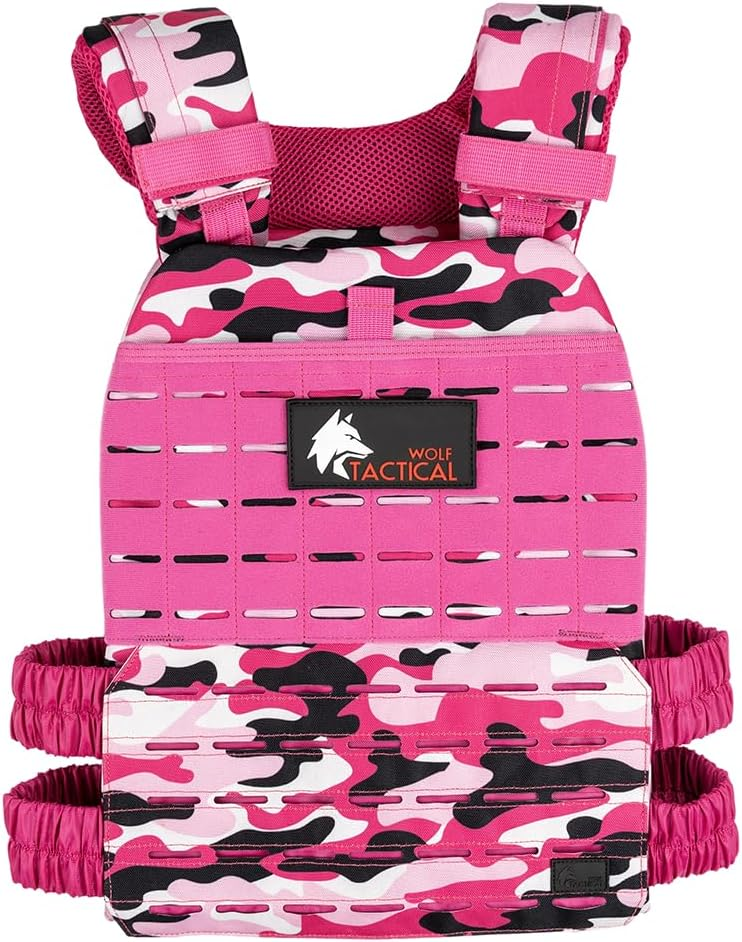
A vest for working out adds torso resistance to selected exercises. Choose a design that clears the movement and lets you use a manageable working load.
Set one purpose for the first session
For a strength session, assess a familiar controlled movement with a light setting and leave repetitions in reserve. For conditioning, use a separate short walk to check fit. Large external plates need different clearance from a two-insert carrier or small-weight garment. Test putting on and removing the setup before exercise. Track actual load and recovery instead of assuming the same resistance suits push-ups, squats, walking, and running. Technical skills may be better practiced unloaded.
- Check the intended exercise unloaded before adding resistance.
- Confirm weight retention and floor or equipment clearance.
- Record quality repetitions and recovery at the working load.

Use resistance without losing the exercise
Start with an exercise you already perform well without a vest. Add a light, secure setup and repeat a small set to check range of motion and plate clearance. Keep repetitions controlled and stop before technique deteriorates. Longer rests are useful when the goal is quality strength work.
Track exercise, load, sets, and repetitions. Build repeatable quality at one load before making a small increase; the vest’s capacity does not dictate a training target. Check that plates cannot contact the floor, bench, bar, or your chin. Remove the vest for skills, jumps, or movements where the equipment interferes. A walking calorie estimate does not measure the energy cost of these sets.
If you have back, neck, joint, or balance problems, discuss added-load exercise with a clinician before starting. Harvard Health explains the cautions around wearable weights.
Compare gear by loading system
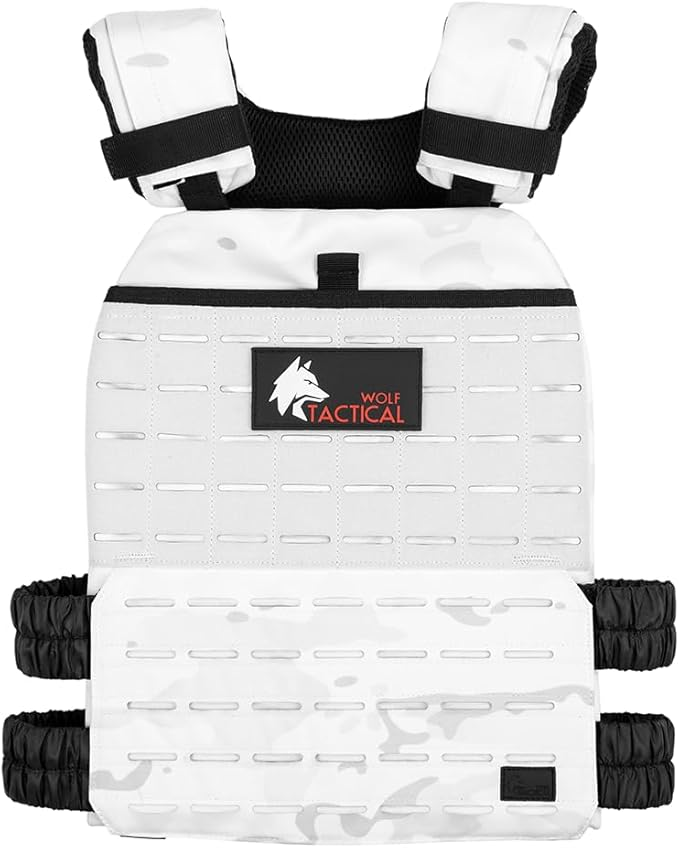
Check the Kensui EZ-VEST MAX V2 listing on Amazon. Verify the selected version, included sleeves and retention components. For a different loading system, compare the Wolf Tactical weighted vest plate carrier and its intended training inserts.
As an Amazon Associate I earn from qualifying purchases. Some gear links are affiliate links.
Reference: Read the source information. Specifications and availability can change; match the exact model to its current instructions.
Track loaded walks with the Rucking app
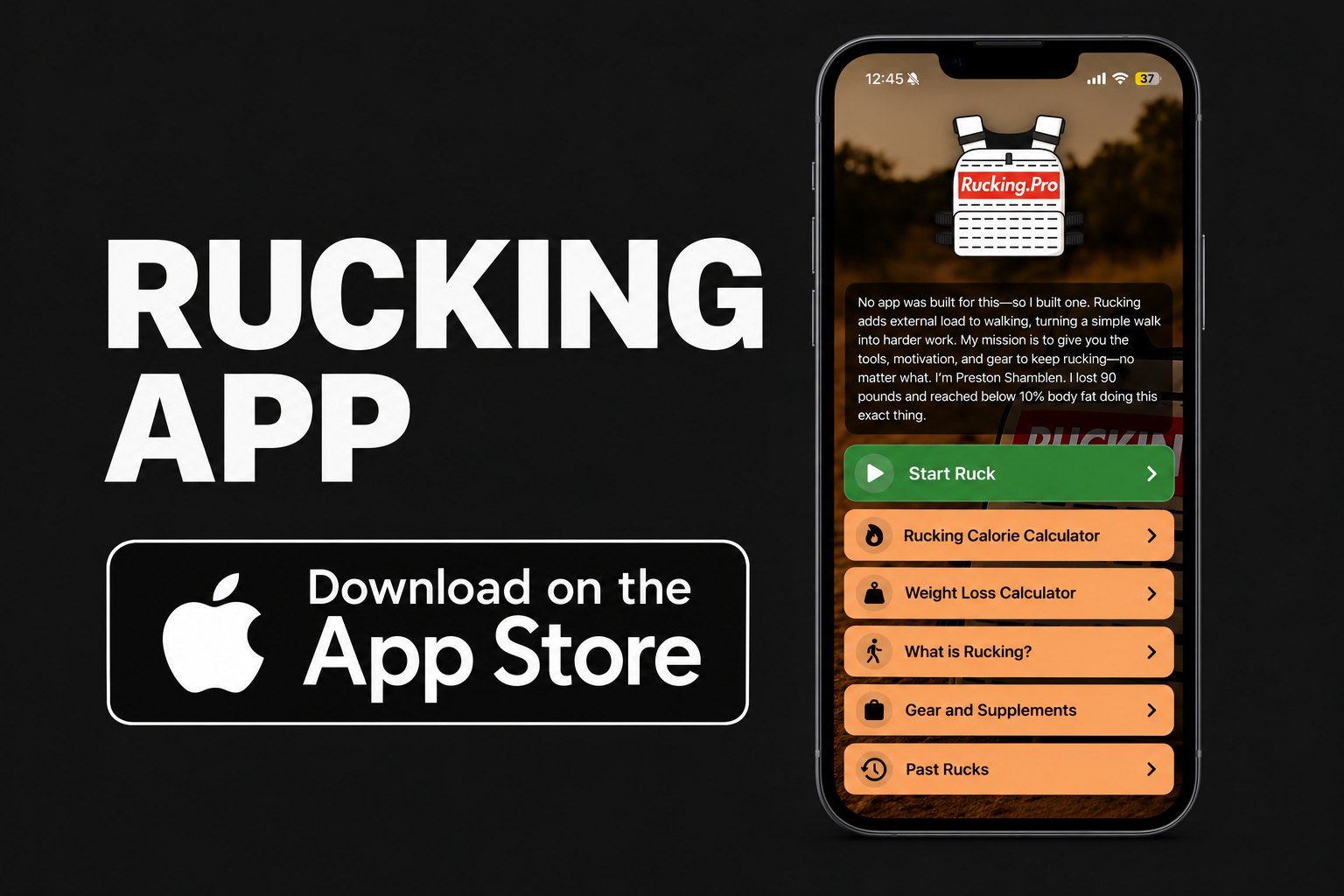
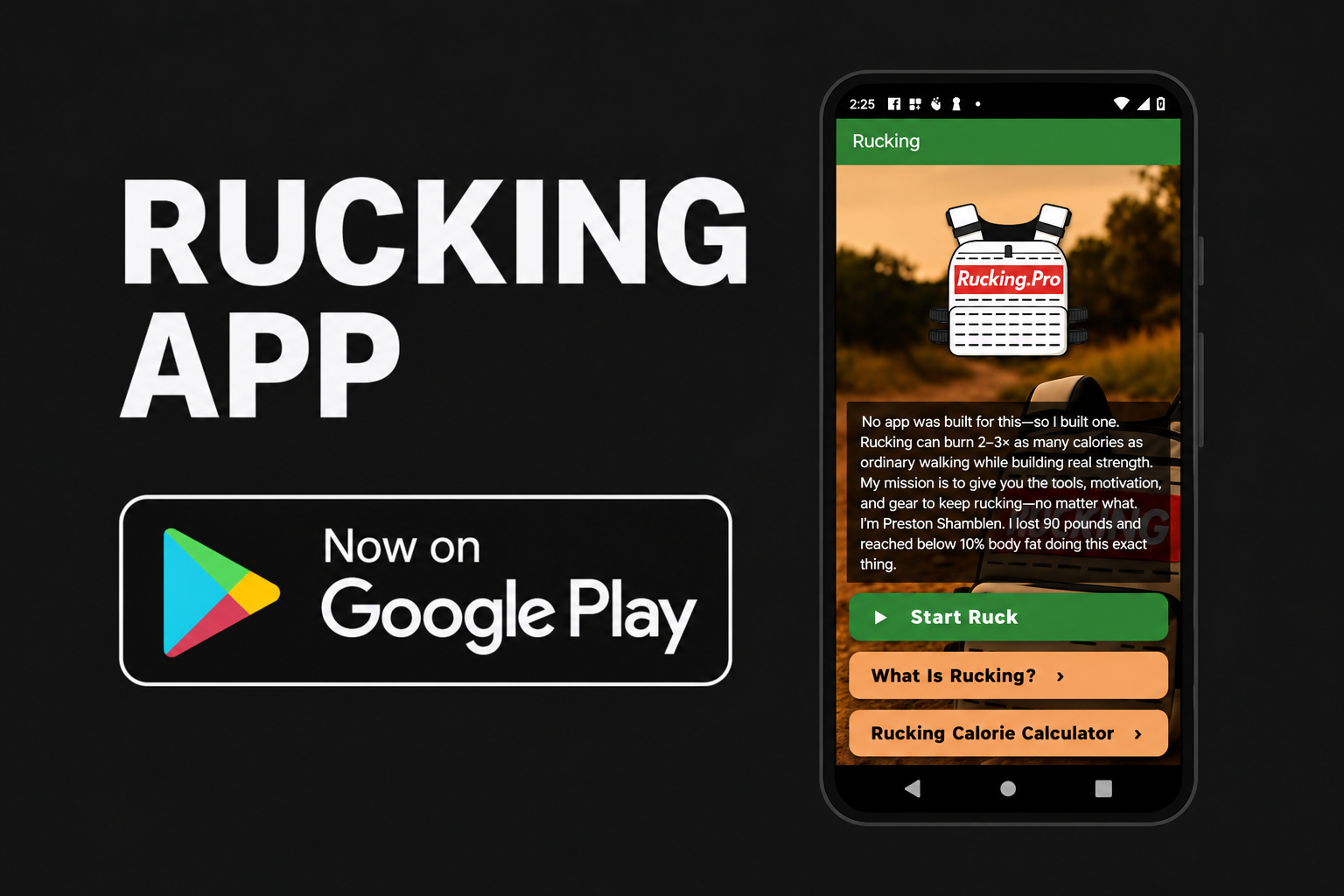
For the walking part of your routine, record total carried weight, route, distance, pace, and time. Compare similar sessions rather than judging progress only by a calorie number. The Rucking app is available for iPhone and Android.


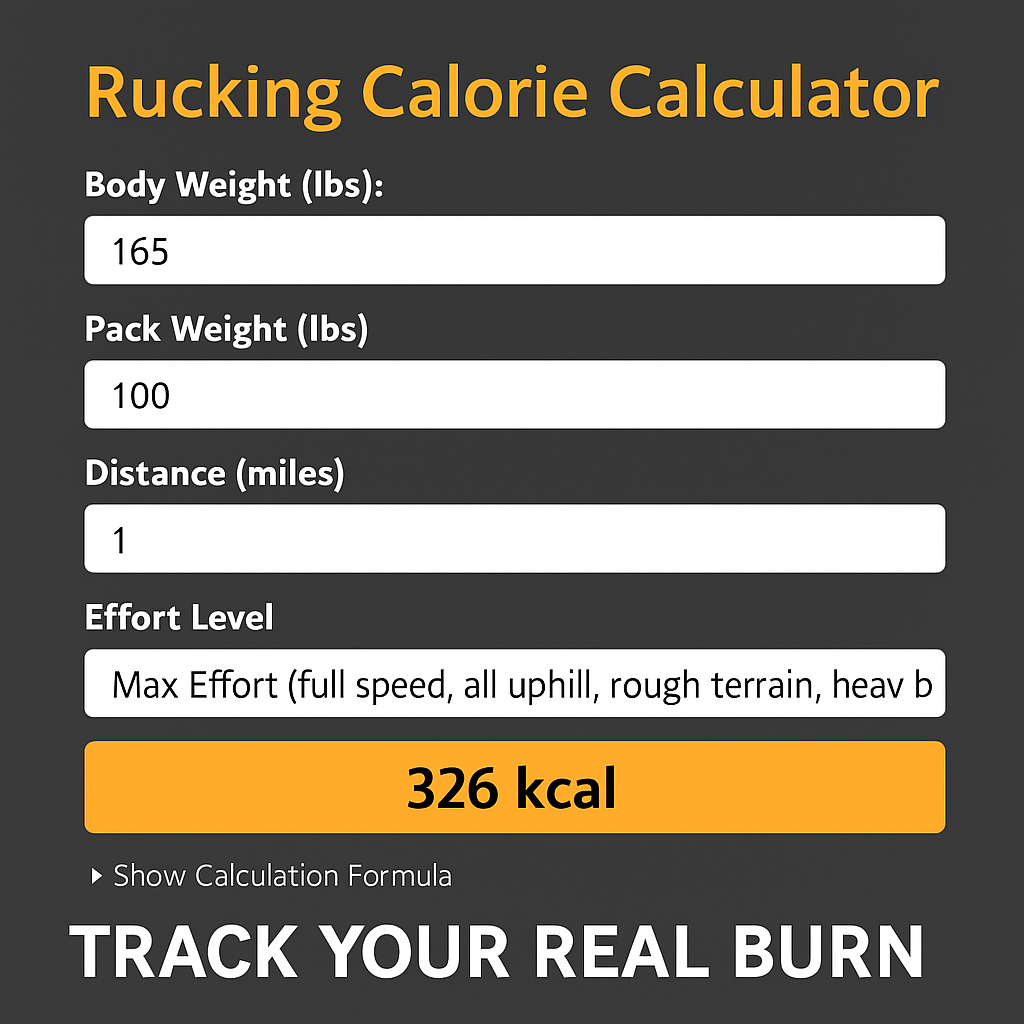
Plan a loaded walk with the Weighted Vest Calorie Calculator or Rucking Calorie Calculator. Use the Rucking Weight Loss Calculator to explore longer-term projections alongside your nutrition plan. These are estimates, not measured energy expenditure or promised weight loss. Walking estimates do not measure a lifting session, mixed WOD, running workout, or therapeutic effect.
Related guide: Calisthenics vest guide.