Academy weighted vest basics
If you bought an Academy weighted vest or are shopping for one, details matter: fit, weight distribution, and how you use it determine whether the vest helps performance or creates pain. This guide walks through practical sizing, progressive loading, and rucking-ready adaptations so your vest becomes a consistent calorie-burn tool, not an afterthought.
Fit and comfort first
A properly fitting vest sits high on the chest and low on the sternum, not riding up or pinching shoulders. Start with these checks:
- Straps snug but not restrictive — you should breathe easily during a brisk walk.
- Weight centered over the sternum and mid-back to avoid shear on the hips.
- Test mobility: raise your arms, squat, and walk. No hot-spots after 10 minutes.
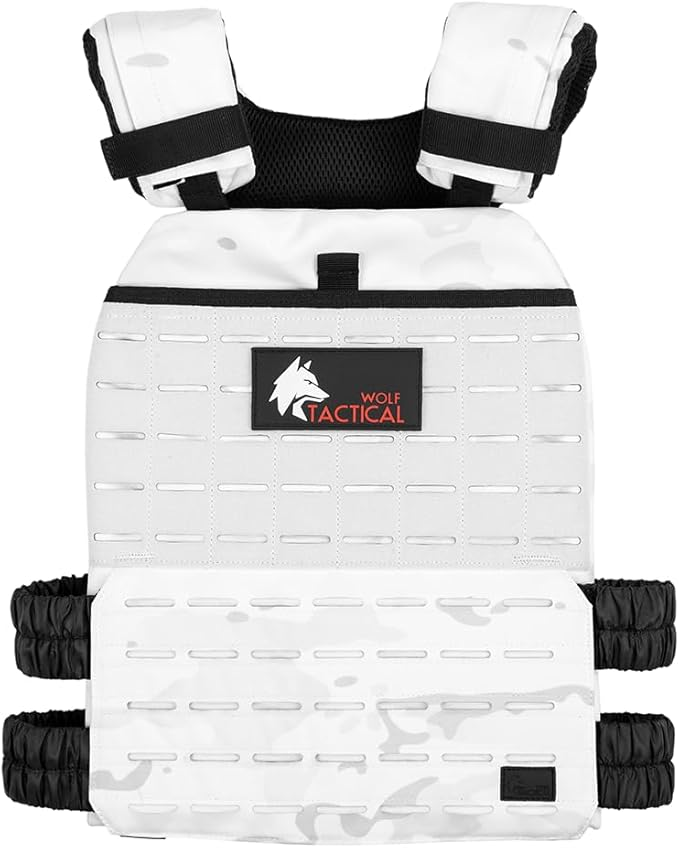
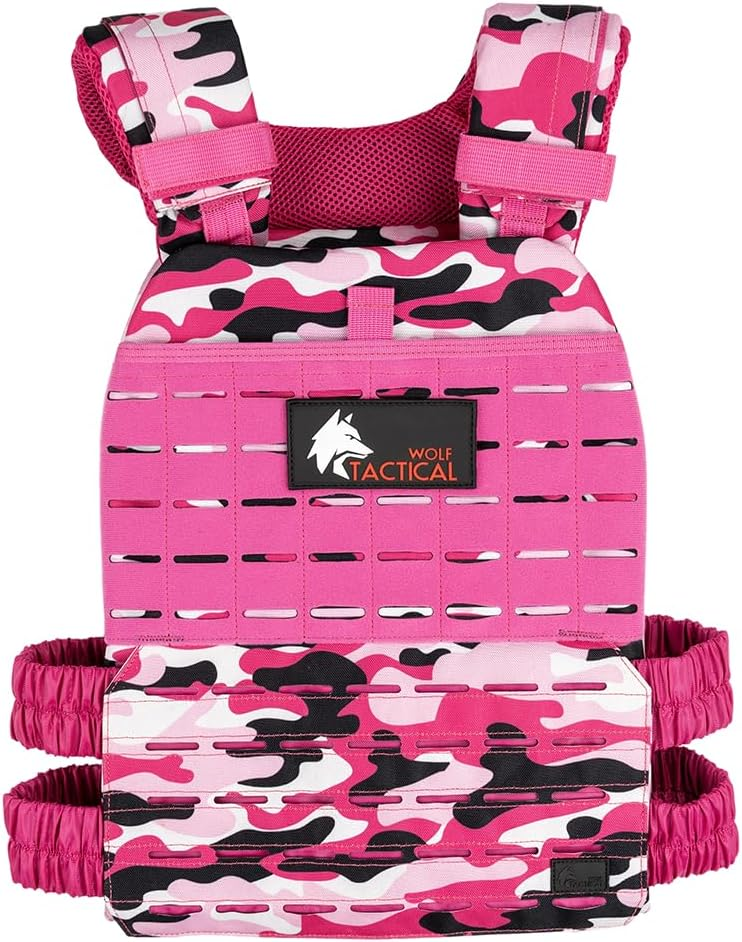
For many people, beginner-friendly vests like the WOLF TACTICAL Simple Weighted Vest are easier to tune for comfort than cheap one-size models. If you prefer a performance trainer vest with more load capacity for calisthenics, the 5.11 TacTec Trainer Weight Vest is a good step up.


Progression: start light, add weight logically
Begin with 5–10% of bodyweight for walking and 5–8% for dynamic movement. Increase weight by 2–5% every 1–2 weeks if you can maintain form and recover between sessions. Typical progressions look like:
- Week 1–2: bodyweight + 5% for 20–30 minute walks
- Week 3–4: add 2–3% and extend duration or intensity
- After 6–8 weeks: build to steady-state loads you can use for both rucks and conditioning
Using an Academy weighted vest for rucking and training
Academy-brand vests often mirror common designs: modular pockets, soft-shell materials, and moderate load capacity. Use them for:
- Daily brisk walks to increase calorie burn without extra gym time.
- Intervals or hill repeats—keep weight lower and focus on cadence.
- Strength circuits—shorter sets, controlled range of motion, heavier loads only when form is perfect.
Always pair weighted vest work with mobility and posterior chain strength. Faulty movement under load amplifies risk; a short daily hip hinge and scapular control routine prevents issues.
Calculator: estimate calorie burn
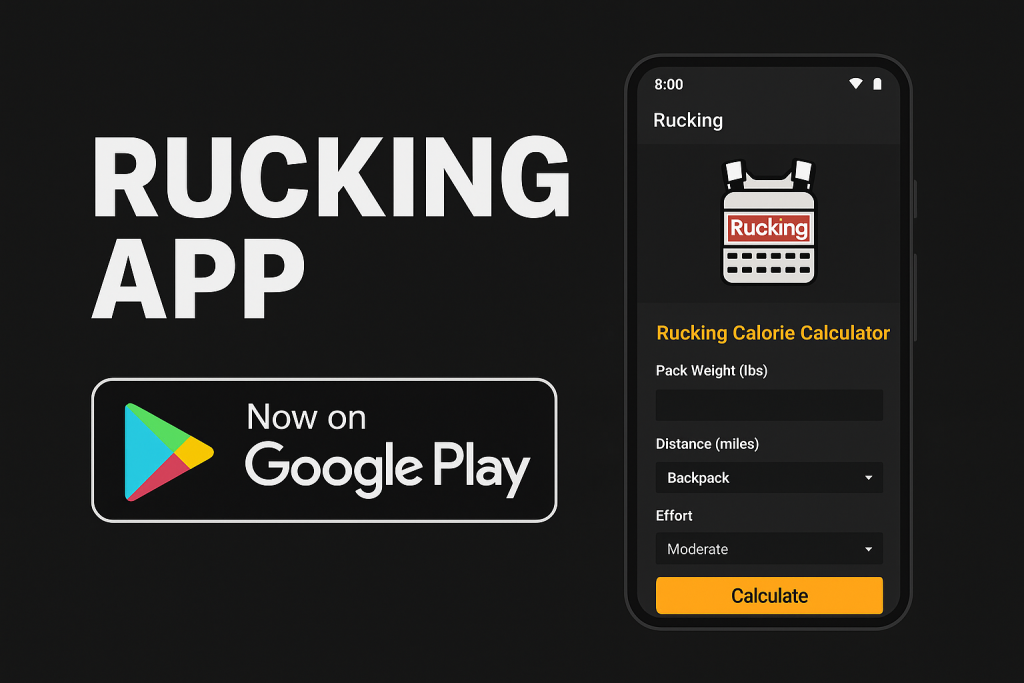
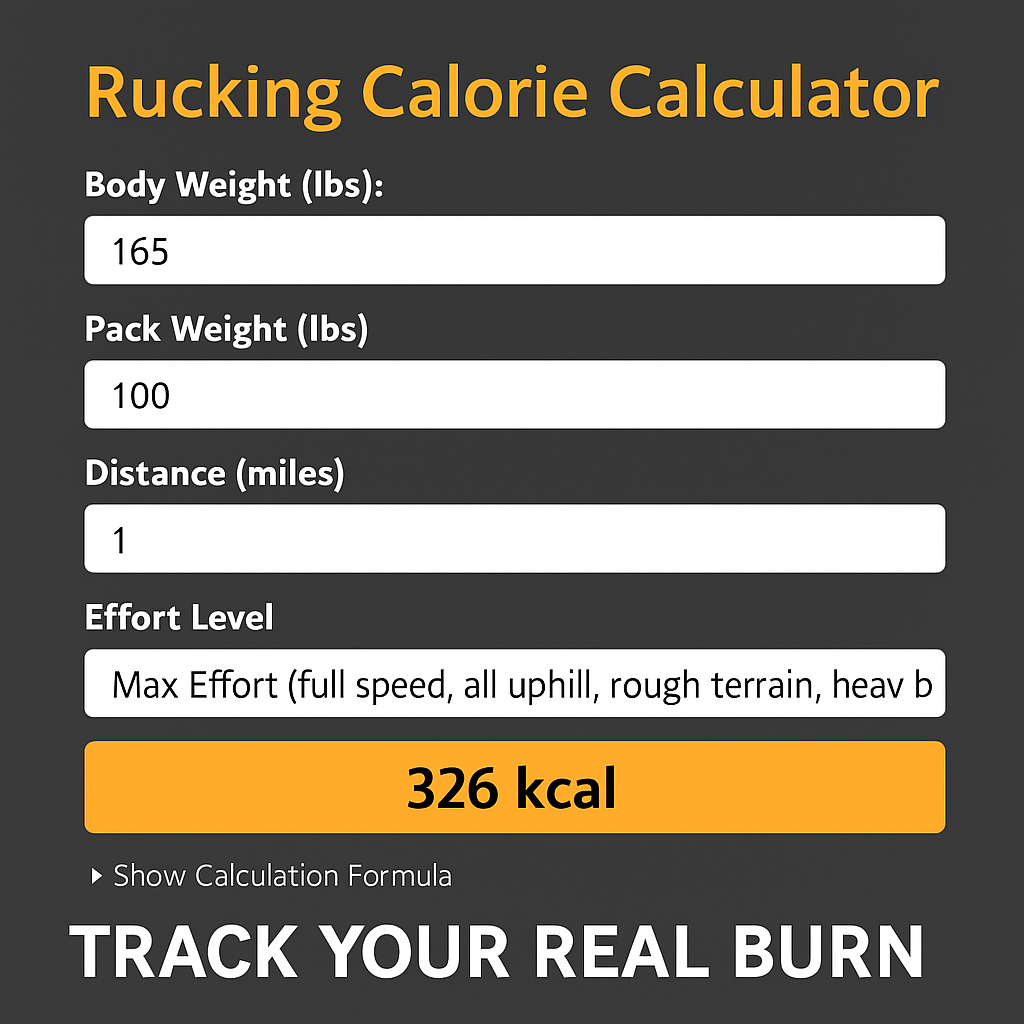
Want an evidence-driven estimate of how many calories an Academy weighted vest adds to your walk or ruck? Use the weighted-vest calculator below to model different weights, paces, and durations. It’s the fastest way to plan progressive overload and dietary adjustments.

Real-world advice from a coach
As someone who coaches outdoor training and uses weighted vests in real programs, I recommend conservative progression and frequent load checks. Preston Shamblen lost 90 lbs through rucking, weighted-vest work, and disciplined nutrition, and he still recommends weighted vests as one of the most reliable ways to maintain lower body weight and burn fat consistently. Treat the vest like training gear: it should support stronger movement, not replace it.
Bottom line: an Academy weighted vest can be a durable, affordable tool for boosting calorie burn and improving conditioning when chosen for fit and used with progression. Start light, tune fit, and use the calculator above to set realistic expectations.