Why choose an adjustable weighted vest for running?
Adding load to running is a controlled way to increase calorie burn, strengthen postural muscles, and improve economy when you drop the weight back to bodyweight. An adjustable weighted vest lets you progress safely—small, repeatable increments—while keeping the load distributed close to your center of mass. That makes it friendlier to running form than awkward backpacks or uneven packs.
Key benefits
- Progressive overload without complex gear.
- Minimal swing or shift if the vest fits well.
- Can be used for intervals, tempo work, or long easy runs.
Fit and form: what matters most
For running, fit trumps everything. An adjustable weighted vest should sit snug across the chest and upper back and not ride up or flop around during your stride. Look for vests with low-profile, evenly spaced weight pockets and a solid buckle or velcro closure system that keeps the load stable.
Start light—5% of bodyweight is a practical entry point for experienced runners; if you’re new to loaded running, begin with 2–3% and prioritize gait checks. Watch for excessive forward lean, shortened stride, or hip-drop; these are signs the vest is too heavy or poorly balanced.
Sample progression plan
- Weeks 1–2: 2–3% bodyweight, 20–30 minute easy runs, 2× per week.
- Weeks 3–4: 3–5% bodyweight, add one tempo session (15–20 minutes steady).
- Weeks 5–8: Increase by 1–2% every 2 weeks as form allows; include interval and long easy runs.
Programming tips for safety and gains
Keep loaded runs to 1–3 sessions per week while you adapt. Use them as conditioning: hill repeats, steady-state tempo runs, or recovery-paced rucks. Avoid heavy weighted intervals that compromise knee alignment or lead to overstriding. If you feel joint pain—especially in knees or hips—reduce load and consult a coach or PT.
Finish with mobility and glute activation: weighted running recruits hip extensors and can tighten the posterior chain. Spend 5–10 minutes on foam rolling and targeted activation after a loaded session.
Practical gear recommendation
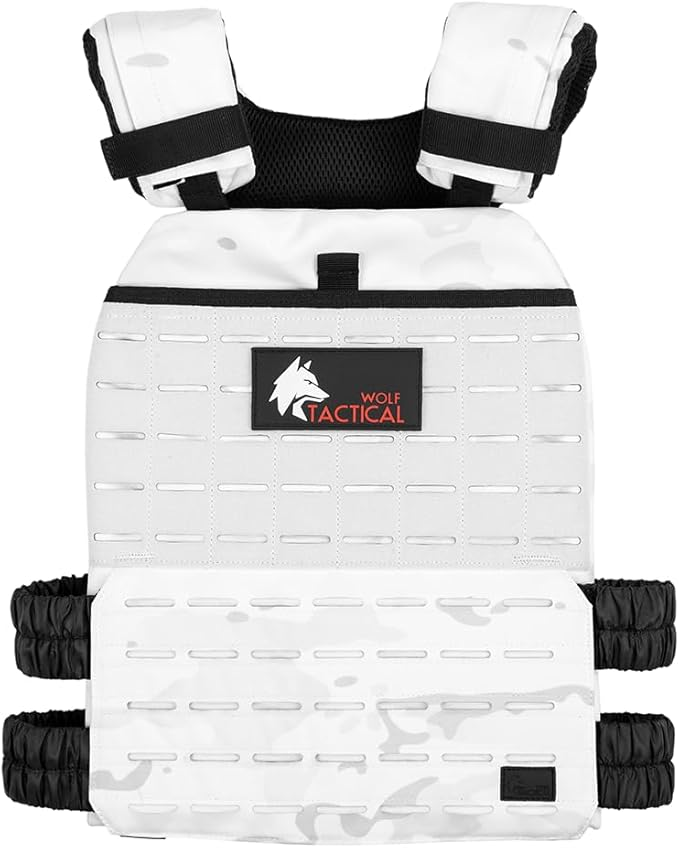
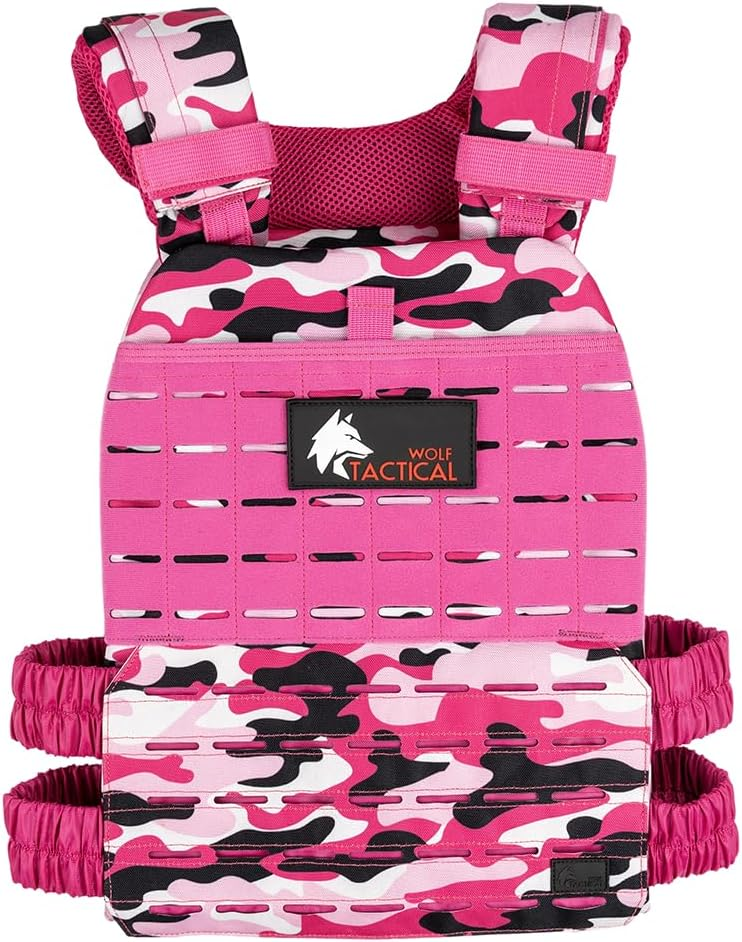
For running-specific comfort and minimal bounce, consider a low-profile, adjustable vest built for active movement. One practical option is the WOLF TACTICAL Simple Weighted Vest (Men/Women), which balances price, adjustability, and pocket layout for running and rucking.

Estimate calorie burn for your loaded runs
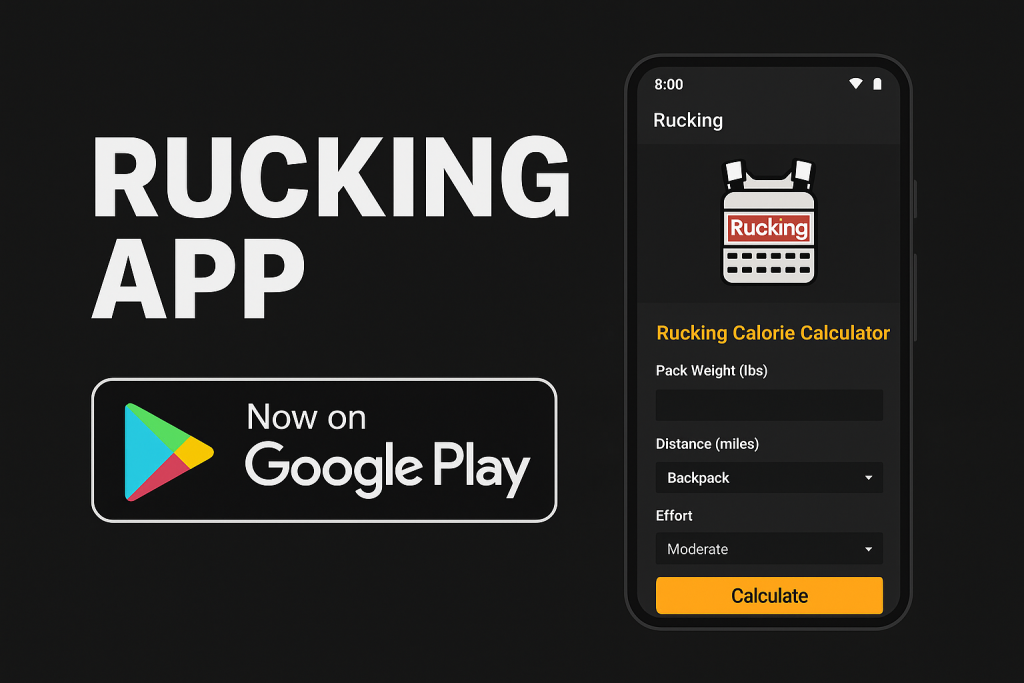
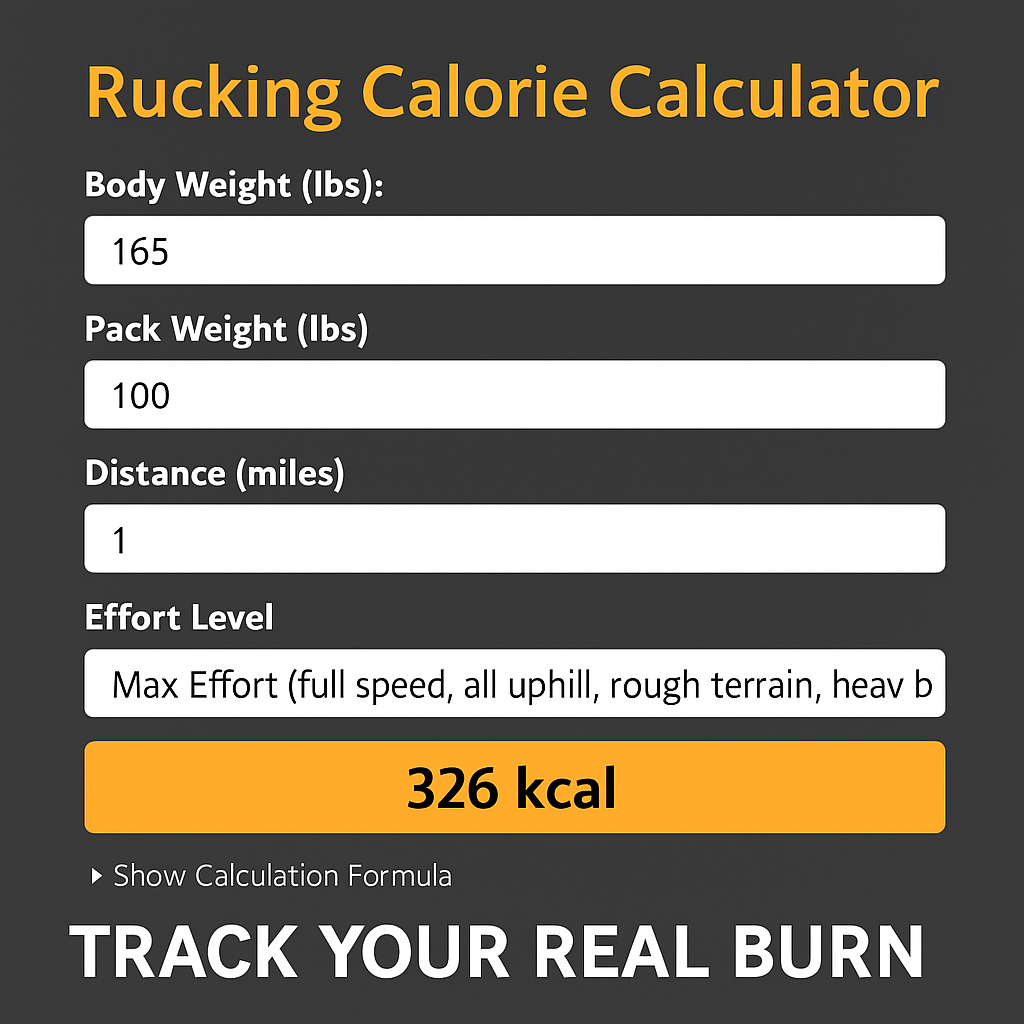
Want to quantify the extra calories you burn while running in a vest? Use the rucking calorie calculator to get a practical estimate for your weight, pace, and load. It’s useful for planning sessions and tracking progress.

Quick checklist before every loaded run
- Vest snug and centered; no excessive movement.
- Hydration on hand—carry water for runs over 45 minutes.
- Reduce pace slightly; expect effort to be higher than bodyweight runs.
- Warm up dynamically and include post-run mobility.
Adjustable weighted vests for running are a simple, repeatable tool to build resilience and add calorie burn without overcomplicating training. Use them deliberately, prioritize form, and progress conservatively to keep running healthy and sustainable.