Why the Aduro Sport weighted vest is worth a look
The Aduro Sport weighted vest is a common entry point for people who want to add consistent load to walks, bodyweight work, and short rucks without breaking the bank. If you’re new to wearing weight, the big priorities are fit, how the load sits during movement, and an incremental progression plan that keeps you injury-free.
What to expect from an affordable vest
Lower-cost models like the Aduro Sport trade premium materials and ultra-custom fit for value. That’s fine, provided you understand limitations: padding may be thinner, the distribution of weight can shift, and plate or sand options are usually lighter. Use the vest for 15–60 minute sessions where stability matters more than absolute load.
Fit, comfort, and simple adjustments
Fit matters more than brand. A vest that rides up or leaves weight concentrated over your spine will cause soreness fast. Key checks:
- Chest strap: snug but not restrictive—prevents bounce.
- Length: the bottom should sit above your hips so it moves with your torso.
- Layering: thin shirt or base layer reduces chafing compared to heavy cotton.
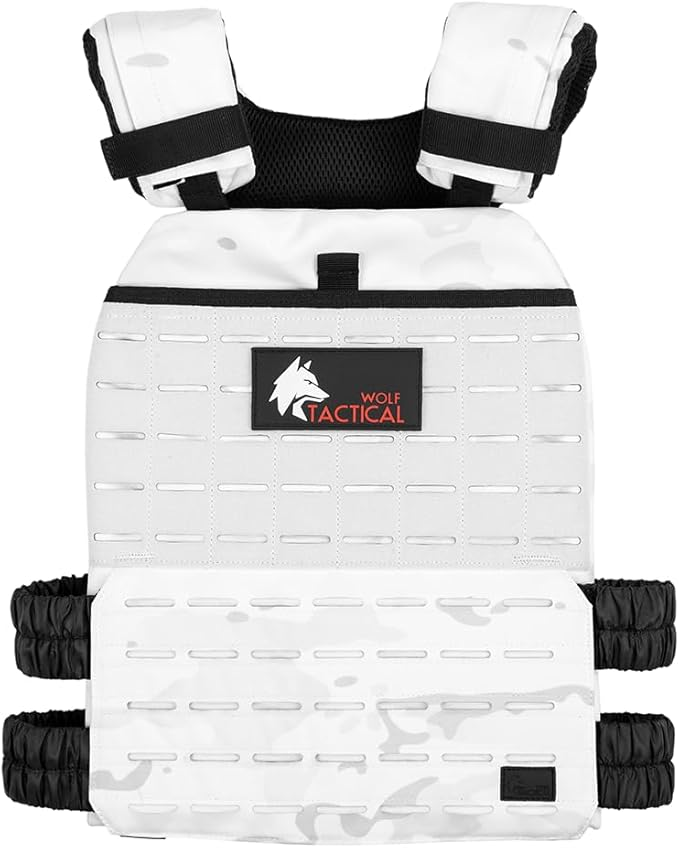
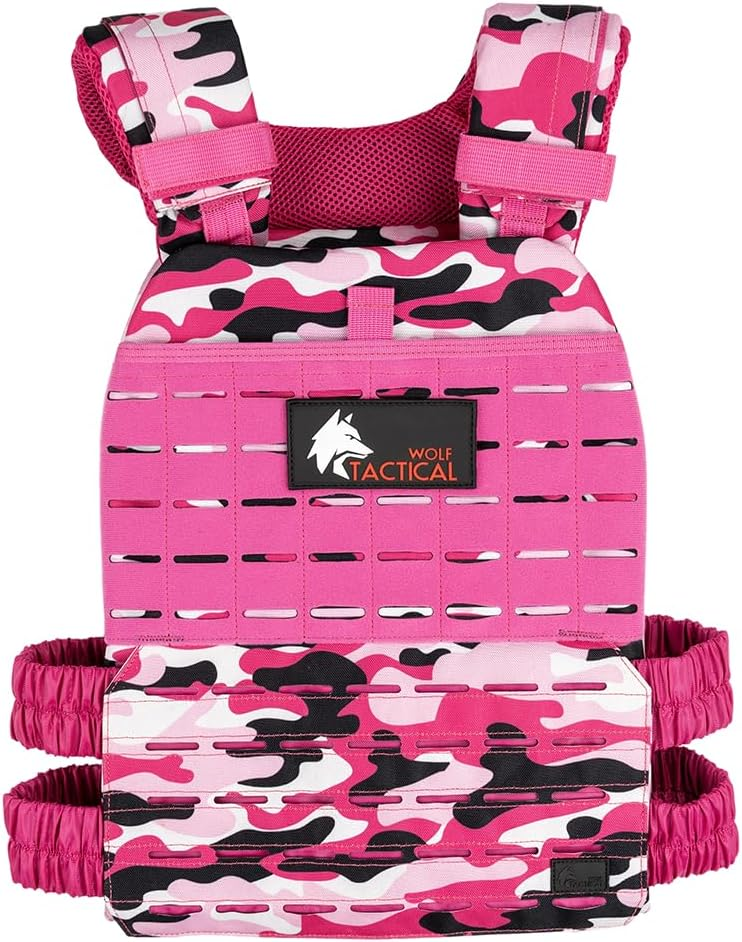
If the Aduro feels uneven, redistribute small inserts or add a thin foam pad under the back plate. For folks focused on comfort and beginner-friendly training, I often recommend stepping up to a vest with better adjustability like the Wolf Tactical Adjustable Weighted Vest for longer sessions or more stable plate placement.

Progression and programming for beginners
Start light. Use the Aduro Sport vest for conditioned, controlled sessions: 10–20 minutes of walking, then bodyweight circuits. Progression example:
- Week 1–2: bodyweight + 5% of bodyweight (or the vest on its lightest setting), 2–3 sessions/week.
- Week 3–4: increase to 7–10% bodyweight or add 2–5 lb; add an extra 5–10 minutes to rucks.
- Month 2+: push toward consistent 20–40 minute loaded walks and structured strength work while monitoring joint comfort.
Keep reps and intensity conservative: weighted vests increase forces through joints and spine. If you feel sharp pain, stop and reassess fit or load.
How many calories will you burn?
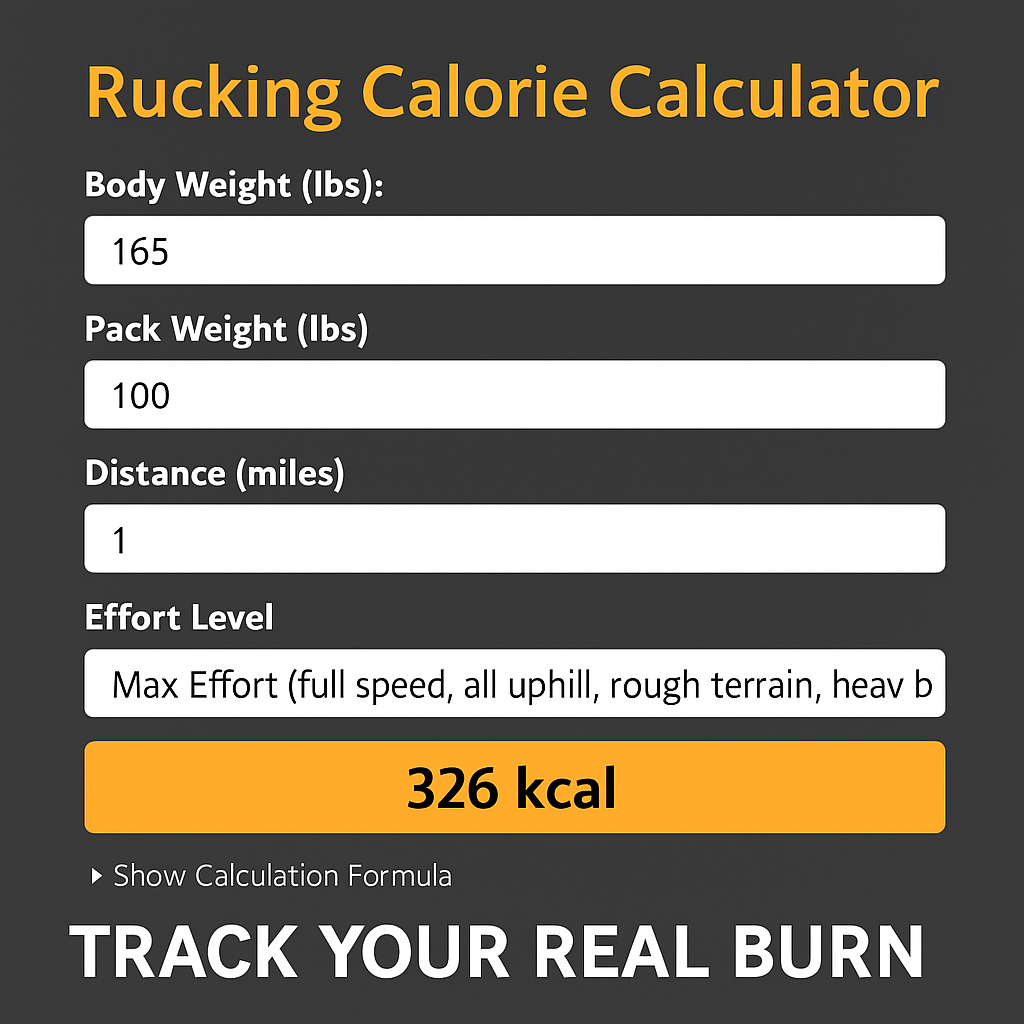
Weighted walking and rucking raise calorie burn compared with unloaded walking. If you want a quick estimate for a session with the Aduro Sport vest, use the Rucking calorie calculator below—enter weight, load, pace, and duration to see realistic calorie numbers for your setup.

This calculator is the simplest way to dial in session length and load to match your weight-loss or conditioning goals.
Maintenance and buyer tips
- Inspect seams and straps monthly—cheap vests show wear quickly.
- Wash per manufacturer guidance; air dry to protect padding.
- If you outgrow the comfort window, consider an upgrade. For reliable, beginner-friendly stability and comfort, the Wolf Tactical Adjustable Weighted Vest is a practical next step.
Final takeaway
The Aduro Sport weighted vest is a usable, budget-friendly tool to start adding load to walks and simple strength sets, provided you prioritize fit and gradual progression. Track your sessions, use a calorie calculator to estimate energy burn, and upgrade to a more adjustable vest if you move into longer rucks or heavier loads.