Why an Amstaff weighted vest matters for rucking and conditioning
The Amstaff weighted vest is one of several commercial weighted vests people consider for load-carriage training. Whether you bought an Amstaff vest or are comparing options, the training principles are the same: progressive loading, attention to fit, and combining weighted walks with strength work. This article covers how to assess comfort, program short and long rucks, and manage recovery so your vest becomes a reliable tool rather than a nuisance.
Fit and comfort checklist
Fit matters more than brand. A good weighted vest should sit snug on your torso without riding up, allow a full range of motion for your arms, and distribute weight evenly to avoid hotspots on shoulders or the lower back. If your Amstaff vest feels uneven or rides during brisk walking, consider padding, a tighter strap setup, or switching to a plate-style carrier for heavier loads.
- Start with lighter loads: 5–10% of bodyweight for beginners.
- Check shoulder and neck pressure—add padding if needed.
- Distribute weight centrally; avoid top-heavy loading.
- Wear moisture-wicking layers to reduce chafe and sweat buildup.
Programming with a weighted vest
Treat the vest like progressive resistance. For conditioning, use time and distance rather than speed when starting. Sample progressions look like this:
- Week 1–2: 20–30 minute walks with light load (5–10% bodyweight) 3x/week.
- Week 3–6: Increase load 2–5% every 1–2 weeks or add 10 minutes to duration.
- Beyond 6 weeks: Include interval rucks (5 minutes brisk, 2 minutes easy) and 1 long ruck per week.
For strength-focused work—squats, lunges, push-ups—treat the vest like added resistance. Use heavier sets for lower reps when building strength, and lighter, higher-rep work for endurance and conditioning.
Managing soreness and recovery
Weighted vest training increases eccentric load on hips and knees. Keep weekly mileage conservative and prioritize sleep, nutrition, and soft-tissue work. If you experience persistent hotspots, reduce load and inspect fit before continuing.
Accessories and product notes
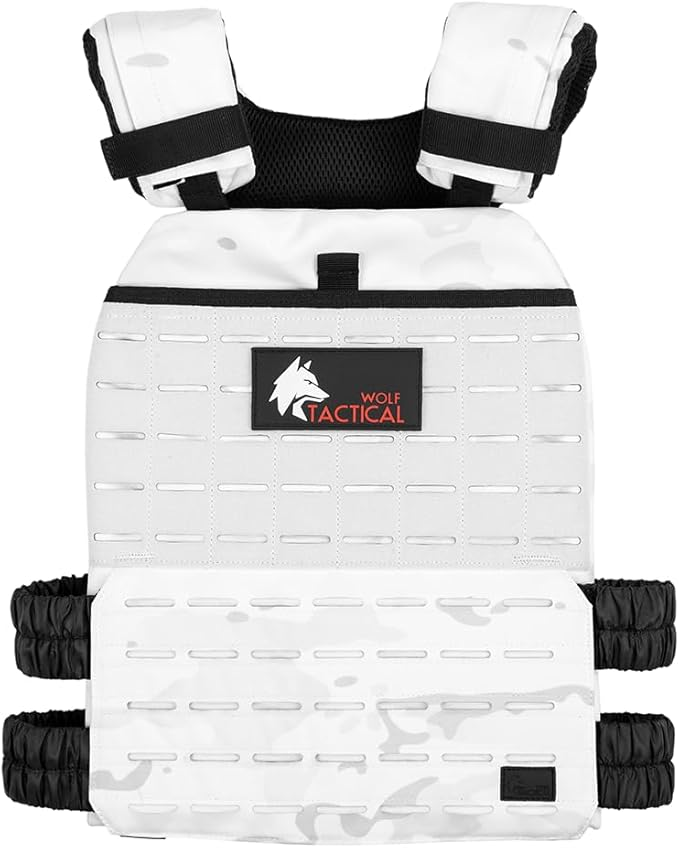
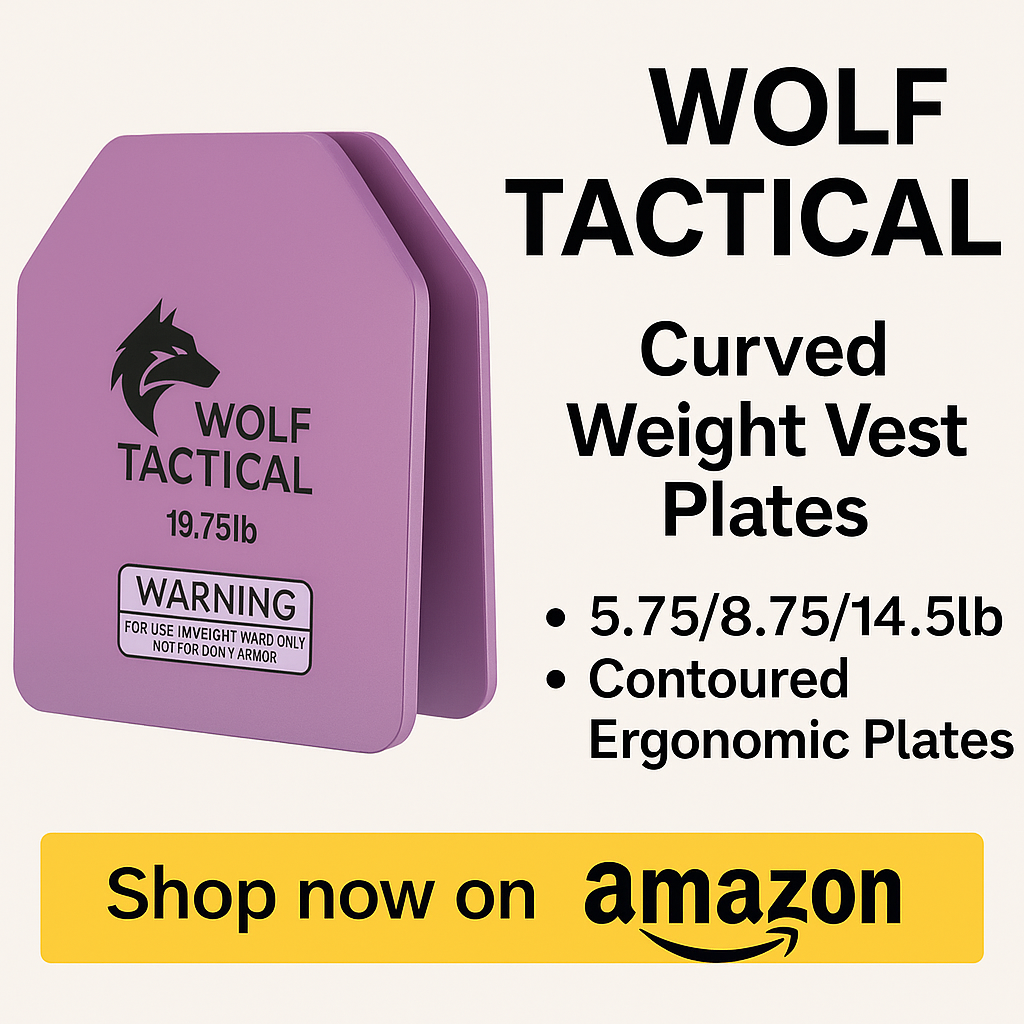
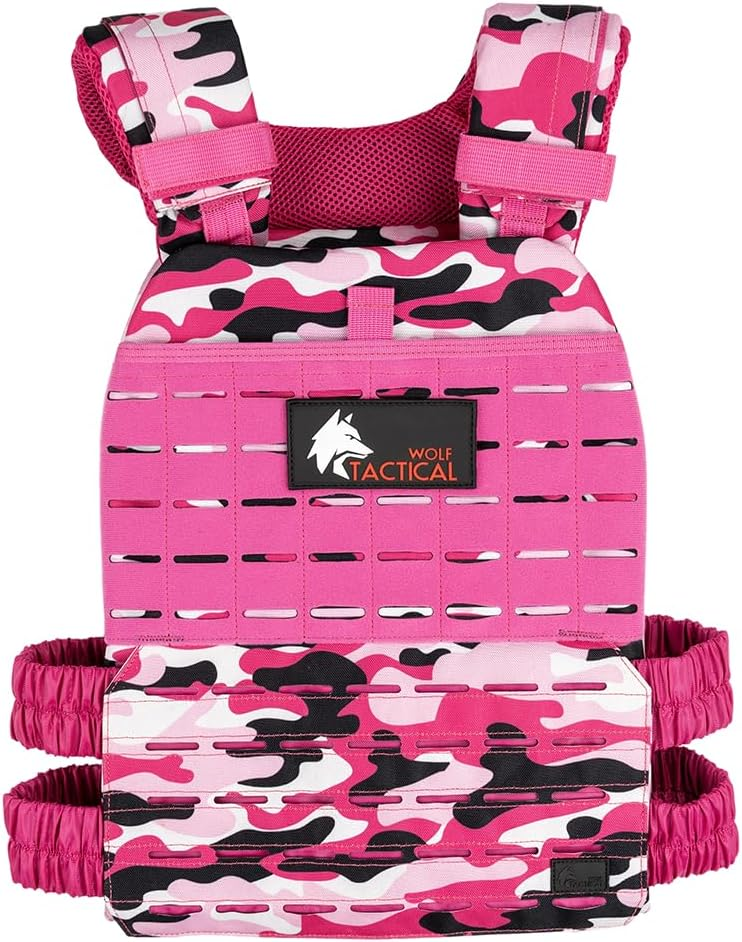
If you want a comfortable, beginner-friendly vest comparable to many commercial designs, consider a proven training vest such as the Wolf Tactical Weighted Vest for general-purpose rucking and walking. Below is a practical product block so you can inspect fit and features.

Calorie and effort planning
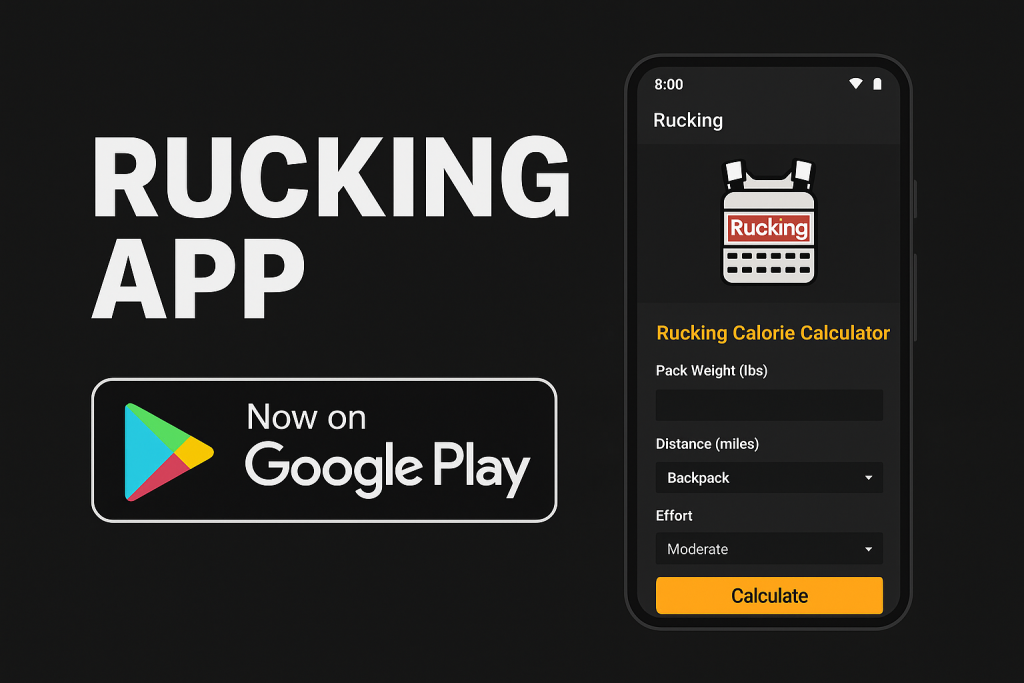
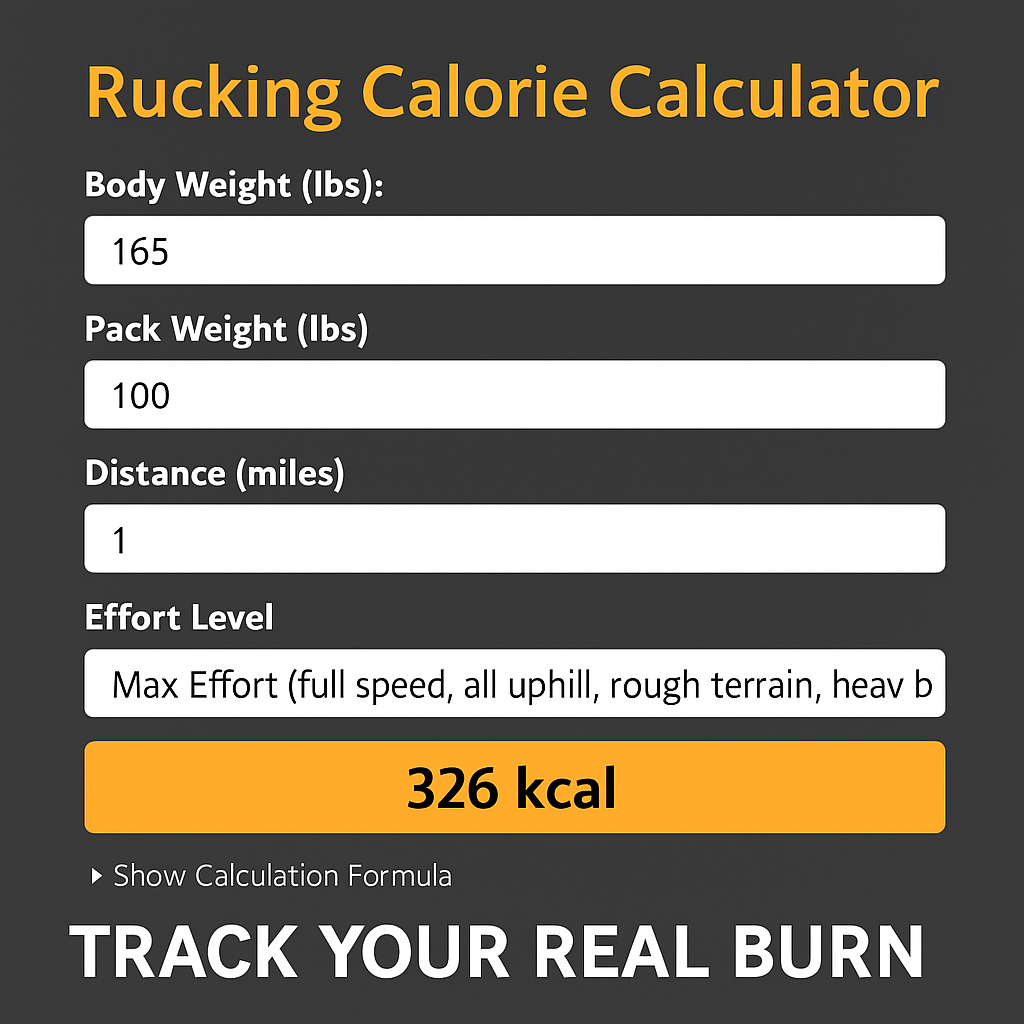
Want to estimate how many calories a ruck with a vest will burn? Use the rucking calorie calculator to plug in your weight, load, pace, and distance. It’s a fast way to plan training sessions and set realistic calorie targets.
Estimate calories with the rucking calorie calculator

Final practical tips
- Use a vest for short bursts or structured long walks—don’t add heavy load to every single workout.
- Track progress: time, distance, and perceived effort before increasing weight.
- Consider a ruck backpack if you plan on sustained heavy loads—vests are excellent for conditioning and strength but backpacks can be better for long-distance weight carriage.
An Amstaff weighted vest can be an effective tool if you focus on fit, sensible progression, and recovery. Start light, move deliberately, and treat the vest as one element of an outdoor-first training plan.