Why an army weighted vest matters for tactical fitness
An army weighted vest is more than a piece of gear — it’s a training tool that forces your body to adapt to load while you move. Whether you’re prepping for a field test, increasing work capacity, or using rucking as your primary cardio, the vest changes mechanics, breathing, and energy demand. This guide focuses on practical selection, fit, and safe progressions for outdoor loading.
Fit and construction: what to look for
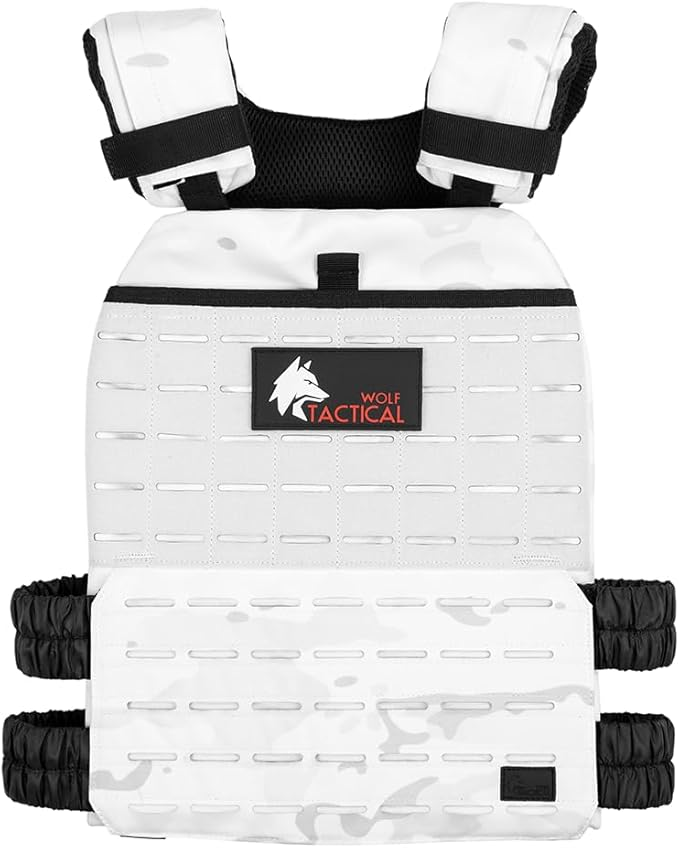
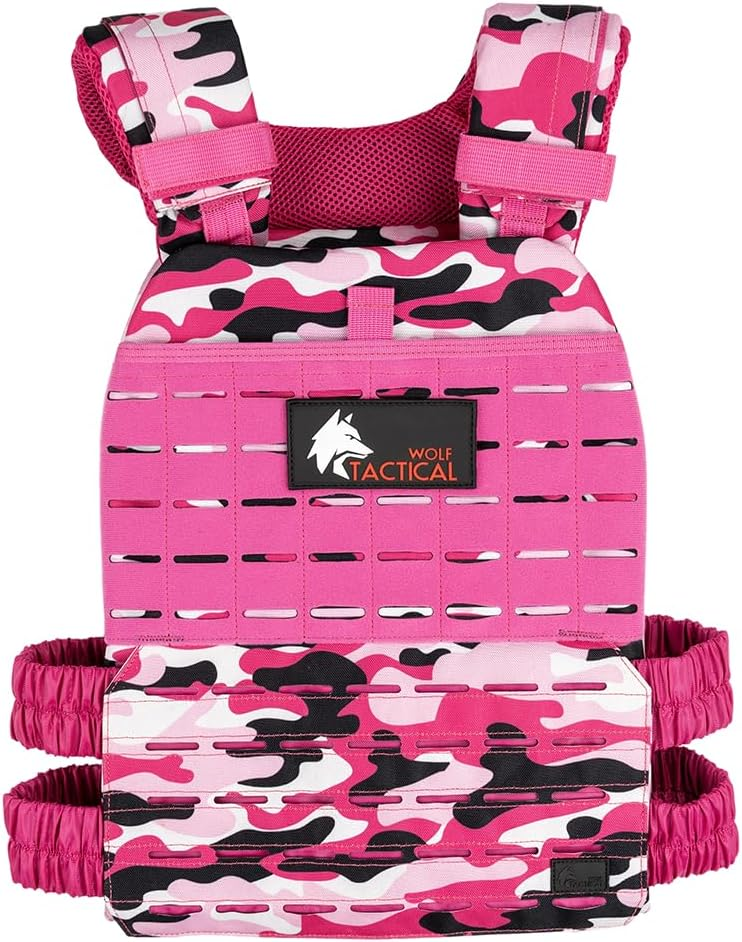
Fit is the first priority. A military-style load should sit high on the torso, close to your center of mass, without rocking. Look for sturdy shoulder straps, adjustable cummerbund, and abrasion-resistant materials. Avoid vests that shift with each step — that wastes energy and risks injury.
- Adjustability: Padded straps and a snug cummerbund to lock the load.
- Insert style: Plate pockets or sewn compartments for plates or sandbags.
- Durability: Reinforced stitching, YKK zippers, and heavy-denier fabric.
Choosing load and progression
Start conservative. If you’re new to weighted movement, begin with 5–10% of body weight and work up. For more experienced ruckers or tactical athletes, 10–20% is common for steady-state rucks; strength-focused work can go higher under controlled programming.
- Week 1–2: 5–10% BW, 20–40 minute rucks, 2x per week.
- Week 3–6: Increase 1–2% BW per week or add 5–10 pounds to the vest, extend duration slowly.
- Ongoing: Mix heavy, short rucks with longer, moderate-load walks for endurance and durability.
Injury prevention and mobility
Weighted carries change posture. Tight hips, weak glutes, or a rounded upper back become more obvious under load. Prioritize mobility and a short warm-up before a ruck:
- Dynamic hip swings and banded glute work.
- Thoracic rotations and scapular mobility to avoid rounded shoulders.
- Post-ruck cool down: foam roll and active stretches for hips and quads.
Gear I recommend for army-style rucking
For military-style distance and durability, I prefer backpacks and plate-style systems that stand up to repeated use. Two reliable options I point to often:
GORUCK Rucker 4.0 20L is a tough ruck for long-mile work and carries plates cleanly.

I also recommend the CamelBak Motherlode 100oz Mil Spec Crux Hydration Backpack for longer rucks where hydration matters and you want a clean place for plates and water.

A personal note
I coach people to respect progression. I personally lost 90 lbs through consistent rucking, weighted-vest training, and disciplined nutrition, and I still recommend weighted vests as one of the most reliable ways to maintain lower body weight and burn fat consistently. If you want to see my transformation and approach in context, I use the same core methods I recommend here.

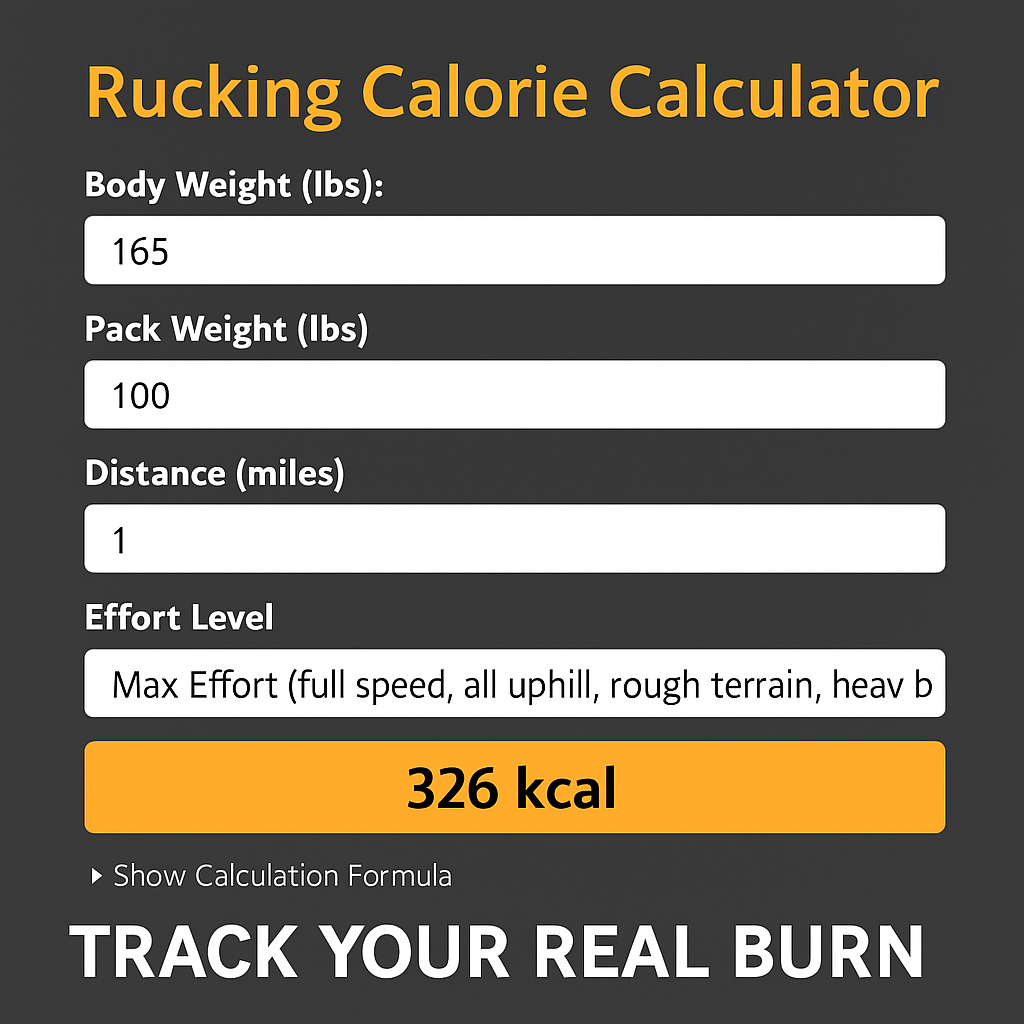
Estimate calorie burn before your next ruck
Use the rucking calorie calculator to estimate energy cost based on load, pace, and terrain. It’s the fastest way to plan nutrition and recovery for an army-weighted-vest session.

Start light, progress slowly, and prioritize movement quality. An army weighted vest is a tool — use it consistently and intelligently for real, durable fitness gains.