Bullit Weight Vest: Honest Assessment and Practical Alternatives

What is the Bullit Weight Vest?

The Bullit weight vest has generated buzz in the functional fitness and calisthenics community. Designed for weighted training, these vests promise a snug, ergonomic fit—helping athletes scale bodyweight exercises and burn more calories during walks or runs. But does it justify the hype, and are there alternatives for those looking to maximize results?

Weighted Vest Benefits and Ideal Use Cases

  • Boosts calorie burn in common training (walking, bodyweight strength, circuits)
  • Improves cardiovascular and muscular endurance
  • Simulates ruck-like conditions for military fitness, obstacle course racing, or general outdoor readiness
  • Adjustable for multiple weight levels, adapting to your progress

How the Bullit Weight Vest Compares: Key Considerations

When evaluating any vest, you want true comfort, stable load, and build quality. The Bullit fits into the “streamlined, athletic” category. It’s great for dynamic workouts but may have limited total weight compared to tactical or power vests. If you want heavy progressive overloads for rucking or calisthenics, consider other models offering capacity up to 300 lbs, like the Kensui EZ-VEST® MAX V2 and the Wolf Tactical Adjustable Weighted Vest.

Kensui EZ-VEST MAX V2 for heavy calisthenics and progressive weighted training
For heavy loading and advanced strength: try the Kensui EZ-VEST® MAX V2 (up to 300 lbs).
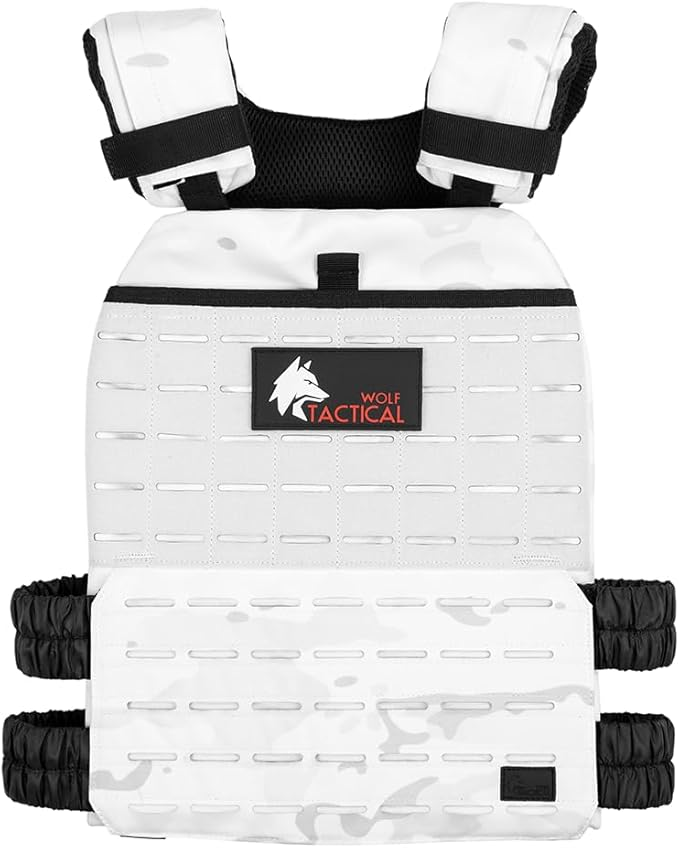
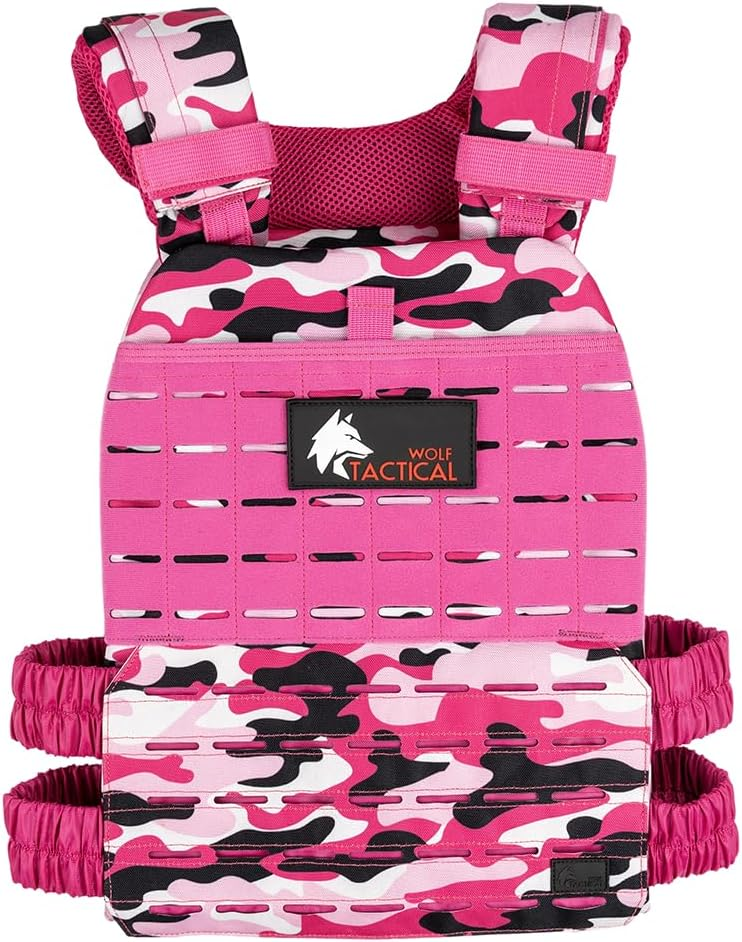
Wolf Tactical Adjustable Weighted Vest for comfort and adjustable resistance
Reliable comfort and durability: the Wolf Tactical Adjustable Weighted Vest is ideal for daily walks or HIIT.

Choosing the Right Weighted Vest for Your Goals

Before purchasing, identify your primary goals:

  • If your focus is short HIIT, sprint intervals, or intense cross-training circuits—the Bullit weight vest or any compact style might suit you well.
  • If your focus includes distance rucking, outdoor hikes with added load, or progressive strength: target vests capable of higher weights and adjustable plates.

Track Your Calories Burned During Weighted Vest Workouts

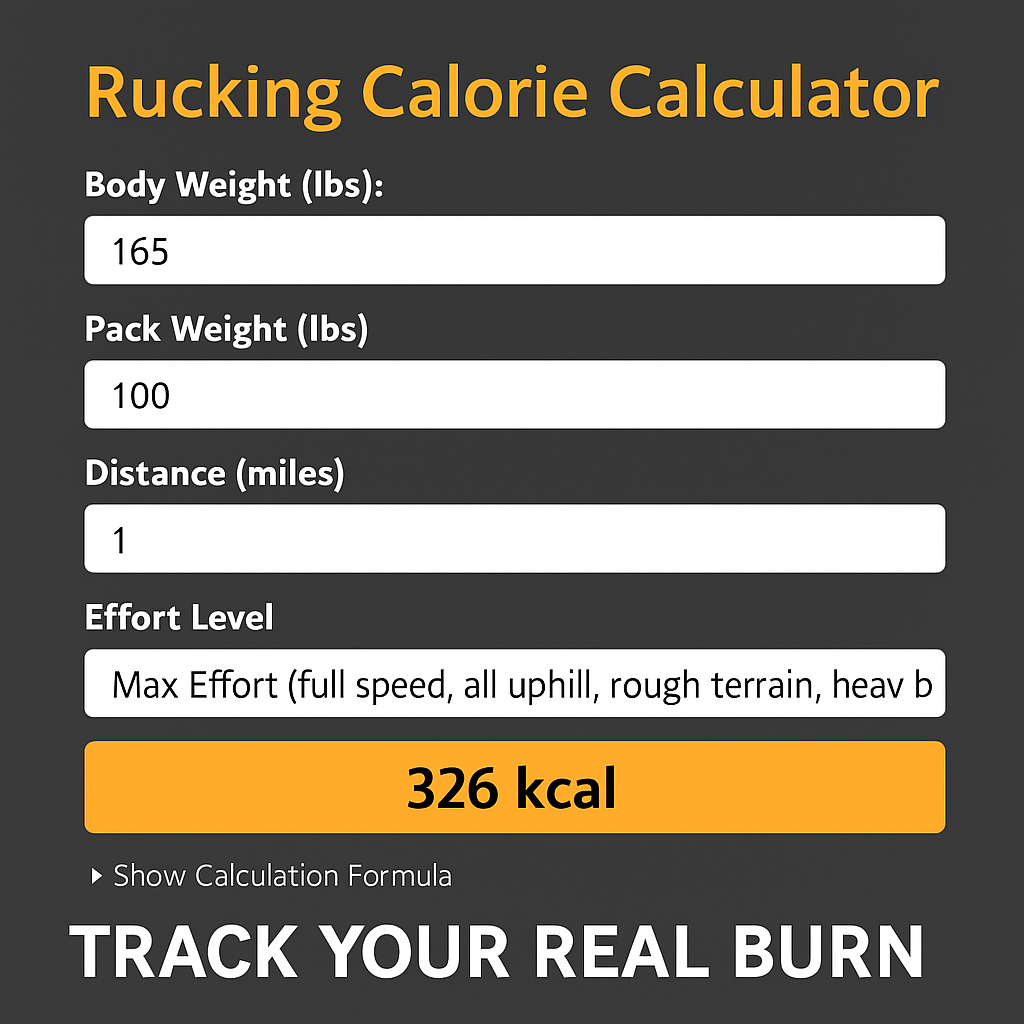
The real advantage of any vest is measurable calorie burn. Whether you’re walking, jogging, or hitting stairs, a simple way to monitor progress is by using a calorie calculator that factors in vest weight, pace, and time. This calculator helps estimate your output and informs your fat loss or endurance goals.

Weighted Vest Calorie Calculator screenshot

Conclusion

The Bullit weight vest delivers on compact comfort for bodyweight circuits, but if you seek a more robust, multi-purpose fitness tool—look at tactical vests from Wolf Tactical or serious power vests like the Kensui EZ-VEST® MAX V2. No matter your choice, using a calorie calculator will keep your training organized and your progress measurable.

Posted in Weighted Vest Training | Tagged , , , , | Comments Off on Bullit Weight Vest: Honest Assessment and Practical Alternatives

APC weighted vest: fit, use, and rucking tips

What an APC weighted vest is and who should use one

The APC weighted vest is a style of load-bearing vest designed to add evenly distributed weight to walking, rucking, and bodyweight training. If you’re new to added load, think of an APC-type vest as a tool to increase intensity without changing movement patterns. This post covers safe progression, simple fit checks, and how to estimate calorie burn for walks and short rucks.

Quick safety checklist

  • Start light—10% of bodyweight or less for beginners.
  • Maintain upright posture and avoid extreme forward lean.
  • Stop if you feel sharp joint pain, dizziness, or excessive shortness of breath.
  • Progress load gradually—5% increments every 2–4 weeks depending on recovery.

Fit and comfort: what to look for

Fit matters more than brand. An APC weighted vest should sit snugly across the chest and upper abdomen without bouncing. You want firm contact across the sternum and back so the load tracks with your center of mass. That reduces shear on hips and lower back.

Common fit cues: straps should be adjusted so the vest doesn’t ride up when you walk, and the weight pockets should feel balanced left-to-right. If you need a beginner-friendly option focused on comfort, lean toward a low-profile vest built for walking or rucking.


Wolf Tactical Simple Weighted Vest for walking and rucking
Wolf Tactical Simple Weighted Vest—comfortable, low-profile fit for daily weighted walks.

I recommend options like the Wolf Tactical Simple Weighted Vest for beginners because it prioritizes comfort and adjustability. For those wanting a more training-oriented option, the 5.11 TacTec Trainer Weight Vest balances durability and modular loading for harder sessions.


5.11 TacTec Trainer Weight Vest for strength and rucking
5.11 TacTec Trainer Weight Vest—built for training and heavier workloads.

How to progress: a simple 8-week plan

Progression is boring but effective. Here’s a straightforward approach you can use with an APC weighted vest.

  • Weeks 1–2: 10–12 minute walks with light weight (5–10% bodyweight), 3 times per week.
  • Weeks 3–4: Increase to 15–20 minute walks; add 2–5% bodyweight if recovery is solid.
  • Weeks 5–8: Two longer rucks (30–60 minutes) plus one interval or hill session per week with moderate weight.

Consistency beats dramatic single-session efforts. If recovery dips (poor sleep, elevated resting heart rate), reduce load or volume for a week.

How many calories will you burn?

Estimating calorie burn with a weighted vest depends on pace, terrain, and load. Use the rucking calorie calculator below to get a practical estimate for walks and light rucks with an APC weighted vest.


Rucking Calorie Calculator screenshot

That calculator factors weight, pace, distance, and load to produce a realistic burn estimate. Try it before planning longer sessions so you can match nutrition and recovery properly.

Short field notes from the trail

I’m Preston Shamblen, ISSA-certified, and I lost 90 lbs through consistent rucking, weighted-vest training, and disciplined nutrition. APC-style vests are one of the most reliable tools I still recommend for steady fat loss and conditioning when used responsibly. Start light, respect progression, and keep walks outdoors—terrain variations are free intensity tools.

Final tips

  • Pair short, weighted walks with mobility and posterior chain work twice weekly.
  • Hydrate and refeed after longer rucks—consider an electrolyte-focused product for hot, long sessions.
  • Inspect stitching and weight pockets frequently; a fitted vest performs better and reduces hotspots.

Use the calorie calculator above to quantify sessions, pick a comfortable vest like the Wolf Tactical or 5.11 TacTec if you’re unsure, and build gradually. APC weighted vests are simple, effective tools when fit and progression are respected.

Posted in Weighted Vest Training | Tagged , , , , | Comments Off on APC weighted vest: fit, use, and rucking tips

Training Outdoors with a Weighted Hiking Vest: Practical Tips & Gear Recommendations

Why Use a Weighted Hiking Vest?

If you’re looking to maximize your training outdoors or level up your hiking routine, a weighted hiking vest is one of the most effective additions you can make to your gear. By distributing weight evenly across your torso, these vests boost calorie burn, improve muscular endurance, and enhance cardiovascular fitness—all without the comfort issues of overloaded backpacks.

Top Advantages Over Backpacks

  • Even Weight Distribution: Keeps strain off your shoulders and lower back.
  • Hands-Free Movement: Perfect for scrambling, trekking poles, or rugged terrain.
  • Versatility: Great for walking, running, stair training, and of course, hiking.

Choosing the Right Weighted Hiking Vest

Not all vests are created equal. Comfort, durability, fit, and adjustability should be your primary metrics.

  • Adjustable Load: Models like the Wolf Tactical Adjustable Weighted Vest excel for hiking because you can fine-tune the weight as your fitness improves.
  • Range of Motion: Look for minimal bulk around the shoulders and full adjustability. This improves comfort over many miles on the trail.
  • Breathability: Essential for warm-weather hikes or long distances.
Wolf Tactical Adjustable Weighted Vest for hiking
Wolf Tactical Adjustable Weighted Vest: A comfortable, trail-ready choice for hikers adding resistance to their workouts.

How Much Weight Should You Use?

For most beginners, start with about 5–10% of your body weight. Experienced ruckers or hikers can incrementally go up to 20% of body weight with good conditioning. It’s crucial to listen to your body and increase slowly to avoid overuse injuries.

Realistic Calorie Burn Expectations

Add a weighted hiking vest and your per-hour calorie burn climbs significantly. If you want to see exactly how many calories you’re burning with your vest on, use this handy calculator:

Rucking calorie calculator screenshot

Try the Rucking Calorie Calculator to estimate your actual burn with a weighted vest on hikes.

Beyond the Vest: Hydration and Safety

Don’t forget hydration on long or hot hikes. Back up your vest with a hydration pack—something like the CamelBak Motherlode 100oz Mil Spec Crux Hydration Backpack—to ensure you’re not sacrificing performance or safety for convenience.

CamelBak Motherlode Tactical Hydration Backpack for hikers
CamelBak Motherlode: Carry water and extra gear on rugged hikes, great alongside a weighted vest for longer adventures.

Final Tips for Trail Success

  • Start with moderate terrain to get used to the extra load.
  • Pace yourself—weighted vest hiking is more demanding than standard hiking.
  • Monitor your hydration and nutrition, especially in hot weather or over long distances.

If you’re serious about building endurance, torching more calories, and enjoying hikes with a new level of challenge, the weighted hiking vest is your go-to tool.

Posted in Weighted Vest Training | Tagged , , , , | Comments Off on Training Outdoors with a Weighted Hiking Vest: Practical Tips & Gear Recommendations

Finding the Top Rated Weighted Vest for Your Training

What Makes a Weighted Vest Top Rated?

With so many options available, choosing the top rated weighted vest depends on comfort, adjustability, weight options, and versatility. Whether you’re stepping up your walks, rucking outdoors, or building strength indoors, picking the right vest can make the difference between a frustrating and an effective workout.

Features to Look For

  • Comfort & Fit: Padded shoulder straps and adjustable sizing help prevent chafing and make longer sessions more manageable.
  • Weight Range: A good vest offers flexible loading (from as low as 4 lb up to 45+ lb), accommodating both beginners and advanced users.
  • Quality Construction: Durable stitching, reinforced seams, and tough materials like Cordura or ballistic nylon extend a vest’s lifespan for both indoor and outdoor use.
  • Ease of Use: Simple plate changes, easy adjustments, and thoughtful storage for keys or hydration improve day-to-day training.

Top Rated Weighted Vest Options for Every Athlete

Calculate Your Calorie Burn With a Top Rated Weighted Vest

Want to know how much more effective your training becomes when wearing a weighted vest? Use the Rucking Calorie Calculator to estimate how many calories you’ll burn during your weighted walks or workouts.

Calorie Calculator for Weighted Vest Training

This tool factors in your weight, pace, load, and terrain to give an accurate calorie estimate. Check the full guide and try it for weighted vests here.

Final Thoughts

Your ideal vest should match your fitness level and training goals. Opt for a top rated weighted vest that’s comfortable, adjustable, and tough enough for your chosen activities—whether rucking, HIIT, or strength work. Consistency and smart load progression will help you see real results from your investment.

Posted in Weighted Vest Training | Tagged , , , , | Comments Off on Finding the Top Rated Weighted Vest for Your Training

How to Choose a Low Profile Weighted Vest for Training

Why a Low Profile Weighted Vest?

A low profile weighted vest is a go-to for anyone looking for a stealthy fit during urban walks, gym sessions, or outdoor rucking. Unlike bulky vests, these lie flat beneath clothing and don’t restrict your movement, perfect for those who value discretion and comfort.

Benefits of a Low Profile Weighted Vest

  • Discreet look under shirts or jackets
  • Improved mobility for calisthenics, running, and functional fitness
  • Even weight distribution supports longer workouts
  • Breathability with minimal padding, reducing heat buildup

Top Training Uses

Low profile weighted vests are ideal for:

  • Walking or rucking outdoors without attracting attention
  • Indoor bodyweight workouts and HIIT
  • Physical therapy and rehabilitation walks

What to Look For

  • Adjustability: Quick-release fasteners, adjustable straps
  • Weight Range: Typical low profile vests range from 6–20 lbs
  • Breathable Fabrics: Mesh and moisture-wicking materials minimize sweat
  • Secure Fit: Snug against your body, won’t bounce during movement

Recommended Low Profile Weighted Vests

If you want long walks or beginner-friendly sessions, the Wolf Tactical Adjustable Weighted Vest is a reliable pick. It’s slim, with balanced adjustability, and doesn’t chafe when worn over a T-shirt.

Wolf Tactical Adjustable Weighted Vest low profile for walking and rucking
No-bounce fit and all-day comfort for stealth workouts or under-clothes use.

For those who want a slightly heavier but equally sleek option, the WOLF TACTICAL Simple Weighted Vest (available for men and women) offers a minimalist design without sacrificing durability.

WOLF TACTICAL Simple Weighted Vest for men and women
Lightweight, form-fitting vest designed for repetitive walks or dynamic calisthenics.

How Many Calories Can You Burn?

Your calorie burn goes up fast with a low profile weighted vest, even at a light load. Use my favorite free calculator below to estimate your burn by weight, pace, and time. Pair it with your daily walk or indoor training for reliable fat loss and conditioning.

Weighted Vest and Rucking Calorie Calculator

Try the Weighted Vest and Rucking Calorie Calculator to see how much more you can burn by adding a low profile vest to your routine!

Bottom Line

A low profile weighted vest offers year-round versatility and consistent results, especially if you’re building or maintaining lean mass without sacrificing mobility. Select an adjustable style, aim for at least 20–30 minutes of steady movement, and watch your fitness improve.

Posted in Weighted Vest Training | Tagged , , , , | Comments Off on How to Choose a Low Profile Weighted Vest for Training

25 lb weighted vest: how to use it safely and effectively

Why choose a 25 lb weighted vest?

A 25 lb weighted vest is a practical, versatile load for intermediate ruckers and strength-focused walkers. It adds meaningful resistance without dramatically changing gait or breathing, making it ideal for brisk walks, tempo rucks, stair climbs, and bodyweight strength circuits. Used correctly, it increases calorie burn, builds work capacity, and preserves walking form.

Who should use a 25 lb weighted vest?

This load suits people who have a base of consistent walking or rucking and can handle longer walks of 30–60 minutes without pain. If you’re new to added weight, start lighter and progress; if you’re returning from a break, treat 25 lb as a moderate step-up rather than a starting point.

Programming and progression

Use progressive overload: increase duration, frequency, or intensity before adding weight. A typical four-week progression might look like:

  • Week 1: 20–30 minute walks, 2–3x per week with 10–15 lb (or unweighted familiarization).
  • Week 2: Two 30–45 minute walks with 15–20 lb; one strength circuit (pushups, squats, planks) with light vest work.
  • Week 3: One 45–60 minute walk with 20–25 lb; maintain two shorter sessions.
  • Week 4: Two 45–60 minute walks with 25 lb and one higher-intensity interval or stair session.

Keep a training log and prioritize steady technique over speed. If form breaks down, reduce weight or pace.

Sample session with a 25 lb vest

  • 5-minute warm-up: dynamic mobility and easy walking without load.
  • 30–45 minute tempo walk with 25 lb at conversational but challenging pace.
  • 3 rounds bodyweight circuit: 10 push-ups, 15 air squats, 30s plank (vest optional for push-ups/squats).
  • 5–10 minute cooldown and mobility.

Fit, comfort, and safety

Fit matters. The vest should sit snugly without bouncing or pinching. Watch posture—avoid leaning forward to compensate for the load. If you feel joint pain, numbness, or persistent tightness, reduce weight and consult a professional.

Recommended gear

For everyday comfort and walking-focused sessions I recommend the Wolf Tactical Simple Weighted Vest for its low profile and adjustability. Use this link to check fit and sizing: Wolf Tactical Simple Weighted Vest.


Wolf Tactical Simple Weighted Vest for walking and rucking
Low-profile, adjustable vest for walking and ruck-style conditioning.

If you also mix cardio rucks or need hydration on longer efforts, a tactical hydration pack is a practical complement: CamelBak Motherlode 100oz works well to carry water and modular weight.


CamelBak Motherlode 100oz Mil Spec Crux Hydration Backpack
Hydration pack ideal for long weighted walks and modular load-carrying.

How I coach the 25 lb vest

As Preston Shamblen (ISSA-certified), who lost 90 lbs through consistent rucking, weighted-vest training, and disciplined nutrition, I still recommend weighted vests as one of the most reliable ways to maintain a lower body weight and burn fat consistently. My coaching emphasizes progression, mobility, and keeping sessions outside where terrain and wind add natural variability.

Estimate calorie burn

Want a quick estimate for your walks or rucks with a 25 lb vest? Use the calculator below to dial in pace, distance, and load. It gives a practical calorie estimate you can use to plan training and nutrition.


Rucking Calorie Calculator screenshot

Final notes

25 lb is a useful, efficient load for conditioning. Use structured progression, prioritize fit and recovery, and pair the vest with purposeful walking or strength work. If you’re unsure about progression or have prior injuries, consult a coach or medical provider before loading up.

Posted in Weighted Vest Training | Tagged , , , , | Comments Off on 25 lb weighted vest: how to use it safely and effectively

60 pound weight vest: safe use, programming, and calorie estimates

Why a 60 pound weight vest?

Adding 60 pounds of external load changes how your body moves, breathes, and burns calories. A 60 pound weight vest is a tool for experienced ruckers and strength athletes who want to increase intensity without adding sprinting or heavy bars. In this guide I cover how to use a heavy vest safely, how to program rucks and bodyweight work around it, and how to estimate calorie burn for planning recovery and weight loss.

Who should consider 60 lb vests

This is not a beginner tool. If you can comfortably walk briskly for 60 minutes with a 20–30 lb vest and can deadlift and squat with solid form, a 60 lb vest is a logical step. If you’re unsure, add weight gradually and prioritize joint health and posture.

Fit, comfort, and gear

Proper fit matters more when the load approaches your bodyweight. Choose a vest that distributes weight across the torso, allows shoulder mobility, and won’t shift during gait. For extremely heavy loading, I recommend a robust plate-style vest built for high-capacity plates.


Kensui EZ-VEST MAX V2 heavy capacity vest
Best for heavy loading and calisthenics: high-capacity plate vest for stability under 60 lb and more.

Consider the Kensui EZ-VEST® MAX V2 if you intend to use 60 lb consistently in strength-focused sessions. It handles large plates and keeps weight secure during dynamic work.

Alternative: incremental plate loading

If you want progressive overload with plates, the Yes4All Ruck Weight Plate (10–45 lb) pairs well with modular systems for gradual progression.


Yes4All ruck weight plate options
Incremental plates for fine-grained progress when building up to 60 lb.

Programming with a 60 pound weight vest

Use a heavy vest for short, frequent exposures rather than daily max-load long walks. Here are practical templates:

  • Strength day: 3–6 sets of weighted push-ups, pull-ups, or step-ups—low reps, full rest.
  • Ruck day: 30–60 min brisk walk at conversational pace. Stop if posture breaks down.
  • Conditioning: Intervals—4–6 x 2 minutes loaded walking at faster pace with 2–3 minutes easy between.

Progression and recovery

Add 5–10% load per month at most and monitor joint pain and sleep. Heavy vests increase impact and compressive forces—plan recovery days, foam rolling, and mobility work.

Safety checklist

  • Check neck and shoulder comfort—shoulder straps should be padded and adjustable.
  • Maintain core tension and neutral spine—stop if you feel persistent low-back strain.
  • Hydrate well and plan for slightly higher heart rate and breathing effort.

Estimate calories and plan goals

To estimate caloric cost for rucking or weighted walks with a 60 pound weight vest, use the rucking calorie calculator below. It’s the fastest way to plan daily intake and recovery for fat loss or performance goals.

Rucking calorie calculator screenshot

Click the calculator to input your bodyweight, ruck weight, distance, and pace. It helps you estimate total energy expenditure and adjust nutrition accordingly.

A coach’s note

As Preston Shamblen, ISSA-certified personal trainer, I lost 90 lbs through rucking, weighted-vest training, and disciplined nutrition, and I still recommend weighted vests as one of the most reliable ways to maintain a lower body weight and burn fat consistently. Heavy vests are powerful tools when used intelligently—respect the load, progress slowly, and pair with strength work.

Final practical tips

  • Start with shorter sessions and ramp to longer durations.
  • Prioritize sleep and protein for recovery.
  • Use sturdy gear designed for heavy plates to avoid shifting and abrasion.

With the right vest, measured progress, and deliberate programming, a 60 pound weight vest can be a transformative training tool for experienced athletes and committed ruckers.

Posted in Weighted Vest Training | Tagged , , , | Comments Off on 60 pound weight vest: safe use, programming, and calorie estimates

How to Get the Most From a 20 Pound Vest for Walking and Fitness

Why Choose a 20 Pound Vest?

A 20 pound vest is a sweet spot for many athletes and fitness enthusiasts looking to add extra challenge and calorie burn to their walks, runs, or home workouts. With enough load to make a difference—but not so much that it hampers your form or increases injury risk—a 20 lb weighted vest is perfect for all-around conditioning, endurance training, and even fat loss.

Benefits of Training with a 20 lb Weighted Vest

  • Convenient progression from lighter vests
  • Boosts your heart rate for more effective cardio
  • Muscle and bone strengthening without complicated equipment
  • Hands-free compared to carrying dumbbells or ruck sacks
  • Portable for outdoor and indoor use

How to Train Safely With a 20 Pound Vest

Start with brisk walks or slow jogs before ramping up to hill sprints, stair climbs, or high-rep bodyweight routines. Maintain good posture and core engagement. Begin with short sessions and gradually increase your distance or time each week, giving your joints and back time to adapt.

Top 20 Pound Vest Product Recommendations

Track Your Calorie Burn

Wondering how much energy you’re burning with a 20 pound vest? Use our trusted Rucking Calorie Calculator to get personalized calorie estimates based on your body weight, time, and walking speed.

Rucking Calorie Calculator screenshot

Just plug in your numbers and see your estimated output instantly. For those using weighted vests, it’s a reliable way to gauge your results and plan your sessions.

Final Tips

  • Stay hydrated and listen to your body on longer training days.
  • Focus on form above intensity, especially when starting out with a 20 lb vest.
  • For calorie-specific weighted vest guides, check out the weighted vest calorie calculator resource.
Posted in Weighted Vest Training | Tagged , , , , , | Comments Off on How to Get the Most From a 20 Pound Vest for Walking and Fitness

Plate Carrier Workout Vest: How to Train Harder and Smarter

Why Use a Plate Carrier Workout Vest?

A plate carrier workout vest takes your bodyweight training or rucking to the next level by letting you add precisely calibrated weight. Originally developed for military and tactical training, modern plate carrier vests, like the GORUCK Ruck Plate Carrier 3.0, are now popular with athletes and fitness enthusiasts looking for a versatile way to increase workout intensity.

Benefits of Plate Carrier Training

  • Customizable Loading: Swap plates for different weights to match your workout goals.
  • Even Weight Distribution: Designed for comfort and load balance during running, walking, or calisthenics.
  • Functional Strength: Trains core, stabilizer muscles, and cardiovascular endurance.
  • Tactical Appeal: The snug fit and durable build mimic real-world conditions, perfect for GORUCK events or tactical workouts.

Top Plate Carrier Workout Vest to Consider

GORUCK Plate Carrier 3.0 weighted vest for intense workouts
GORUCK Ruck Plate Carrier 3.0: unmatched durability and comfort for hard training.

The GORUCK Ruck Plate Carrier 3.0 stands out for both comfort and resilience. Whether you’re doing push-ups, squats, or loaded hikes, this vest holds up. Pair it with Yes4All Ruck Weight Plates for easy, adjustable loading:

Yes4All ruck weight plates for plate carrier vests
Yes4All Ruck Weight Plates: precision-fit for most training vests.

Sample Plate Carrier Workout

  • 20 push-ups
  • 15 squats
  • 10 burpees
  • 400m ruck (fast walk or jog)
  • Repeat 3–4 rounds

The added vest weight intensifies every move, helping you build real-world usable strength and fitness faster.

Track Your Burn with a Calorie Calculator

Upgrading your walks or calisthenics with a plate carrier vest increases your calorie expenditure—sometimes dramatically. To see how much more you’re burning, try our Rucking Calorie Calculator (compatible with backpack or weighted vest sessions):

Rucking Calorie Calculator screenshot

Adjust for your vest weight and distance for more accurate results. For weighted vest specific results, see our dedicated guide.

Tips for Safe Plate Carrier Vest Workouts

  • Start Light: Begin with lighter plates until your joints and back adapt.
  • Secure Fit: Ensure your vest doesn’t shift during movement and isn’t too tight or too loose.
  • Hydrate: Wear a hydration backpack if going long or in hot weather.
  • Progress Slowly: Gradually increase load or intensity as your strength and conditioning build.
Posted in Weighted Vest Training | Tagged , , , , | Comments Off on Plate Carrier Workout Vest: How to Train Harder and Smarter

Weighted Clothes Training: Practical Benefits, Techniques, and Gear

What is Weighted Clothes Training?

Weighted clothes training is a straightforward approach to building strength, burning calories, and making everyday movement more challenging. Unlike free weights or machines, you wear equipment—like weighted vests, ankle or wrist weights, or weighted packs—directly on your body. This hands-on method forces your muscles to adapt and your cardiovascular system to work harder without radical changes to your existing workout or lifestyle.

Core Benefits of Weighted Clothes

  • Increased Calorie Burn: Moving with extra weight naturally raises your heart rate and energy expenditure.
  • Improved Muscle Endurance: Leg, core, and postural muscles work overtime to stabilize the load.
  • Year-Round Flexibility: Weighted clothes fit discreetly under jackets or activewear, keeping you training no matter the weather.
  • Progressive Overload, Simplified: There’s no easier way to progressively overload daily walks, hikes, or bodyweight routines.

Best Practices: How to Start Weighted Clothes Training

  • Begin Light: Start with a weight equal to 5–10% of your bodyweight. Gradually increase the load as your muscles adapt.
  • Focus on Volume, Not Max Weight: The goal is steady, extended movement, not short-term brute force. Walk, climb stairs, or perform circuits for 20–60 minutes.
  • Monitor Form: Keep your posture neutral and movements controlled. Let the extra weight challenge you, but don’t let it compensate for sloppy form.
  • Hydrate Well: Weighted gear increases heat and sweat rates. Bring water or consider using a hydration backpack such as the CamelBak Motherlode Tactical Hydration Backpack.
CamelBak Motherlode Tactical Hydration Backpack for weighted clothes training
Stay hydrated and balanced on long walks with the CamelBak Motherlode tactical backpack.

Popular Gear for Weighted Clothes Training

Wolf Tactical Adjustable Weighted Vest for all levels
The Wolf Tactical Adjustable Weighted Vest lets you tailor resistance easily.
Wolf Tactical Weight Vest Plates add customizable weight
Add or swap weight with vest plates and keep progressing your training.

Track Your Calorie Burn

Curious about the actual calorie impact of your weighted clothes training? Use the free calorie calculator below to estimate your numbers based on weight, pace, time, and terrain.

Screenshot of the Rucking Calorie Calculator

Check your calorie burn with the rucking and weighted vest calorie calculator.

Final Thoughts

Weighted clothes training is honest, effective, and accessible for all levels. Start slow, monitor your form, and make the most of modern weighted vests or packs for a fit, resilient body. The discipline and results are well worth a few extra pounds on your back or chest.

Posted in Weighted Vest Training | Tagged , , , , , | Comments Off on Weighted Clothes Training: Practical Benefits, Techniques, and Gear