How to Train Safely and Effectively with an 80lb Weight Vest

Why choose an 80lb weight vest?

An 80lb weight vest is a serious training tool. It changes leverage, increases metabolic demand, and converts many bodyweight movements into strength work. Use it for short, intense sets or structured rucks to build work capacity and load-bearing strength. This guide focuses on safe progression, programming, and practical tips so you can train outdoors without breaking form.

Key considerations before you load to 80 lb

  • Joint health: heavy vests dramatically increase compressive loads on the spine, hips, knees, and ankles. If you have chronic joint pain, consult a clinician.
  • Progression: don’t jump from 0–80 lb. Build in 5–10 lb increments over months while monitoring movement quality.
  • Gear fit: the weight must sit close to your center of mass. Poor fit = altered gait and injury risk.
  • Purpose: decide if you’re using the vest for rucking, strength, or metabolic conditioning. That choice changes rep schemes and session duration.

Programming an 80lb weight vest

Use three basic templates depending on goals: strength, conditioning, and rucking. Start with conservative volume and prioritize recovery.

Strength (short, heavy)

  • Warm-up thoroughly without the vest (dynamic hips, glute activation).
  • Short sets: 3–5 reps for pushups, pullups, step-ups with vest or loaded belt assist.
  • 3–5 sets, long rest (2–4 minutes). Focus on clean movement under load.

Conditioning (metabolic work)

  • Intervals: 6–10 rounds of 1–3 minutes on, 1–2 minutes off (fast marching, farmer carries, sandbag carries).
  • Scale intensity with shorter intervals or by reducing weight to 50–70% of target for longer sessions.

Rucking (distance and load carriage)

For long walks, carry the load in a proper ruck or use the vest but cap the distance until your body adapts. Gradually increase miles by 10% per week and break long efforts into stages with planned hydration and food.

Example workout (intermediate)

Warm-up 10 minutes (joint mobility, light jog, bodyweight lunges). Then:

  • 3 rounds: 10 step-ups (each leg) with vest, 20 slow pushups, 400m fast march with vest. Rest 90s between rounds.
  • Finish with 3 sets of 5 pullups. Cool down with soft tissue work and hip mobility.

Recovery, safety, and small details

Heavy vest work requires better sleep, nutrition, and joint care. Use progressive loading, avoid pain-driven technique, and deload every 3–6 weeks. If you plan to ruck long distances, consider a ruck plate carrier or purpose-built vest to distribute load more evenly.

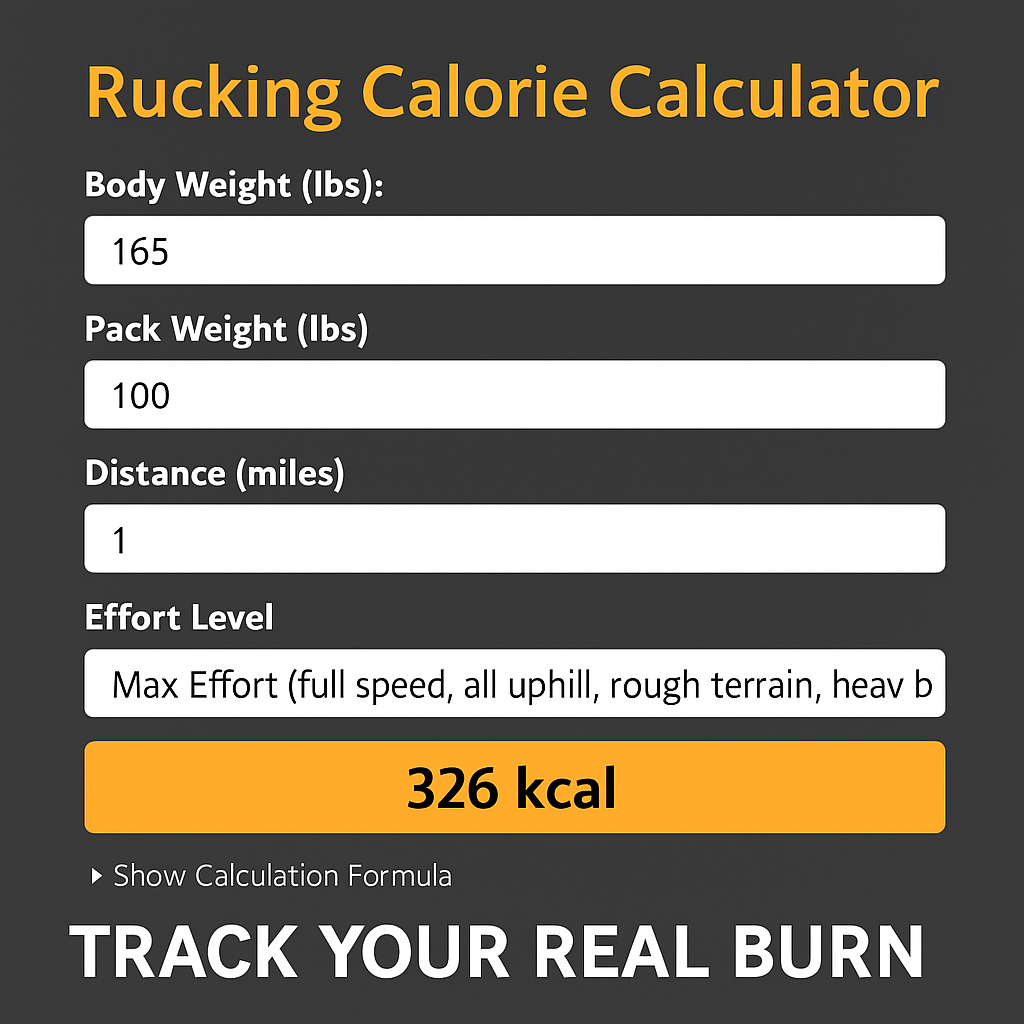
Track calorie burn and adjust nutrition around heavy work—use the calorie calculator below to estimate session expenditure and recovery needs.

Rucking Calorie Calculator screenshot

Recommended gear for heavy vest work

For max-load strength-focused vest training, the Kensui EZ-VEST® MAX V2 is built for high capacity and durable inserts. For heavy rucks combining distance and load-carrying, a purpose-built ruck like the GORUCK Rucker 4.0 20L pairs well with plates to keep weight low and centered.

Kensui EZ-VEST® MAX V2 is ideal when you plan to move toward 80+ lbs safely.


Kensui EZ-VEST MAX V2 heavy capacity weighted vest
High-capacity vest built for heavy strength and ruck-style loading.

GORUCK Rucker 4.0 20L is my pick for long-distance weighted rucks where you need durability and good load distribution.


GORUCK Rucker 4.0 20L rucksack for heavy rucking
Durable ruckpack that pairs well with plates for long weighted marches.

Train smart: progress slowly, track your load, and prioritize technique. Heavy vests can deliver massive gains in resilience and metabolic output when used with respect and a plan.

Posted in Weighted Vest Training | Tagged , , , | Comments Off on How to Train Safely and Effectively with an 80lb Weight Vest

How to Maximize Weighted Vest Workout Running for Strength and Endurance

Weighted Vest Workout Running: The Complete Guide

If you’re looking to amplify your cardio and build real-world strength, weighted vest workout running turns a regular run into a full-body conditioning session. Adding weight to your runs challenges your muscles, boosts calorie burn, and increases stamina—all benefits that serious athletes and everyday ruckers can appreciate.

What Is Weighted Vest Workout Running?

Weighted vest workout running involves strapping on a load—typically 4 to 40 lbs, depending on ability—in a vest that keeps the weight close to your torso. By evenly distributing resistance, you push your body beyond what unweighted training offers. This elevates your intensity for the same distance and time, building both cardiovascular endurance and muscular power.

Benefits of Running with a Weighted Vest

  • Boosts Caloric Burn: The extra load forces your muscles to recruit more fibers and burn more energy per mile.
  • Improves Bone Density: The impact from running with added weight increases bone-strengthening stimulus.
  • Develops Functional Strength: Your core, legs, and even posture muscles work harder to stabilize and move efficiently.
  • Enhances Speed Training: Many runners use vests for sprint intervals, then shed the weight to feel lighter during races.

Best Weighted Vests for Running

Comfort, fit, and the ability to adjust weight are critical. For balanced, chafe-free running sessions, consider reputable models like the Wolf Tactical Adjustable Weighted Vest or the 5.11 Tactical Unisex TacTec Trainer Weight Vest. Both are stable and breathable for longer runs, with secure adjustment systems.

Wolf Tactical Adjustable Weighted Vest for running
Wolf Tactical—outstanding comfort and stability for running sessions with added load.
5.11 TacTec Trainer Weight Vest for running
5.11 TacTec Trainer—legendary durability and even load distribution, ideal for high-mobility workouts.

How to Start Weighted Vest Run Workouts

  • Start Light: Begin with 4–10% of your body weight to avoid injury.
  • Shorten Your Sessions: Cut your normal distance in half initially to let joints and muscles adapt.
  • Focus on Form: Keep steps short, core tight, and posture upright.
  • Build Gradually: Increase either intensity or distance—never both at the same time.

Sample Weighted Vest Running Workouts

  • Warm-up: 5 minutes light jog without weight
  • Main Set: 1 minute running with weighted vest, 2 minutes walking (repeat for 5–8 rounds)
  • Cool down: Walk 5–10 minutes, remove vest for last couple of minutes

Important Safety Tips

Listen to your joints and back! If you feel sharp pain, lighten the load or break up longer efforts with walking segments. Hydrate before and after, since weight work increases exertion and dehydration risk.

Calculate Your Calorie Burn

Wondering just how many extra calories you’ll torch during a weighted vest run? Use our free calculator to estimate results based on your pace, body weight, and load:

Rucking calorie calculator screenshot
Try the rucking calorie calculator to track estimated calorie burn when running with a vest.

Weighted vest workout running is a perfect way to get stronger, leaner, and tougher—no gym required. Start easy, prioritize quality gear, and watch your endurance and intensity explode over time!

Posted in Rucking | Tagged , , , , | Comments Off on How to Maximize Weighted Vest Workout Running for Strength and Endurance

How to Make the Most of Your Supreme Gear Weighted Vest

Why Use a Supreme Gear Weighted Vest?

Adding a Supreme Gear weighted vest to your training arsenal is one of the smartest ways to intensify your walks, bodyweight exercises, or outdoor rucking. With the right vest, every simple movement—from walking uphill to push-ups—burns more calories and boosts strength adaptations. But getting the best results means using your vest for both purposeful cardio and functional strength training.

Features to Look for in a Weighted Vest

  • Fit and Comfort: A good vest should hug your torso without restricting breathing or movement. Padded shoulder straps are a huge plus.
  • Adjustable Weight: Supreme Gear and similar vests typically allow for incremental loading—stick with increments that challenge but don’t overload your form.
  • Breathable Material: Choose a vest with materials that wick sweat and minimize chafing for longer sessions.

Top Training Uses for Your Supreme Gear Weighted Vest

  • Walking or Rucking: The vest transforms an ordinary stroll or hike into a calorie-burning workout—no complicated moves required.
  • Calisthenics and Strength: Add weight to push-ups, squats, or lunges for extra challenge. Progressive overload is key for muscle building.
  • HIIT Intervals: Wear the vest for hill sprints, stair climbing, or short intense bursts during circuit work.

Calorie-Burning Potential

Wearing a weighted vest increases energy expenditure. Curious how much you’re really burning? Check your personalized numbers using the Weighted Vest Calorie Calculator—it factors in your weight, vest load, pace, and route.

Weighted Vest Calorie Calculator screenshot

Use the calculator above to see how adding even a small load leads to greater calorie burn—perfect for weight management or fat loss goals.

Recommended Alternatives for Advanced Training

If you outgrow your Supreme Gear or want tougher options, check out these proven vests:

For long-distance rucking or hydration on the move, consider the CamelBak Motherlode 100oz Mil Spec Crux Hydration Backpack—perfect for staying fueled and carrying extra gear.

CamelBak Motherlode Hydration Backpack for rucking and weighted vest training
Hydration pack ideal for rucking and mixing load-carrying cardio outdoors.

Training Tips for Supreme Gear Weighted Vest

  • Start light—focus on posture, core, and keeping your breathing relaxed.
  • Gradually add weight as your body adapts. Quality reps > heavy loads early on.
  • Rotate between walks, bodyweight moves, and recovery days for balance.

With a Supreme Gear weighted vest, every session brings you closer to your goals—more muscle, less fat, greater endurance, and real-world fitness that lasts.

Posted in Weighted Vest Training | Tagged , , , , | Comments Off on How to Make the Most of Your Supreme Gear Weighted Vest

Curved Weight Vest Plates: How They Improve Comfort and Performance

Why Curved Weight Vest Plates Matter

For anyone serious about weighted vest training, choosing the right plates is essential for both comfort and long-term progress. Curved weight vest plates are specifically designed to fit the body’s natural contours, reducing pressure points and preventing unnecessary bouncing or chafing during workouts.

Advantages Over Flat Plates

  • Ergonomics: Curved plates mold to your torso, distributing load evenly across chest and back.
  • Stability: Secure fit minimizes shifting, which is especially helpful for running, rucking, or plyometric exercises.
  • Comfort: Reduces the likelihood of bruising, soreness, or discomfort on long walks or high-intensity sessions.

Top Recommended: WOLF TACTICAL Weight Vest Plates

If you’re searching for high-quality curved vest plates, the WOLF TACTICAL Weight Vest Plates are a favorite in the rucking and training community. These plates have a multi-curve design that helps them stay close to your body without restricting movement.

WOLF TACTICAL weight vest plates curved for comfort
WOLF TACTICAL curved weight plates: contoured for a snug, comfortable fit during any movement.

These work perfectly in weighted vests such as the Wolf Tactical Adjustable Weighted Vest or most standard plate carrier vests.

Application: Everyday Training and Rucking

Curved plates are an upgrade for anyone using a weighted vest for walking, bodyweight circuits, or even load-bearing hikes. Whether you aim to burn more calories, build core stability, or prepare for rugged outdoor events, comfort matters.

How Many Calories Do You Burn?

Your calorie burn depends on your weight, vest load, pace, and time spent moving. Use the weighted vest calorie calculator to estimate your energy burn and fine-tune your training intensity.

Rucking Calorie Calculator Screenshot

This tool lets you track progress so your weighted-vest efforts always move you forward. For a deep dive on energy use and training options, visit our weighted vest calorie calculator landing page.

Pro Tips For Best Results

  • Secure plates tight to your body for minimal shift.
  • Pair curved plates with a vest that offers plenty of adjustment (like Wolf Tactical or 5.11 TacTec).
  • Start with lower loads (10-20 lb) to build core and shoulder endurance before progressing.
  • Keep sessions under 60 mins at first to allow for adaptation—comfort will translate to better long-term results.

If you routinely experience discomfort or hate the “bounce” of flat plates, give curved plates a try and notice the difference in every step, jump, and rep.

Posted in Weighted Vest Training | Tagged , , , , | Comments Off on Curved Weight Vest Plates: How They Improve Comfort and Performance

How to Use a GORUCK Training Weight Vest for Maximum Results

Why the GORUCK Training Weight Vest Stands Out

Weight vests have become essential gear for anyone looking to push physical boundaries, and the GORUCK Training Weight Vest stands at the forefront thanks to its durability and versatility. Whether you’re preparing for a GORUCK Challenge, expanding your rucking regimen, or adding load to calisthenics workouts, this vest can elevate your training—indoors or outdoors.

Key Features of the GORUCK Training Weight Vest

  • Premium materials resist abrasion and moisture for outdoor field use.
  • Comfortable padded shoulder straps minimize chafing across long distances.
  • Customizable fit for a range of torso sizes, easily secured for dynamic movement.
  • Compatible with standard ruck weight plates for adjustable loads.
GORUCK Training Weight Vest for ruck training and calisthenics
Built for serious ruckers—comfort and stability, even with heavy plates in the GORUCK Training Weight Vest.

How to Structure a GORUCK Weight Vest Routine

  1. Warm-Up: 5-10 minutes of brisk walking, shoulder mobility drills, bodyweight squats.
  2. Loaded Rucksack Walk: Start with 20-30 minutes at a steady pace. Add intervals of hills or stairs as you progress.
  3. Functional Movements: Try push-ups, lunges, or step-ups wearing your vest to improve all-around fitness.
  4. Cool Down: Focused stretching for hips, shoulders, and back, especially after carrying added weight.

If you’re new to weighted vests, keep the load under 10% of bodyweight to start—gradually increase as your strength and stamina grow.

Track Your Calorie Burn with Our Calculator

One key benefit of training in a GORUCK vest is increased calorie expenditure. To make tracking your progress simple, use our Rucking Calorie Calculator for a precise estimate tailored to your activity, weight, and pace.

Screenshot of the Rucking Calorie Calculator

Estimate your calorie burn for every outdoor session with the easy-to-use calculator.

Advanced Gear Pairings for GORUCK Training

For those serious about long rucking distances or tactical simulation, consider complementing your vest with hydration packs like the CamelBak Motherlode 100oz Mil Spec Crux Hydration Backpack. This allows you to combine upper body loading with sustained endurance, keeping you fueled and comfortable during extended efforts.

CamelBak Motherlode Tactical Hydration Backpack for rucking
Hydrate smart on long rucks with the CamelBak Motherlode’s spacious water reservoir and rugged build.

Final Thoughts

Training with a GORUCK-weighted vest takes rucking to another level. Focus on progressive overload, smart recovery, and regular tracking for optimal gains. With the right schedule and commitment, this gear can meaningfully impact your endurance, strength, and calorie burn every week.

Posted in Weighted Vest Training | Tagged , , , , | Comments Off on How to Use a GORUCK Training Weight Vest for Maximum Results

MIR Air Flow Weighted Vest: fit, ventilation, and real-world use

Why the MIR Air Flow weighted vest matters for real training

The MIR Air Flow weighted vest is designed around breathability and comfort — two things that determine whether a vest gets used or stays in the closet. I write from the perspective of a trainer and long-time rucker: ventilation, trusted fit, and predictable loading make the difference between a 20‑minute walk and a repeatable, daily conditioning habit.

What “air flow” changes for your workouts

Vests with purpose-built airflow channels reduce heat buildup, chafing, and the tendency to hike posture forward as your chest gets hot. That matters whether you’re doing short HIIT sets, long rucks, or loaded walking around town. The MIR Air Flow approach focuses on keeping core temperature manageable so you can stay consistent.

Fit, feel, and how to choose a weight

Fit determines utility. A vest that rides up, bounces, or concentrates load on one area will force you to compensate in movement and posture. When you demo a MIR Air Flow or similar vest, check these points:

  • Shoulder strap width — wider straps spread load across traps and reduce hotspotting.
  • Torso wrap — the belly band should lock the vest in place without over-compressing breathing.
  • Modular loading — plates or sand pouches that let you add or remove 2–5 lb increments are ideal for progression.

For most people starting out, 5–10% of bodyweight is a sensible first week; move up slowly. If you’re doing repeated rucks or long walks, add small increments (2–5 lb) every 1–2 weeks, depending on recovery and performance.

Training templates that work with an airflow vest

  • Short walk + tempo: 30–45 minutes at conversational pace, finish with 5 minutes of brisk walking.
  • Conditioning ladder: 3 rounds — 5 min steady, 2 min brisk, 1 min power walk, rest 90s.
  • Strength hybrid: 2–3 sets of bodyweight squats or lunges between 10–20 minute loaded walks.

How many calories will you burn?

Calorie burn depends on weight, pace, terrain, and vest load. Use the Rucking Calorie Calculator to estimate your session burn and tailor your plan. Click the screenshot below to open the calculator and plug in your numbers.

Rucking calorie calculator screenshot

Recommended gear to pair with a MIR Air Flow vest

For comfort-focused training, I often recommend a simple, ventilated vest or a hydration-enabled rucksack for longer sessions. Two practical options to consider:


WOLF TACTICAL Simple Weighted Vest (Men/Women)
WOLF TACTICAL Simple Weighted Vest — good starter vest for comfort and fit.

Compare vendor specs and sizing when you shop. The WOLF TACTICAL Simple Weighted Vest is a reliable, budget-friendly option if you want a breathable, no-frills design.


CamelBak Motherlode 100oz Mil Spec Crux Hydration Backpack
CamelBak Motherlode — hydration and load-carrying for longer rucks.

If you plan longer rucks or need hydration on the move, consider the CamelBak Motherlode for a durable pack that plays well with ventilated vests.

Final practical tips

Break in any MIR Air Flow style vest with short sessions, focus on posture, and track how heat, chafe, and breathing change as you add weight. I lost 90 lbs through rucking, weighted‑vest training, and disciplined nutrition, and I still recommend weighted vests as one of the most reliable ways to maintain a lower body weight and burn fat consistently.

Use the calorie calculator above, start light, and prioritize comfort — if you can wear the vest daily without pain, you’ll get the consistent sessions that produce results.

Posted in Weighted Vest Training | Tagged , , , , | Comments Off on MIR Air Flow Weighted Vest: fit, ventilation, and real-world use

Weighted Sensory Vest for Adults: A Practical Guide to Fit, Use, and Safety

Why adults use a weighted sensory vest

Weighted sensory vests are a tactile tool to increase proprioceptive input, calm an overactive nervous system, and improve body awareness during movement. For adults—whether neurodivergent, recovering from injury, or simply seeking added stability during walking or rucking—these vests are a low-risk way to layer sensory feedback without sacrificing mobility.

Who benefits most

In practice I see three clear groups who benefit from an adult sensory vest:

  • People who need consistent deep pressure input for focus or anxiety control.
  • Clients rehabbing balance and proprioception after lower-body injury.
  • Ruckers and walkers who want gentle, even load distribution for posture and core engagement.

Choosing the right weight and fit

Adult sensory vests differ from heavy training vests. The goal is steady, evenly distributed pressure—not maximal load. Start with 1–5% of body weight for sensory work, often 4–10 lb for most adults. Ensure the vest sits flush against your torso, doesn’t pinch, and allows full shoulder and hip mobility.

Fit checklist

  • Adjustable straps that compress the vest without digging into ribs.
  • Removable pockets or soft weights so you can fine-tune pressure.
  • Low-profile seams and breathable material for longer wear.

Using a sensory vest safely

When you introduce a vest, follow a simple progression. Wear it for short sessions (10–20 minutes) while seated or walking, then increase duration as tolerated. If you plan to combine sensory use with fitness (walking, light rucks), keep the load light and monitor breathing and posture. Stop if you feel sharp pain, tingling, or dizziness.

Daily protocol example

  • Week 1: 10–15 minutes seated activities (reading, focused tasks).
  • Week 2: 15–30 minutes standing and low-intensity walking.
  • Week 3+: Add light mobility or short neighborhood walks, staying within comfort.

Product picks for adult sensory vests

For sensory-style use favor lighter, adjustable vests with soft weights. For gentle daily compression I often recommend simple adjustable options that allow micro-adjustment of pressure.


BAGAIL adjustable weighted vest for adults 4-10 lb
Light, adjustable vest ideal for sensory input and short walks.

Another option with a clean cut and adjustable panels that works well under jackets is the Wolf Tactical Simple Weighted Vest. It provides slightly more structure while still supporting removable weights for precise pressure.


WOLF TACTICAL Simple Weighted Vest for walking and rucking
Structured, comfortable vest with removable plates—good for everyday wear and light activity.

When to combine sensory work with rucking or training

If your goal is endurance or gradual weight-bearing conditioning, keep sensory vests on the lighter side and progress slowly. For longer walks or mixed cardio, consider switching to a ruck-style pack once you exceed 10–15 lb—ruck packs distribute load differently and are built for walking volume.

Calculate a conservative starting weight

Use the rucking calorie calculator below to estimate activity intensity and decide whether to stay with a sensory-weight vest or shift to a ruck. The tool is designed for weighted walking and helps you balance session length and perceived effort.


Rucking calorie calculator screenshot

Final practical notes

Start light, prioritize comfort, and keep sessions short while you adapt. Sensory vests are a tool—not a cure—and work best alongside consistent movement, hydration, and sleep. If you’re unsure about sensory dosing or have medical concerns, consult a clinician before long-term use.

Posted in Weighted Vest Training | Tagged , , , , | Comments Off on Weighted Sensory Vest for Adults: A Practical Guide to Fit, Use, and Safety

Rogue Tactical Vest: A Practical Guide to Weighted Vest Training

Why Consider a Rogue Tactical Vest for Your Workouts?

Weighted vest training has exploded in popularity, with many searching for the best gear to elevate their rucking, walking, or bodyweight workouts. The Rogue Tactical Vest stands as one of the most recognized names in this niche, but what sets it apart from other options?

Key Features of Tactical Vests

  • Durable construction designed for high-intensity fitness
  • Adjustable weight for scalable resistance
  • Military-inspired design for maximum comfort and range of motion

While Rogue Tactical Vests are trustworthy, it’s important to note there are comparable alternatives that serve the same purpose. For example, the Wolf Tactical Adjustable Weighted Vest remains a favorite for all-day comfort on rucks or calisthenics workouts:

Wolf Tactical Adjustable Weighted Vest for functional fitness and rucking
Wolf Tactical’s Adjustable Weighted Vest is secure, comfortable, and offers scalable load for beginner to advanced athletes.

How Much Weight Should You Use in a Tactical Vest?

Whether going for long rucks, stair climbs, or workouts in the park, 10–20% of your bodyweight is a sweet spot for most. Tactical vests are designed for balanced load distribution so you can safely increase intensity without sacrificing movement. Load flexibility is key—choose a vest that’s quick to adjust as your fitness grows.

What Workouts Benefit Most from Tactical Vests?

  • Rucking and hiking for improved cardiovascular conditioning
  • Bodyweight conditioning: push-ups, pull-ups, air squats
  • Outdoor sprints and stair climbs for leg and heart strength

Track Your Calorie Burn with Weighted Vests

If you want real data on your calorie burn while rucking or performing weighted vest workouts, try our Rucking Calorie Calculator—it estimates calories burned based on your vest weight, pace, and body stats:

Rucking Calorie Calculator screenshot

For more weighted-vest specific calorie insights and detailed burn estimates, check out our full Weighted Vest Calorie Calculator post.

Comparing Tactical Vests

  • Rogue Tactical Vest: Premium build, ideal for military-style workouts and advanced users
  • Wolf Tactical Vests: Accessible, budget-friendly, fits most users, easy to adjust and ideal for comfort
  • 5.11 TacTec Trainer: Excellent comfort for longer rucks or longer training sessions

Hydration and Support Gear

If you’re hitting long distances or training in the summer, consider hydration support. A rucksack like the CamelBak Motherlode 100oz Mil Spec Crux Hydration Backpack can make a huge difference:

CamelBak Motherlode Tactical Hydration Backpack for long rucks and outdoor workouts
Hydrate on the move with the CamelBak Motherlode. Adjustable, rugged, and hydration-ready.

Whether you go with a Rogue Tactical Vest, Wolf Tactical, or other leading brand, the key is consistency and correct load. Build up gradually and use tools like the calorie calculator to stay dialed in on progress.

Posted in Weighted Vest Training | Tagged , , , , | Comments Off on Rogue Tactical Vest: A Practical Guide to Weighted Vest Training

Finding the Heaviest Weighted Vest for Intense Training

The Heaviest Weighted Vest: Who Needs It?

The search for the heaviest weighted vest isn’t just about bragging rights—it’s about unlocking the next level in functional strength, power, and endurance training. Heavier vests are ideal for seasoned athletes, tactical professionals, or anyone who wants to dramatically intensify bodyweight workouts, rucking, or calisthenics. But with great weight comes the need for rugged construction, secure fit, and safety awareness.

How Heavy Can Weighted Vests Go?

Most commercial vests range between 20 and 45 lbs, but some models, like the Kensui EZ-VEST® MAX V2, push the upper limit to 300 lbs, thanks to innovative barbell plate compatibility. If your goal is truly heavy loading, look for:

  • Load Capacity: Ability to safely support 100+ lbs.
  • Secure Fastening: Adjustable, non-chafing harnesses and reinforced seams.
  • Plate Compatibility: The ability to use regular weight plates provides elite loading flexibility.
Kensui EZ-VEST MAX V2 heaviest weighted vest barbell plate compatible
The Kensui EZ-VEST® MAX V2 supports up to 300 lbs—perfect for advanced strength and calisthenics progressions.

Advanced Applications and Cautions

Using the heaviest weighted vest is not just about raw difficulty. It’s about structured progression:

  • Add incremental weight only after mastering current load/volume.
  • Emphasize joint health with thorough warm-ups and smart exercise choices.
  • For rucking, running, or stair climbs, super-heavy vests may be too risky; consider these weights for squats, lunges, dips, or pull-ups instead.

Track Your Energy Output

Lifting or rucking heavy burns major calories. Not sure exactly how much? Estimate your energy expenditure for weighted vest sessions using the Rucking Calorie Calculator:

Weighted vest and rucking calorie calculator screenshot

Just enter your vest weight, duration, and pace to see calories burned. For weighted vests specifically, you can also check out our dedicated calorie calculator.

Are There Other Heavy Vest Options?

Final Thoughts

Heaviest weighted vests demand respect—they’re tools for advanced training, not shortcuts. Always prioritize safety, progression, and smart programming. If you’re chasing strength plateaus or outdoor fitness challenges, the right heavy vest can transform your training experience. Be honest about your readiness and don’t shy from starting lighter and working up.

Posted in Weighted Vest Training | Tagged , , , , | Comments Off on Finding the Heaviest Weighted Vest for Intense Training

How to Train with a Weighted Fitness Vest for Maximum Results

Why a Weighted Fitness Vest Belongs in Your Training Toolkit

The weighted fitness vest is a serious upgrade for anyone seeking more from bodyweight workouts, walking, or running. By adding load directly to your torso, the vest amplifies calorie burn, strength gains, and muscular endurance in every session. Whether you’re an outdoor enthusiast, a gym regular, or a beginner, integrating a weighted vest can accelerate overall conditioning and help prevent plateaus.

Key Benefits of Training with a Weighted Fitness Vest

  • Increase Calorie Burn: The added resistance of a vest means your body works harder, thereby burning more calories even during low-intensity activities like walks.
  • Build Functional Strength: Weighted vests help reinforce core stability and develop power that translates directly to real-world movement patterns.
  • Versatility: Vests are perfect for walking, running, bodyweight strength circuits, and even hiking. Adjust your training intensity by simply adding or removing weight.
  • Improved Bone Density: Carrying external load forces your bones to adapt and grow stronger, especially important as we age.

Choosing the Right Weighted Fitness Vest

Fit, comfort, and adjustability are essentials. If you’re starting out or prioritize comfort for walking, the Wolf Tactical Adjustable Weighted Vest is worth considering for its cushioned straps and secure fit.

Wolf Tactical Adjustable Weighted Vest
Comfort-focused design and adjustable weight make Wolf Tactical a top choice for all around fitness.

For advanced users looking to push heavy calisthenics, the Kensui EZ-VEST® MAX V2 boasts load capacity up to 300 lbs.

Kensui EZ-VEST MAX V2 weighted vest
Engineered for serious strength training and progressive overload.

Sample Weighted Fitness Vest Workout Routine

  • Warm-up: 5 min brisk walking or dynamic stretching
  • Push-up (3×12-15)
  • Step-up (3×12 ea leg onto sturdy bench/box)
  • Bodyweight Row (3×10)
  • Walking Lunge (3×12 ea leg)
  • Weighted Vest Walk or Jog: 20-30 mins

Rest 60 seconds between sets. Start with the lightest load and gradually increase as strength improves.

Track Calorie Burn with Our Free Calculator

Your calorie burn with a weighted fitness vest will surprise you! Use our Rucking & Weighted Vest Calorie Calculator to dial in real numbers based on your weight, speed, and payload.

Weighted Vest Calorie Calculator screenshot

Click here for the full weighted vest calorie-burn breakdown.

Bottom Line

The weighted fitness vest unlocks scalable, full-body conditioning — just strap it on for any session, indoors or outdoors. Choose the right vest for your needs, start light, and let the added challenge drive fresh results.

Posted in Weighted Vest Training | Tagged , , , , | Comments Off on How to Train with a Weighted Fitness Vest for Maximum Results