How to Use a Squat Vest to Level Up Your Workouts

Why Train with a Squat Vest?

Adding a squat vest—better known as a weighted vest—to your training opens up a new dimension of strength, endurance, and muscle-building potential. Whether you’re squatting in your garage gym, hiking outdoors, or mixing up a rucking session, a squat vest boosts resistance in a way that’s safe, adjustable, and versatile.

Benefits of the Squat Vest

  • Progressive Overload: Add or remove weight easily as you get stronger.
  • Hands-Free Resistance: Unlike dumbbells or barbells, you keep your arms free for bodyweight movement.
  • Better Posture & Core Activation: The load sits close to your center of gravity, protecting your back and challenging your core every rep.
  • Great for Home Workouts: Compact, portable, and takes up almost no space compared to gym gear.

Choosing the Right Squat Vest

For most athletes and outdoor enthusiasts, comfort and adjustability are critical. Here are some top options:

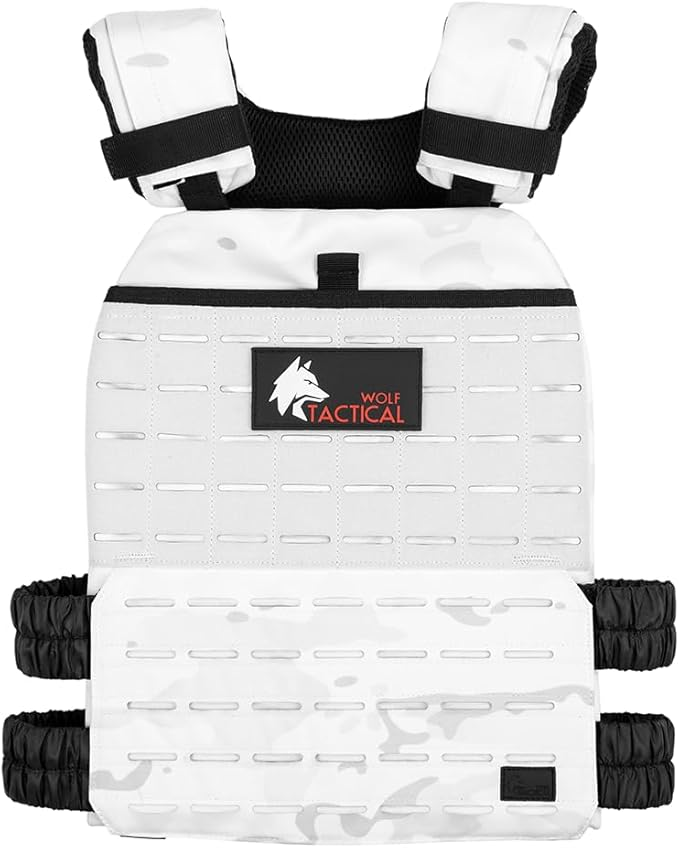
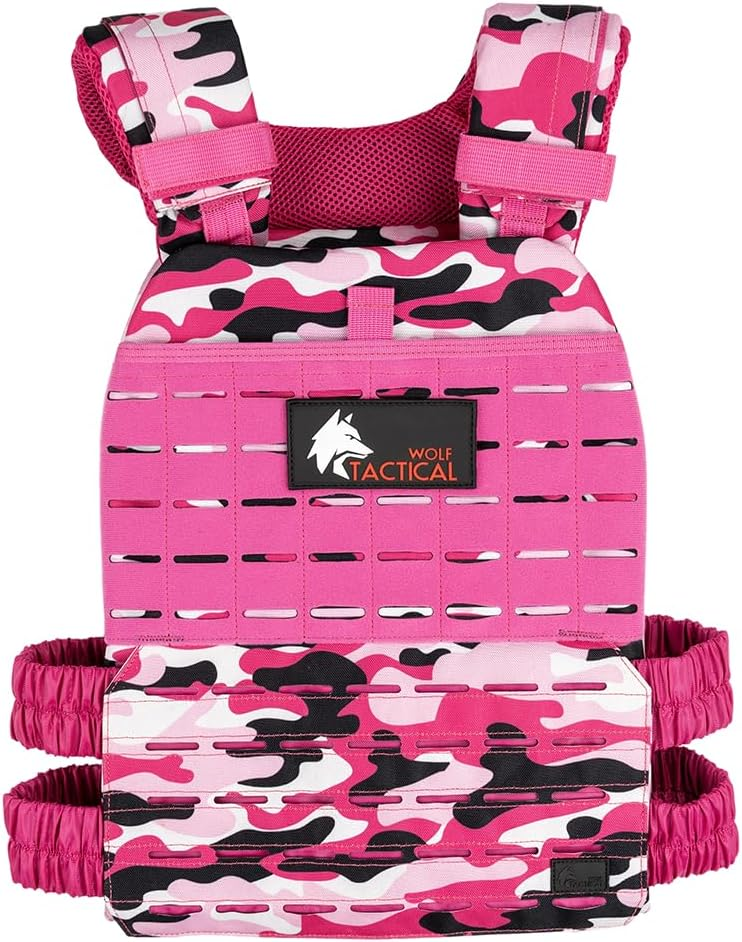
Wolf Tactical Weighted Vest for squats and bodyweight training
Wolf Tactical Weighted Vest: Perfect for squats, lunges, and all-around weighted training.
  • Kensui EZ-VEST® MAX V2 (300 lbs): Engineered for heavy lifters and athletes craving a real challenge—load up to 300 lbs, suitable even for advanced squat patterns.
Kensui EZ-VEST MAX heavy duty squat weight vest
Kensui EZ-VEST MAX handles extreme loads for maximum leg training intensity.

Squat Vest Workouts

Start with standard weighted squats: adjust the vest to your strength level and aim for 3–5 sets of 8–15 reps. Once you master that, add variations like:

  • Split squats & lunges
  • Step-ups
  • Pistol squat progressions
  • Drop sets by removing vest weight between rounds

Outdoor and Hybrid Training

Try combining a squat vest with rucking for real-world functional strength. Squat vest circuits mixed with loaded walking is where training meets adventure.

Track Progress and Burn More Calories

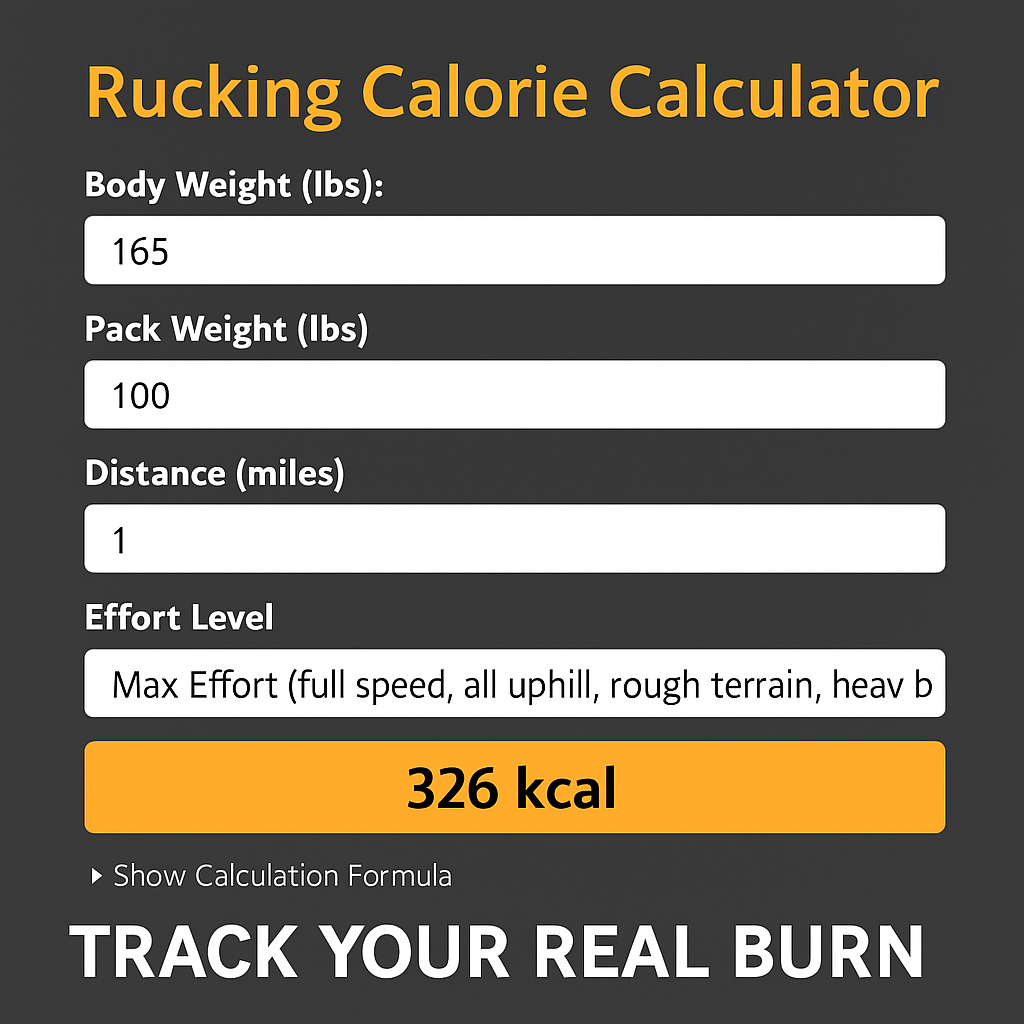
Extra load means more work and bigger calorie burn. Monitor your calorie expenditure and pace for squat vest sessions using this tool:

Rucking Calorie Calculator tool
Check your calorie burn for squat vest workouts using our free Rucking Calorie Calculator.

Try the Rucking Calorie Calculator here and see how much extra work you’re doing.

Final Thoughts

Squat vests are more than a fitness gimmick—they’re an essential tool for getting stronger, building discipline, and making simple movements brutally effective. Select a vest that matches your current level and goals, track your progress, and stay consistent. This is practical, outdoor-tested fitness at its core.

Posted in Rucking | Tagged , , , , | Comments Off on How to Use a Squat Vest to Level Up Your Workouts

How to Train Safely with a 40 Pound Vest for Rucking

Why Use a 40 Pound Vest for Rucking?

When it comes to building strength, endurance, and real-world conditioning, the 40 pound vest is a serious game changer. Adding significant weight to your rucking workouts dramatically increases calorie burn, improves muscle recruitment, and simulates the intensity of military-style training. But jumping into heavy loads too quickly can lead to setbacks, so let’s break down smart strategies for training with a 40 lb vest.

Building Up to 40 Pounds

Don’t make the mistake of starting with the full 40 pounds if you’re new to weighted walking. Instead:

  • Begin with 10-20 lbs and build up slowly over weeks.
  • Focus first on maintaining perfect posture, steady breathing, and stable footfalls.
  • Increase your vest weight by 5 lbs every 1-2 weeks if uninjured and recovery is solid.

Rushing the process only increases the risk of lower back, knee, and shoulder strain. Listen to your body; pushing through pain isn’t worth it.

Choosing the Best 40 Pound Vests

Not all vests are created equal. A well-made weighted vest offers proper balance, adjustable fit, and sturdy construction. Here are proven options:

Kensui EZ-VEST MAX V2 loaded to 40 pounds for heavy rucking
Train heavy, stay balanced: add up to 40+ lbs with the rugged Kensui EZ-VEST MAX V2.
5.11 Tactical Unisex TacTec Trainer Weight Vest for 40 lb loads
5.11 TacTec Trainer: Precision fit for long-distance comfort, easily holds 40 lb.
WOLF TACTICAL Weight Plates 20 lb pairs for weighted vest
Add reliable pairs of WOLF TACTICAL Weight Vest Plates for a balanced, secure fit at 40 pounds.

Key Safety Tips

  • Warm up: Always spend 10 minutes mobilizing hips, ankles, and shoulders before vest work.
  • Form comes first: Stay upright, core tight. Take smaller steps, and avoid leaning forward.
  • Shorten your distance: With 40 lbs, start with half your usual rucking distance. Only increase time or mileage if your joints and posture remain solid.
  • Stay hydrated: Heavy loads push you harder. Bring along extra water or mix a hydration support powder.

The Calorie Burn Advantage (With Calculator!)

Wearing a 40 pound vest can nearly double your normal calorie burn rate when walking or rucking. Find out exactly how many calories your weighted ruck burns—use our calorie calculator:

Rucking calorie calculator screenshot

Try the Rucking Calorie Calculator for personalized numbers and smarter progress tracking.

Final Thoughts

Training with a 40 pound vest isn’t just for advanced ruckers or military prep. Gradual, disciplined progression—paired with quality equipment—builds functional strength, resilience, and unmatched calorie burn. Keep focus on form, recovery, and long-term consistency for the best results.

Posted in Rucking | Tagged , , , , | Comments Off on How to Train Safely with a 40 Pound Vest for Rucking

Weighted Vest Heart Rate Increase: What to Expect When You Train

Understanding Weighted Vest Heart Rate Increase

Rucking or walking with a weighted vest challenges your cardiovascular system more than unweighted training. The extra load forces your body to work harder, so your heart has to pump more blood to support active muscles. But what does this really mean for your heart rate, safety, and training results?

How a Weighted Vest Influences Your Heart Rate

  • Increased Load: Carrying extra weight, even as little as 10–20 lb, ramps up energy demands.
  • Cardiac Output: Your body compensates for higher muscle activity by making your heart beat faster—studies show an increase of 8–20 bpm is common, depending on load and fitness.
  • Intensity Matters: Steeper terrain, faster walking, or longer distances with a vest all amplify heart rate response.

Why a Higher Heart Rate Isn’t Always Bad

If you use smart pacing, this elevated heart rate is one of the biggest benefits of weighted vest rucking. It increases cardiovascular fitness, burns more calories (which helps with weight loss), and builds mental toughness. The key is not to treat every session like a race. Instead, monitor your heart rate—ideally with a wearable device—and stay within 60–85% of your max for most sessions.

Apple Watch Ultra 2 for heart rate monitoring during weighted vest workouts
Apple Watch Ultra 2 helps track heart rate trends during rucking with a weighted vest.

For precise tracking, use an Apple Watch Ultra 2 or similar device to stay alert to your cardiac zones.

Practical Safety Tips

  • Start light (10% of body weight or less) and build volume before increasing weight.
  • Anyone with heart concerns should check with their doctor before significant heart rate zone training.
  • Hydrate well and listen to your body—dizziness or shortness of breath is a signal to ease up.

Choosing the Right Weighted Vest for Cardio Training

Not all vests are equal. Select a vest with balanced weight distribution, firm fit, and ventilation. Comfort is crucial when pushing your heart rate—an ill-fitting vest doubles the discomfort without adding benefit.

Wolf Tactical Adjustable Weighted Vest for rucking fits snugly and breathes well
Wolf Tactical Weighted Vest fits snugly for stable, comfortable rucking at any pace.

The Wolf Tactical Adjustable Weighted Vest is a solid choice for beginners and experienced ruckers alike, with comfort and adjustability to keep you focused on your heart rate and performance.

Calories and Training: Quantifying Your Cardio Effort

Want to transform a heart rate spike into real results? Use a calculator to estimate calorie burn and guide your weight vest progression:

Rucking calorie calculator for weighted vest heart rate workouts

Try the Rucking Calorie Calculator (works for both backpack and weighted vest) to dial in your intensity and calories burned.

Summary

Adding weighted vest training increases heart rate, calorie burn, and cardiovascular challenge. Choose the right weight, monitor your heart rate, and use a reliable vest to maximize cardio gains while training smart. Use calculators and wearables for objective progress—and remember, the heart rate boost is a feature, not a bug.

Posted in Rucking | Tagged , , , , | Comments Off on Weighted Vest Heart Rate Increase: What to Expect When You Train

Choosing the Right Rogue Weight Plates for Your Vest

Rogue Weight Plates Vest: The Essentials

Investing in a quality weighted vest can bring a new level of challenge and effectiveness to your training. For those aiming to step up their strength, endurance, or calisthenics, pairing your weighted vest with reliable weight plates like those from Rogue is a smart move. But what should you look out for when selecting Rogue weight plates for your vest, and are there compatible alternatives?

Compatibility and Fit

One crucial consideration is compatibility — Rogue’s weight plates are designed for their specific vests, but many users also look for options that can fit universally sized vests. Always check your vest’s dimensions and plate pocket limits. Most tactical vests accommodate plates weighing from 5 to 20 lbs per plate, typically 8.75” x 11.75” in size. The tighter the fit, the less movement, which means safer runs or workouts.

Material and Ergonomics

Rogue’s plates are made from high-quality steel, offering even weight distribution and minimal rattle. This helps in workouts involving running, push-ups, or pull-ups. Ergonomically curved plates tend to hug your body better, reducing chafing and hot spots. While Rogue plates are trusted for their finish and durability, similar plates from Yes4All Ruck Weight Plate deliver solid value and fit most popular vests on the market.

Yes4All Ruck Weight Plate for use with weighted vests and rucking
Yes4All Ruck Weight Plates offer a reliable Rogue-compatible fit for most plate carrier vests.

Best Training Practices with Weighted Plates

  • Start Light: If new to vest training, begin with a lower plate weight to build strength and confidence.
  • Distribute Weight Evenly: Place matching plates in the front and back pockets to keep balance during your workout.
  • Secure the Plates: Ensure straps or Velcro are tight; shifting weight is a recipe for chafed skin and reduced performance.
  • Prioritize Quality: Don’t compromise on steel quality — cheap plates can warp or rust quickly.

Calculate Your Calorie Burn

Tracking your calorie burn is an easy way to adjust your programming and optimize your progress while using weighted vests and plates. Try the Rucking Calorie Calculator for an accurate estimate based on your body weight, ruck weight, distance, and speed.

Weighted Vest and Rucking Calorie Calculator Screenshot

Try the Rucking Calorie Calculator here.

Top Performing Vests to Use with Plates

Wolf Tactical Adjustable Weighted Vest for Rucking and Plate Training
Wolf Tactical Weighted Vest: Unmatched comfort and fit for plate-based training.
Posted in Weighted Vest Training | Tagged , , , , | Comments Off on Choosing the Right Rogue Weight Plates for Your Vest

How to Train Effectively With a 10 Pound Weighted Vest

10 Pound Weighted Vest: A Versatile Entry to Rucking and Weighted Walks

Integrating a 10 pound weighted vest into your walks or rucking routine is a smart, achievable starting point for most people. It adds enough challenge without overwhelming your joints, which is why so many trainers—including myself—recommend this setup for beginners and anyone rebuilding their cardio base.

Why Start With 10 Pounds?

  • Safe for joints: 10 lbs is enough to ramp up calorie burn, but it doesn’t overload hips or knees.
  • Accessible for all fitness levels: Suitable even if you’re just returning to regular exercise.
  • Builds confidence and consistency: It’s lightweight enough for longer sessions, enhancing your training volume safely.

Training Tips for the 10 Pound Weighted Vest

  • Progressive Overload: Start with 20-30 minute weighted walks, 2-3 times per week, adding time or distance every week.
  • Upright Posture: Focus on standing tall and maintaining a steady, rhythmic pace; don’t slump under the extra mass.
  • Mix It Up: Alternate between steady rucks, interval walks (bursts of speed), and hill climbs to keep challenging your body.

Best 10 Pound Weighted Vests: Comfort Matters

Comfort and adjustability are crucial. Two top picks from my field experience:

Why Use a 10 Pound Weighted Vest for Rucking?

  • Burns up to 20% more calories while walking moderate terrain.
  • Enhances cardiovascular adaptation without overtraining.
  • Fits under a jacket/shirt for outdoor walks even in colder months.

Track Your Results and Calorie Burn

Want to see just how much extra energy you’re burning with that 10 lb vest? Use our calorie calculator to see your estimated rucking calorie burn based on weight and pace.

Rucking calorie calculator screenshot

Try the rucking calorie calculator here—dial in your weekly plans with hard data.

Final Thoughts

Kicking off with a 10 pound weighted vest is a confidence-building step for beginners and a robust option for recovery or long sessions. Prioritize comfort, go at your own pace, and commit to consistency—those are the keys that make rucking with any extra weight a lifelong fitness strategy.

Posted in Rucking | Tagged , , , , , | Comments Off on How to Train Effectively With a 10 Pound Weighted Vest

Weighted Vest 50kg: How to Train Safely and Progress

Who should consider a weighted vest 50kg?

A 50kg (≈110 lb) weighted vest is an advanced training tool. For most people this is a heavy load that belongs in programming for experienced lifters, ruckers, or athletes with a solid base of strength and joint health. Use this guide to understand progression, safety, and real-world programming for long walks, loaded carries, and strength work.

Key safety checks before you load 50kg

  • Medical clearance: get a check-up if you have joint, back, or cardiovascular concerns.
  • Movement baseline: you should be able to bodyweight squat, hinge, and walk briskly for 30–60 minutes before adding heavy external load.
  • Load distribution: prefer plate-based vests that keep weight close to the torso and avoid shoulder pinch or excessive rocker.

Progression framework

Move slowly. If you currently use 10–20% of bodyweight, add 5–10% increments every 2–4 weeks depending on recovery. A 50kg vest is often 50–100%+ of a beginner’s bodyweight—treat it like a near-max external load. Use these phases:

  • Adaptation (4–6 weeks): short sessions, low volume, prioritize technique and posture.
  • Build (6–12 weeks): progressive increase in session length and intensity; introduce loaded carries and hill rucks.
  • Maintenance/Peaking: aim for specific events or tests; reduce volume and increase intensity.

Sample session types for heavy vests

Rotate session types across the week to manage stress on joints and the nervous system.

  • Loaded walk (endurance): 30–60 minutes at conversational pace, focus on steady breathing and posture.
  • Interval ruck: 6–8 x 2–4 minute brisk segments with 2–3 minute easy recovery.
  • Strength-focused: 3–5 sets of 4–6 reps of chin-ups, step-ups, or split squats while wearing the vest; keep reps low when load is heavy.
  • Carry work: farmers carries or short distance ruck marches with purposeful bracing.

Programming tips and recovery

Heavy vest work is systemic. Prioritize sleep, calories, and joint-friendly mobility. Use RPE 6–8 for most sessions; reserve RPE 9–10 for controlled test days. If you experience joint pain (not just soreness), deload and reassess technique and load distribution.

Tools and equipment I recommend

For true heavy loading I recommend plate-based systems that can safely carry 50kg. The Kensui EZ-VEST® MAX V2 is built for large-volume loading and structured strength work.


Kensui EZ-VEST MAX V2 heavy duty weighted vest for 300 lbs
Kensui EZ-VEST® MAX V2—designed for very heavy weighted-vest work and safe plate distribution.

When I talk about long-distance ruck or mixing cardio with load, I also recommend a dependable hydration setup like the CamelBak Motherlode for on-route hydration and comfort.

Estimate calorie burn (quick tool)

If you want to estimate energy expenditure for heavy vest rucks, use the rucking calorie calculator. It helps set realistic nutrition and recovery targets for loaded walks and heavy sessions.


Rucking calorie calculator screenshot

Final notes from an ISSA-certified perspective

I lost 90 lbs through consistent rucking, weighted-vest training, and disciplined nutrition; heavy vests were a controlled way to progress strength and caloric burn. A 50kg vest is an advanced tool—respect it, program conservatively, and focus on consistent incremental progress rather than chasing high numbers prematurely.

Quick checklist before your first 50kg session

  • Medical clearance and movement baseline
  • Progressive ramp (start lighter)
  • Good footwear, load distribution, and hydration
  • Planned recovery and nutrition
Posted in Weighted Vest Training | Tagged , , , | Comments Off on Weighted Vest 50kg: How to Train Safely and Progress

Full Body Weight Suit: How to Train Safely and Progress

Why a full body weight suit matters for strength and conditioning

A full body weight suit (sometimes called a weighted suit) distributes load across shoulders, chest, and hips to add resistance to bodyweight movements and walking. Unlike a plate carrier or traditional vest, a well-designed suit stays close to the torso and lets you move freely through pull-ups, push-ups, squats and sprint drills while increasing intensity without changing technique.

Who should consider a full body weight suit

  • Calisthenics athletes progressing beyond bodyweight.
  • Outdoor trainers who want scalable resistance for hikes and trail runs.
  • Anyone looking to increase workload without awkward plates or shifting ballast.

Key fit and safety considerations

A proper fit is more than comfort — it preserves movement patterns and reduces joint stress. When shopping for a suit, prioritize:

  • Secure, low-profile weight pockets that don’t ride up during reps.
  • Adjustability across torso length and shoulder straps.
  • Materials that breathe and don’t chafe when wet.

Start light. If you’re new to weighted suits, add 5–10% of your bodyweight in small increments and test technique across basic movements before increasing load.

Training progressions with a full body weight suit

The suit is a tool, not a shortcut. Use it to overload movements while keeping tempo and joint alignment consistent.

  • Beginner: bodyweight sets with short rest, then add 2–5 lb plates in the suit for the last set.
  • Intermediate: add 5–15% bodyweight for 3–5 rep strength sets (pull-ups, dips, pistol squats).
  • Advanced: timed circuits, weighted sprints, or loaded hiking for conditioning.

Pair weighted-suit sessions with dedicated mobility days and lower-intensity aerobic work to keep tissue healthy.

Sample workout (intermediate)

  • Warm-up: 10 minutes dynamic mobility.
  • Pull-ups (weighted suit): 5 sets of 3–6 reps.
  • Pistol progressions (weighted suit): 4 sets of 5 per leg.
  • Loaded farmer carry or 400m weighted sprint x 4.
  • Cooldown: soft tissue work and 10 minutes low-intensity walking.

Equipment recommendations

If your focus is heavy calisthenics and reliable loading, consider a heavy-duty designer built for plates and high-repeat use. For high-load calisthenics, the Kensui EZ-VEST® MAX V2 is designed to hold very large loads safely while allowing full range of motion.


Kensui EZ-VEST MAX V2 full body weighted vest for heavy calisthenics
High-capacity weighted vest built for heavy calisthenics and progressive overload.

For a user-friendly, lower-profile option that works for beginners and long sessions, the WOLF TACTICAL Simple Weighted Vest balances comfort and modular weight systems for interval and endurance work.


Wolf Tactical Simple Weighted Vest for walking and training
Comfort-focused vest that’s easy to adjust for walking, circuits, and beginner strength work.

Track workload and calories

When you add a suit, training load and calorie cost change. Use the rucking calorie calculator below to estimate energy expenditure for weighted walks and loaded sessions. It’s a practical baseline for planning recovery and nutrition.


Rucking calorie calculator screenshot

Tips for steady results

  • Prioritize movement quality over load increases.
  • Add no more than 5–10% extra load every 2–4 weeks, depending on recovery.
  • Rotate heavy suit sessions with lower-load strength or aerobic days to avoid overuse.

Full body weight suits are a versatile tool when used with a plan: progressive overload, sensible recovery, and steady tracking of training stress will deliver consistent strength and conditioning gains outdoors and in the gym.

Posted in Weighted Vest Training | Tagged , , , , | Comments Off on Full Body Weight Suit: How to Train Safely and Progress

Weighted Vest Bodyweight Workouts: Enhance Strength and Endurance

Why Weighted Vest Bodyweight Workouts Work

Adding a weighted vest to your bodyweight workouts is one of the most effective ways to boost strength, build muscle, and increase your endurance — all with minimal equipment. Weighted vests allow you to scale classic movements, from push-ups to squats, providing progressive overload that your muscles need to grow and adapt. These workouts fit perfectly for athletes training outdoors, hikers wanting more challenge, and anyone who wants to amplify results with just their bodyweight and a vest.

Best Exercises for Weighted Vest Bodyweight Workouts

  • Push-Ups: A top choice — the extra resistance forces your upper body and core to work harder.
  • Pull-Ups & Chin-Ups: Adding vest weight intensifies these classic moves for real back and arm growth.
  • Squats: Perfect for leg power and endurance — try air squats, split squats, or jump squats.
  • Lunges: Walking lunges target your glutes and quads with dynamic core activation.
  • Planks: Increase core challenge for stronger abs and shoulders.
  • Burpees: This metabolic blaster becomes a serious challenge with added weight.

Sample Weighted Vest Workout Routine

  • Warm-Up: 5–10 minutes of brisk walking or dynamic mobility
  • 3×10 Weighted Push-Ups
  • 3×8 Weighted Pull-Ups or Inverted Rows
  • 3×15 Weighted Squats
  • 3×10/leg Weighted Lunges
  • 3x30s Weighted Plank

Rest 60 seconds between sets — adjust the vest’s weight for your fitness level. Beginners should start on the lighter side; adding just 5-10 lbs can make a big difference without compromising form.

Best Weighted Vests for Bodyweight Training

Choosing the right vest is essential for comfort and performance. For most bodyweight workouts, a comfortable, balanced, and easily adjustable vest is key:

Wolf Tactical Adjustable Weighted Vest for bodyweight workouts
Wolf Tactical’s adjustable design fits most body types and stays close to your torso as you move.

The Wolf Tactical Adjustable Weighted Vest is ideal for all-around bodyweight training: flexible, snug, and able to handle both beginner and advanced routines.

5.11 Tactical Unisex TacTec Trainer Weight Vest for bodyweight exercises
5.11 TacTec Trainer is a proven favorite for CrossFit and outdoor athletes.

The 5.11 Tactical Unisex TacTec Trainer Weight Vest is another trusted choice—comfortable, breathable, and elite-level durable.

Tracking Progress and Burned Calories

Tracking your calorie burn during weighted vest sessions helps you fine-tune both training and nutrition for fat loss or muscle building. Use this simple calculator to find out how many calories you burn during your workout:

Weighted Vest Calorie Burn Calculator screenshot

Try the weighted vest calorie calculator to estimate your calorie burn for every session—helpful for targeting strength or fat loss goals.

Tips for Safer, Better Results

  • Start light and gradually add weight as your strength improves.
  • Prioritize perfect form over increasing load too fast.
  • Aim for variety—mix squats, pushes, pulls, and core work.
  • Stay hydrated, especially in hot weather or longer sessions.

Weighted vest bodyweight workouts deliver outstanding results with just a vest and your body — wherever you train.

Posted in Rucking | Tagged , , , , | Comments Off on Weighted Vest Bodyweight Workouts: Enhance Strength and Endurance

5.11 Weight Vest for Superior Weighted Training

Training Outdoors with the 5.11 Weight Vest

Whether you’re hitting steep trails, park steps, or training right in your backyard, the 5.11 weight vest stands out as a premium option for anyone serious about adding resistance to their fitness routine. Designed for functional fitness, rucking, and everyday wear, this tactical vest is known for its comfort, adjustability, and outstanding durability. Let’s break down what makes the 5.11 TacTec Trainer Weight Vest a favorite among athletes and outdoor enthusiasts alike.

Advantages of the 5.11 TacTec Trainer

  • Exceptional Fit and Comfort: The vest offers padded shoulder straps, breathable mesh, and easy size adjustments. It remains secure and comfortable through a range of exercises and long hikes.
  • Versatile Weight Loading: This vest accepts standard weight plates, making it easy to adjust your load for different workouts, from bodyweight drills to heavy rucks.
  • Durability: Heavy-duty material, reinforced stitching, and high resilience make it a solid investment for tough outdoor sessions in all seasons.
  • Functional Details: Quick-release mechanisms, MOLLE compatibility, and laser-cut slots mean you can customize it for hydration, storage, or tactical training.

Who Should Use the 5.11 Weight Vest?

If you’re focusing on calisthenic strength, cross-training, or want to ramp up your walking and rucking sessions, the 5.11 vest is ideal. It’s equally at home in the gym or on the trail. Beginners benefit from its ergonomic design, while seasoned ruckers appreciate the secure fit when moving fast with heavier loads.

5.11 Tactical Unisex TacTec Trainer Weight Vest - rugged and comfortable
Athlete-trusted, the 5.11 TacTec delivers legendary comfort and military-grade durability for weighted vest training and rucking.

Integrating the 5.11 Weight Vest into Your Routine

  • Walking and Rucking: Start with 10% of your body weight for 20–30 minute rucks. Add more weight as you adapt.
  • Bodyweight Workouts: Push-ups, pull-ups, squats, and lunges become much more demanding and rewarding with the added load.
  • Cardio Burn: Intervals, hill climbs, and even light jogs are transformed, helping you burn calories more efficiently.

Estimate Calories Burned with a Weighted Vest

Wondering how many extra calories you burn during a vest workout? The Weighted Vest & Rucking Calorie Calculator takes into account your weight, vest load, pace, and total time for precise estimates—so you can train smarter.

Weighted vest calorie calculator screenshot

For weighted vest–specific details and tips, check the full landing guide.

Pro Tips for New Users

  • Start light, focus on good posture, and prioritize comfort over maximum load.
  • Mix up rucks with static strength moves for balanced progress.
  • Stay hydrated. For longer sessions, consider a bottle or hydration supplement.
Posted in Weighted Vest Training | Tagged , , , , | Comments Off on 5.11 Weight Vest for Superior Weighted Training

How to Choose a Weighted Vest for Cardio Workouts

Why Use a Weighted Vest for Cardio?

Adding a weighted vest for cardio can significantly increase the intensity and effectiveness of your workouts. Whether you prefer walking, running, rucking, or high-intensity interval training, a weighted vest boosts caloric burn and strengthens your core and stabilizer muscles. Unlike hand-held weights, a weighted vest keeps your hands free and distributes extra load naturally across your torso—making it safer and more practical for various cardio routines.

Key Benefits of a Weighted Vest

  • Enhanced Calorie Burn: More weight requires more energy, making your body work harder and increasing fat loss.
  • Improved Strength and Endurance: Regular use challenges your cardiovascular system and builds muscle endurance.
  • Functional Training: Weighted vests help mimic real-world load bearing, improving athletic performance and day-to-day strength.

Factors to Consider When Selecting a Weighted Vest

  • Adjustability: Look for vests that let you add or remove weight to customize intensity.
  • Fit and Comfort: Choose ergonomic designs that won’t chafe during movement—breathable materials and secure strapping are musts.
  • Weight Range: Beginners usually start with 5–10% of their body weight. As you adapt, you can increase the load for further challenge.

Recommended Weighted Vests for Cardio

For cardio-based routines, I recommend comfortable and well-ventilated vests designed with motion in mind:

Optimize Your Caloric Burn: Calculator Tool

Curious how many extra calories you burn using a weighted vest with your cardio? Use this free calculator to estimate your burn based on your weight, pace, and vest load:

Rucking Calorie Calculator screenshot

Try the calorie calculator here →

Safety and Best Practices

  • Start light: Let your joints adapt before increasing weight.
  • Avoid overloading: Too much too soon can increase injury risk.
  • Prioritize posture: Maintain upright form and natural stride throughout.

Using a weighted vest for cardio is a smart way to make every step count—whether you’re out for a brisk neighborhood walk or pushing through fast intervals. Train smarter, not just harder, and enjoy how a vest transforms your progress!

Posted in Rucking | Tagged , , , , | Comments Off on How to Choose a Weighted Vest for Cardio Workouts