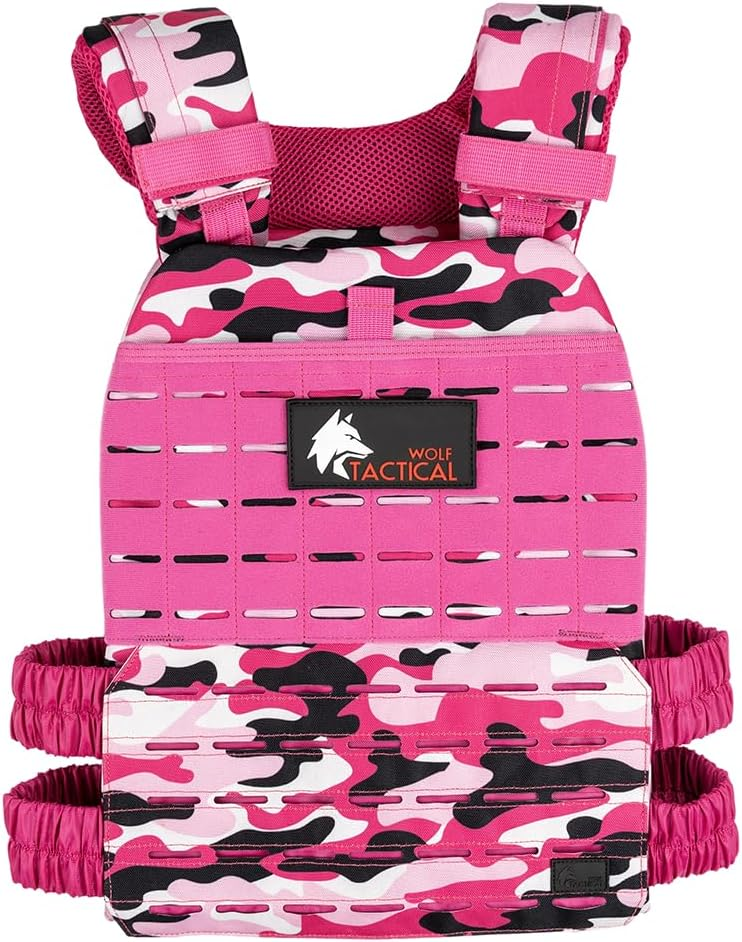
Training Plates for Vest: choosing, fitting, and loading tips

Why training plates for vest matter

Training plates change how a weighted vest performs. Plates let you tune load distribution, switch weights quickly, and adapt a vest for rucking or for high-intensity intervals. The right plates reduce bounce, prevent pressure points, and keep your center of mass where you expect it—critical when you’re out on trails or moving fast in urban rucks.

Core considerations

  • Material: steel & cast iron are compact but noisy; rubber-coated and polymer plates are quieter and protect the carrier.
  • Shape & profile: curved plates sit closer to the body and reduce movement; thin plates let you stack more weight.
  • Compatibility: check the vest’s pocket dimensions and plate orientation—some vests take flat plates only.

Types of plates and practical tradeoffs

There are three common options: standard weight plates (designed for rucking), purpose-built vest plates, and modular sand/weight pouches. For most ruckers and weighted-vest users I recommend purpose-built plates or ruck plates sized for vest pockets. They’re predictable, durable, and easier to balance.

Recommended products for training plates

Two practical options to consider based on how you train:


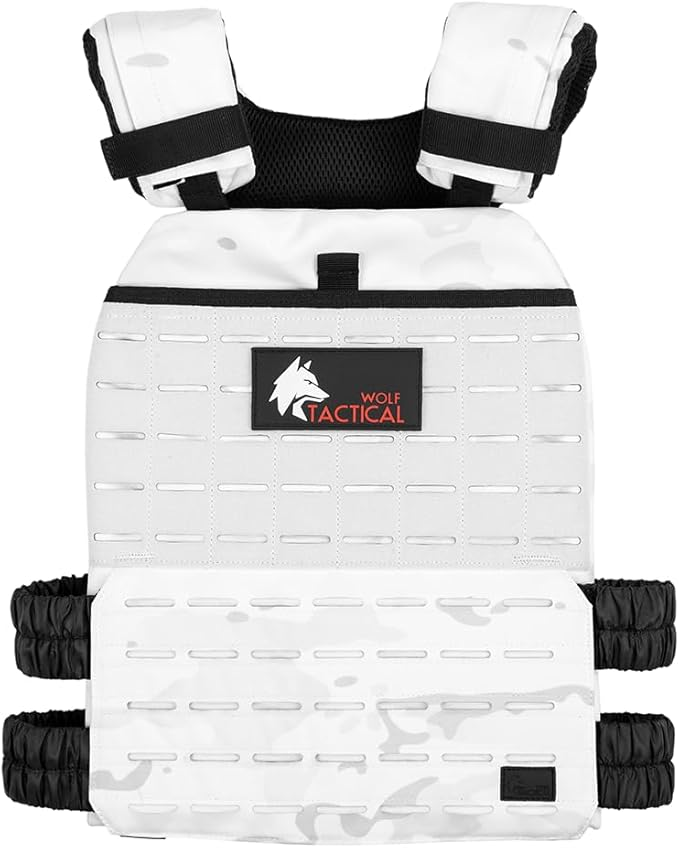
WOLF TACTICAL Weight Vest Plates pair for rucking and weighted vest
WOLF TACTICAL plates are made for vest pockets and fit most tactical vests with minimal shift.

Inline option: WOLF TACTICAL Weight Vest Plates are a solid, vest-friendly choice when you need compact, stackable plates.


Yes4All Ruck Weight Plate available in 10-45 lb for rucking
Yes4All ruck weight plates are inexpensive and ideal when you need heavier single plates for load progression.

For budget or heavier single-plate needs consider Yes4All Ruck Weight Plate—bulky but durable for steady progression.

Fit, stacking, and safety

Measure vest pocket depth and width. If you plan to stack plates, do a dry run with lighter plates first. Keep stacks centered and symmetrical—uneven loading causes gait changes and potential low-back strain. Use thin plates for long-distance rucks and slightly thicker/heavier plates for short, intense sessions.

Loading strategies

  • Progression: add 2.5–5% of bodyweight per week as your form and comfort allow.
  • Placement: heavier near the torso midline; avoid low-hanging loads that pendulum with each step.
  • Movement checks: walk 10–15 minutes at a brisk pace after reloading to verify comfort and stability.

Estimate your calorie burn and plan progression

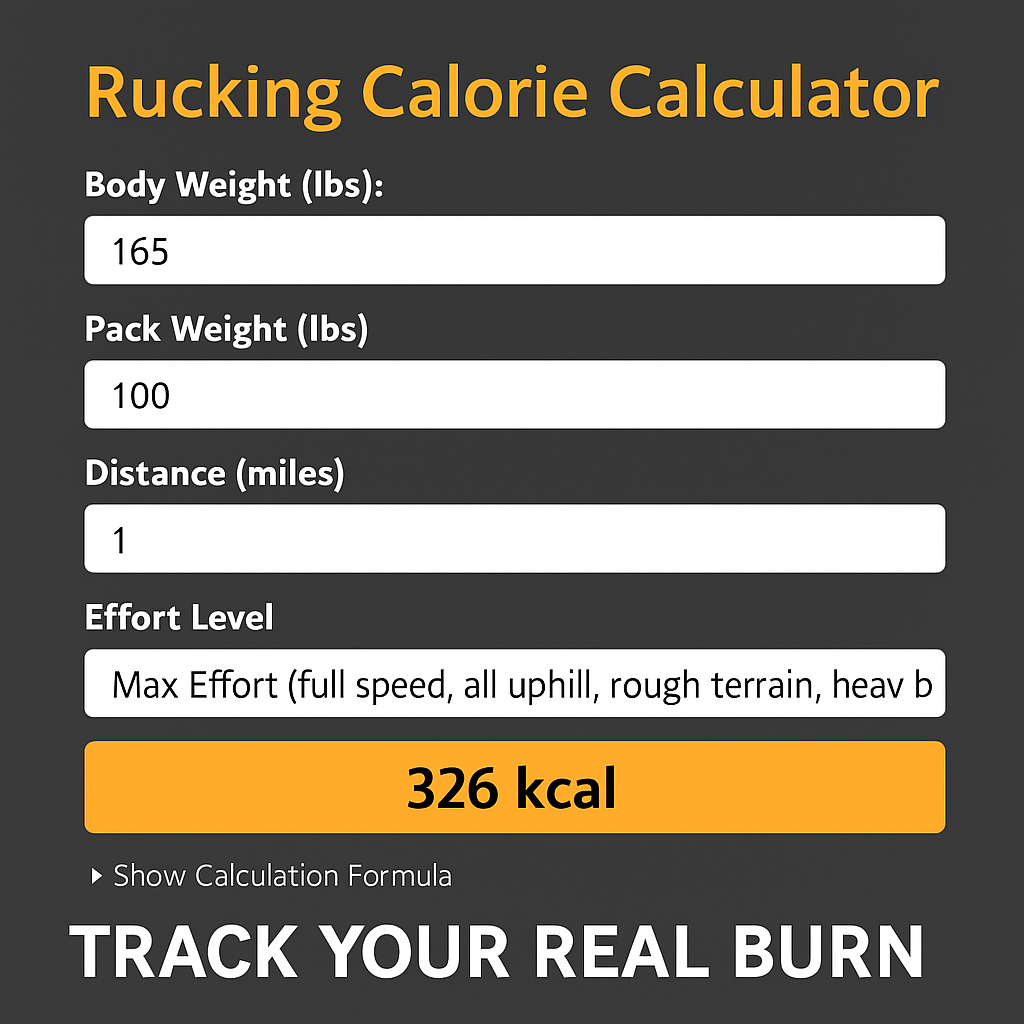
Use the calorie calculator to estimate how added vest weight affects your session burn. Enter your weight, pace, distance, and vest load to get practical numbers you can track as you add plates.


Rucking Calorie Calculator screenshot

Final tips from an ISSA trainer voice

I’ve coached dozens of ruckers on plate selection: prefer plates that sit flush, distribute load evenly, and let you adjust incrementally. I lost 90 lbs through rucking, weighted-vest training, and disciplined nutrition, and I still recommend targeted plates and vests as one of the most reliable tools to burn fat and maintain a lower bodyweight. Start conservative, prioritize posture, and treat plates as a progression tool—not instant punishment.

Quick checklist

  • Confirm pocket size before buying plates.
  • Use rubber-coated or polymer plates if you need low-noise, lower-scratch options.
  • Progress load slowly and test on a short walk before long rucks.

Training plates for vest are simple gear but make a huge difference when chosen correctly. Small, well-positioned plates beat large, shifting weights every time.

Posted in Weighted Vest Training | Tagged , , , , | Comments Off on Training Plates for Vest: choosing, fitting, and loading tips

50lbs weighted vest: how to train, ruck, and progress safely

Why a 50lbs weighted vest works

A 50lbs weighted vest is a meaningful training load for most people: heavy enough to boost calorie burn, challenge the posterior chain, and increase cardiovascular stress without adding awkward external load like a barbell. Use it for rucking, walking hills, sled-free conditioning, or bodyweight progressions. Proper programming and attention to joint health are essential—this isn’t light training or fashion.

Who should consider 50lbs

  • Intermediate or advanced trainees with a solid movement base.
  • People comfortable with brisk walking, loaded carries, or bodyweight strength sets.
  • Anyone working toward durable, carry-specific strength or higher daily calorie burn.

Programming with a 50lbs weighted vest

Treat the vest like a progressive overload tool. Start sessions with movement checks—walking, 10 bodyweight squats, and a 30–60 second loaded plank. If any movement feels compromised, drop weight or volume.

Sample weekly structure

  • 2 ruck days: 30–60 minutes steady-state with the 50lbs vest or an equivalent rucksack setup.
  • 2 strength/conditioning days: circuits of lunges, step-ups, pull-ups, and push variations with the vest for 3–5 rounds.
  • 1 mobility/recovery day: band work, foam rolling, and unloaded mobility.

Rucking, pacing, and safety

When you carry 50lbs for distance, prioritize posture. Keep a neutral spine, avoid exaggerated forward lean, and let your hips and legs do the work. On long walks, shorter steps at a higher cadence reduce impact. If you plan multi-hour rucks, break the time into 30–45 minute segments with short breaks to assess feet, hydration, and hotspots.

Hydration and fueling

Carrying extra weight increases sweat rate and energy demand. Plan water and calories accordingly. For long loaded walks I recommend mixing electrolytes and a moderate carbohydrate snack every 60–90 minutes to sustain pace. If you prefer a supplement for endurance and hydration, consider using Pump-Ocalypse for long days (I use it on longer weighted walks).

Estimate calorie burn

Use the rucking calorie calculator to estimate how much energy a 50lbs vest burns during a session. It’s a practical tool to plan nutrition and recovery—especially when you’re adding significant load to walking or hiking.

Rucking calorie calculator screenshot

Gear I recommend for heavy vest work

For heavy, consistent loads I favor durable, plate-capable systems and high-capacity carriers. Two solid options I recommend:


Kensui EZ-VEST MAX V2 adjustable weighted vest
Kensui EZ-VEST MAX V2—built for very heavy, adjustable loading and high-repetition training.

When you need plate-style loading or plan to push above 50lbs regularly, the Kensui EZ-VEST® MAX V2 offers durable construction and large capacity for progressive loading.


Yes4All Ruck Weight Plate pairs
Yes4All ruck plates provide simple, budget-friendly incremental loading for vests and carriers.

For incremental weight increases or to convert a vest to plate-loading, Yes4All Ruck Weight Plates let you tune load in small steps.

Common mistakes and fixes

  • Too much volume too soon: back off time or drop to 25–30lbs and progress weekly.
  • Poor footwear: swap to supportive boots or trail shoes with good cushioning and ankle support.
  • Ignoring recovery: foam roll, mobilize hips, and prioritize sleep when training loaded frequently.

A 50lbs weighted vest is an excellent tool when used thoughtfully. Progress slowly, prioritize movement quality, and use tools like the rucking calorie calculator to plan fuel and recovery. Train consistent, train smart, and let load be the long-term variable—not sudden spikes.

Posted in Weighted Vest Training | Tagged , , , , | Comments Off on 50lbs weighted vest: how to train, ruck, and progress safely

50 lb Weighted Vest: Safe Progression, Benefits, and Best Options

Is a 50 lb weighted vest right for you?

A 50 lb weighted vest is an advanced tool. It can accelerate strength, power, and conditioning, but only if you’ve already built a foundation with lighter loads. If you can comfortably complete 30–45 minutes of brisk walking with 20–30 lb, perform high-quality push-ups, step-ups, and squats without joint discomfort, and recover well between sessions, you’re likely ready to test the waters at 50 lb.

Who benefits most? Tactical athletes, firefighters, hikers preparing for steep elevation, and experienced calisthenics lifters. If you’re rehabbing an injury, have back or knee pain, or haven’t trained consistently for 8–12 weeks, keep building capacity at 20–35 lb first.

Benefits and risks of training at 50 lb

  • Higher strength stimulus with bodyweight movements (squats, step-ups, lunges, dips, pull-ups).
  • Increased cardiovascular demand for walking and hill repeats without high-impact running.
  • Meaningful calorie burn in shorter sessions, especially on varied terrain.
  • Risks: spinal and knee stress if the vest rides low, poor breathing if it fits too tight, and overuse if you spike volume too quickly.

How to progress to 50 lb safely

  • Weeks 1–2: 25–30 lb, 2–3 sessions/week, 25–35 minutes Zone 2 pace. Add 5–10 minutes hill work once per week.
  • Weeks 3–4: 35–40 lb, 2 rucks + 1 strength session (step-ups, split squats, push-ups), total 45–60 minutes weekly volume.
  • Weeks 5–6: 45–50 lb, keep sessions short (20–30 minutes), prioritize perfect posture: tall chest, neutral spine, smooth foot strike.
  • Rule of 10–15%: Increase either load or time, not both, and cap weekly increases around 10–15%.
  • Recovery: One lighter deload week every 4–5 weeks; mobility for hips/ankles; sleep 7–8 hours.

What to look for in a 50 lb vest

  • Even weight distribution front/back to protect your lower back.
  • Firm torso wrap so the vest doesn’t bounce; quick-adjust straps.
  • Shoulder padding and breathable fabric to reduce hot spots.
  • Modular loading so you can micro-progress (2.5–10 lb increments).

If you want a comfortable all-rounder that scales well to 50 lb, consider the Wolf Tactical Adjustable Weighted Vest. Pair it with dedicated plate sets for stable loading.

Wolf Tactical Adjustable Weighted Vest for secure, comfortable loading
Wolf Tactical Adjustable Weighted Vest: snug fit, breathable, and easy to scale toward 50 lb.

To hit the full 50 lb target with reliable balance, add WOLF TACTICAL Weight Vest Plates (pairs) in the sizes you need.

WOLF TACTICAL steel weight vest plates for precise loading
WOLF TACTICAL Weight Vest Plates: precise increments for safe, steady progression to 50 lb.

If your focus is heavy calisthenics and very high ceilings, the plate-loaded Kensui EZ-VEST MAX V2 handles extreme loads while keeping the weight high on the torso to reduce shear forces.

Kensui EZ-VEST MAX V2 for heavy, plate-loaded calisthenics up to 300 lb
Kensui EZ-VEST MAX V2: plate-loaded design that stays high on the chest for heavy pull-ups, dips, and squats.

Sample 50 lb training sessions

Short conditioning ruck (25–30 min)

  • Warm-up: 5 minutes at 20–30 lb, mobility for hips/ankles.
  • Main set: 12–18 minutes at 50 lb, brisk walk, nasal breathing if possible.
  • Finish: 5 minutes easy at 25–35 lb.

Strength circuit (3–4 rounds)

  • Step-ups 8–10/leg
  • Push-ups 8–12
  • Walking lunges 10–12/leg
  • Rest 60–90 seconds; keep total time under 25 minutes.

Hill repeats (12–16 minutes)

  • Climb steady for 60–90 seconds, walk down easy. Repeat 6–10 times.

Estimate your session’s calorie burn

Heavier loads change the math. Use this rucking calorie tool to dial in duration and pace before you step out.

Rucking calorie calculator screenshot to estimate weighted-vest walking burn
Plan smarter: input weight, load, pace, and time to estimate calories burned with a 50 lb vest.

Final checks: keep the vest high and tight, step softly, and prioritize quality movement over ego loading. Progress patiently and your 50 lb vest will become a powerful, dependable training tool.

Posted in Weighted Vest Training | Tagged , , , , | Comments Off on 50 lb Weighted Vest: Safe Progression, Benefits, and Best Options

Weighted Vest for Adults: Fit, Use, and Practical Guidance

Why a weighted vest for adults is a practical tool

Weighted vests are one of the simplest, most consistent tools for increasing calorie burn, improving posture, and making walking or bodyweight work more effective. For adults balancing work, family, and limited gym time, a vest adds progressive overload without a complex program. Below I outline what matters for fit, safety, and everyday training so you can pick the right vest and use it reliably.

Key fit and comfort considerations

If a vest rides up, chafes, or concentrates load on the shoulders, you won’t keep using it. Focus on three things:

  • Adjustability: Look for multiple points of adjustment so the vest sits snug across the chest and upper abdomen without rocking.
  • Weight distribution: Plates or internal pockets that spread load evenly reduce shoulder strain and let you maintain better posture.
  • Ventilation and padding: Thick foam or air channels under the front plates make long walks and rucks tolerable.

Recommended beginner-friendly adult vests

For adults new to weighted vests, I favor vests designed for daily comfort and incremental loading. Two reliable choices are the Wolf Tactical simple designs and the 5.11 TacTec trainer for a more performance-focused option.


Wolf Tactical weighted vest for walking and rucking
Wolf Tactical Simple Weighted Vest — designed for comfort and steady daily use.

See the Wolf Tactical Simple Weighted Vest for a user-friendly fit that’s easy to add to walks or bodyweight sessions.


5.11 TacTec Trainer weight vest for adults
5.11 TacTec Trainer Weight Vest — slim profile for performance-driven training.

The 5.11 TacTec Trainer Weight Vest is a good step up when you want a low-profile, secure fit for higher-intensity intervals or calisthenics.

How to start using a vest safely

Start light. For most adults new to added load, begin with 5% to 10% of body weight and prioritize movement quality. A simple progression plan:

  • Week 1–2: 10–20 minute walks with the vest at low weight to test fit.
  • Week 3–6: Increase duration to 30–45 minutes, add short hills or tempo segments.
  • After week 6: Gradually add 5% bodyweight increments only if posture and joints feel good.

Programming tips for busy adults

Integrate vest work into two to four weekly sessions: one longer steady walk (30–60 minutes), one mixed interval or hill session, and one short bodyweight circuit with the vest worn for 10–20 minutes. Keep total added weight reasonable; consistency beats big jumps.

Estimate your calorie burn (quick calculator)

Use the Rucking Calorie Calculator to estimate how many calories your vest walks burn based on weight, speed, and load. Click the screenshot below to go directly to the calculator and plug in your numbers.


Rucking calorie calculator screenshot
Open the Rucking Calorie Calculator to estimate burn with your vest and pace.

That calculator is the most practical tool I recommend when planning sessions and keeping weight-loss or maintenance realistic.

Final notes from an ISSA-certified trainer

As someone who emphasizes reliable, repeatable training, I recommend vests that encourage daily use. If you’re unsure which route to take, choose comfort and adjustability over maximum weight. I lost 90 lbs through consistent rucking, weighted-vest work, and disciplined nutrition, and I still recommend weighted vests as one of the most reliable ways to maintain lower body weight and burn fat consistently.

Preston Shamblen before and after 90 lb weight loss through weighted-vest training and rucking
Preston Shamblen’s 90 lb transformation achieved through consistent weighted-vest work, rucking, and strength training.

Choose a vest that fits, practice progressive loading, and use the calculator above to keep your training measurable and safe.

Posted in Weighted Vest Training | Tagged , , , , | Comments Off on Weighted Vest for Adults: Fit, Use, and Practical Guidance

How to Train Safely with a 30 Pound Weighted Vest

Why a 30 pound weighted vest is a useful training tool

A 30 pound weighted vest is a practical, simple way to increase intensity for walking, rucking, bodyweight circuits, and conditioning. It’s heavy enough to change your metabolic load and posture, but light enough for most people to use for repeated walks and interval-style workouts. This article covers how to use one safely, how to progress, and how to estimate calorie burn for planning results.

Who should consider 30 lb

This weight suits intermediate users who can comfortably walk briskly for 30–60 minutes without pain. If you’re new to rucking or weighted vests, scale up from 10–15 lb first. As an ISSA-certified trainer who lost 90 lbs through consistent rucking and weighted-vest work, I recommend steady progression over jumping straight to heavier loads.

Programming: sample week with a 30 pound weighted vest

  • Day 1 — Steady ruck: 45 minutes brisk walk, focus on cadence and posture.
  • Day 2 — Mobility & core: bodyweight core work, hip mobility, no vest.
  • Day 3 — Intervals: 10 x 1 minute hard walk/jog with 1–2 min recovery, vest on.
  • Day 4 — Strength: lower-body strength session without the vest or with light load as needed.
  • Day 5 — Long ruck: 60–90 minute walk at conversational pace—use hydration and pacing.

Progression guidelines

  • Add time before adding weight: if you can walk 90 minutes at a steady pace, consider a heavier vest.
  • Increase load by 5–10% at a time and test for posture changes and knee or low-back irritation.
  • If you experience persistent joint pain, back off load or consult a coach or clinician.

Gear and fit tips for comfort with 30 lb

Fit matters more than brand. A good vest sits close to your torso, distributes weight across chest and back, and doesn’t shift on the hips. For a user-focused, beginner-friendly option try the Wolf Tactical Weighted Vest for comfortable panels and adjustable fit.


Wolf Tactical weighted vest on a human torso
Wolf Tactical Weighted Vest — adjustable, comfortable panels that work well for walking and rucking.

Estimating calorie burn

One tool I use to plan progress is a simple rucking calorie calculator. Enter your weight, pace, distance, and vest load to estimate burn and track weekly totals. Use the calculator to adjust food and recovery so you don’t underfuel hard sessions.

Rucking Calorie Calculator screenshot

That calculator gives a practical baseline; treat numbers as estimates and track trends over time rather than obsessing over single-session results.

Practical safety checklist

  • Begin sessions with a 10–15 minute warm-up focused on hip and thoracic mobility.
  • Monitor posture—chin neutral, shoulders down, hips stable.
  • Hydrate before and during longer rucks; consider electrolyte support on hot days.
  • Keep cadence steady and avoid excessive downhill fast-paced running with a heavy vest.

Final notes

Use the 30 pound weighted vest as a tool for progressive overload. Start conservative, use time-based increases before adding more weight, and let the calculator help you balance effort and recovery. As someone who rebuilt fitness with rucking and weighted vests, my core advice is consistency—small, sustainable increases beat sporadic extremes.

Posted in Weighted Vest Training | Tagged , , , , | Comments Off on How to Train Safely with a 30 Pound Weighted Vest

Rogue weight vest plates: sizing, compatibility, and smart alternatives

Shopping for rogue weight vest plates usually raises two questions: Will they fit my carrier, and what weight should I choose? Below is a clear guide to plate sizing, compatibility with popular carriers, safe progression, and a couple of well-built alternatives that perform like the big-name options.

Know your plate shape, size, and fit

Most weight vest plates follow a SAPI-style outline (the same general shape used in tactical carriers). They typically come in Medium or Large, with slight variations in width, height, and corner curves. Before buying, measure the internal plate pocket of your carrier and compare to the plate’s published dimensions. A good fit means:

  • Minimal rattle: Plates shouldn’t shift when you jog, jump, or do push-ups.
  • Secure ride height: The top of the front plate should sit roughly at mid-sternum for comfort and breathing.
  • Balanced load: Match front and back plate weights so the vest doesn’t pull you forward or backward.

Finish and edges matter too. Smooth, rounded edges and a durable coating reduce hot spots on runs and burpees, and protect clothing during high-rep WODs.

How heavy should your vest plates be?

Common plate pairs total roughly 10–30 lb across the front and back. A simple rule of thumb for general conditioning is starting around 6–10% of bodyweight and progressing toward 10–20% as your joints and technique adapt. Err on the lighter side if you’re doing lots of running, plyometrics, or high-volume calisthenics; you can add intensity through pace and density rather than only chasing heavier plates.

  • Beginners: 10–14 lb total is plenty for long walks, rucks, and bodyweight circuits.
  • Intermediate: 14–20 lb total for mixed runs, squats, push-ups, pull-ups, and short rucks.
  • Advanced: 20–30 lb total for strength-biased work and confident runners with solid mechanics.

Compatible alternatives that fit most TacTec-style vests

If you’re set on the Rogue style, verify the SAPI cut and dimensions against your carrier. If you’re open to equally rugged options, these two are proven and widely compatible.

WOLF TACTICAL Weight Vest Plates (pairs) come in multiple weights and are designed for standard tactical carriers. They’re laser-cut, coated for durability, and sized to seat firmly without bounce in most plate sleeves.

WOLF TACTICAL weight vest plates compatible with TacTec-style carriers
WOLF TACTICAL plates: durable SAPI-cut steel with multiple weight options for secure, bounce-free training.

Need a reliable carrier for plates—whether Rogue-style or Wolf Tactical? The 5.11 Tactical Unisex TacTec Trainer Weight Vest is a staple because it balances comfort with stability. The wide shoulder straps distribute pressure, the cummerbund locks the load in place, and the mesh reduces heat buildup during runs and rucks.

5.11 TacTec Trainer Weight Vest compatible with SAPI-style plates
5.11 TacTec Trainer: breathable, secure, and compatible with most SAPI-cut vest plates for runs, WODs, and rucks.

Vest plates vs. ruck plates

Vest plates keep weight high on the torso—excellent for calisthenics and short-to-moderate runs. For longer-distance walking or hiking, a ruck backpack can be easier on the spine and hips, and allows finer load adjustments. Many athletes mix approaches: vests for strength-density sessions, rucks for longer aerobic work.

Progression, technique, and session design

Increase load gradually—about 1–2 lb per week or every other week—only when your joints feel good and your breathing stays smooth. Keep the vest snug to eliminate bounce, and split volume: do some sessions focused on easy conversational-pace walking with the vest, and others dedicated to strength circuits like push-ups, pull-ups, air squats, step-ups, and lunges. For running, shorten your stride, land softly, and keep cadence high to reduce impact per step.

Estimate your calorie burn

Curious how many calories your weighted-vest walk or ruck is burning? Use this quick tool to dial in nutrition and weight-loss targets:

Rucking Calorie Calculator

Rucking calorie calculator screenshot
Estimate calories burned by distance, pace, load, and terrain to plan training and recovery.

Care and safety

Wipe plates dry after sweaty sessions to protect the coating. Check stitching and Velcro on your carrier monthly. If you feel numbness in your arms or neck, loosen the vest and adjust plate height. Respect recovery—one or two heavy days per week goes a long way.

Bottom line: whether you choose rogue weight vest plates or a compatible alternative, prioritize fit, progressive loading, and session quality. The right setup will feel secure, breathe well, and help you train harder without beating you up.

Posted in Weighted Vest Training | Tagged , , , , | Comments Off on Rogue weight vest plates: sizing, compatibility, and smart alternatives

Weighted Vest 100lbs: How to Train Safely and Progress

When and why a weighted vest 100lbs makes sense

A true 100 lb weighted vest is not a beginner accessory. At that load you’re using the vest as a dedicated strength and conditioning tool: heavy ruck-style carries, loaded calisthenics, hill sprints, and pack-style endurance. This article covers safety, programming, and practical gear choices so you can use a 100 lb vest without breaking form or your joints.

Safety first: what to check before you load

  • Assess structural readiness: be comfortable with bodyweight calisthenics, farmer carries, and progressive rucking first.
  • Joint prep: prioritize hip, knee, and ankle strength plus thoracic stability. Mobility limits will amplify load stress.
  • Progress slowly: don’t jump to 100 lbs. Build in 10–20% load increases over weeks, and monitor recovery.
  • Vest fit matters: a poorly fitting vest shifts and creates torque. Use plate-compatible vests or plate carriers meant for heavy loads.

Sample progressions for reaching 100 lb

Work in phases: volume, intensity, and specificity. Below is a simple 12-week example to work toward handling 100 lb for short durations.

  • Weeks 1–4: Build base — walks and short rucks with 10–30% of target load, 3x week, focus on posture and cadence.
  • Weeks 5–8: Mixed strength — add loaded carries, 2–3 sets of 60–120 seconds with 40–70% of target load. Include squat/hinge strength work off-vest.
  • Weeks 9–12: Peak exposures — brief 100 lb exposures for 1–3 minutes, then alternate heavy short carries with recovery days. Keep total weekly time under control.

Programming tips

  • Prefer shorter, more frequent heavy exposures rather than long slow walks at max load—this protects joints and builds strength.
  • Warm up joints and perform breathing drills before heavy sets to reduce shear forces on the spine.
  • Track perceived exertion and pain separately; soreness is normal, sharp joint pain is not.

Gear recommendations for a true 100 lb setup

When you’re planning to carry or wear 100 lbs, use gear designed for plates or large load inserts. For heavy strength-based loading the Kensui EZ-VEST® MAX V2 is built to handle very heavy loads and keep the weight stable.


Kensui EZ-VEST MAX V2 heavy-duty weighted vest
Built for extreme loading and stable weight distribution during heavy calisthenics and ruck-style carries.

If you want scalable plates to add into a carrier or backpack, Yes4All Ruck Weight Plate pairs let you build to 100 lbs incrementally and are useful for mixed rucksack setups.


Yes4All Ruck Weight Plates for building heavy loads
Modular plates let you progress load safely and swap between vest and pack use.

Measure effort and manage calories

At heavy loads your calorie burn increases substantially—but so does recovery demand. Use the Rucking Calorie Calculator to estimate session burn and plan nutrition and recovery around it. Click the screenshot below to open the calculator and input your bodyweight, pace, and load.

Rucking Calorie Calculator screenshot

A final note from my experience

As the founder of this site and an ISSA-certified trainer, I lost 90 lbs through disciplined rucking, weighted-vest training, and nutrition. Heavy vests like a 100 lb setup are advanced tools—when used properly they’re one of the most reliable ways to build functional strength while maintaining low body fat. Progress deliberately, prioritize joint health, and use gear built for the load.

Quick checklist before you try 100 lbs

  • Consistent baseline fitness for 3–6 months
  • Properly fitted, plate-capable vest or carrier
  • Planned progression and deload weeks
  • Hydration and nutrition to support recovery

Get the numbers from the Rucking Calorie Calculator, choose a heavy-duty vest like the Kensui for strength-focused work, and approach 100 lbs with respect and a plan.

Posted in Weighted Vest Training | Tagged , , , , | Comments Off on Weighted Vest 100lbs: How to Train Safely and Progress

Rogue Echo Weight Vest Plates: Fit, Sizing, and Compatible Options

Understanding Rogue Echo weight vest plates

When you’re upgrading a Rogue Echo or similar vest for heavier work, plates are the difference between a light training tool and a progressive overload device. The name “Rogue Echo weight vest plates” refers here to the individual weight elements you insert into a vest or carrier — steel plates, dense polymer plates, or stacked sand/urethane inserts. The important variables are plate thickness, footprint (length x width), edge profile, and how the plates sit against your spine and sternum.

Check the vest pockets first

Before you buy any plates, measure the internal pocket dimensions on your Rogue Echo vest. Most Echo-style vests accept flat plates up to a specific width and length; thicker plates reduce capacity and alter fit. If pockets taper or have rounded corners, you’ll need plates with matching profiles or consider modular add-ons that distribute load differently.

Plate types and pros/cons

  • Steel plates — smallest footprint for a given weight, very durable, but can be unforgiving against your body if not padded.
  • Cast iron / composite plates — good balance of size and cost; composite plates are sometimes lighter in bulk but thicker.
  • Sand or urethane inserts — flexible, conformable, easier on impact and cheaper, but can shift if not secured.

Practical selection and progression

Use plates that allow incremental progression. If your vest accepts thin plates, choose a mix of small increments (2.5–5 lb) to progress safely. If plates are thick, you may be forced into larger jumps — in that case, focus on increasing volume (distance or reps) between jumps to build tolerance.

How to test fit and comfort

  • Insert plates and walk 5–10 minutes on a flat route to check pressure points.
  • Do a set of bodyweight squats and push-ups to ensure plates don’t shift.
  • Adjust clothing layers or use a thin back pad if edges are sharp; long-term, opt for plates with rounded edges.

Recommended plate options

Not all plates are created equal for an Echo-style carrier. Two reliable options that work for most vest pockets and rucking-style loading are below.


Yes4All Ruck Weight Plate
Yes4All ruck plates: simple, flat plates that fit many vest pockets and offer predictable increments.

Many athletes favor the Yes4All Ruck Weight Plate for its flat profile and incremental sizing. They’re cost-effective and usually compatible with Echo-style pockets.


WOLF TACTICAL Weight Vest Plates
Wolf Tactical weight plates: designed for vest use with rounded edges and predictable stacking.

For a more vest-specific option, the WOLF TACTICAL Weight Vest Plates come in paired sets and are built to sit comfortably inside common vest pockets.

Practical tips for safe rucking and weighted training

  • Progress slowly — add 5–10% total load per week or increase distance before increasing weight.
  • Keep plates centered over your mid-back; avoid plates riding high on the shoulders or too low on the sacrum.
  • Use a thin padding layer between your back and plates for long rucks to prevent hotspots.
  • Check fastenings and pocket seams before each session — plates shifting is the most common annoyance.

Calculate impact on calorie burn

Understanding how added plate weight affects calories burned is practical when planning a program. Use the rucking calorie calculator below to estimate energy expenditure with your chosen total load.


Rucking calorie calculator screenshot

If you want to dial in pacing, load, and frequency, plug your details into the calculator linked above and plan progressions so your body adapts without injury.

Final note: plates are a tool — choose ones that fit, distribute load evenly, and let you maintain posture and breathing. I’m Preston Shamblen, and in my experience, sensible plate selection and gradual progression are the fastest route to consistent gains and fewer setbacks.

Posted in Weighted Vest Training | Tagged , , , , | Comments Off on Rogue Echo Weight Vest Plates: Fit, Sizing, and Compatible Options

Bullit Weight Vest: Fit, Use, and Rucking Tips

Why choose a Bullit weight vest for rucking and workouts

The bullit weight vest is an increasingly popular option for people who want a compact, torso-centered load for conditioning, calisthenics, and outdoor rucks. A well-fitting vest keeps weight close to your center of mass, reduces bounce compared to backpacks, and forces posture and core engagement. This guide explains fit, safety, programming, and how to estimate calorie burn for practical, repeatable workouts.

Fit and comfort: the basics

A vest that rides up, chafes, or restricts breathing defeats the purpose. Look for adjustability across the chest and shoulders, breathable fabrics, and a low-profile design that doesn’t block shoulder motion. If you’re using the vest for long walks or interval sessions, prioritize comfort over carrying maximum weight—small compromises in load placement make a big difference in how long you can train consistently.

Programming with a bullit weight vest

Start conservative. For rucking-style walks, add 5–10% of bodyweight in the first two weeks, then increase by 5% increments every 1–2 weeks as you adapt. For calisthenics or running with a vest, use smaller increments and monitor joint pain closely. A sample progression:

  • Week 1–2: 5–10% bodyweight, 20–30 minute brisk walks, 3x/week
  • Week 3–4: 10–15% bodyweight, 30–45 minute walks or mixed calisthenics
  • Week 5+: progress weight or duration slowly—prioritize consistent sessions

Safety and common mistakes

Pay attention to posture, breathing, and joint alignment. A vest can hide poor movement patterns; it’s not a quick fix. Avoid sudden large jumps in load, and stop if you feel sharp joint pain or numbness. Use proper footwear, and break long sessions into manageable blocks with hydration and quick movement checks.

Estimate calorie burn for sessions

Want to know how a session with a bullit weight vest affects your calorie burn? Use the Rucking Calorie Calculator to estimate energy expenditure based on bodyweight, vest load, pace, and terrain. I use this tool to plan sustainable progressions and to make sure training supports fat loss without excessive recovery drain.


Rucking Calorie Calculator screenshot
Estimate calories burned during rucks and weighted-vest walks with the Rucking Calorie Calculator.

Gear recommendations

If you want a comfortable, beginner-friendly vest I recommend models built for daily use and good fit. For heavier strength work I prefer more modular, higher-capacity systems.

For comfort and everyday rucking try the Wolf Tactical Adjustable Weighted Vest. It balances fit and affordability:


Wolf Tactical Adjustable Weighted Vest
Adjustable, comfortable vest suited for walking and everyday rucking.

For heavy strength-focused loading or calisthenics where you need many pounds and a secure fit, consider the Kensui EZ-VEST® MAX V2:


Kensui EZ-VEST MAX V2
High-capacity vest for heavy lifts and advanced weighted calisthenics.

Real-world advice from experience

I lost 90 lbs through consistent rucking, weighted-vest training, and disciplined nutrition. Weighted vests are one of the most reliable ways I’ve found to maintain a lower body weight and burn fat consistently when used sensibly. Start light, watch your recovery, and build the habit of regular, planned sessions.

Quick checklist before you train

  • Adjust the vest so weight is low and centered—no bouncing.
  • Hydrate and carry a small first-aid kit for longer rucks.
  • Use the rucking calorie calculator to tailor session intensity and duration.
  • Increase load gradually and prioritize movement quality.

Use the tools and gear above to make bullit weight vest training sustainable and effective. When you prioritize fit and gradual progression, a vest becomes a reliable daily driver for conditioning and body composition work.

Posted in Weighted Vest Training | Tagged , , , | Comments Off on Bullit Weight Vest: Fit, Use, and Rucking Tips

Best weighted vest reddit: practical picks and real-world advice

What Reddit threads get right about the best weighted vest

Searches for “best weighted vest reddit” often return heated threads that help new ruckers separate hype from utility. Reddit users tend to converge on a few consistent priorities: fit, durability, adjustable load, and how the vest performs during walks, runs, and bodyweight work. This guide translates that crowd wisdom into practical, actionable advice you can use on your next outdoor session.

Core factors Redditors and trainers both care about

  • Fit and comfort: A vest that chafes or shifts ruins a ruck. Look for broad straps, breathable panels, and good contouring to the torso.
  • Adjustability: Weight increments matter. Smaller plates let you progress safely without jumping 10+ pounds at a time.
  • Durability: Reinforced seams and quality fabrics mean less noise, more years of training.
  • Versatility: Can you use the vest for walking, sprint intervals, and calisthenics?
  • Value: Redditors like solid bang-for-buck—reliable materials without paying for fashion branding.

Three vests Reddit conversation leaders recommend

Based on community consensus and practical testing, you’ll see the same three names pop up. If you want a starting point, consider one of these:

Wolf Tactical Weighted Vest is the easy, affordable pick for walkers and beginners. It balances comfort with modular weight pockets and typically sits well during long walks.


Wolf Tactical Weighted Vest
Wolf Tactical: comfortable fit and good value for beginners and casual ruckers.

5.11 TacTec Trainer Weight Vest is the community favorite for a premium yet versatile option. It handles sprint intervals and calisthenics without bouncing, making it a solid mid-tier choice.


5.11 TacTec Trainer Weight Vest
5.11 TacTec: stable during dynamic movement and favored for mixed training.

If you plan on heavy loading or strength-focused weighted calisthenics, the Kensui EZ-VEST® MAX V2 supports very high loads and is built for lifters who want a vest that scales to heavy training.


Kensui EZ-VEST MAX V2 heavy weight vest
Kensui EZ-VEST MAX V2: designed for heavy progressive overload and gym-focused wear.

How to pick based on your goals

Match the vest to the work. If you mostly walk and ruck with occasional hills, prioritize comfort and adjustability. For mixed fitness that includes pull-ups, push-ups, and sprints, choose a low-bounce construction like the 5.11. If you’re chasing heavy, pure load training, pick the Kensui.

Simple checklist before you buy

  • Try fit with clothes you’ll train in (don’t guess).
  • Start with smaller weight increments—Redditors often recommend beginning with 10% bodyweight or less.
  • Consider plate vs. sewn pockets for long-term flexibility.

Estimate your calorie burn and plan progress

One practical way to cut through opinion is to quantify the work. Use the rucking calorie calculator to estimate how many calories a weighted walk burns and to plan progression that matches your goals.


Rucking Calorie Calculator screenshot

Input your bodyweight, vest weight, distance and pace—then use that estimate to set weekly targets and weight increases. This keeps progression measurable instead of anecdotal.

Final, no-nonsense takeaway

Reddit is great for field reports, but the right vest for you depends on your primary activity. Start with the Wolf Tactical Weighted Vest for value and comfort, step up to the 5.11 TacTec for mixed training, and choose the Kensui EZ-VEST MAX V2 if you need heavy load capacity. I lost 90 lbs through consistent weighted-vest work and disciplined nutrition, and I still recommend vests as one of the most reliable ways to burn fat and keep weight off—choose the vest that lets you train consistently without pain.

Posted in Weighted Vest Training | Tagged , , , , | Comments Off on Best weighted vest reddit: practical picks and real-world advice