Female weighted vest: choosing the right fit and training plan

Why a female weighted vest works

Adding a female weighted vest to walks, rucks, and bodyweight training is one of the simplest ways to increase intensity without changing movement patterns. A well-fitting vest shifts additional load onto your torso, engages core and posterior chain muscles, and raises calorie burn while keeping joints safe—especially useful for runners or walkers coming back from injury.

Key fit and sizing points

For women, fit is more important than raw capacity. Look for a vest that sits high on the chest, stays centered over your spine, and doesn’t ride up when you move. Avoid vests that put pressure on the sternum or restrict breathing. If you plan to use the vest for long walks or rucking, choose a design with breathable panels and adjustable straps.

  • Start light: begin at 5–10% of bodyweight and progress slowly.
  • Check mobility: shoulder and neck comfort is a priority for daily wear.
  • Balance: plates or sand pockets should be distributed evenly to avoid compensations.

Beginner progression and a sample four-week plan

Progression matters more than ego. For many women starting a weighted-vest program, consistency for four weeks yields better results than overloading immediately.

Sample 4-week progression

  • Week 1: 10–20 minute walks 3× per week with a 5–10 lb vest.
  • Week 2: increase to 20–30 minutes and add one bodyweight circuit (squats, push-ups, plank).
  • Week 3: 30–45 minute walks or easy rucks; add lunges and step-ups with the vest once per week.
  • Week 4: add a longer ruck (45–60 minutes) or increase vest weight by 5 lb if movement quality is unchanged.

Choosing a vest: recommended options for women

For comfort and daily wear, I typically recommend beginner-friendly vests that offer good adjustability and a low profile.


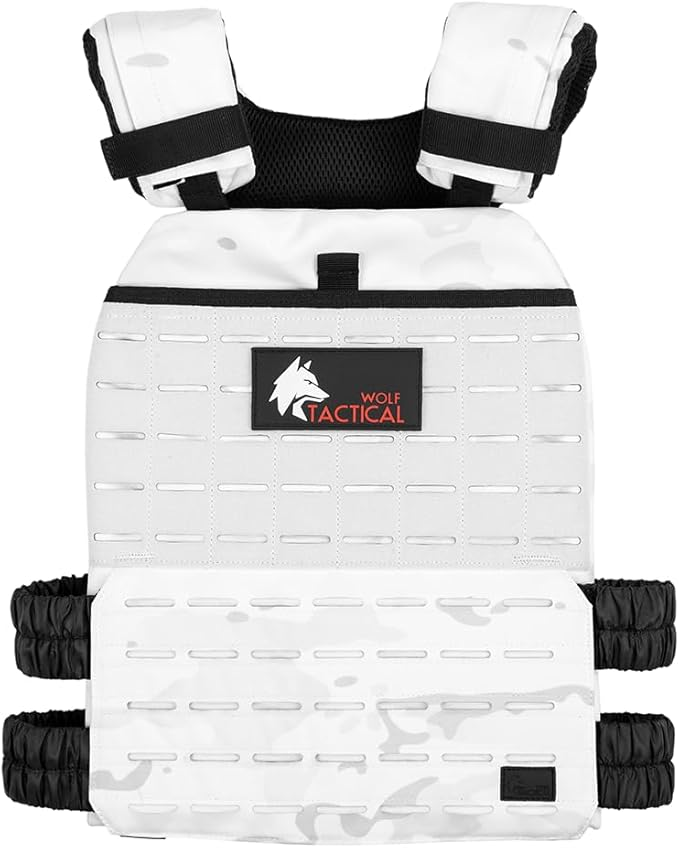
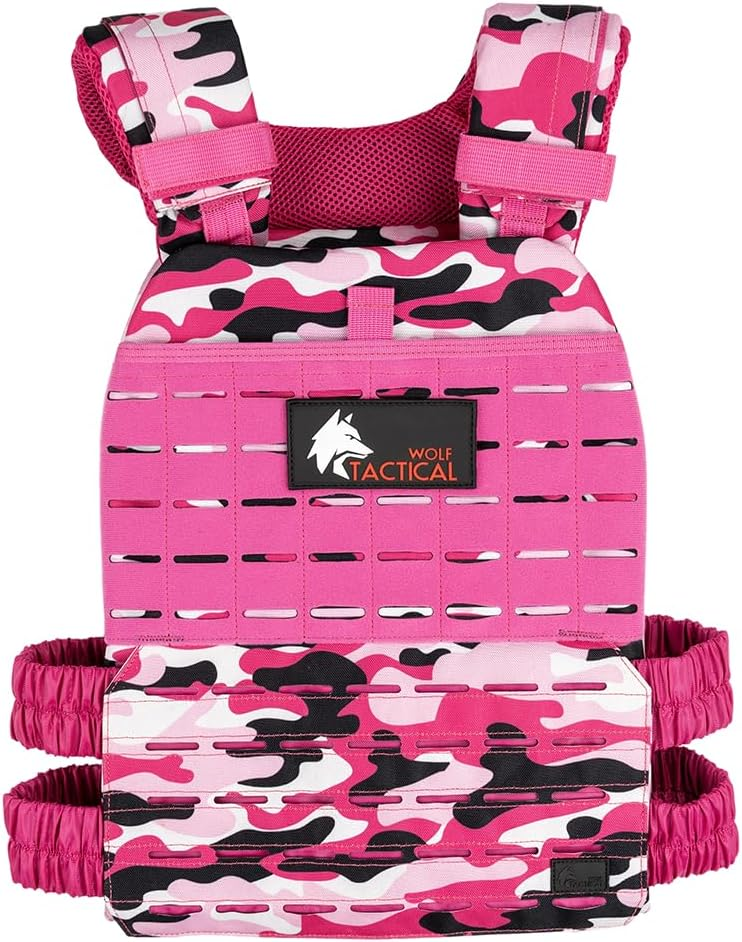
WOLF TACTICAL Simple Weighted Vest in pink for walking and rucking
WOLF TACTICAL Simple Weighted Vest — a low-profile, adjustable option that’s comfortable for daily walks and beginner rucking.

You can view the WOLF TACTICAL Simple Weighted Vest for a beginner-friendly, adjustable fit that works well under jackets or tees.


BAGAIL adjustable lightweight pink weighted vest for walking
BAGAIL Adjustable Weighted Vest — light, comfortable, and easy to use for walking and light rucks.

The BAGAIL Adjustable Weighted Vest is a good choice for very low starting loads and casual rucking while you adapt.

Safety and common mistakes

Common errors include adding too much weight too soon, letting posture collapse under load, and using a vest that shifts during activity. If your knees or back begin to ache, reduce load and focus on technique—shorten strides, engage the core, and keep shoulders back.

Quick checklist

  • Warm up for 5–10 minutes before loading up.
  • Track progression, not pain—add weight in 2.5–5 lb increments.
  • Prioritize breathing: if the vest inhibits comfortable breathing, size or style is wrong.

Estimate your calorie burn

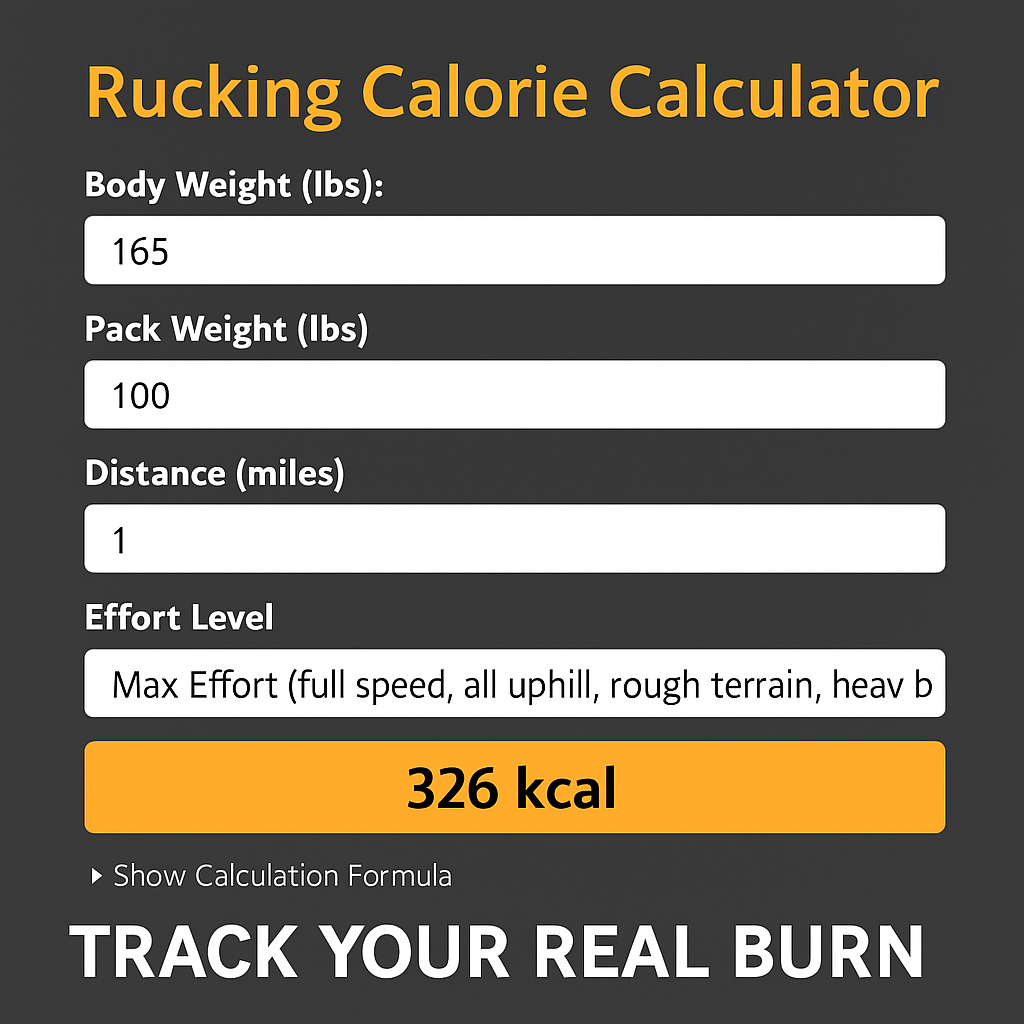
To estimate how many calories you’ll burn using a female weighted vest on a walk or ruck, try the Rucking Calorie Calculator below. It’s tuned for load-carrying and will give practical targets for weekly sessions.


Rucking Calorie Calculator screenshot
Use the Rucking Calorie Calculator to estimate burn for weighted walks and rucks.

Start light, be consistent, and treat the vest as a training tool—not a shortcut. When fit and progression are prioritized, a female weighted vest is a durable, low-tech way to increase strength, stamina, and fat loss without complicated programming.

Posted in Weighted Vest Training | Tagged , , , , | Comments Off on Female weighted vest: choosing the right fit and training plan

Bear KompleX Weight Vest: Fit, Alternatives, and Training Tips

Thinking about a Bear KompleX weight vest?

The Bear KompleX weight vest sits in the plate-carrier category: streamlined, durable, and purpose-built for WODs, running intervals, and short-to-mid rucks. Before you buy, focus on three things that determine how a vest performs outdoors and in the gym: fit, load progression, and breathability.

Fit and adjustability come first

With any plate-carrier vest (including Bear KompleX), the goal is a snug, high ride on the torso so it doesn’t crash into your hips or pull your shoulders forward. Check:

  • Strap range: Side cummerbunds and shoulder adjustments should lock down without pinching. You want minimal bounce at a brisk walk.
  • Plate compatibility: Most carriers are designed around 8.75×11.75-inch plates. If you already own plates, confirm fit and rattle-free retention.
  • Ventilation: Laser-cut or mesh panels reduce heat buildup during longer sessions or hot-weather rucks.

Load guidelines that protect progress

Whether you choose a Bear KompleX vest or a comparable carrier, load progression matters more than brand. Use these field-tested benchmarks:

  • Walking/rucking: Start at 5–10% of bodyweight. When pace and posture are solid for 45–60 minutes, move up 2–5 lb.
  • Mixed conditioning/WODs: 10–20% of bodyweight is plenty for most. Prioritize quality reps and stable breathing over arbitrary weight.
  • Posture check: Neutral ribs down, slight core brace, relaxed hands. If your walk slows by more than ~0.5–1.0 mph or form degrades, you’re too heavy today.

Proven alternatives to compare

If you want similar performance to a Bear KompleX weight vest with strong availability and fit options, these two workhorses have held up for my athletes and outdoor clients:

Wolf Tactical: adjustable and comfortable

The Wolf Tactical Adjustable Weighted Vest is a versatile choice for walking, entry-level rucking, and circuit work. It balances stability with comfort, and it’s easy to scale weight. Highlights:

  • Secure fit that doesn’t saw at the shoulders on longer walks.
  • Good ventilation for hot days and high-output intervals.
  • Simple loading so you can progress in small, consistent steps.
Wolf Tactical adjustable weighted vest for comfortable walking and rucking
Comfortable, adjustable fit with secure plates or sand—great for walking and entry-level rucks.

5.11 TacTec Trainer: durable, field-ready

For users who train hard and want a stable plate-carrier feel, the 5.11 Tactical Unisex TacTec Trainer Weight Vest delivers excellent durability and shoulder comfort across sprints, stairs, and short rucks.

  • Well-distributed shoulder pressure for high-rep work.
  • Secure plate retention that keeps noise and shift to a minimum.
  • Built to live outdoors—abrasion-resistant with reliable hardware.
5.11 TacTec Trainer weight vest for rugged outdoor training
Rugged, secure carrier feel—ideal for WODs, stairs, and short-to-mid rucks.

Estimate your calorie burn

Vests change workload fast. To estimate how many calories you’re burning with different weights, speeds, and distances, use this proven tool:

Rucking and weighted-vest calorie calculator screenshot

Tip: Select walking pace and add your vest weight to the load. It works whether you’re using a plate carrier or a pocketed vest.

Session structure that works

  • Warm-up: 5 minutes without the vest, then 5 minutes with it, easy pace.
  • Main set: 20–45 minutes steady or 6×2-minute brisk intervals with 2-minute easy walks.
  • Cool-down + mobility: 5–10 minutes to bring heart rate down and keep calves/hips loose.

Bottom line: The Bear KompleX weight vest is a solid plate-carrier option. Prioritize fit, progress load gradually, and test your sessions with the calorie calculator above. If availability or sizing becomes an issue, the Wolf Tactical and 5.11 TacTec Trainer vests remain dependable, comfortable performers for real-world training.

Posted in Weighted Vest Training | Tagged , , , , | Comments Off on Bear KompleX Weight Vest: Fit, Alternatives, and Training Tips

Best Women’s Weighted Vest for Osteoporosis: Comfort, Fit, and Safe Loading

Why a weighted vest helps osteoporosis

Bone responds to load. Controlled, consistent weight-bearing activity stimulates bone remodeling and helps preserve — and in some cases improve — bone density. For women with osteoporosis, a weighted vest lets you add axial load without high-impact stress on joints. The goal is safe, progressive loading that fits your body and lifestyle.

Key features to look for in the best women’s weighted vest for osteoporosis

When choosing a vest for bone health, prioritize comfort, adjustability, and even load distribution. Here are the Essentials:

  • Low-profile fit: A slim, close-fitting vest keeps weight centered and reduces movement that can irritate joints.
  • Incremental weight options: 1–2 lb plates or small sand/weight pockets let you progress slowly — critical with osteoporosis.
  • Wide, padded shoulders and waist straps: Distribute load to avoid pressure points on the collarbone or hips.
  • Breathable materials: For walking or light rucking you want mesh panels or moisture-wicking liners.
  • Secure fastening: A reliable front zipper or straps prevents shifting during movement.

How much weight is appropriate?

Start conservatively. For most women with osteoporosis, begin with 1–5 lb added and prioritize frequency: short daily walks or 20–30 minute sessions 3–5 times per week. Increase in 1–2 lb increments only after 4–6 weeks if you have no pain and your balance and posture feel solid. Always check with your physician or physical therapist before beginning a new loading protocol.

Product picks that fit the brief

For comfort and beginner-friendly progression, look at vests designed for general fitness rather than heavy military plates. Two options I recommend for women focused on bone health:


Wolf Tactical Simple Weighted Vest for walking and rucking
Wolf Tactical Simple Weighted Vest: slim fit and adjustable pockets for gradual progression.

Consider the Wolf Tactical Simple Weighted Vest as a starting point. It’s low-profile, has small weight plates available, and suits walking and light mobility work.


5.11 TacTec Trainer Weight Vest ideal for progressive loading
5.11 TacTec Trainer Weight Vest: supportive, well-balanced for progressive loading and core stability work.

The 5.11 TacTec Trainer Weight Vest is another good option when you need more refined weight distribution and secure fastening for steady gait and posture work.

How to use a weighted vest safely for bone health

  • Warm up with 5–10 minutes of brisk walking or mobility drills before adding the vest.
  • Start with very light weights and prioritize form: upright posture, tall chest, and steady steps.
  • Limit sessions to 20–40 minutes early on. Frequency beats duration for bone stimulus.
  • Progress by weight only when pain-free: increase 1–2 lb every 4–6 weeks as tolerated.
  • Combine with resistance training for hips, back, and core to get the best bone response.

Track intensity and calories

Monitoring effort helps keep progression safe. Use the rucking calorie calculator to estimate energy expenditure for weighted walks and plan recovery and nutrition. Click the screenshot below to try the rucking calorie calculator and tailor session intensity.


Rucking Calorie Calculator screenshot

Final notes

For women with osteoporosis, the best vest is one you can wear consistently without pain. Prioritize fit, slow progression, and physician clearance. Use short, frequent loaded walks and complement them with strength work to protect joints and improve balance. Start light, move confidently, and let gradual load drive results.

Posted in Weighted Vest Training | Tagged , , , , | Comments Off on Best Women’s Weighted Vest for Osteoporosis: Comfort, Fit, and Safe Loading

Army weighted vest: Tactical fit, load, and rucking advice

Why an army weighted vest matters for tactical fitness

An army weighted vest is more than a piece of gear — it’s a training tool that forces your body to adapt to load while you move. Whether you’re prepping for a field test, increasing work capacity, or using rucking as your primary cardio, the vest changes mechanics, breathing, and energy demand. This guide focuses on practical selection, fit, and safe progressions for outdoor loading.

Fit and construction: what to look for

Fit is the first priority. A military-style load should sit high on the torso, close to your center of mass, without rocking. Look for sturdy shoulder straps, adjustable cummerbund, and abrasion-resistant materials. Avoid vests that shift with each step — that wastes energy and risks injury.

  • Adjustability: Padded straps and a snug cummerbund to lock the load.
  • Insert style: Plate pockets or sewn compartments for plates or sandbags.
  • Durability: Reinforced stitching, YKK zippers, and heavy-denier fabric.

Choosing load and progression

Start conservative. If you’re new to weighted movement, begin with 5–10% of body weight and work up. For more experienced ruckers or tactical athletes, 10–20% is common for steady-state rucks; strength-focused work can go higher under controlled programming.

  • Week 1–2: 5–10% BW, 20–40 minute rucks, 2x per week.
  • Week 3–6: Increase 1–2% BW per week or add 5–10 pounds to the vest, extend duration slowly.
  • Ongoing: Mix heavy, short rucks with longer, moderate-load walks for endurance and durability.

Injury prevention and mobility

Weighted carries change posture. Tight hips, weak glutes, or a rounded upper back become more obvious under load. Prioritize mobility and a short warm-up before a ruck:

  • Dynamic hip swings and banded glute work.
  • Thoracic rotations and scapular mobility to avoid rounded shoulders.
  • Post-ruck cool down: foam roll and active stretches for hips and quads.

Gear I recommend for army-style rucking

For military-style distance and durability, I prefer backpacks and plate-style systems that stand up to repeated use. Two reliable options I point to often:

GORUCK Rucker 4.0 20L is a tough ruck for long-mile work and carries plates cleanly.


GORUCK Rucker 4.0 20L in use for rucking
GORUCK Rucker 4.0: built for long rucks and heavy loads.

I also recommend the CamelBak Motherlode 100oz Mil Spec Crux Hydration Backpack for longer rucks where hydration matters and you want a clean place for plates and water.


CamelBak Motherlode hydration backpack for long rucks
CamelBak Motherlode: hydration and load space for long-distance rucking.

A personal note

I coach people to respect progression. I personally lost 90 lbs through consistent rucking, weighted-vest training, and disciplined nutrition, and I still recommend weighted vests as one of the most reliable ways to maintain lower body weight and burn fat consistently. If you want to see my transformation and approach in context, I use the same core methods I recommend here.

Preston Shamblen before and after 90 lb weight loss through weighted-vest training and rucking
Preston Shamblen’s 90 lb transformation achieved through consistent weighted-vest work, rucking, and strength training.

Estimate calorie burn before your next ruck

Use the rucking calorie calculator to estimate energy cost based on load, pace, and terrain. It’s the fastest way to plan nutrition and recovery for an army-weighted-vest session.

Rucking Calorie Calculator screenshot

Start light, progress slowly, and prioritize movement quality. An army weighted vest is a tool — use it consistently and intelligently for real, durable fitness gains.

Posted in Weighted Vest Training | Tagged , , , , | Comments Off on Army weighted vest: Tactical fit, load, and rucking advice

Ethos 60 lb weighted vest: fit, safety, and training guide

Overview: who the Ethos 60 lb weighted vest is for

The Ethos 60 lb weighted vest is built for experienced lifters and ruckers who need a compact, heavy-loading vest for strength work, loaded calisthenics, and conditioned walking. At 60 pounds of maximum load it sits between everyday walking vests and specialty commercial rigs. This guide covers fit, programming and practical safety steps so you can use the vest without pain or regressions.

Key considerations before you load

Adding fifty-plus pounds to your torso changes posture, gait, and joint loading. Treat 60 lb as a training tool, not an accessory. Start conservative, maintain spinal integrity, and prioritize mobility. If you have preexisting back or shoulder issues, consult a clinician before pushing high loads.

Fit and comfort: what matters most

Proper fit prevents hotspots, shear, and rounding. Look for a vest that sits squarely on the sternum and upper traps, not riding low on the hips. Compression around the ribs should be snug but not restrictive to breathing. Adjust shoulder straps so the load sits high and central; that reduces torque on the lumbar spine during movement.

Checklist for fitting an Ethos-style heavy vest

  • Load distribution: plates or sandbags should be centered, not offset.
  • Shoulder padding: avoid thin straps that dig into traps under heavy weight.
  • Torso clearance: ensure full diaphragmatic breathing at rest and under effort.
  • Retention: use a secondary strap or belt to limit vertical shift during runs or high-impact work.

Training progressions with 60 lb

Don’t treat 60 lb as your starting point. Build through three phases: acclimation, volume work, and specificity.

  • Acclimation (2–4 weeks): use 10–25% of the target load for walking and basic carries, 2–3x per week.
  • Volume (4–8 weeks): gradually increase toward 40–60% of the heavy load with controlled sets of 10–20 minutes walking or sets of 5–10 bodyweight movements with manageable reps.
  • Specificity: once movement quality is consistent, introduce 60 lb for short walks, stair climbs, and low-rep strength circuits.

Sample beginner-to-intermediate session

Warm up 10 minutes of mobility. Then: 3 rounds — 6 controlled push-ups (weighted optional), 30-second farmer carry, 10 air squats, 5 minutes brisk ruck walk. Cool down and check shoulder and low-back tolerance.

Practical tips and safety

  • Prioritize breathing: heavy vests can reduce diaphragmatic space; cue deep diaphragmatic breaths between sets.
  • Monitor gait: heavy loads shorten stride and increase knee flexion—watch for knee pain.
  • Use short increments: microloading (2.5–5 lb) is better than sudden jumps to 60 lb.

Tools and gear that pair well

For longer rucks or when you want a pack with storage and hydration, the GORUCK Rucker 4.0 20L is a rugged option that handles plates and everyday carry. For hard strength and weighted calisthenics where maximum load matters, the Kensui EZ-VEST® MAX V2 is purpose-built for extremely heavy loading.

GORUCK Rucker 4.0 20L


GORUCK Rucker 4.0 20L pack for rucking and heavy loads
GORUCK Rucker 4.0 handles plates and heavy field use for long rucks.

Kensui EZ-VEST® MAX V2


Kensui EZ-VEST MAX V2 heavy load vest
Kensui EZ-VEST MAX V2 is built for heavy strength loading and progressive plate work.

Estimate your calorie burn

If you want a quick estimate of how the Ethos 60 lb weighted vest changes your calorie burn during a walk or ruck, use the rucking calorie calculator below. It’s the easiest way to compare unweighted versus loaded sessions and plan deficit or maintenance calories.


Rucking Calorie Calculator screenshot
Use the Rucking Calorie Calculator to compare calorie burn with a 60 lb vest.

Bottom line: the Ethos 60 lb weighted vest is a capable tool if you respect progressive loading and prioritize fit. Use it for short, intense strength-focused sessions and controlled rucks rather than for prolonged endurance work until you’ve built the movement skill and joint tolerance.

Posted in Weighted Vest Training | Tagged , , , , | Comments Off on Ethos 60 lb weighted vest: fit, safety, and training guide

Find a weighted vest nearby: where to try and buy

Find a weighted vest nearby: practical steps

Looking for a weighted vest nearby can feel overwhelming if you don’t know where to look. Start local and prioritize fit, adjustability, and comfort—especially if you plan to ruck, walk, or add load to your runs. This guide gives clear, outdoor-first steps to try vests in person, evaluate condition, and buy confidently.

Where to try a vest in person

Begin with stores that let you try gear on and walk around. That way you can test shoulder straps, torso length, and mobility.

  • Outdoor retailers and specialty fitness shops — they sometimes stock adjustable weighted vests or demo units.
  • Tactical and surplus stores — good for durable, military-style vests with heavier loading options.
  • CrossFit boxes or local gyms — some will let members demo a vest or point you to local sellers.
  • Community swap meets, running stores, or trainer networks — local coaches often pass used vests to beginners.

What to check when trying a vest

  • Fit over your chest and shoulders — the vest shouldn’t ride up when you walk or lunge.
  • Ballast distribution — plates or sand should sit close to the body and not shift.
  • Adjustability — straps and cummerbunds should allow small incremental changes.
  • Comfort against skin or clothing — consider breathable liners or a light base layer.
  • Weight increments — start light (5–15% bodyweight) and confirm the vest can be dialed up safely.

If you can’t find a vest nearby

Buying online is fine if you know what to test when it arrives. Favor vests with return-friendly policies and clear dimensions. For beginners and those prioritizing comfort and fit, I recommend trying a Wolf Tactical Simple Weighted Vest — it balances fit and affordability and is commonly recommended for walking and rucking.


Wolf Tactical Simple Weighted Vest for walking and rucking
Wolf Tactical Simple Weighted Vest — practical, adjustable, and good for beginners and long walks.

Buyers often appreciate the modest price and simple adjustment system on this model. If you need more heavy-duty options for strength work, consider a plate-ready vest designed for higher loads.

Local buy-and-try tips

  • Bring the clothes you’ll wear while rucking; fit changes with bulkier layers.
  • Walk, squat, and bend while trying the vest to identify hot spots or pressure points.
  • Ask about returns and exchange windows—online purchases should allow a proper test period.
  • If buying used, inspect seams, plate pockets, and closures for wear; test with a light load first.

Estimate calories and plan your first walks

Once you’ve got a vest, use the rucking calorie calculator to estimate energy burn for different weights and paces. It’s a practical way to plan progressive loading and set realistic weekly targets instead of guessing.


Rucking calorie calculator screenshot

Starter four-week plan

  • Week 1: 20–30 minute walks with 5–10% bodyweight, 3x/week.
  • Week 2: Add 1 walk of 40 minutes; keep 2 shorter walks.
  • Week 3: Increase weight 2–5% or add time to the 40-minute session.
  • Week 4: Two 40–60 minute sessions, one recovery walk; re-evaluate fit and comfort.

Finding a weighted vest nearby is mostly about testing fit and buying a vest that you’ll actually wear consistently. Start light, prioritize comfort, and use a calorie calculator to track progress. If you can’t try locally, choose a trusted return policy and a model that matches your primary use—walking/rucking or heavier strength work.

Posted in Weighted Vest Training | Tagged , , , | Comments Off on Find a weighted vest nearby: where to try and buy

Training Vest Mens: How to Choose and Use a Men’s Weighted Training Vest

Why a men’s training vest works

A weighted training vest lets you add precise, hands-free resistance to walking, rucking, and bodyweight strength. For men, the right vest balances load across the torso, keeps the chest open for breathing, and stays put during push-ups, squats, and runs. Below is a practical guide to sizing, loading, and programming so you can get stronger and leaner without beating up your joints.

How to choose the right vest

  • Fit and stability: Look for wide, adjustable shoulder straps and a sternum/side closure that won’t bounce. The vest should sit high enough to clear your hips when you walk or squat.
  • Load style: Plate-compatible vests are sleek and stable; pocketed vests with smaller weights are highly adjustable. Both work—choose based on comfort and how you’ll train.
  • Breathability: Mesh panels and moisture-wicking liner reduce heat buildup on longer efforts.
  • Range of weight: Ensure the vest can scale from light conditioning to heavier strength intervals. Start light; earn the load.
  • Freedom of movement: You should be able to raise arms overhead, hinge at the hips, and take a full stride without chafing.

How much weight to start with

Start conservatively, then progress 5–10% at a time as your tissues adapt.

  • Walking/rucking: 5–10% of bodyweight for beginners. If you’re 180 lb, begin with 10–18 lb.
  • Calisthenics circuits: 5–10% for high-rep work, up to 15–20% for lower-rep sets once you own good form.
  • Running/intervals: Err on the lighter side (5–8%) and progress very slowly. Prioritize joint health.

Use the talk test: you should carry a conversation on steady walks. If you’re heaving or changing your gait, drop the weight or slow down.

A simple 2-week starter plan

Week 1

  • Day 1: 20–30 min weighted walk at easy pace, 5–10% bodyweight.
  • Day 2: Bodyweight circuit (2–3 rounds): 8–12 push-ups, 10 squats, 20-second plank, 8 lunges/leg. Rest 60–90 sec.
  • Day 3: Off or light mobility.
  • Day 4: 25–35 min walk, add gentle hills if available.
  • Day 5: Circuit (3 rounds): 6–10 push-ups, 8–10 step-ups/leg, 10 bent-over rows (band or TRX), 20–30 sec side plank/side.

Week 2

  • Increase total walk time by 5–10 minutes or add a small hill segment.
  • Add 1 rep to each movement in your circuits or a fourth round if form is rock-solid.
  • Optional: add 2–4 lb to the vest if RPE stays 6–7/10.

Track calorie burn and progress

Estimating energy use helps set expectations and keep you honest with nutrition. Use this rucking/weighted-walking calorie tool to estimate your session burn by bodyweight, distance, pace, and load.

Rucking Calorie Calculator

Rucking calorie calculator screenshot for weighted walking and rucking

Log your sessions: distance, time, average pace, vest weight, and how you felt (RPE). Small weekly progress beats big, erratic jumps.

Recommended men’s training vests

For most men, comfort and stability matter more than max load. These two vests have proven reliable for walking and mixed calisthenics:

Wolf Tactical Adjustable Weighted Vest

The Wolf Tactical Adjustable Weighted Vest balances comfort, breathability, and easy load changes—great for progression from light walks to moderate circuits.

Wolf Tactical Adjustable Weighted Vest for men
Wolf Tactical Vest: breathable, secure fit, and quick load adjustments for daily training.

5.11 TacTec Trainer Weight Vest

If you prefer a plate-style fit with excellent stability for push-ups, runs, and burpees, the 5.11 Tactical Unisex TacTec Trainer Weight Vest is a durable, movement-friendly option.

5.11 TacTec Trainer Weight Vest for men
5.11 TacTec Trainer: plate-compatible, stable, and built for tough mixed-modal sessions.

Form, posture, and safety

  • Posture: Tall chest, ribs down, slight core brace. Don’t lean forward to “carry” the load.
  • Stride: Shorten slightly when weighted; keep cadence smooth to reduce joint stress.
  • Progression: Add either time, distance, or a little weight—not all three at once.
  • Recovery: Hydrate, walk easy on off days, and hit a 5–10 minute mobility flow for ankles, hips, and T-spine.
Posted in Weighted Vest Training | Tagged , , , , | Comments Off on Training Vest Mens: How to Choose and Use a Men’s Weighted Training Vest

Force USA weight vest: practical guide for strength and rucking

Why people choose a Force USA weight vest

Force USA weight vest users expect durable construction and even load distribution for hard sets and loaded carries. Whether you’re using the vest for calisthenics, short HIIT sessions, or adding load to a ruck, the key is fit, durability, and how the weight sits during movement. This guide covers practical setup, programming, and calorie considerations so you get the most from a heavy-duty vest without trashing your form.

Fit and comfort: set the vest up like you mean it

A correct fit prevents pressure points and reduces shoulder and lower-back fatigue. Check these points every time you put the vest on:

  • Shoulder straps should sit snug, not digging into traps.
  • Chest and torso panels should sit flush—no gaping or sliding side-to-side.
  • If the vest uses plates, make sure plates are seated and centered to avoid torque on the spine.

Programming: how to use a Force USA weight vest

Train with intent. A heavy vest changes movement patterns; reps and tempo matter more than ego. Try these simple progressions:

  • Beginner: bodyweight squats, push-ups, and walking 15–30 minutes with a light load.
  • Intermediate: tempo lunges, elevated push-ups, and short interval rucks with 20–40% bodyweight distributed in the vest.
  • Advanced: weighted pull-ups, loaded pistol progressions, and long-distance rucks with heavier plates or a rucksack for distance.

Calorie and effort planning

When you add load, energy demand rises. If you want a quick estimate of calories burned while rucking or using a vest, use the rucking calorie calculator below. It’s calibrated for load-carrying and will help you plan sessions and recovery.

Rucking Calorie Calculator screenshot

Click the calculator to enter your weight, pack or vest load, pace, and distance—then use the result to set weekly energy targets and recovery nutrition.

Advanced: when to choose plate-based vests

If you’re doing heavy strength work or high-intensity weighted calisthenics, a plate-capable vest that accepts flat plates is preferable—it keeps mass centralized and stable. For that style of training I recommend gear built for heavy loads and repeatable movement patterns.

Recommended gear for serious weighted training

For athletes who plan to push heavy and do consistent weighted calisthenics, the Kensui EZ-VEST® MAX V2 is a solid choice. It’s designed to accept heavy loading and maintain stability through dynamic movement.


Kensui EZ-VEST MAX V2 weighted vest
High-capacity vest option for heavy calisthenics and strength work.

Use the Kensui vest if your goal is adding substantial external load to bodyweight movements while keeping the load stable. If you alternate long rucks and short heavy sessions, consider pairing a vest with a technical ruck for distance work.

Practical tips before first heavy session

  • Start light and increase load in 5–10% bodyweight increments weekly.
  • Prioritize movement quality: reduce weight if form deteriorates.
  • Plan recovery: loaded work is metabolic and structural—sleep, protein, and progressive loading matter.

Force USA weight vest owners get the best results when they treat the vest as a training tool—not an excuse to chase numbers. Use measured progress, track calories with the calculator above, and pick a vest built for the loads you intend to carry.

Posted in Weighted Vest Training | Tagged , , , | Comments Off on Force USA weight vest: practical guide for strength and rucking

First Phorm weighted vest: what to know before you buy

Is a First Phorm weighted vest right for you?

Searches for “First Phorm weighted vest” have spiked as people look for a simple way to add load to walks, rucks, and bodyweight workouts. The brand markets comfortable training gear, but whether it fits your goals depends on how you plan to use it: steady-state calorie burn, strength-focused intervals, or outdoor rucking with a pack.

Key fit and feature priorities

When evaluating any weighted vest — including a First Phorm model — focus on these practical details rather than marketing copy:

  • Fit and adjustment: The vest should sit high on the chest and not ride up when you run or lunge. Padded shoulders and multiple adjustment points improve comfort for longer sessions.
  • Weight distribution: Even, front-and-back load reduces spinal shear and lets you keep good posture during rucks or squats.
  • Modularity: Removable plates or small incremental weights let you progress in 2–5 lb steps.
  • Breathability and material: Outdoor training builds heat; breathable panels and quick-dry fabrics make long walks tolerable.

Training uses and practical recommendations

Decide your primary use and choose features to match:

  • Walking and rucking: Favor a vest with secure closures and low-profile plates so it doesn’t shift. For longer rucks, consider using a ruck pack for heavier loads and the vest for intensity work.
  • Intervals and calisthenics: Choose a vest with tightly held weights and minimal bounce for safe pull-ups, push-ups, and sprints.
  • Progression: Start with 5–10% of your body weight for walking, then add 1–3% monthly depending on comfort and recovery.

Quick product suggestion for comfort and beginner-friendly use

If you want a proven, affordable vest for walking and general fitness, the WOLF TACTICAL Simple Weighted Vest (Men/Women) is a sensible option. It balances price, adjustability, and minimal bounce — useful for mixed workouts and outdoor use.


WOLF TACTICAL Simple Weighted Vest for walking and rucking
Adjustable vest that fits a range of body types and limits movement during rucks or calisthenics.

How much does wearing a vest change your calorie burn?

Weighted vests increase energy expenditure, but the exact difference depends on weight carried, pace, terrain, and your body. The easiest way to estimate the effect is with a rucking calorie calculator built for load-carrying activities.

Try this Rucking Calorie Calculator to estimate burn for a walk or ruck while wearing a vest:


Rucking Calorie Calculator screenshot

That calculator factors pace, distance, body weight, and carried load to give a realistic calorie estimate. Use it to compare an unweighted walk to the same route with your vest and decide if the discomfort is worth the extra burn.

Final practical checklist before buying a First Phorm weighted vest

  • Try it on or confirm a solid return policy — sizing varies by torso length.
  • Confirm plate or weight increment options for long-term progression.
  • Consider pairing a lightweight vest for intervals with a separate ruck or pack for heavy, long-distance carries.
  • Test it during a short, brisk walk to check for hotspots and movement.

Choosing a vest comes down to how you’ll use it. If your plan is to mix walks and bodyweight training, favor an adjustable, low-bounce model. If you need help estimating calories burned with a vest, use the rucking calculator above to plan safe, progressive training.

Posted in Weighted Vest Training | Tagged , , , , | Comments Off on First Phorm weighted vest: what to know before you buy

100 pound weight vest: how to train safely and progress

Using a 100 pound weight vest safely

Carrying a 100 pound weight vest is advanced training—effective for strength, bone density, and metabolic stress—but it demands disciplined progress, smart programming, and strict attention to form. This guide walks through the risks, progressions, and practical sessions you can use on trails, roads, or a treadmill.

Is a 100 pound weight vest right for you?

Before attempting that much added load, ensure you have several months (ideally years) of progressive weighted-vest or ruck training behind you. If you have joint issues, a recent injury, or chronic back problems, scale back and consult a medical professional. Heavy vests change your center of mass and increase ground reaction forces—plan recovery and expect slower paces.

Progression and programming

Use a conservative ramp-up plan. A sensible progression looks like:

  • Start with 10–20% of bodyweight for 4–6 weeks to adapt posture and breathing.
  • Increase load in 5–10 lb steps and monitor pain, gait, and fatigue.
  • Only add bigger jumps after consistent, pain-free sessions for at least two weeks at the current load.

Weekly structure for an advanced trainee attempting heavy sets might include one heavy ruck day, one speed/interval ruck with lighter load, and two strength sessions without the vest to protect the spine and focus on hip drive.

Sample sessions with a 100 pound weight vest

  • Short power ruck: 10–20 minutes, moderate pace, 100 lb, uphill focus. Keep tempo controlled—this is power work, not a marathon.
  • Loaded carries: 3–5 x 100 m farmer carries or heavy plate carries if your setup allows—excellent for grip and posture without repetitive impact.
  • Accessory day: Bodyweight or light-barbell posterior chain work (deadlifts, hip hinges) to preserve core and hip strength while recovering from heavy loaded sessions.

Technique cues and common mistakes

  • Keep a tall chest and neutral head—don’t let the vest or plates pull you into a rounded upper back.
  • Engage the posterior chain: hinge at the hips rather than bending through the lower back.
  • Shorten your stride to reduce braking forces and protect the knees.
  • Prioritize recovery: heavy vests demand quality sleep, consistent nutrition, and mobility work.

Estimate calorie burn for heavy rucking

When you add large load, calorie burn increases substantially but varies by pace, terrain, and individual size. Use the rucking calorie calculator to get a solid estimate for your sessions. Click the screenshot below to open the calculator and plug in your weight, pace, distance, and load.

Rucking Calorie Calculator screenshot

That calculator helps you compare a 100 lb vest session to lighter options so you can plan weekly energy intake and recovery.

Recommended gear for heavy loads

For extreme vest loads I recommend gear built to handle concentrated weight. The Kensui EZ-VEST® MAX V2 is engineered for very heavy loading and adjustable plates, which keeps weight balanced and reduces shifting during movement.


Kensui EZ-VEST MAX V2 heavy capacity weighted vest
High-capacity vest built for heavy resistance work and plate compatibility.

Final notes

I’m Preston Shamblen, ISSA-certified trainer—my coaching emphasizes gradual overload and consistent recovery. A 100 pound weight vest is a powerful tool when used intelligently; respect the load, emphasize technique, and use calculators to plan energy and recovery.

Posted in Weighted Vest Training | Tagged , , , , | Comments Off on 100 pound weight vest: how to train safely and progress