Choosing the Right Weighted Vest for Daily Wear

Why Use a Weighted Vest for Daily Wear?

Incorporating a weighted vest for daily wear into your routine is a practical, time-saving way to boost calorie burn, improve endurance, and strengthen your muscles—all without adding extra gym sessions. Whether you’re walking to work, tackling chores, or going for a brisk ruck, adding modest resistance challenges your body in a way that accumulates benefits over time.

What Makes a Good Weighted Vest for Everyday Use?

  • Comfort and Fit: Look for padded, adjustable shoulder straps and a streamlined profile that doesn’t bounce or chafe.
  • Breathability: Daily wear means sweat. Choose vests with moisture-wicking mesh and good airflow.
  • Balance: Even weight distribution is key. Poorly balanced vests can strain your back and neck over time.
  • Discreet Design: If you’re wearing it beneath clothing, consider a slim, low-profile option that won’t draw attention.
  • Weight Adjustability: Lighten up for mobility, or add plates as you adapt.

Top Weighted Vests for Daily Wear

1. Wolf Tactical Adjustable Weighted Vest

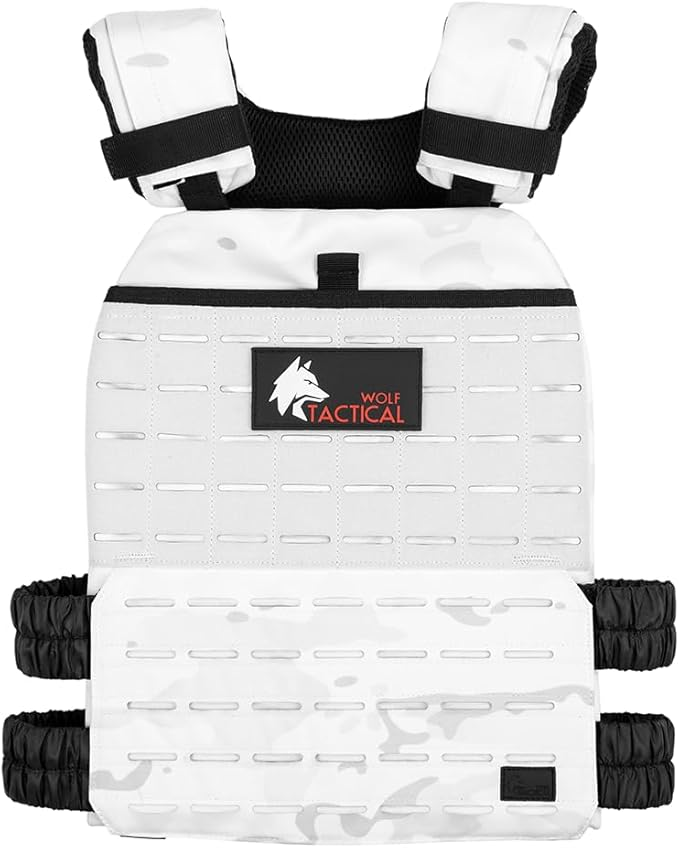
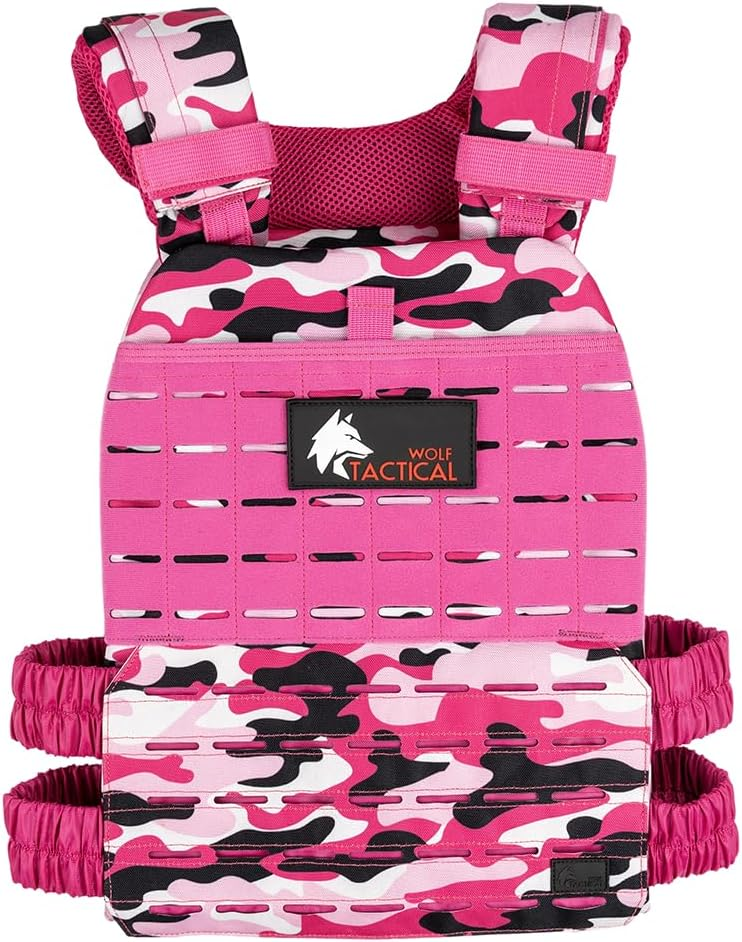
Wolf Tactical Adjustable Weighted Vest
Secure fit and breathable mesh design, optimal for everyday movement and extended wear.

The Wolf Tactical Adjustable Weighted Vest sets the bar for comfort and adjustability. Its Velcro fastening, open sides, and flat pockets let it ride close without restricting your motion or breathability.

2. 5.11 Tactical Unisex TacTec Trainer Weight Vest

5.11 TacTec Trainer Weight Vest for daily wear
Minimal bounce, broad shouldered support, and superior airflow for all-day tasks.

The 5.11 TacTec Trainer Vest distributes weight evenly and remains comfortable even during long hours of wear. Its profile fits discreetly under jackets or outerwear—perfect for commuting or working outdoors.

How Much Weight Should You Start With?

For daily wear, start light—5 to 10% of your body weight is plenty. Focus on consistent use throughout your activities, then gradually increase as your conditioning improves. Vests like Wolf Tactical and 5.11 offer pockets for scalable loading. Listen to your body; discomfort is a signal to adjust load or placement.

Track Your Calorie Burn With a Weighted Vest

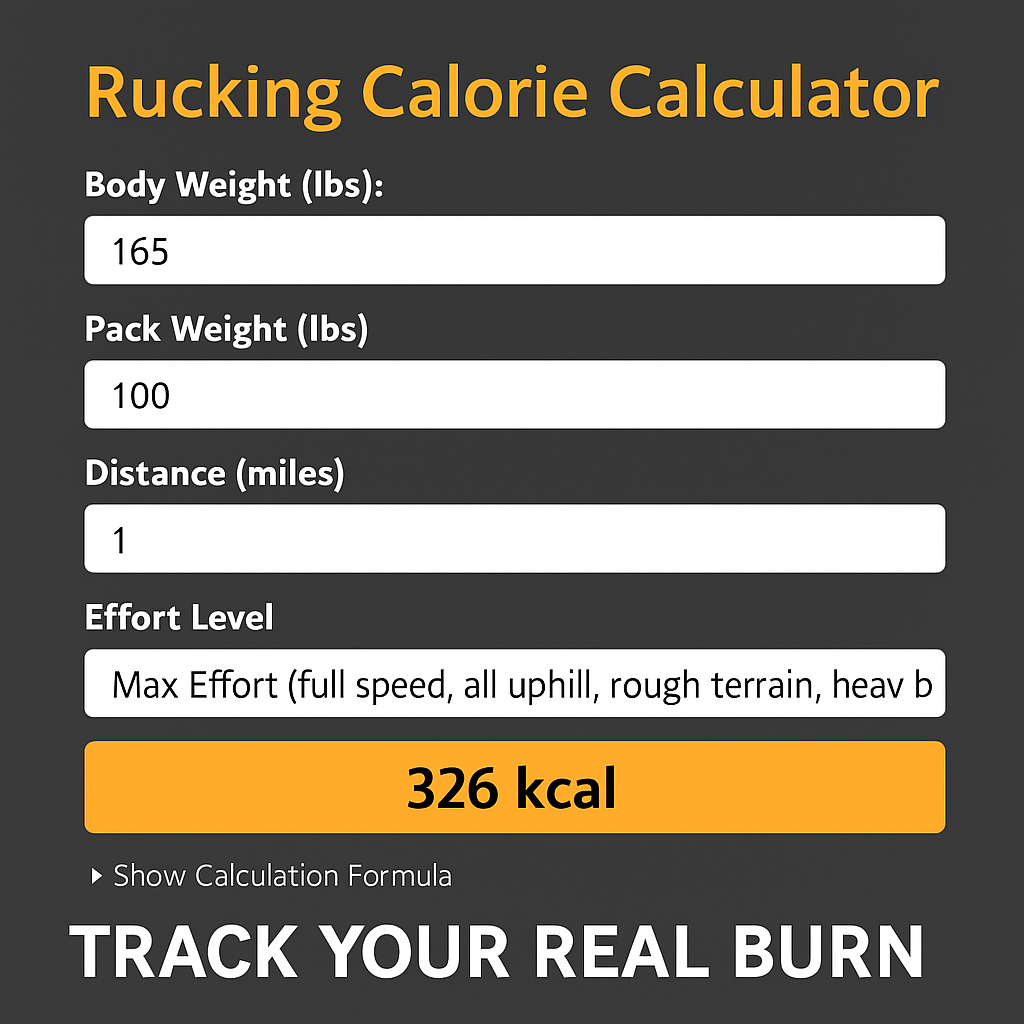
Want to know how many additional calories you’re burning with a weighted vest? Use our popular rucking calorie calculator to estimate the real impact of daily wear, whether you’re rucking, walking, or doing chores:

Screenshot of rucking calorie calculator

Enter your weight, vest load, distance, and duration for an accurate calorie estimate!

Daily Wear Tips

  • Wear over moisture-wicking layers for skin comfort.
  • Reposition and adjust the vest throughout the day to avoid hotspots.
  • Focus on natural movement—don’t let the vest alter your walking gait.
  • Hydrate more than usual; carrying weight increases sweat loss.

A quality weighted vest is more than just a training tool—it’s a practical fitness companion you can integrate into your daily life for sustainable results.

Posted in Rucking | Tagged , , , , , | Comments Off on Choosing the Right Weighted Vest for Daily Wear

Weighted vest vs rucking: choose the right load for your goals

Weighted vest vs rucking: what’s the real difference?

Both methods add external load to everyday movement so you burn more calories and build durable fitness. The difference is where the weight sits and how your body manages it.

  • Weighted vest: Load is centered on the torso, close to your center of mass. Posture stays upright, arms swing freely, and stairs or hills feel natural. Great for walks, hikes, and calisthenics.
  • Rucking (weighted backpack): Load sits behind you and slightly higher. It challenges your posterior chain and upper back more, and can scale to heavier weights for longer endurance efforts.
  • Joint feel: Vests often feel friendlier on hips/low back; rucks shift more to shoulders/traps if fit isn’t dialed in.
  • Versatility: Vests shine for mixed sessions (squats, push-ups, stairs). Rucks excel for distance and carrying essentials (water, layers, med kit).

Pros and cons at a glance

Weighted vest strengths

  • Upright posture and easy breathing.
  • Quick on/off and precise load increments.
  • Pairs well with bodyweight strength work.

Weighted vest watch-outs

  • Less storage; hydration requires a bottle or belt.
  • Chest pressure if fit is poor or weight too high.

Rucking strengths

  • Carry more weight comfortably over distance.
  • Storage for water, snacks, layers, and safety items.
  • Builds back/shoulder endurance and foot care skills.

Rucking watch-outs

  • Strap hotspots if fit isn’t tuned.
  • Forward lean when loads get heavy.

How to choose based on your goal

  • Fat loss and general fitness: Both work. Choose the one you’ll do 4–6 days a week. City sidewalks or stairs? A vest is seamless. Park loops or trails? A ruck is practical.
  • Strength and posture: Vests pair better with circuits (lunges, push-ups, step-ups) while keeping a tall spine.
  • Endurance and long walks: Rucks win for carrying water, nutrition, and first aid.
  • Joint sensitivity: Start with a light vest; progress to ruck once gait and foot care are solid.

How much weight to use

  • Beginner vest: 5–10% of bodyweight; progress to 10–15% as you can maintain nasal breathing and conversational pace.
  • Beginner ruck: 10–15 lb for new walkers; 20–25 lb for active folks. Hold steady for 2–3 weeks, then add 5 lb or distance, not both.
  • Rule: Add load only when your pace, posture, and recovery stay consistent for two consecutive weeks.

Estimate your calorie burn

Use this calculator to compare how pace, distance, and load change your burn with a vest or a ruck. Enter your stats, pick your pace, and plan smarter sessions.

Rucking and weighted vest calorie calculator screenshot

Starter gear I trust

If you want a comfortable vest that locks down well for walking and stairs, the Wolf Tactical Adjustable Weighted Vest is a solid, breathable pick.


Wolf Tactical Adjustable Weighted Vest for secure, breathable walking and rucking
Comfortable, adjustable fit that stays put on hills, stairs, and circuits.

For classic rucking with great durability and shoulder comfort, the GORUCK Rucker 4.0 20L carries plates smoothly and resists abrasion.


GORUCK Rucker 4.0 20L backpack built for rucking with stable plate carry
Purpose-built ruck with stable plate pocket and cushioned straps for longer efforts.

To fine-tune load in a ruck, the Yes4All Ruck Weight Plate offers reliable 10–45 lb options.


Yes4All Ruck Weight Plate for scalable ruck training loads
Durable plates to scale intensity while keeping the load compact and stable.

Simple weekly plan (mixing both)

  • Mon: 30–45 min vest walk + 3 x 10 step-ups.
  • Wed: 40–60 min ruck at easy pace; practice foot care.
  • Fri: 25 min hill or stair work in vest; finish with light mobility.
  • Sat/Sun: Optional 60–90 min easy ruck or hike.

Form and safety tips

  • Keep ribs down and chin neutral; think “tall and stacked.”
  • Shorten stride slightly; land under your center of mass.
  • Increase only one variable at a time: weight, distance, or speed.
  • Prioritize hydration and foot care; fix hotspots early.

Bottom line: the best choice is the one that fits your terrain, schedule, and recovery. Start light, move often, and let consistency do the heavy lifting.

Posted in Weighted Vest Training | Tagged , , , , , | Comments Off on Weighted vest vs rucking: choose the right load for your goals

Hyperwear Hyper Vest Pro: fit, function, and how to train with it

Why the Hyperwear Hyper Vest Pro matters

The Hyperwear Hyper Vest Pro is one of the most talked-about minimalist weighted vests for people who want low-profile load, full range of motion, and a design that disappears under a shirt. This post explains how the vest performs in real outdoor training, who it’s best for, and how to use it without compromising posture or joint health.

Key design and performance notes

The Hyper Vest Pro prioritizes stability and mobility. Instead of big, hard plates that shift, the vest uses low-profile soft-weights and an ergonomic cut that sits close to the torso. That design makes it ideal for workouts where you need to move freely—trail runs, hiking with short bursts of intensity, stair work, and high-rep circuits.

Fit, comfort, and sizing

Fit is the single biggest factor with a slim vest. A well-fitting Hyperwear vest sits snug across the chest and upper back so the weight rides with your center of gravity instead of pulling at your shoulders. If the vest rides up or creates pressure points over the clavicle, reduce load or try a different size. Check for these simple cues:

  • Vest stays in place during a brisk walk or bodyweight squat.
  • Arm and shoulder range of motion is not restricted.
  • Padding sits comfortably over the ribs; no sharp seams digging in.

Programming with a minimalist weighted vest

Because the Hyperwear Hyper Vest Pro is lower-profile, progression is often by time and reps rather than large jumps in weight. That makes it very approachable for conditioning work and long walks where you want a steady calorie burn without the joint stress of a heavy plate carrier.

A simple progression plan:

  • Week 1–2: 10–20 minute weighted walks at an easy pace to assess fit and breathing.
  • Week 3–6: Increase to 30–45 minutes, add short intervals or hills twice a week.
  • Beyond 6 weeks: add bodyweight strength circuits or take longer rucks while maintaining posture.

Safety and common mistakes

Light, snug vests can tempt you to extend duration before technique is solid. Avoid these errors:

  • Increasing time while collapsing posture—keep shoulders back and core engaged.
  • Using a minimal vest as an excuse to overload—if you need more than the vest comfortably offers, switch to a plate carrier or backpack for heavier work.
  • Skipping mobility work—weighted walking magnifies tight hips and thoracic stiffness.

Alternatives and when to choose something different

If you want more modular loading or plan long, heavy rucks, a plate-friendly option is a better fit. For an adjustable, budget-friendly alternative that’s still comfortable for long walks and general conditioning, consider the Wolf Tactical Adjustable Weighted Vest. Below is a quick look:


Wolf Tactical Adjustable Weighted Vest front view showing adjustable straps
Wolf Tactical offers adjustability and plate-compatibility for heavier conditioning sessions.

Use the calorie calculator before you step out

Want to estimate the calorie burn from a weighted walk or ruck with the Hyperwear Hyper Vest Pro? Use the rucking calorie calculator to plan pace, distance, and calories burned for a given weight and load. Click the screenshot below to try it.

Rucking Calorie Calculator screenshot

Bottom line

The Hyperwear Hyper Vest Pro is a top choice if you want a minimalist, low-profile vest that preserves mobility for outdoor training and higher-rep conditioning. Use it for timed walks, hill repeats, and circuits—scale time before load, watch posture, and switch to a plate-capable vest like the Wolf Tactical if you need heavier, slower strength work.

Posted in Weighted Vest Training | Tagged , , , , | Comments Off on Hyperwear Hyper Vest Pro: fit, function, and how to train with it

Weighted Jacket for Adults: Fit, Safety and Training Tips

Why choose a weighted jacket for adults?

Weighted jackets give you an even, torso-centered load that’s ideal for walking, calisthenics, and daily wear to boost calorie burn without changing movement patterns. For adults looking to increase metabolic demand while keeping workouts simple, a jacket-style vest spreads weight across the shoulders and back and reduces local pressure points compared to plate carriers.

Key benefits

  • Consistent, evenly distributed load for everyday activities.
  • Improves posture and core engagement during normal movement.
  • Easy progression by adding or removing small plates or sewn-in weights.

Fit and sizing: what matters for adults

Fit is the most important safety variable. A properly sized weighted jacket sits snug across the upper chest and traps, with minimal vertical movement as you walk or run. Too loose and the jacket shifts, which can cause chafing or alter gait mechanics; too tight and it restricts breathing and shoulder mobility.

Look for jackets with adjustable side straps or elastic panels, and try them with the load you intend to carry. If you’re shopping online, size up if you plan to layer base layers under the jacket. For daily wear or long walks, favor breathable fabrics and a fit that leaves full diaphragmatic breathing.

Progression and programming

Start light. For most adults new to weighted jackets, 2%–5% of body weight is a safe beginning point during walks or low-impact work—add load slowly week-to-week. Use this simple progression model:

  • Week 1–2: Bodyweight only to establish baseline movement patterns.
  • Week 3–4: Add 2%–3% bodyweight for 20–30 minute walks, twice weekly.
  • Week 5+: Increase by 1%–2% every 1–2 weeks depending on comfort and recovery.

Training ideas

  • Weighted walks: steady-state 30–60 minutes, maintain conversational pace.
  • Short intervals: 10–20 minutes alternating brisk and recovery paces.
  • Bodyweight strength: squats, lunges, and push variations with the jacket on for added resistance.

Safety and common pitfalls

Pay attention to breathing, posture, and joint pain. If you feel sharp pain in the shoulders, neck, or lower back, remove the jacket and reassess load distribution or size. Keep sessions shorter when increasing load and prioritize recovery—sleep, hydration, and mobility work.

Tools to plan your sessions

Use a simple calorie and intensity calculator to estimate impact of added load on energy expenditure. I recommend the rucking calorie calculator for practical estimates and session planning:


Rucking Calorie Calculator screenshot

Click the screenshot to open the calculator and test different weights and paces so you can build sensible weekly targets.

Recommended gear for adults

For comfort-focused adult users, I often recommend jackets and vests designed with adjustable fit and breathable panels. Two practical, tested options:


Wolf Tactical Adjustable Weighted Vest
Wolf Tactical offers adjustable, breathable vests suited to daily wear and progressive loading.

Consider the Wolf Tactical Adjustable Weighted Vest for a comfortable, beginner-friendly jacket-style option with room for small plates.


CamelBak Motherlode 100oz Mil Spec Crux Hydration Backpack
CamelBak Motherlode is ideal when you want hydration and load-carrying capacity for longer rucks or mixed cardio.

If you combine jacket work with longer rucks or need hydration on the trail, the CamelBak Motherlode pairs well with a lightweight jacket for extended sessions.

Final tips

Choose a jacket that allows full breathing, start light, and use the calorie calculator linked above to set realistic goals. Track how your body adapts and keep progression steady—this is an effective, low-complexity tool for adults who want to increase daily caloric burn with minimal training disruption.

Posted in Weighted Vest Training | Tagged , , , , | Comments Off on Weighted Jacket for Adults: Fit, Safety and Training Tips

How to Train Safely with a 60lb Weight Vest

Why a 60lb weight vest?

A 60lb weight vest is a serious tool: it turns walking, interval runs, bodyweight work, and rucking into high-intensity, high-impact sessions that accelerate strength and calorie burn. Used correctly, it builds structural strength, improves posture under load, and increases aerobic capacity. Used incorrectly, it leads to joint pain and overtraining.

My quick note as a trainer

I’m Preston Shamblen, an ISSA-certified trainer. I lost 90 lbs through steady rucking, weighted-vest training, and disciplined nutrition. That experience informs how I program heavy vests: progress, recovery, and consistency matter more than raw weight.

Safety and progression

Start by treating 60 lb as a training goal rather than your opening weight. Follow a simple progression and prioritize technique and recovery.

  • Baseline fitness: Be comfortable with brisk walking 45–60 minutes carrying 20–30 lb before moving up.
  • Incremental increases: Add 5–10% of load every 2–3 sessions if pain-free.
  • Frequency: Limit heavy-vest sessions to 2–3 times per week with at least 48 hours between maximal load days.
  • Mobility: Prioritize hip hinge, thoracic rotation, and ankle mobility to distribute load safely.
  • Core and posterior chain: Maintain targeted strength work (deadlifts, hip thrusts, planks) outside weighted-walk days.

Common mistakes with heavy vests

  • Ramping load too fast—aim for consistency over ego.
  • Poor fit—vests that ride up or shift increase spinal compression and shoulder strain.
  • Ignoring recovery—sleep, protein, and light days are part of progress.

Sample 6-week training block to reach 60lb

This is a conservative template for an intermediate trainee preparing to wear a 60lb vest for walking or mixed conditioning.

  • Week 1–2: 20–30 lb rucks, 3 x 30–45 min walks, plus two strength sessions (moderate loads).
  • Week 3–4: 30–40 lb rucks, include 1 interval ruck session (4–6 x 3–4 minutes push, 2 min easy).
  • Week 5: 40–50 lb rucks, test a 60–90 minute steady walk with 40 lb, then add 5–10 lb on short walks.
  • Week 6: Two sessions near 50–60 lb for short durations (20–30 min), maintain strength work and active recovery.

Equipment I recommend for heavy loading

For athletes pushing toward heavy vests, durable construction and secure plate systems matter. If you want a vest built for very heavy progressive loading, consider the Kensui EZ-VEST® MAX V2 because it is designed for high-capacity plates and stability under big loads.


Kensui EZ-VEST MAX V2 adjustable heavy weight vest
Sturdy, high-capacity vest built to carry heavy plates safely for strength and conditioning.

When you need incremental plates for experimenting with load, the Yes4All Ruck Weight Plate pairs are an affordable way to add or remove 10–45 lb increments.


Yes4All Ruck Weight Plate for weighted vests
Individual plates for calibrating your vest load and progression.

Track calories and pacing

Heavy vests substantially increase calorie burn. Use the rucking calorie calculator to estimate energy expenditure for walks and rucks so you can align nutrition with recovery.


Rucking calorie calculator screenshot
Use this calculator to estimate calories burned during weighted rucks and walks.

Final notes

60 lb is a functional and demanding load. Build to it deliberately, respect recovery, and prioritize a vest that fits. If you stay consistent with progression and nutrition, a 60lb weight vest can be a reliable tool to maintain weight loss and build durable fitness outdoors.

Posted in Weighted Vest Training | Tagged , , , , | Comments Off on How to Train Safely with a 60lb Weight Vest

50 pound weighted vest: how to train safely and get results

Why choose a 50 pound weighted vest?

Using a 50 pound weighted vest is a direct way to increase training intensity without changing movement patterns. For outdoor rucks, hill repeats, and loaded calisthenics, a 50 lb vest forces your body to adapt — increasing strength, bone density, and calorie burn. If you’re comfortable with progressive loading and have a solid foundation in bodyweight work, a 50 lb vest is a useful tool.

Who should consider this weight

  • Experienced trainees who can maintain form during squats, lunges, push-ups, and walking.
  • Ruckers who already use 20–40 lb loads and want a compact, evenly distributed load for tempo work.
  • People focused on strength endurance and calorie burn who have no joint pain and good mobility.

Safety first: a checklist before you load to 50 lb

Adding 50 pounds to your torso changes leverage and ground reaction forces. Use this checklist before a set or a ruck:

  • Have you trained progressively with 10–20–30 lb vests first?
  • Can you perform 10–20 quality bodyweight squats, lunges, and push-ups without compensation?
  • Do you have no acute joint pain, and have you consulted a trainer or clinician if you have prior injuries?
  • Are you using a vest that distributes weight evenly and allows full range of motion?

Programming ideas for a 50 pound weighted vest

Below are practical sessions that favor safety and progressive overload.

  • Ruck intervals: 20–30 minutes total. Warm up 10 minutes bodyweight, then alternate 3–5 minutes brisk ruck with 2 minutes easy.
  • Strength-endurance circuit: 3 rounds — 10 vest squats, 10 incline push-ups, 20 step-ups (each leg), 400m brisk walk between rounds.
  • Short hill sprints with vest (advanced): 6 x 30-second uphill efforts, walk down for recovery. Use only if you have a base of heavier walking.

Recovery and progression

With 50 lb on your torso, recovery matters. Prioritize sleep, protein, and joint-friendly mobility. Increase volume slowly: add weight or time in 10% increments, and deload every 4–6 weeks.

Tools and gear I trust

For true heavy loading, I recommend a plate-based vest that stays close to the body and won’t shift during dynamic moves. For compact heavy vest work, I use the Kensui EZ-VEST® MAX V2 for high-capacity loading and clean movement.


Kensui EZ-VEST MAX V2 heavy-duty weighted vest
High-capacity vest built to carry heavy plates for strength and rucking work.

For beginner-to-intermediate comfort and daily rucks, the WOLF TACTICAL Simple Weighted Vest is an accessible option that fits most training styles.


Wolf Tactical Simple Weighted Vest for rucking and walking
Comfort-focused vest for longer walks and beginner weighted training.

Estimate calorie burn (use this calculator)

To estimate how a 50 lb vest changes your calorie burn on walks or rucks, use the Rucking Calorie Calculator. It accounts for weight, speed, load, and terrain so you can plan sessions that match your goals.


Rucking calorie calculator screenshot
Use the Rucking Calorie Calculator to estimate burn for weighted walks and rucks.

Final notes from my experience

I lost 90 lbs through consistent rucking, weighted-vest training, and disciplined nutrition, and I still recommend weighted vests as one of the most reliable ways to maintain lower body weight and burn fat consistently. A 50 lb vest is a powerful tool when used alongside smart progression and sound recovery.

Posted in Weighted Vest Training | Tagged , , , | Comments Off on 50 pound weighted vest: how to train safely and get results

Weighted Ruck Vest: How to Choose, Fit, and Train Safely

A weighted ruck vest is a simple way to make walking and hiking deliver more strength and conditioning. By keeping load high on the torso, a vest encourages upright posture, frees your arms, and keeps the weight from bouncing. Here’s how I recommend choosing, fitting, and training with a weighted ruck vest for steady progress without wrecking your joints.

Why a weighted ruck vest instead of a backpack?

  • Load stays high and tight: less low-back shear and less sway than many packs.
  • Natural arm swing: more efficient stride and better balance on uneven terrain.
  • Easy progression: add or remove plates or sand to match the day’s effort.

How to choose the right vest

  • Adjustability: Look for shoulder and side straps that cinch securely without pinching.
  • Plate compatibility: Standard 8.75–20 lb steel plates fit many carriers; some accept soft weights.
  • Breathability: Mesh and venting matter on hot days; sweat has nowhere to go under a solid panel.
  • Ride height: A high-riding vest keeps pressure off your belly and hips, improving breathing and cadence.
  • Durability: 500–1000D materials and reinforced stitching stand up to outdoor miles.

Two proven options if you’re starting or want a streamlined setup:

For all-around comfort and easy adjustability, the Wolf Tactical Adjustable Weighted Vest is hard to beat.


Wolf Tactical Adjustable Weighted Vest for rucking and walking
Comfortable, adjustable fit; ideal for beginners and everyday rucks.

If you prefer a compact plate carrier that rides high and won’t bounce, consider the GORUCK Ruck Plate Carrier 3.0.


GORUCK Ruck Plate Carrier 3.0 for ruck training
Streamlined plate carrier; secure, high-riding load for fast rucks.

Fit checklist

  • Snug, not suffocating: You should take full breaths without the vest shifting.
  • High on the torso: Bottom edge above the belly; no digging into hips.
  • Even contact: Check for hotspots at collarbones and lower ribs after 10 minutes.
  • No bouncing: If it moves when you jog in place, tighten the side straps a notch.

How much weight to start with

  • New to loaded walking: 5–10% of bodyweight.
  • Conditioned walkers/ruckers: 10–20% of bodyweight.
  • Progression: Add 2.5–5 lb every 1–2 weeks if pace and posture stay solid.

Keep your stride short and cadence brisk. Walk tall, eyes forward, ribs down. On hills, shorten stride further and drive elbows back to keep the vest from tugging you forward.

Simple 4-week progression

  • Week 1: 2–3 sessions, 20–30 minutes, flat terrain, conversational pace.
  • Week 2: 30–40 minutes; add one gentle hill or 5 x 1-minute brisk intervals.
  • Week 3: 40–50 minutes; add 5 lb if posture and recovery are good.
  • Week 4: 50–60 minutes; include mixed terrain or 10 x 1-minute brisk intervals.

Estimate your calorie burn

Curious how much energy your weighted ruck vest sessions are burning? Use this tool and dial in distance, pace, terrain, and load for a solid estimate.

Try the Rucking Calorie Calculator


Rucking calorie calculator screenshot
Estimate calories burned based on distance, pace, terrain, and load.

Recovery and safety

  • Footwear: Choose supportive shoes with a stable heel; rotate socks to prevent hot spots.
  • Pacing: If your form breaks, slow down before you add weight or distance.
  • Volume: Cap weekly time increases at ~10–15% to avoid cranky knees and ankles.
  • Mobility: 3–5 minutes of calf/hip flexor work post-walk pays back the next day.

Used well, a weighted ruck vest is a low-friction way to build aerobic capacity, legs, and core while keeping training outdoors. Start conservative, progress patiently, and let your posture and recovery be the guide.

Posted in Weighted Vest Training | Tagged , , , , | Comments Off on Weighted Ruck Vest: How to Choose, Fit, and Train Safely

V Force Weight Vest: Fit, Use, and Practical Rucking Tips

Overview: What the v force weight vest does well

The v force weight vest is designed to add load to walking, rucking, and bodyweight training without changing your movement pattern. In real-world outdoor training the important factors are secure fit, distribution of weight across the torso, and easy adjustability. This post covers how to evaluate the vest, practical programming tips, and how to compare it to commonly recommended vests for beginner and intermediate users.

Who should consider a v force weight vest?

If you want to increase intensity on regular walks, speed up calorie burn on rucks, or add progressive overload to calisthenics, a vest that sits close to the chest and upper back is ideal. The v force design usually emphasizes a slim profile—good for movement and less chafing during long walks.

Fit, comfort, and sizing checklist

Before you buy or test a v force weight vest, inspect these areas in sequence:

  • Shoulder padding and strap adjustability — prevents neck pressure and keeps the load centered.
  • Front and rear plate pockets — ensure plates don’t shift with each step.
  • Torso length — shorter torsos are better for loaded running and calisthenics; longer torsos stabilize heavy rucks.
  • Breathability — mesh and cutouts reduce heat during summer rucks.

Practical tips for initial use

  • Start with 5–10% of bodyweight for walks, and add 1–2% per week as your body adapts.
  • Wear the vest for 20–40 minute sessions at first; check for hotspots and adjust straps.
  • Use plates or sandbags that stay snug in the pockets to prevent shifting.

Programming the vest for rucking and calorie burn

Progressive overload with a weight vest is simple: increase load, time, or pace. For steady fat loss and conditioning, favor longer, brisk walks with moderate weight rather than short, maximal-effort rucks. Keep the cadence and posture strict—shorten stride, keep ribcage neutral, and let the hips drive the movement.

To estimate calorie burn for a weighted walk or a ruck with the v force weight vest, use this rucking calorie calculator. It helps you dial in realistic targets and avoid overtraining when adding load:

Rucking calorie calculator screenshot

One recommended option for beginners

For many beginners a simple, adjustable vest wins for comfort and durability. Consider the WOLF TACTICAL Simple Weighted Vest (Men/Women) for reliable fit without overspending.


WOLF TACTICAL Simple Weighted Vest for rucking
Simple, adjustable vest favored for beginner rucks and walking workouts.

Common failure points and fixes

  • Hotspots on the collarbone: loosen and lower the vest slightly, or add a thin base layer.
  • Side-to-side shifting: tighten the midline straps and check plate placement.
  • Breathing restriction: split the load front/back and reduce initial weight until breathing normalizes.

Final practical advice

Use the v force weight vest as a tool—start light, build consistency, and prioritize brisk, unloaded walking mechanics before adding lots of weight. That approach keeps training sustainable and minimizes injury risk while increasing calorie burn. If you want to compare different vests for long-distance rucking later, look at more robust options with larger plate capacity and an integrated hip belt.

Outside, keep the sessions simple: steady pace, good posture, and consistent progression. Over weeks this delivers measurable conditioning and fat loss without complicated programming.

Posted in Weighted Vest Training | Tagged , , , | Comments Off on V Force Weight Vest: Fit, Use, and Practical Rucking Tips

Thin weighted vest: low-profile comfort for walking and rucking

Why choose a thin weighted vest?

A thin weighted vest is about reducing bulk while keeping the benefits of added load. For everyday walking, short rucks, or layering under a shell, a low-profile vest improves mobility, reduces chafing, and stays cooler than bulky plate carriers. If your goal is to add consistent calorie burn without altering your stride or posture, a thin vest is usually the best starting point.

Who it’s best for

  • Beginners who want to add weight without changing movement patterns.
  • Urban walkers or commuters who need something discreet under a jacket.
  • Ruckers doing short to medium duration workouts where mobility matters.
  • Anyone focused on steady-state calorie burn and posture-friendly loading.

Key fit and comfort features to check

When evaluating thin weighted vests, prioritize these practical details over brand hype:

  • Low-profile weight pockets: Evenly distributed pockets prevent load migration and reduce bounce.
  • Adjustable straps: A snug fit keeps the vest from shifting; avoid excessive compression that limits breathing.
  • Breathable materials: Mesh panels and moisture-wicking linings cut down on heat buildup during walks.
  • Padding where needed: Thin doesn’t mean no padding—shoulder padding and a reinforced lower back area improve comfort.
  • Weight increment options: Choose a vest that accepts small plates or sandbags so you can progress in 2–5 lb steps.

Recommended thin vests for walking and rucking

For comfort-first, low-profile training, two reliable options are commonly used by ruckers and walking athletes:

Wolf Tactical Simple Weighted Vest is often the best starting point for people prioritizing fit and daily wear. It’s lightweight, adjustable, and tolerates small plate increments for steady progression.


Wolf Tactical Simple Weighted Vest for comfortable low-profile rucking
Wolf Tactical Simple Weighted Vest—thin, adjustable, and comfortable for walking and short rucks.

For a slightly more performance-oriented thin vest, the 5.11 TacTec Trainer Weight Vest balances a low silhouette with durable construction and secure pockets for small weight increments.


5.11 TacTec Trainer weight vest for low-profile training
5.11 TacTec Trainer—low-profile and built to withstand frequent use while staying comfortable.

How to program with a thin weighted vest

Start light and progress slowly. Use these simple rules:

  • Begin with 5–10% of body weight for walking and short rucks; increase 1–3 lb every 1–2 weeks depending on recovery.
  • Use short, frequent sessions—20–45 minutes at a brisk pace—before moving to longer rucks.
  • Monitor form: if you notice shoulder hitching, excessive forward lean, or breathlessness, remove weight and rebuild conditioning.

Estimate calorie burn

Want a practical estimate of how many calories you burn with a thin weighted vest? Use the rucking calorie calculator below to personalize your numbers. Enter your weight, distance, pace, and added vest weight for a quick estimate.

Rucking calorie calculator screenshot

Quick safety checklist

  • Warm up dynamically for 5–10 minutes before weighted walks.
  • Keep weight centered and avoid asymmetric loads.
  • Stop if joint pain or sharp discomfort occurs; consult a trainer if it persists.

Thin weighted vests are a pragmatic tool for steady calorie burn and mobility-focused training. Choose materials and adjustability over sheer capacity, progress gradually, and you’ll get consistent results without the bulk.

Posted in Weighted Vest Training | Tagged , , , , | Comments Off on Thin weighted vest: low-profile comfort for walking and rucking

Weight Vest Training Pros and Cons: What to Know Before You Load Up

Weight vests can turn everyday movement into effective strength and conditioning. Before you strap on extra pounds, understand the real-world weight vest training pros and cons, plus simple ways to stack the benefits and reduce the risks.

Pros of weight vest training

1) More work in less time

Added load increases intensity at a given pace. Walking, hiking, stairs, and bodyweight circuits with a vest raise heart rate and perceived exertion, helping you hit training effect without sprinting or adding long sessions.

2) Stronger bones and connective tissue

External load provides osteogenic stimulus (weight-bearing stress) that can support bone density when progressed gradually. Tendons and ligaments adapt too—great for durability when you also lift and move well.

3) Functional strength and posture

A vest challenges core bracing and scapular positioning while your hands stay free. Squats, lunges, step-ups, push-ups, pull-ups, and hikes feel like practical, real-life loading.

4) Cardio with purpose

Steady, low-impact movement with load improves aerobic capacity and work capacity. It’s a sustainable way to build “engine” while protecting joints compared to high-impact running—especially on trails or soft surfaces.

Cons—and how to manage them

1) Joint loading and impact

Extra weight increases ground reaction forces. Start light (5–10% of bodyweight), favor soft surfaces, and progress weekly volume or load—not both. Keep strides short, posture tall, and avoid running until you’ve banked a few solid weeks of loaded walking.

2) Fit, chafing, and breathing

Poorly fitted vests bounce, rub, and restrict expansion. Choose a snug, adjustable vest that rides high on the torso and cinches at the sides/shoulders. For comfort-first or beginner use, I like the Wolf Tactical Adjustable Weighted Vest for its breathable mesh and easy plate swaps.

Wolf Tactical Adjustable Weighted Vest for comfortable, secure fit during walks and workouts
Wolf Tactical Adjustable Weighted Vest: low-bounce, breathable fit that’s friendly for beginners and longer walks.

If you want a premium harness with excellent stability and padding, the 5.11 Tactical Unisex TacTec Trainer Weight Vest is a solid option for mixed conditioning and calisthenics.

5.11 TacTec Trainer weighted vest with stable, padded fit for conditioning
5.11 TacTec Trainer: stable, padded, and highly adjustable for serious conditioning days.

3) Heat and hydration

Vests trap heat. Train earlier or in shade, loosen the vest slightly for airflow, and sip fluids regularly. Shorten sessions in hot weather and use wicking layers to reduce friction.

Who should use a vest—and how to start

  • Beginners: 5–10% of bodyweight for 20–40 minutes, 2–3 times per week. Add 5–10 minutes or 2–5 lb every 1–2 weeks.
  • Intermediates: 10–15% bodyweight for hill walks, stair sessions, or circuits (push-ups, rows, step-ups). Keep posture tall and core braced.
  • Calisthenics: Use a snug vest for push-ups, pull-ups, dips, and split squats to progress strength without barbells.
  • Surfaces: Trails, tracks, or treadmills at incline reduce impact vs. concrete. If knees ache, reduce load first, not frequency.
  • Technique: Chest up, ribs down, glutes engaged. If a rep gets sloppy, unload or stop—quality drives adaptation.

Estimate your calorie burn

Load, pace, distance, and your bodyweight all influence energy cost. Use this free tool to plan sessions or compare vest loads:

Rucking and weighted-vest calorie calculator screenshot
Estimate calories burned with your bodyweight, distance, pace, and vest load.

Putting it together

Weight vests reward consistency: start light, progress gradually, and pick a vest that fits your body. Use lower-impact terrain, manage heat, and keep technique honest. Done right, you’ll build resilient joints, stronger bones, better conditioning—and get more results from the same minutes you’re already moving.

Posted in Weighted Vest Training | Tagged , , , , | Comments Off on Weight Vest Training Pros and Cons: What to Know Before You Load Up