Weighted Vest Workout Running: How to Add Load to Your Runs Safely

Why add a weighted vest to running?

Adding a weighted vest to running changes the stimulus without changing direction or mechanics. Used properly, it increases calorie burn, strengthens posterior chain muscles, and improves cardiovascular capacity. I write this in the voice of a field coach—simple progressions, honest pacing, and consistent recovery are the parts that actually move the needle.

Who should use a vest for runs?

Weighted-vest running is best for runners who have a base level of conditioning and no recent joint or lower-back injuries. If you’re new to running, build a consistent 3–4 week run-walk base before introducing load. If you’re an experienced runner wanting to preserve muscle while increasing intensity, a light vest for short efforts can be more effective than simply increasing speed.

How to start: a safe progression

Progress gradually. Start lighter and shorter, and let your tissues adapt. Here’s a simple 6-week progression to introduce load without overreach:

  • Week 1: 10–15 minutes run-walk with a 2–4% bodyweight vest. Focus on form and breathing.
  • Week 2: 15–20 minutes, same load. Add 1–2 short pickups of 30 seconds at a controlled effort.
  • Week 3: Increase to 4–6% bodyweight or add 5 minutes to the session.
  • Week 4: Add a second loaded session at low intensity or increase one session to 25–30 minutes.
  • Week 5–6: Continue incremental increases by time or 1–2% load; avoid increasing both at once.

Common sense: if pain (sharp joint pain or persistent low-back pain) appears—back off, remove the load, and address mechanics or consult a clinician.

Running form and cues with a vest

Weighted vests change your center of mass and cadence. Keep these cues in mind:

  • Shorten stride slightly to preserve cadence and reduce braking forces.
  • Increase cadence by 5–10% if you feel overstriding; this lowers impact per step.
  • Keep chest up and hips engaged—don’t let the vest pull you into a forward slump.
  • Prioritize recovery walks and mobility; loaded sessions are still running stress.

Gear I recommend for comfort and fit

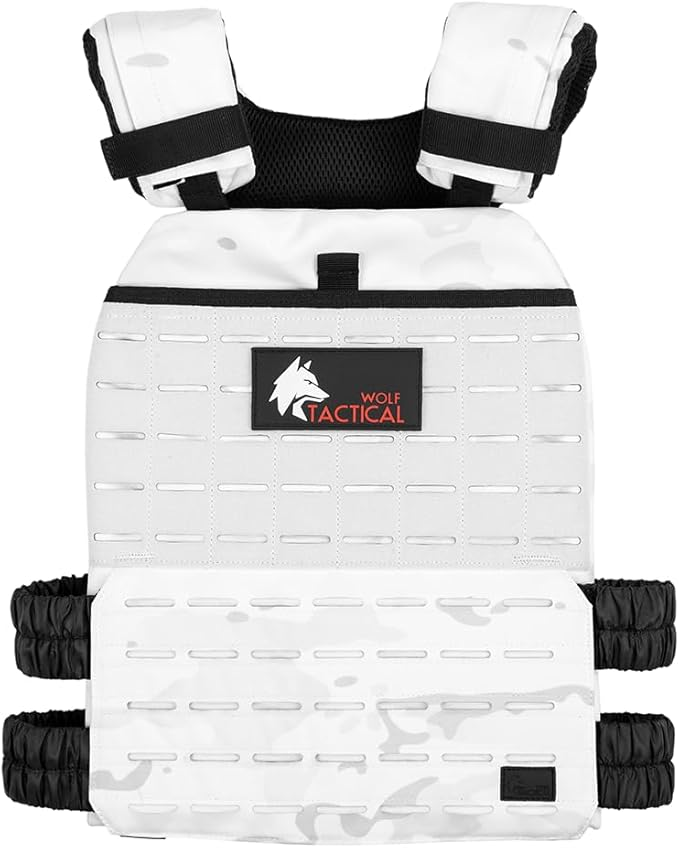
For most runners who want a snug, low-bounce fit I recommend a vest designed for active movement rather than a heavy plate carrier. One solid option is the WOLF TACTICAL Simple Weighted Vest (Men/Women)—a practical choice for run-walks and shorter tempo efforts.


Wolf Tactical Weighted Vest for running and rucking
Secure, low-bounce vest ideal for run-walk training and tempo efforts.

Use a calculator to plan effort and calorie goals

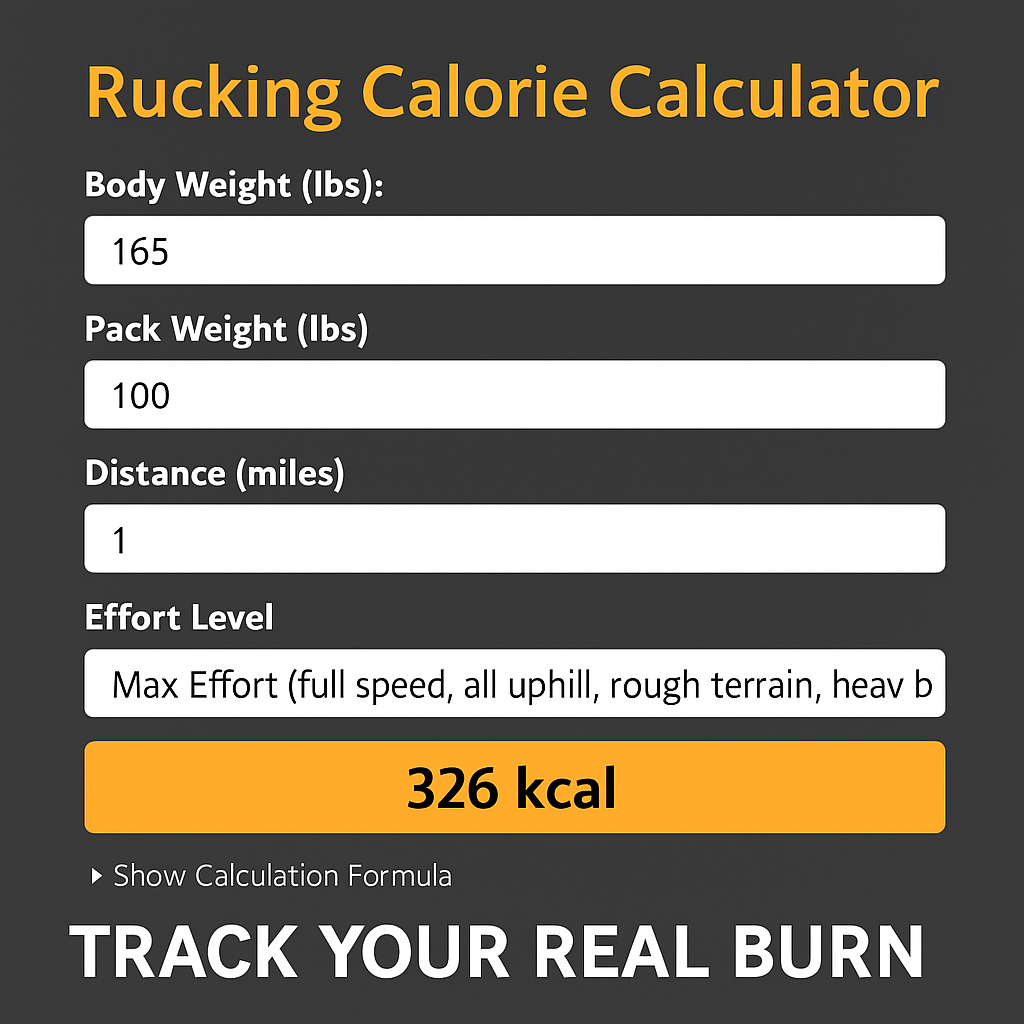
Before you increase load, estimate calorie cost and pacing so adjustments are evidence-based. Use the rucking calorie calculator to estimate burn for weighted runs and ruck-walks. Click the screenshot below to open the calculator and test different weights, distances, and paces.


Rucking calorie calculator screenshot

Practical session examples

  • Short tempo: 20 minutes steady with 3–5% bodyweight, controlled breathing.
  • Interval run-walk: 1 minute run/1 minute walk x 12 with a very light vest for beginners.
  • Long ruck-run hybrid: 45 minutes alternating 10 minutes loaded run and 5 minutes brisk walk.

From my coaching experience (I’m Preston Shamblen, ISSA-certified and I lost 90 lbs through rucking, weighted-vest training, and disciplined nutrition), the best long-term gains come from consistency and conservative progressions. Use the calculator, choose a vest that fits low and snug, and treat loaded running as a tool—not a shortcut.

Final notes

Track how you feel for 24–48 hours after each loaded session. If soreness is unusually high, reduce load or volume. When in doubt, prioritize frequency of lower-intensity loaded walks over infrequent hard loaded runs. This gives you the metabolic benefits without overuse injuries.

Posted in Weighted Vest Training | Tagged , , , , | Comments Off on Weighted Vest Workout Running: How to Add Load to Your Runs Safely

How the Onnit Weighted Vest Stacks Up for Functional Training

Onnit Weighted Vest: A Functional Training Insight

The Onnit weighted vest has gained popularity for its durability and ergonomic fit, but how does it compare when stacked up against top contenders in the market? For anyone committed to strength, cardio, or functional fitness, a weighted vest represents one of the most direct ways to increase workout intensity, calorie burn, and conditioning results.

What Makes the Onnit Weighted Vest a Standout?

  • Balanced Weight Distribution: Designed to contour to your torso, minimizing shifting while moving, which is essential for everything from rucking to calisthenics.
  • Adjustable Loading: Most Onnit vests allow you to modify the weight, making them versatile for progressive overload or recovery days.
  • Rugged Materials: The vest uses premium, tear-resistant fabric to withstand high-intensity workouts outdoors and indoors.

Weighing Your Options: Onnit vs. The Competition

Whether you’re performing push-ups, hiking uphill, or integrating vest work with rucking protocols, the best weighted vests share certain must-haves: secure fit, easy adjustability, and comfort over long sessions. While the Wolf Tactical Adjustable Weighted Vest is a reliable alternative for both beginners and advanced users, others like the 5.11 TacTec and Kensui EZ-VEST MAX V2 cater to different niches. Here’s how comparable models stack up:

  • Wolf Tactical Adjustable Weighted Vest for functional fitness and rucking
    Wolf Tactical: Balanced, adjustable, and built for comfort on walks or runs.
  • Kensui EZ-VEST MAX V2 for heavy calisthenics and load progression
    Kensui EZ-VEST: Best for progressive overload and heavy calisthenics.

How Many Calories Does Your Weighted Vest Session Burn?

If you want real results, tracking your calorie burn is key. Whether using the Onnit weighted vest or any top model, calorie needs and burn rates can differ based on your body size, walking speed, load, and workout duration. Instead of guessing, estimate your personal calorie expenditure below:

Calorie calculator for weighted vest and rucking workouts
Calculate your calorie burn with different vests and loads using the Rucking Calorie Calculator.

Final Thoughts: Is the Onnit Weighted Vest Right for You?

If you want a secure, functional, and rugged way to scale up your daily training, the Onnit weighted vest holds up well. Still, compare features, comfort, and weight options to ensure it’s an ideal fit for your fitness journey. For more advanced or customizable load-carrying, consider branching into models like the Wolf Tactical or Kensui platforms, especially as your training evolves.

Ready to dig deeper? Explore more about calorie burn and best practices for weighted vest training right here.

Posted in Weighted Vest Training | Tagged , , , , | Comments Off on How the Onnit Weighted Vest Stacks Up for Functional Training

How to Use an Exercise Plate Carrier for Weighted Workouts

Mastering Weighted Training with an Exercise Plate Carrier

An exercise plate carrier is a powerful tool to intensify bodyweight workouts, cardio, and functional movement. These adjustable vests, originally designed to mimic military load gear, let you add or subtract weight easily—making them perfect for at-home, gym, or outdoor sessions. Let’s break down how to use a plate carrier effectively, from fit to movement selection and calorie tracking.

Benefits of Training with a Plate Carrier

  • Customizable resistance: Increase intensity with weighted plates from 5 to 45 lbs.
  • Hands-free: Keeps your arms free for push-ups, squats, pull-ups, or walking lunges.
  • Progressive overload: Step up your training as your strength improves.
  • Metabolic boost: Burn more calories compared to bodyweight alone.

Choosing the Right Plate Carrier

The best plate carriers are adjustable, comfortable, and stable. Look for high-density padding, plate compatibility, and reinforced stitching. Two options that consistently rank high for quality and fit:

GORUCK Ruck Plate Carrier 3.0
GORUCK Ruck Plate Carrier 3.0: Rugged, minimalist, built for comfort with heavy plates.
Wolf Tactical Adjustable Weighted Vest
Wolf Tactical Adjustable Weighted Vest: Flexible loading and secure fit—great for dynamic workouts.

Setting Up and Safety Tips

  • Choose plates that fit securely in your carrier (Yes4All Ruck Weight Plates work with most major brands).
  • Start light, focus on form: Begin with 10–15 lbs if you’re new, and increase as you adjust.
  • Secure all straps to prevent movement or chafing.
  • Monitor your breathing, and take breaks as needed.

Best Plate Carrier Exercises

  • Weighted push-ups, pull-ups, dips
  • Air squats and walking lunges
  • Rucked walks (urban or trail)
  • Step-ups and stair climbs
  • Burpees and mountain climbers (for advanced conditioning)

Track Your Burn with the Rucking Calorie Calculator

If you use your exercise plate carrier for walks, hikes, or bodyweight circuits, track your progress and calorie burn. Try the free Rucking Calorie Calculator to estimate burn by weight, pace, and time:

Rucking Calorie Calculator screenshot

For weighted vests and plate carriers, you can also check out our Weighted Vest Calorie Calculator for more tailored estimates.

Wrap-Up

Adding an exercise plate carrier to your routine can elevate both strength and stamina. Start slow, dial in your fit, and commit to progressive movement. Plate carriers don’t just add weight—they add purpose and challenge to every workout. Need an upgrade? Explore top options like the GORUCK Plate Carrier or Wolf Tactical Weighted Vest to get moving.

Posted in Weighted Vest Training | Tagged , , , , | Comments Off on How to Use an Exercise Plate Carrier for Weighted Workouts

Why the 5.11 CrossFit Vest Works for Outdoor Weighted Training

The 5.11 CrossFit Vest: Reliable Weighted Training for Rucking and Cardio

If you’ve spent time searching for rugged, versatile weighted vests for CrossFit, functional fitness, or outdoor rucking, you’ve seen the 5.11 Tactical Unisex TacTec Trainer Weight Vest rated among the best. Originally designed for military and law enforcement, the 5.11 vest quickly became CrossFit’s standard for loaded conditioning work—and for good reason. It’s breathable, adjustable, and can handle intense physical challenges inside or outside the gym.

Comfort and Durability in Any Setting

A well-designed weighted vest like the 5.11 TacTec offers more than just weight. The fit is snug but never restrictive, and it distributes load evenly across your torso. Padded shoulder straps prevent digging, while ventilation keeps you cool even as sweat pours in a WOD or a long trail ruck.

5.11 TacTec Trainer Weight Vest for CrossFit and rucking
5.11 TacTec: Widely endorsed for CrossFit, outdoor workouts, and military-style weighted conditioning.

Who Should Use the 5.11 CrossFit Vest?

  • CrossFitters & Functional Fitness: Designed to dominate Hero WODs and Murph-style weighted runs or calisthenics.
  • Outdoor Enthusiasts: The TacTec can be loaded for progressive rucking, hiking, or added resistance on trails.
  • Anyone Looking to Burn More Calories: Even brisk walks with a weighted vest significantly increase calorie burn, and the 5.11 is comfortable for extended use.

Track Your Calorie Burn: Get Exact Numbers

How many extra calories do you torch with a vest like the 5.11 TacTec? Use the Rucking Calorie Calculator to estimate your calorie expenditure based on your weight, speed, and vest load.

Screenshot of the Rucking Calorie Calculator

Try the Rucking Calorie Calculator to see just how effective training with a 5.11 CrossFit vest can be.

Training Tips for Getting the Most from Your Vest

  • Start Light: For beginners, load 10–20 lbs and focus on perfect form before increasing weight.
  • Mix Indoor & Outdoor: Alternate between rucking outdoors and bodyweight circuits—pushups, pull-ups, and squats—with the vest on.
  • Hydrate Well: Add a Pump-Ocalypse hydration mix during longer sessions, especially in hot weather or high-output WODs.
Pump-Ocalypse hydration pre-workout for endurance
Pump-Ocalypse: Maintain hydration and endurance during long vest sessions.

Conclusion

The 5.11 CrossFit vest is more than just a gym tool—it’s built for functional athletes and anyone serious about outdoor training. Whether rucking, hiking, or grinding through a Murph, it’s a reliable way to add resistance and maximize your fitness gains.

Posted in Weighted Vest Training | Tagged , , , , , | Comments Off on Why the 5.11 CrossFit Vest Works for Outdoor Weighted Training

How to Choose a Ladies Weighted Vest for Walking, Rucking, and Fitness

Why a ladies weighted vest is a great training tool

Weighted vests are one of the simplest, most reliable ways to increase calorie burn, strengthen posture, and make everyday walks or rucks more effective. For women, a properly fitted ladies weighted vest helps distribute load across the torso without pinching the ribs or shoulders, letting you add intensity to walking workouts or rucking without changing technique.

What to prioritize when shopping

Focus on fit, adjustability, and the total load you’re comfortable adding. A vest that rides up, chafes, or concentrates weight on the sternum will shorten workouts and invite injury. Choose a vest with modular plates or small sand/chain pockets so you can add weight in 1–5 lb increments.

  • Fit: Look for a vest designed for a narrower torso and adjustable shoulder straps.
  • Load range: Beginners should start with 4–10 lb and progress as technique and conditioning improve.
  • Ventilation: Breathable mesh keeps long walks and rucks tolerable in warm weather.
  • Versatility: Pick a vest that works for walking, stairs, and bodyweight strength work.

Beginner setup and progression

Start conservatively: add no more than 5–10% of your body weight for conditioned walking; new ruckers may want 2–5% at first. Use shorter sessions to confirm fit, then gradually increase load or duration by 5–10% per week. Keep walking cadence and posture consistent: chest up, neutral spine, and relaxed shoulders.

Product options for women

For light, comfortable daily use, smaller adjustable vests work best. Consider the classic pink BAGAIL model if you want minimal initial load and easy use. The inline link below goes directly to the product page for specs and sizing.

BAGAIL Adjustable Weighted Vest (4–10 lb) is a soft, low-profile choice for walkers and beginners who want to test wearing weight without bulk.


BAGAIL Adjustable Weighted Vest pink
Light, beginner-friendly adjustable vest—easy to start with short walks.

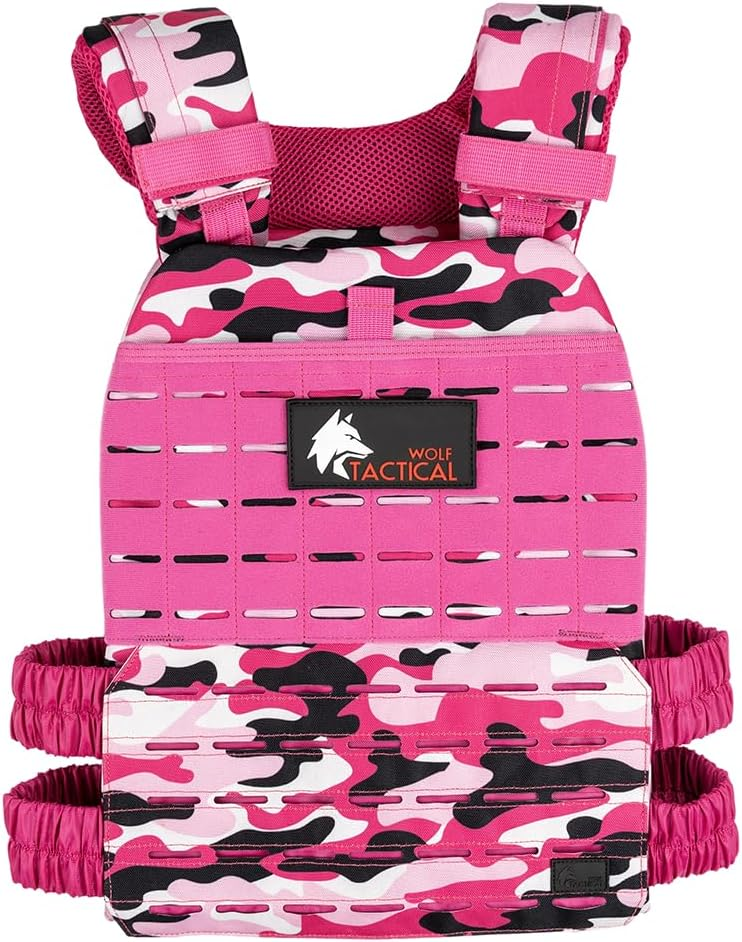
If you prefer a product with more structure and a style built specifically for walking or rucking, consider the Pink Wolf Tactical option. It balances durability with a feminine colorway and better load control for longer sessions.

Pink Wolf Tactical Weighted Vest is a step up for frequent walkers who need a vest that stays put during long routes.


Pink Wolf Tactical Weighted Vest
Durable and better stabilized for longer rucks and mixed training.

Use the calculator to plan sessions

Estimate calories burned with a quick calculator before you start increasing load. Use the rucking calorie calculator to model how weight, pace, and distance change energy expenditure. This helps you choose a sensible progression and maintain steady fat loss without overtraining.


Rucking calorie calculator screenshot
Estimate calories burned for weighted walking and rucking—adjust load and pace for realistic targets.

A quick note from the coach

As someone who relies on practical outdoor training, I recommend starting light and prioritizing consistency over big jumps in weight. I lost 90 lbs through disciplined rucking, weighted-vest training, and nutrition, and still recommend vests as one of the most reliable ways to maintain lower body weight and burn fat consistently. Small, steady progress beats dramatic, injury-prone increases.

Follow the fit and progression tips here, practice with short sessions, and use the calculator to keep your training measurable. A good ladies weighted vest makes walking and rucking safe, effective, and something you can keep doing for years.

Posted in Weighted Vest Training | Tagged , , , , | Comments Off on How to Choose a Ladies Weighted Vest for Walking, Rucking, and Fitness

How to Use a Tactical Training Vest for Effective Outdoor Workouts

Why Choose a Tactical Training Vest?

If you’re serious about functional training or rucking, a tactical training vest offers comfort, adjustability, and unmatched versatility. Unlike traditional weighted vests, these vests are designed with rugged materials and customizable fit, making them ideal for both heavy-load workouts and longer endurance sessions outdoors.

Key Features of a Tactical Training Vest

  • Adjustable Weight: Tactical vests allow you to fine-tune the load, often accepting standard weight plates or sandbags.
  • Secure Fit: Wide, padded straps and ergonomic design prevent bouncing and chafing over long distances.
  • Durability: Built for repeated use in tough environments.

Best Tactical Training Vest Options

For those starting out or focused on overall comfort, the Wolf Tactical Adjustable Weighted Vest is a top choice. Its adjustability and build quality make it suitable for both bodyweight training and walking workouts.

Wolf Tactical Adjustable Weighted Vest
Comfortable weight distribution and high adjustability for all fitness levels.

If you want the ultimate performance and load-carrying capability, the Kensui EZ-VEST® MAX V2 stands out. It can handle loads up to 300 lbs for serious strength training or conditioning work.

Kensui EZ-VEST MAX V2 tactical training vest
Handles heavy loads—perfect for strength, calisthenics, and advanced rucking.

Programming Your Tactical Training Vest Workouts

Start with a weight you can manage for your chosen activity (typically 10-20% of your bodyweight for beginners). Focus on walking, step-ups, squats, or push-up variations. Increase the load gradually to build endurance and strength while reducing injury risk.

  • Walks or Rucks: 20-45 minutes at a moderate pace.
  • Mixed Circuits: Combine bodyweight exercises with intervals of weighted walking.

Measure Your Calorie Burn

Curious about how many calories you’ll burn with your tactical training vest? Use our free Rucking Calorie Calculator to estimate your personal calorie expenditure based on weight, speed, and load.

Rucking Calorie Calculator screenshot

This tool is essential for dialing in your nutrition and tracking progress.

Tips for Success

  • Always start light and adjust weight upward as your fitness improves.
  • Choose a vest with a secure fit to minimize movement and prevent hotspots.
  • Track your progress and recovery to avoid overtraining.
Posted in Weighted Vest Training | Tagged , , , , | Comments Off on How to Use a Tactical Training Vest for Effective Outdoor Workouts

How to Use the Force USA Weight Vest for Maximum Training Impact

Force USA Weight Vest: Practical Uses and Training Tips

The Force USA weight vest is quickly gaining traction among athletes and fitness enthusiasts for its rugged build and adjustable load capacity. Whether you’re looking to intensify your walks, runs, workouts, or even rucking, this weighted vest provides an accessible and customizable option for building strength and endurance outdoors.

What Makes the Force USA Weight Vest Stand Out?

  • Versatility: Easily adjust the weight to match your daily training or recovery needs.
  • Ergonomic Design: Padding and straps minimize chafing and keep it snug – key for dynamic movements and longer sessions.
  • Durability: Designed to withstand rugged training environments, both indoor and outdoor.

Best Practices for Weighted Vest Training

  1. Start Light: Begin with a manageable load (usually 5–10% of your bodyweight) to master your form.
  2. Progress Gradually: Increase vest weight incrementally. The Force USA vest adjusts in small increments, making progression simple.
  3. Vary Your Movement: Mix up your workouts—try walking, jogging, bodyweight squats, and push-ups with the added resistance.
  4. Pace Recovery: Expect a new training stimulus and don’t skip rest days in the first few weeks.

Popular Weighted Vest Exercises

  • Brisk walks or rucking on trails
  • Push-ups, pull-ups, dips, and lunges
  • HIIT bodyweight circuits

Track Calorie Burn with Our Rucking Calorie Calculator

Want to know how many calories your Force USA weight vest sessions burn? Use the free rucking calorie calculator for quick estimates based on body weight, distance, terrain, and carried load.

Screenshot of the rucking calorie calculator tool

Weighted Vest Alternatives Worth Considering

  • Wolf Tactical Adjustable Weighted Vest – A comfortable, beginner-friendly option for walking or home gym use.
    Wolf Tactical Adjustable Weighted Vest
    Well-padded and adjustable, ideal for long walks or threshold training.
  • Kensui EZ-VEST® MAX V2 – For heavy calisthenics and advanced loading.
    Kensui EZ-VEST MAX V2 Weighted Vest
    Handles up to 300lbs, perfect for strength-focused routines.

Whichever vest you choose, proper fit and gradual progression are the most important factors for success and safety.

Posted in Weighted Vest Training | Tagged , , , , | Comments Off on How to Use the Force USA Weight Vest for Maximum Training Impact

How to Choose the Best Weighted Vest for Your Fitness Goals

The Best Weighted Vest: What Makes One Stand Out?

Not all weighted vests are created equal. Whether you’re a runner, walker, or rucker, the best weighted vest is the one that aligns with your training needs, fits comfortably, and stands up to regular outdoor use. Having coached hundreds through weight loss and performance programs, I know firsthand how crucial a good weighted vest is—this one piece of gear can supercharge your calorie burn and accelerate results.

What to Look For in the Best Weighted Vest

  • Comfort & Fit: You should barely notice the vest is on while moving. Look for wide, padded shoulder straps and adjustable side closures.
  • Adjustable Weight: The best vests let you tweak the weight as you progress, usually between 10–40 lbs.
  • Material Durability: Heavy-duty stitching and breathable fabric are a must for long-term use outdoors.
  • Movement: A good vest won’t bounce or chafe while rucking, running, or doing bodyweight moves.

Weighted Vest Recommendations

For most people, the Wolf Tactical Adjustable Weighted Vest offers an optimal blend of comfort, adjustability, and value. Its simple design makes it suitable for both beginners and advanced users.

Wolf Tactical Weighted Vest front view
Wolf Tactical: Secure fit and easy-to-adjust weight, perfect for walking, rucking, or calisthenics.

If you’re into high-capacity training or advanced calisthenics, consider the Kensui EZ-VEST® MAX V2, which can be loaded up to 300 lbs for true strength-based sessions.

Kensui EZ-VEST MAX V2 heavy-duty weighted vest
Kensui EZ-VEST: For powerlifters and calisthenics pros—heavy, safe, and ultra-durable.

Performance Tracking and Calorie Burn

The best weighted vests enhance your workouts by increasing load and, thus, calorie expenditure. To see just how much more you’ll burn, check out this Rucking Calorie Calculator. Track your typical session—distance, weight, and pace—to optimize results:

Rucking calorie calculator weighted vest

Use the Rucking Calorie Calculator here.

Final Thoughts

The best weighted vest is the one you’ll actually wear. Prioritize fit, quality, and adjustability. Try different styles as your training evolves, and don’t forget to periodically review your calorie expenditure to keep progressing. For more depth on weighted vests, visit the weighted-vest landing post for tailored options and science-backed training tips.

Posted in Weighted Vest Training | Tagged , , , , | Comments Off on How to Choose the Best Weighted Vest for Your Fitness Goals

Training Guide: 10 lb weighted vest for walking, rucking, and strength

Why choose a 10 lb weighted vest?

A 10 lb weighted vest is one of the simplest, most approachable ways to add consistent resistance to walking, rucking, and bodyweight strength work. It’s light enough for beginners to maintain good posture and form, and heavy enough to increase calorie burn and improve load-bearing tolerance when used consistently.

Who this weight suits

  • Beginners adapting to added load while walking or rucking.
  • Active folks returning from injury who need gradual progression.
  • Ruckers using a lightweight vest for conditioning before increasing load.

Fit, comfort, and safety basics

Fit matters more than brand. A 10 lb load should sit close to your torso without shifting. Look for adjustable straps and breathable material so the vest doesn’t ride up or chafe during longer walks. Keep these checks in your pre-walk routine:

  • Straps tightened to remove bounce but not restrict breathing.
  • Vest centered on the chest and upper back — not low on the hips.
  • Start with short sessions (20–30 minutes) to assess soreness and posture.

Programming with a 10 lb weighted vest

Use the vest to target three primary goals: steady-state calorie burn, load-conditioning for rucks, and intensified bodyweight circuits.

Walking and rucking

Start with 2–3 sessions per week. Begin at 20–30 minutes at an easy pace and add 5–10 minutes per week. Aim for a progressive increase in time or distance before increasing weight. A 10 lb vest is ideal to get the conditioning without compromising gait.

Strength and circuits

For pushups, lunges, step-ups, and air squats, a 10 lb vest increases intensity without changing movement mechanics dramatically. Use higher-rep sets (10–20 reps) and shorter rest periods to build muscular endurance.

Sample beginner plan (6 weeks)

  • Week 1–2: 3 sessions/week — 20–30 minute walks with the 10 lb vest + 2 x bodyweight circuits without vest.
  • Week 3–4: 3–4 sessions/week — 30–45 minute walks, 1 ruck-focused session, 2 circuits with vest for 2 exercises.
  • Week 5–6: 4 sessions/week — 45–60 minute walk/ruck, and one heavier circuit day with vest-loaded pushups, lunges, and step-ups.

Accessories and product suggestions

For light, daily wear and rucking-style walking, choose vests that emphasize comfort and adjustability. Two options that work well for a 10 lb setup:


WOLF TACTICAL Simple Weighted Vest for walking and rucking
WOLF TACTICAL vest: low-profile fit for walking and beginner rucking.

I often recommend the WOLF TACTICAL Simple Weighted Vest for people starting at 10 lb because it balances comfort with modular loading.


BAGAIL Adjustable Weighted Vest pink, 4-10 lb
BAGAIL adjustable vest: great for incremental loading and casual walks.

For those who prefer incremental steps, the BAGAIL Adjustable Weighted Vest lets you fine-tune load between 4–10 lb.

Track effort and calories

Track time, distance, and perceived exertion. To estimate calorie burn from rucking or walking with a vest, use the rucking calorie calculator below — it’s designed for weighted vests and backpacks and helps you plan progression without guesswork.


Rucking Calorie Calculator screenshot

Practical tips

  • Hydrate before and after: even light loads increase sweat rate on longer walks.
  • Listen to your joints: if pain arises, reduce time or remove the vest until movement quality is restored.
  • Keep progression gradual: time/distance first, then weight.

Used consistently and safely, a 10 lb weighted vest is an efficient tool to increase calorie burn, build load tolerance, and make everyday walking a training session. Start simple, track the work, and increase the challenge only when movement stays clean.

Posted in Weighted Vest Training | Tagged , , , , | Comments Off on Training Guide: 10 lb weighted vest for walking, rucking, and strength

How to Make the Most of Your Zelus Weighted Vest Training

Why Train with a Zelus Weighted Vest?

The Zelus weighted vest is a popular entry-level option for those looking to add extra intensity to their workouts. Whether you’re a walker, runner, or want to level up bodyweight circuits, a weighted vest helps you boost calorie burn, build endurance, and strengthen your core and upper body. Let’s break down how to use the Zelus for maximum benefit and what you should know before getting started.

Top Benefits of the Zelus Weighted Vest

  • Comfortable Fit: Adjustable straps help distribute the load evenly, reducing bounce and discomfort on long walks or runs.
  • Versatility: It works for hiking, running, bodyweight exercises, and rucking sessions alike.
  • Progressive Overload: Adds resistance to movements without needing extra equipment, helping drive strength gains over time.

Workouts to Try with a Zelus Weighted Vest

If you’re new to weighted vest training, start with walking sessions. Aim for 15-25 minutes at a brisk pace, focusing on posture and steady breathing. Progress to intervals (short bursts of faster pace alternating with easy walking) or incorporate the vest into bodyweight workouts: push-ups, squats, lunges, and burpees all become tougher and more effective with added weight.

Example Beginner Routine

  • 10-minute brisk walk warmup
  • 3 rounds: 10 push-ups, 15 squats, 10 walking lunges per leg
  • 2-minute ruck or jog finisher

Gradually increase the vest weight as your body adapts, but don’t rush—form and endurance come first.

Track Your Progress and Calorie Burn

Wearing a weighted vest means your calorie expenditure increases, but it can be tough to know how much. I recommend using a detailed calorie calculator for weighted vest or rucking sessions. Check out this reliable online calorie calculator to estimate your burn based on duration, distance, and load:

Rucking and weighted vest calorie calculator screenshot

Plug in your vest weight and session details for an accurate estimate—try the calculator here.

Alternatives and Upgrades

If you outgrow your Zelus vest, consider adjustable models with heavier load capacity. Popular options for serious training and rucking include:

Final Tips

  • Always prioritize fit and comfort—adjust the vest snugly but not too tight.
  • Start light and build up gradually; don’t rush the load increases.
  • Stay hydrated, especially on longer or hotter sessions. Weighted vests add intensity fast!

Looking to compare weighted vest options or calculate calorie burn for other vest models? Visit our full weighted vest calorie calculator guide.

Posted in Weighted Vest Training | Tagged , , , , | Comments Off on How to Make the Most of Your Zelus Weighted Vest Training