What the Bear Komplex plate carrier does well
The Bear Komplex plate carrier is a lightweight, modular carrier designed for training with plates and adding tactical function to ruck work. In my experience training outdoors and moving weight over trails, a plate carrier that balances stability, ventilation and adjustability makes longer weighted walks and short shuttles far more tolerable. This post covers fit, load capacity, mobility trade-offs, and how to turn a plate carrier into a ruck-ready rig.
Key fit and comfort considerations
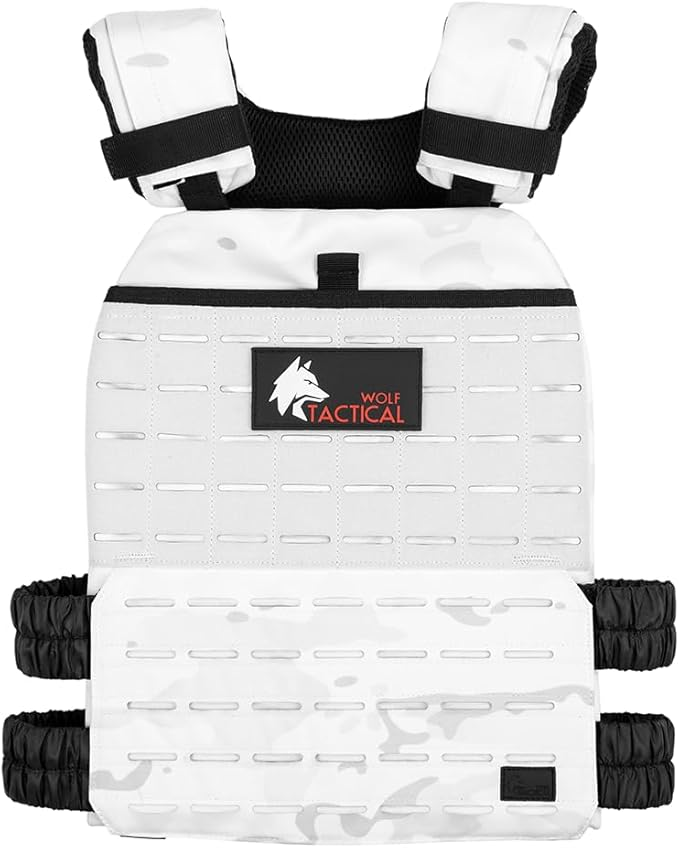
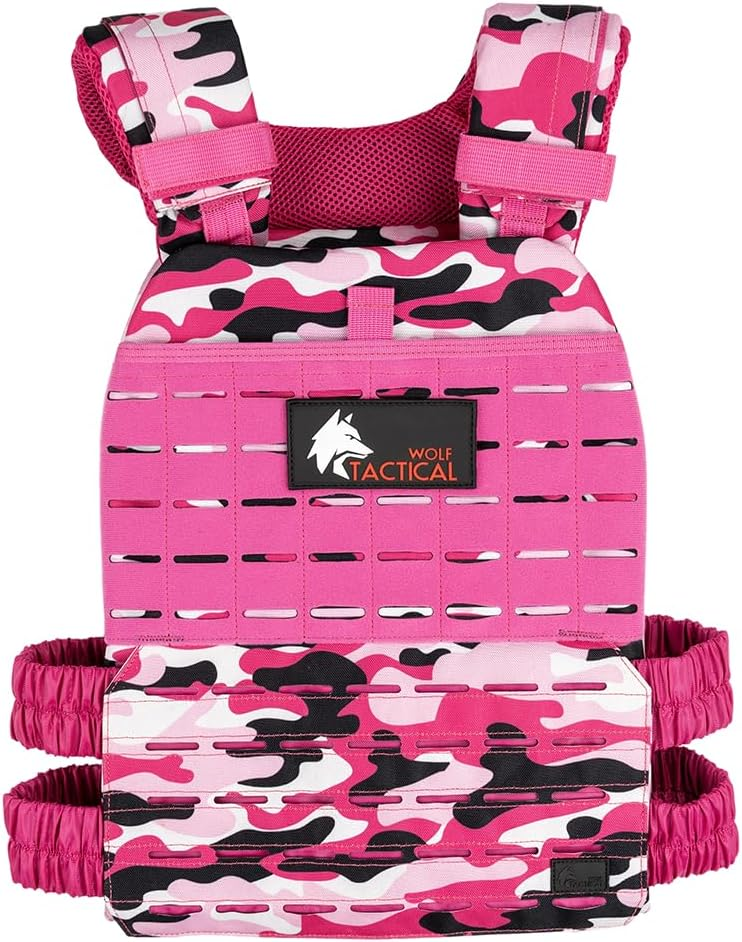
Any plate carrier must sit at the right height to avoid pinching your neck and to distribute load across your shoulders and upper back. When you try a Bear Komplex carrier, look for these signs of a correct fit:
- Plate pocket sits over the chest without riding into the throat.
- Shoulder straps are padded and lock down without excessive movement.
- Cummerbunds or side panels compress laterally to stop plates from shifting during steps.
Adjust the carrier with the plate inserted and walk a few minutes with a light load (10–20% bodyweight) to test pressure points. Expect a break-in period; the raw feel softens after a couple of sessions.
Load limits and safe progression
Plate carriers are not a one-size-fits-all weighted vest. They allow placement of rigid plates or soft inserts and are best programmed like any load-bearing progression:
- Start light and prioritize movement quality for 1–3 weeks.
- Add weight in 5–10% bodyweight increments depending on your conditioning.
- Prioritize posture, bracing, and shorter sessions before marching long distances.
If your goal is rucking with heavier loads, consider a plate carrier with wider shoulders and reinforced cummerbund to avoid chafing and to keep load centered. For more traditional ruck setups, a plate carrier can be combined with a ruck plate or plate adapter to move weight more comfortably on trails.
Turning a plate carrier into a ruck-ready setup
To use a Bear Komplex plate carrier for rucking, think about ventilation, hydration and pack integration. Carry water high on the torso or use a small hydration bladder to maintain balance. If you anticipate long distances, pairing the carrier with a purpose-built ruck or using the carrier over a lightweight pack will improve comfort.
Recommended complementary gear
For ruck-style work where a plate carrier is part of the load-carrying system, I often recommend a plate-specific carrier and a durable ruck depending on the session:

When you want a full ruck option that can carry food, water and tools in addition to a plate setup, consider the GORUCK Rucker 4.0 20L for trail durability and pack integration.

Calorie and training impact
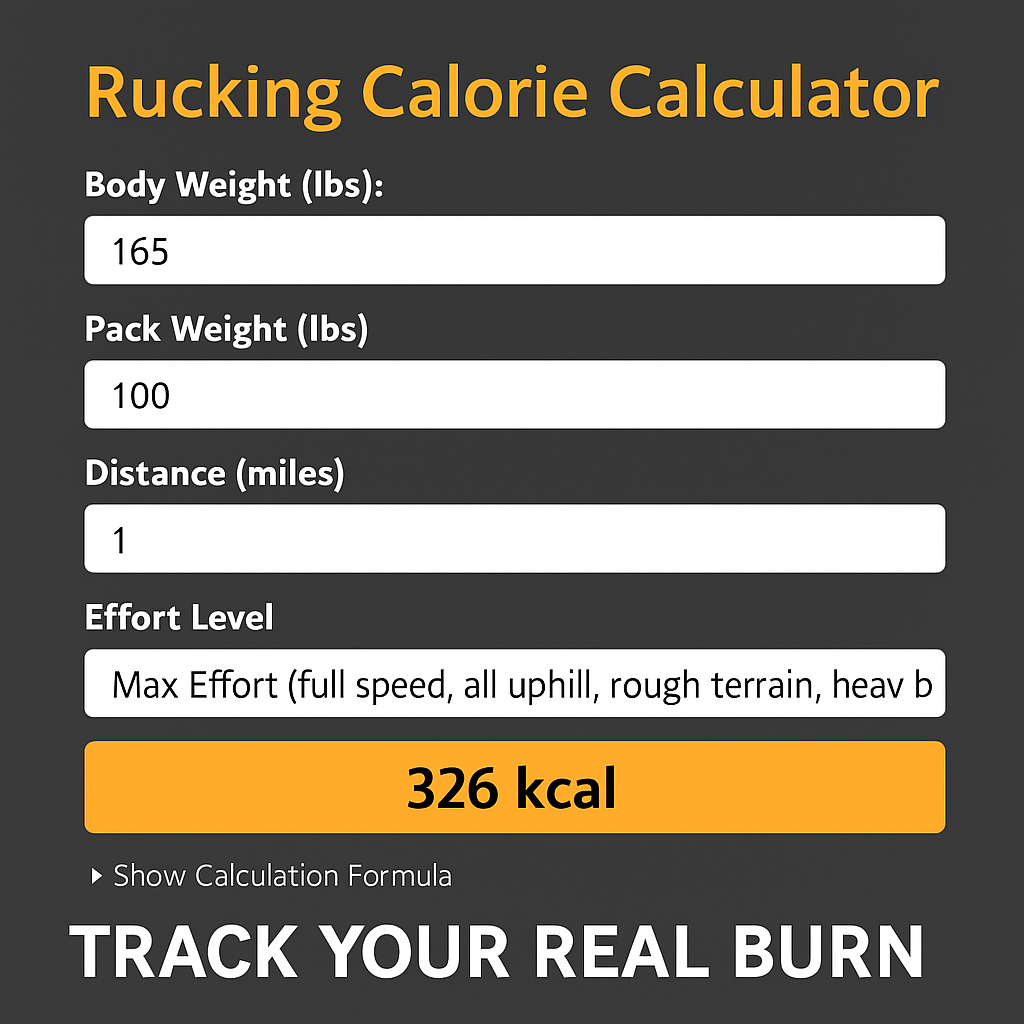
To estimate the caloric cost of carrying a plate carrier on a walk or ruck, use the rucking calorie calculator below. It helps frame how added load increases energy expenditure so you can program training and recovery appropriately.

Final recommendations
If you plan to use a Bear Komplex plate carrier as a primary training tool, focus on progressive overload, maintain mobility work for your shoulders, and mix in shorter runs or trail hikes before committing to long-distance rucks. A plate carrier can be a durable, versatile tool—but only when fit and load are treated as variables to be tuned for each user and each mission.
Train with sensible progressions, keep hydration and pack integration in mind, and treat the plate carrier like any other weighted tool: useful when respected and tuned to the person wearing it.