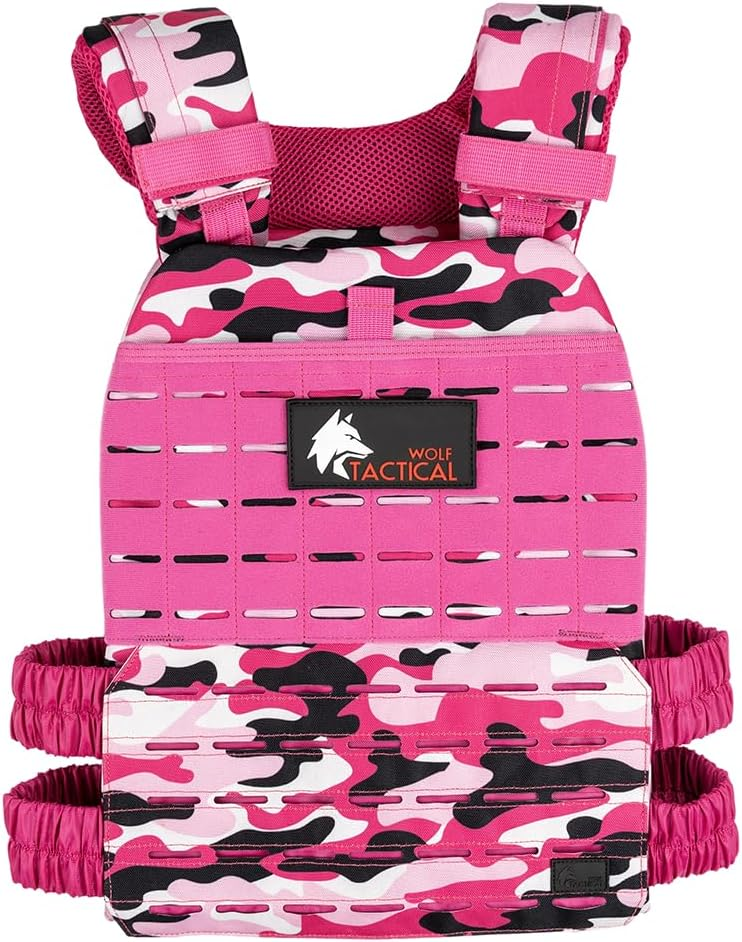
Why choose an adjustable weighted vest?
When you want to add consistent, scalable load to walking, rucking, or bodyweight work, an adjustable weighted vest is the most practical solution. Adjustability lets you increase load as your fitness improves, distribute weight for comfort, and use the same vest for short high-intensity sessions or longer rucks. Below I lay out what to prioritize when shopping and how to use a vest safely outdoors.
Key features to evaluate
- Fit and adjustability — look for multiple anchor points and internal pockets that let you fine-tune front-to-back balance.
- Plate vs. soft weights — plate-compatible vests are more durable and sit closer to your torso for heavy sets; soft shot packs are quieter and more flexible for long walks.
- Breathability and chafe protection — padded shoulder straps and smooth seams matter when you’re moving for over an hour.
- Range of weight — a good adjustable vest will let beginners start around 10–20% of bodyweight and scale up toward heavier training as form and joint strength improve.
Top picks and what they’re best for
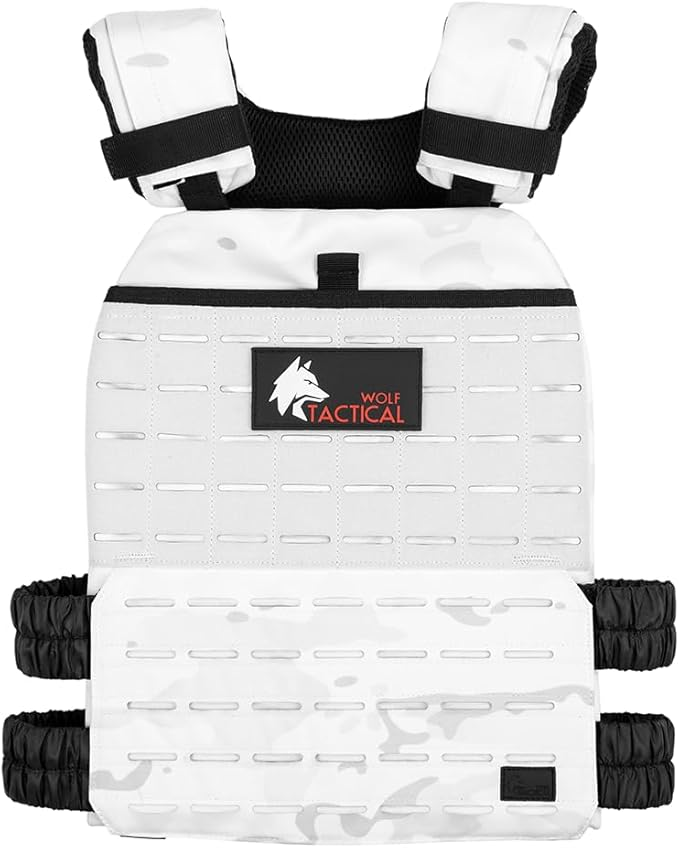
For most ruckers and general fitness athletes I recommend options that combine fit, adjustability, and durability. If you want a simple, reliable choice that’s comfortable for walking and interval work, consider the Wolf Tactical line and the 5.11 TacTec for a more performance-focused fit.

Another solid option for athletes who want a snug, training-oriented fit is the 5.11 TacTec Trainer Weight Vest. It’s built with heavy training and calisthenics in mind and keeps plates close to the torso for safer loading during dynamic movement.

How to pick the right weight and avoid common mistakes
Start light and prioritize posture. For rucking, begin with 5–15% of bodyweight and increase no more than 5% every 2–4 weeks, depending on recovery. For strength or calisthenics sessions, a snug plate-based setup may be preferable because it won’t shift during pull-ups or squats.
- Always test a new vest on short walks to identify hotspots and chafing before long outings.
- Distribute load evenly — front-heavy setups change gait and can cause low-back stress.
- Use padded straps and thin base layers to reduce rubbing during long rucks.
Calculate calorie burn and plan progress
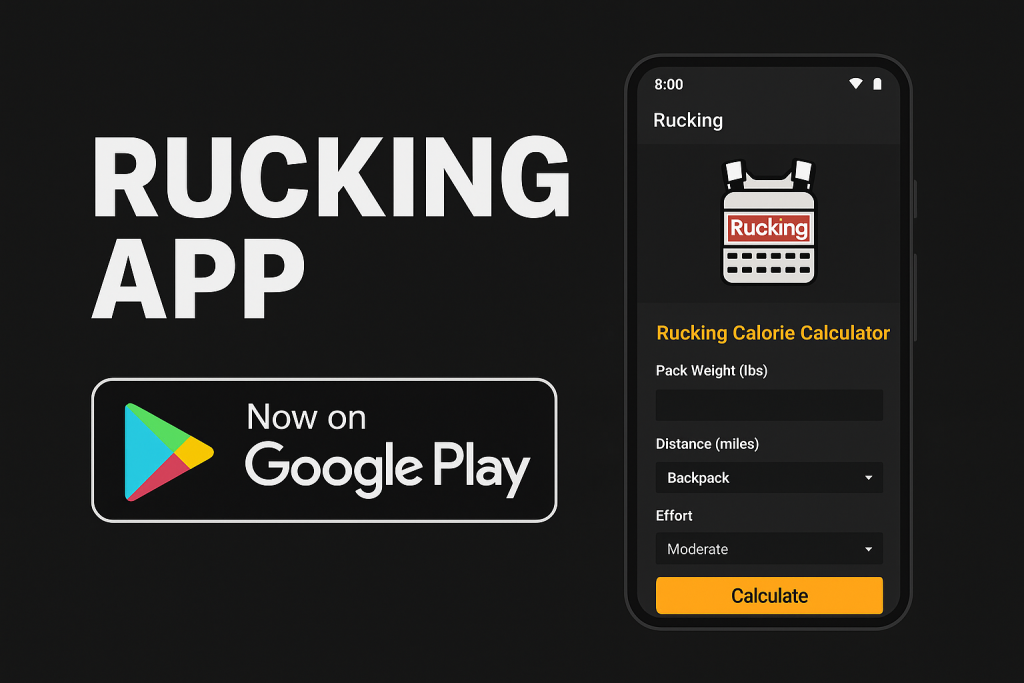
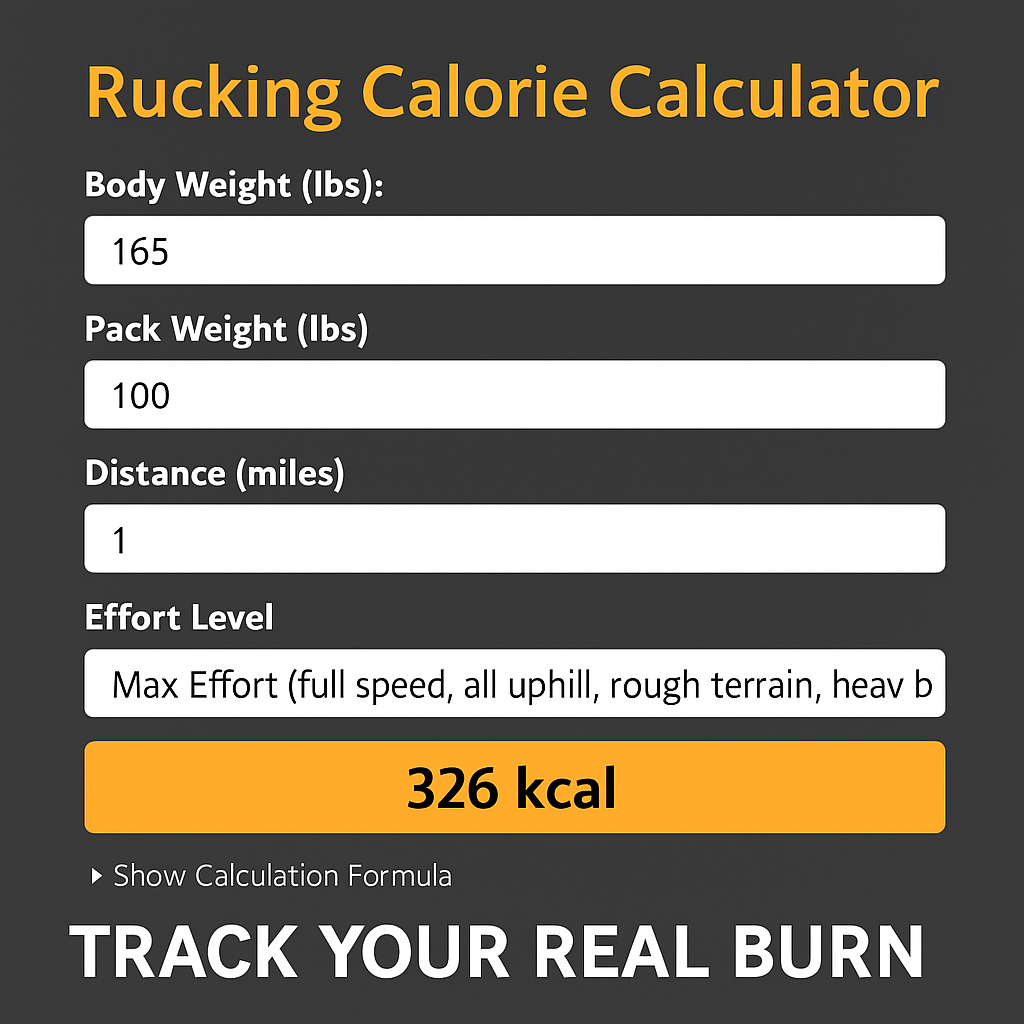
Once you know your typical ruck pace, weight, and duration, use the calculator below to estimate calorie burn and adjust nutrition or weekly volume. I use this same approach when planning progressive weight increases.

Practical recommendations
Buy a vest that fits your primary use: lighter, breathable, adjustable vests for long rucks; plate-compatible vests for heavy training. If you’re new, the Wolf Tactical Adjustable Weighted Vest is an easy starting point because of its comfort and modularity. As you progress, a performance vest like the 5.11 TacTec gives a tighter profile for intense movements.

Preston Shamblen lost 90 lbs using rucking, weighted-vest training, and disciplined nutrition and still recommends adjustable vests as a reliable tool to maintain lower body weight and burn fat consistently. Start conservative, track progress with the calculator above, and protect your joints by prioritizing fit and gradual increases.