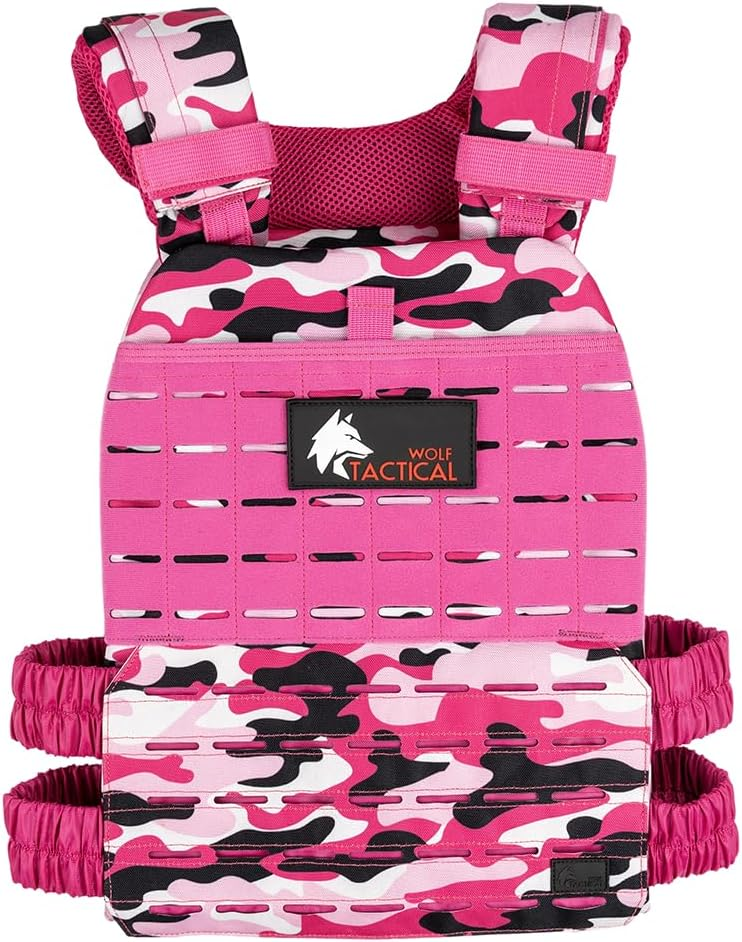
How to pick the best CrossFit vest
Choosing the best crossfit vest is about balance: you need a vest that stays stable during burpees and box jumps, allows full range of motion for pull-ups and thrusters, and gives predictable loading for strength work. I write from outdoor rucking and weighted-vest experience and practical CrossFit coaching: fit and movement matter more than gimmicks.
Key criteria to evaluate
- Low profile and mobility: A vest must sit close to the torso so it doesn’t shift when you jump or kip.
- Adjustable load: For CrossFit you want a vest that accepts small increments so you can scale WODs sensibly.
- Breathability and comfort: Padded shoulders and a ventilated shell reduce chafing during longer metcons.
- Durability: Reinforced seams and reliable closures matter when you’re doing frequent heavy use.
- Range of motion: The shoulder cut and torso length should not interfere with overhead positions or bar path.
How I test a vest for CrossFit
I look for a vest that stays put through a 20-minute AMRAP: running, wall balls, box jumps, pull-ups, and kettlebell swings. If a vest slides on vertical movements or creates hot spots under the straps, it’s not ideal. I recommend testing with dynamic movements, not just walking or static lifts.
Top picks for different CrossFit needs
For heavy, strength-focused CrossFit and weighted calisthenics, a high-capacity, plate-compatible vest is often best. For metcon-heavy athletes who need mobility, look for a minimalist, evenly distributed vest.
Kensui for heavy strength and weighted calisthenics
When your priority is loading capacity for weighted pull-ups, heavy vest squats, or progressive strength work, the Kensui bench-marked option is built for it. It accepts large loads and keeps weight centered close to the spine.

Consider the Kensui EZ-VEST® MAX V2 if you need plate-style loading up to large weights and a vest that won’t creak under heavy work.
5.11 TacTec for mobility-focused CrossFitters
If your WODs emphasize gymnastics and fast transitions, a purpose-built tactical vest designed for movement makes more sense. It’s lighter, low-profile, and less likely to interfere with overhead work.

Try the 5.11 TacTec Trainer Weight Vest for WOD-friendly contouring and lighter, more balanced plates.
Programming and safety tips
- Start light and add 2.5–5% bodyweight increments to avoid form breakdown during high-skill movements.
- Use a vest for targeted sets (e.g., weighted pull-ups or short metcons) rather than full-duration endurance runs until you’re adapted.
- Monitor spinal loading—keep the load centered and avoid extreme forward lean during squats and cleans.
- Stay hydrated and expect higher perceived exertion—add short recovery between sets when first introducing a vest.
Estimate the extra burn
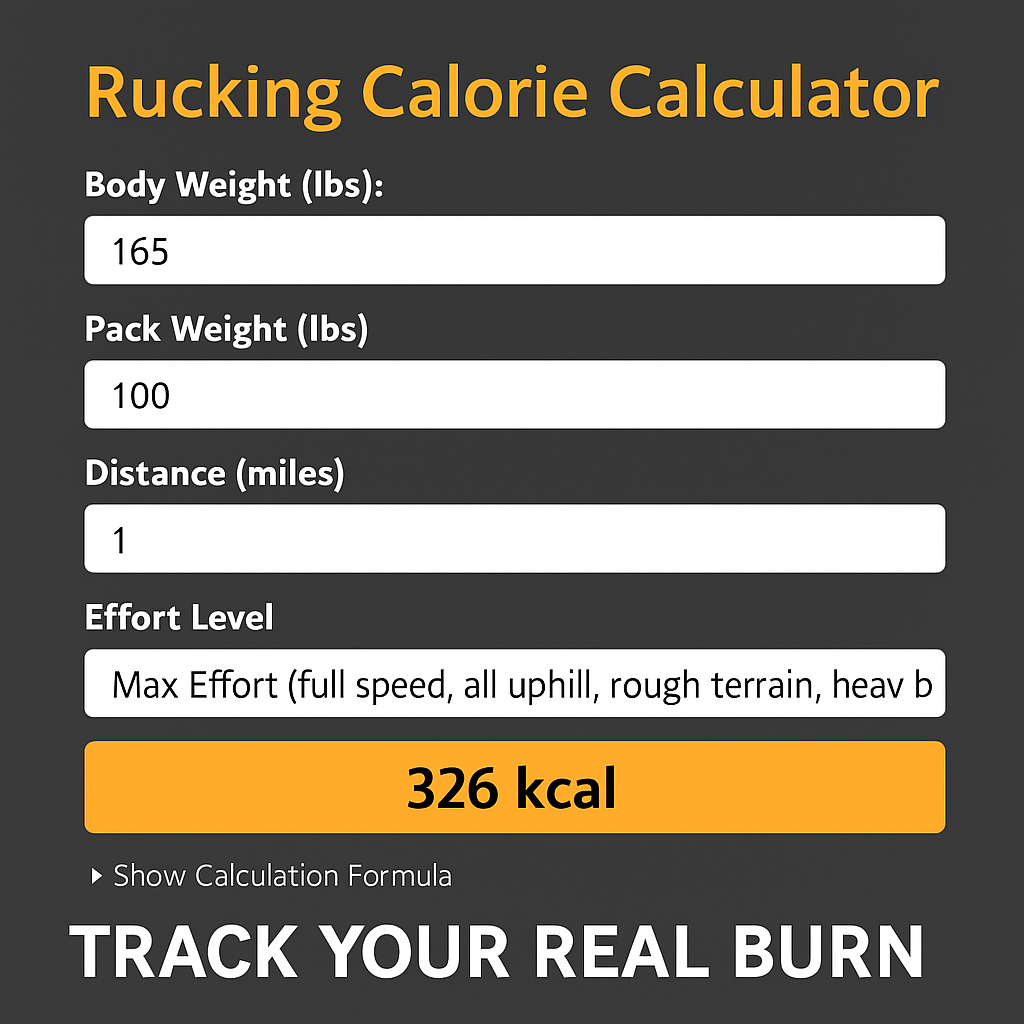
If you want to quantify how much extra effort a vest adds to your workouts, use the rucking calorie calculator to estimate incremental calorie burn based on added weight and pace. I use this tool to plan progressions and recovery windows.
Open the rucking calorie calculator

Final verdict
The best crossfit vest depends on whether you prioritize maximum load (choose Kensui) or mobility and quick WOD transitions (choose 5.11 TacTec). Small, smart progressions and testing under real WOD conditions separate a useful training tool from a bulky annoyance. As a coach and founder I’ve seen weighted vests transform strength and conditioning when used sensibly—and they’re one of the most reliable ways to add intensity without extra gym time.
— Preston Shamblen, ISSA-certified trainer, founder, and advocate for disciplined weighted-vest work.