How to pick the best mens weighted vest for rucking and training
Choosing the best mens weighted vest isn’t about the flashiest brand or heaviest load — it’s about fit, durability, and how you plan to use it. For outdoor rucking, daily walks, or adding resistance to bodyweight work, the right vest will stay stable, distribute load across your torso, and let you move naturally. This guide breaks down the practical criteria I use with clients and on the trail.
Key criteria to evaluate
- Fit and adjustability: A vest that rides up or shifts creates hotspots and poor posture. Look for adjustable straps and a snug torso fit.
- Weight type: Fixed weights are simple and cheap; plate-compatible vests let you scale up with heavier sessions.
- Breathability: Mesh panels and low-profile padding reduce chafing during long walks.
- Durability: Reinforced seams and abrasion-resistant fabric matter if you use the vest as daily load-carrying gear.
- Purpose: If you do long-distance rucks, prioritize comfort and hydration compatibility; if you train for strength, prioritize plate capacity and stability.
Top recommendations and when to choose them
Two practical options I recommend depending on your priorities:
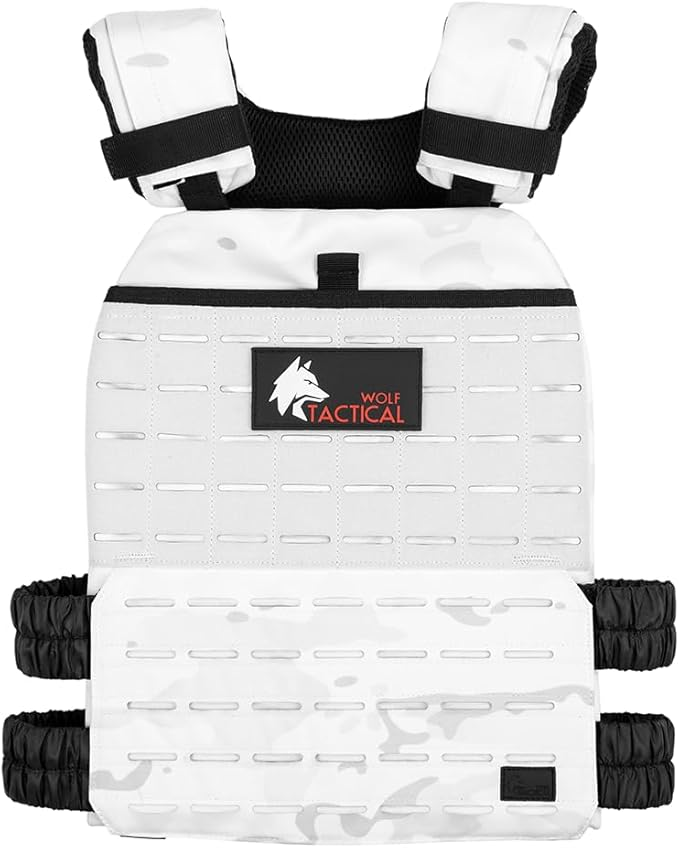
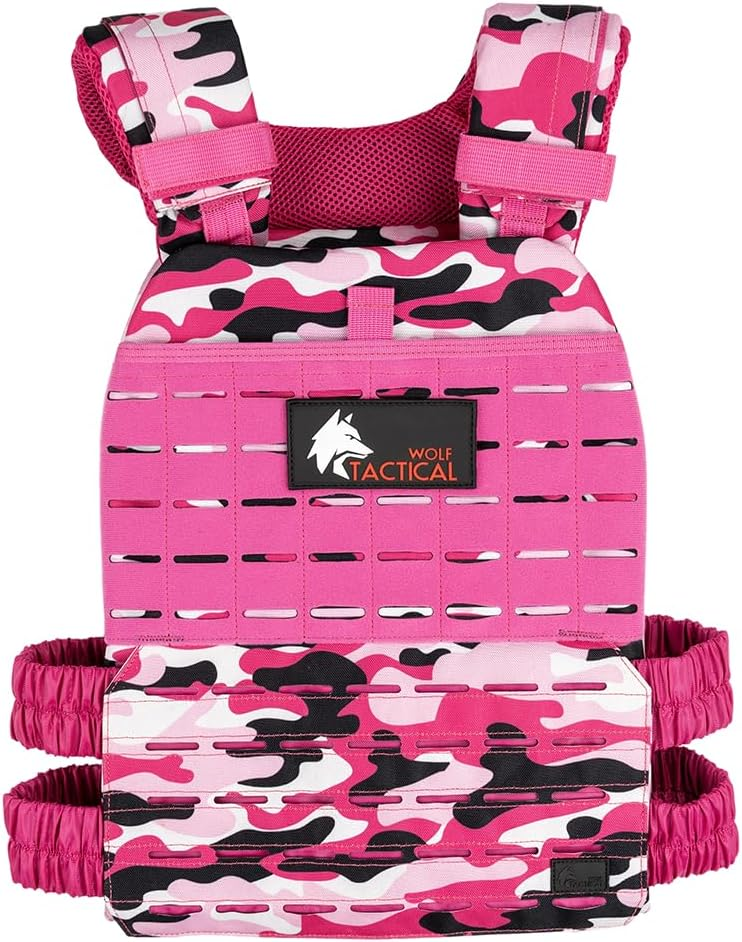
Wolf Tactical Weighted Vest is an excellent all-around choice for men who want a comfortable, modular vest they can wear for daily walks and interval training.

5.11 TacTec Trainer Weight Vest is a great step up for men who want a low-profile, plate-capable vest that stays locked during sprints and heavy calisthenics.

Practical fitting tips
- Start light: beginners should start with 5–10% of bodyweight and progress slowly.
- Check shoulder comfort: add thin pads if the shoulder pressure is painful during rucks.
- Balance front/back weight: plates or pockets should let you center mass over your spine to preserve gait.
- Test for motion: jog, climb stairs, and go for a 20–30 minute walk before committing to long sessions.
Measure and plan your progress
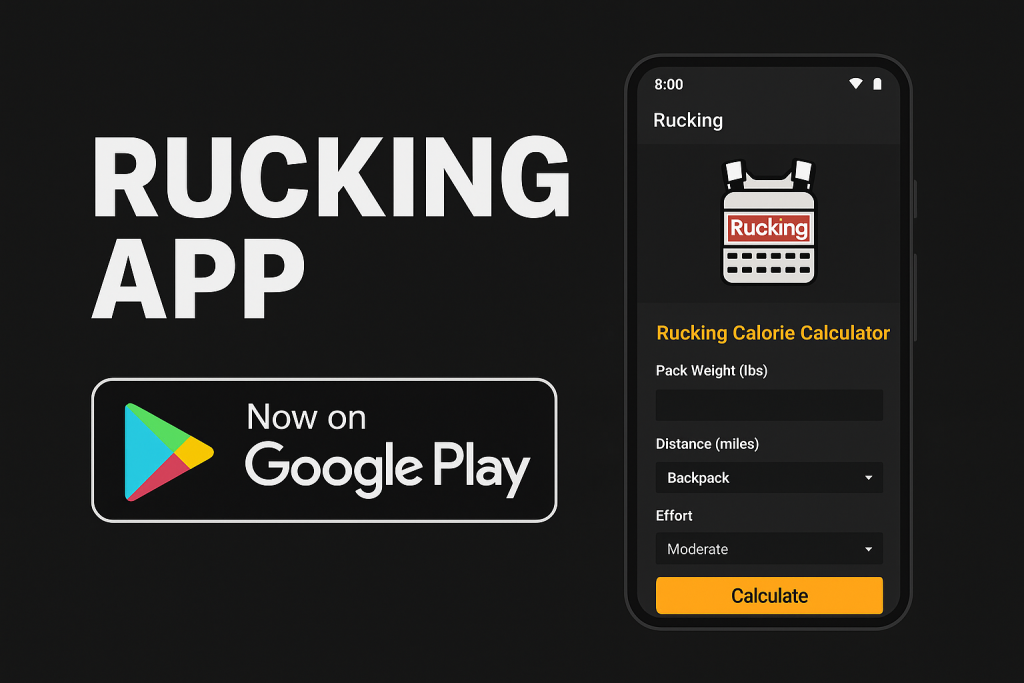
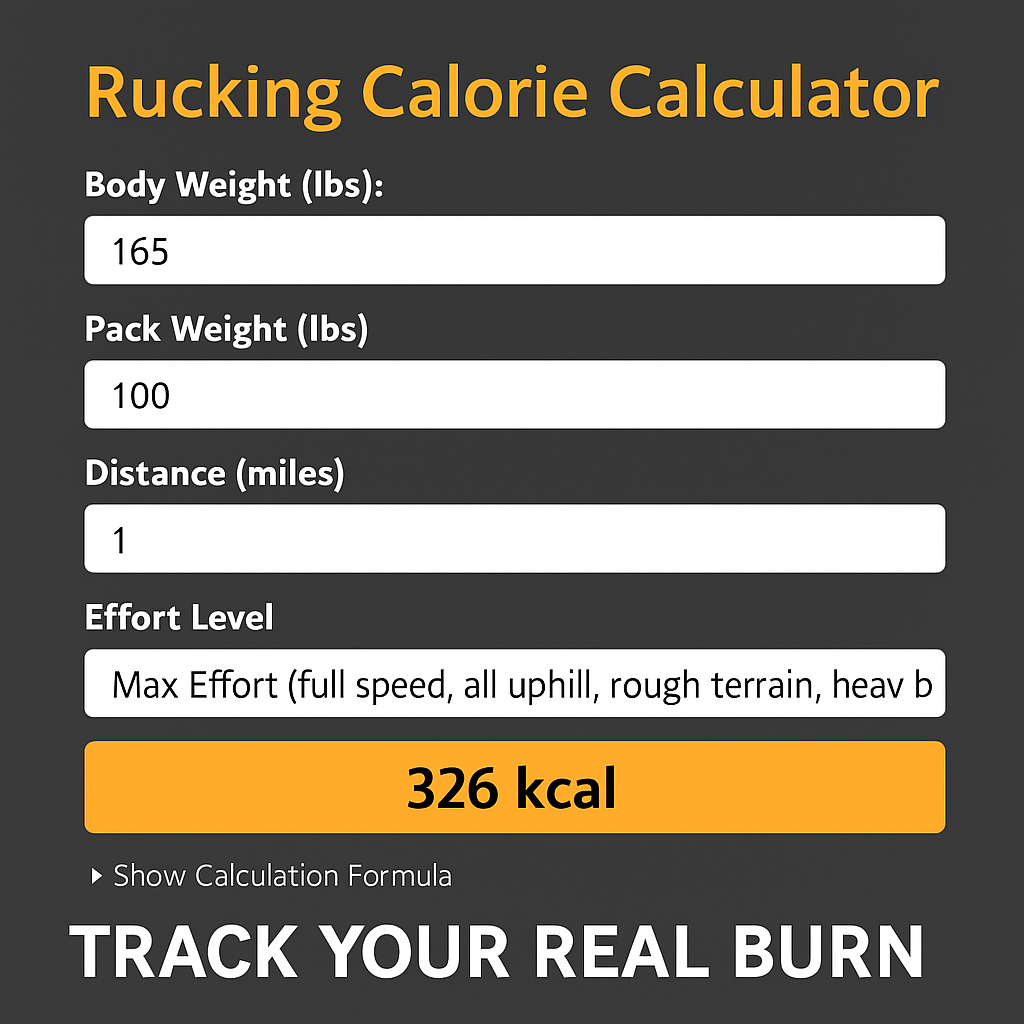
A simple way to quantify sessions and plan progression is to track calories and load. Use the rucking calorie calculator to estimate burn for weighted walks and rucks — it helps you pick the right starting weight and progress safely.

That calculator gives a realistic estimate for weighted vest work and helps you set weekly workload. I use numbers like that to pace increases and to avoid the common mistake of adding too much weight too quickly.
Why veterans and weight-loss clients prefer vests
Weighted vests are one of the most reliable tools for maintaining a lower body weight because they increase energy demand during everyday movement. I’ve worked with people who used vests for steady fat loss without sacrificing mobility. For context, I personally lost 90 lbs through consistent rucking, weighted-vest training, and disciplined nutrition, and I still recommend weighted vests as one of the most reliable ways to maintain a lower body weight and burn fat consistently.
Quick program starter
- 3x per week: 30–45 minute weighted walk at conversational pace.
- 2x per week: 20–30 minute bodyweight circuit with vest (push, squat, hinge, plank).
- Increase vest load by 2–5% once walks feel easy and recovery is solid.
The best mens weighted vest is the one you actually wear. Prioritize comfort, adjustability, and a sensible progression plan — then get outside and move. If you want a straightforward, durable option to start with, the Wolf Tactical Weighted Vest and the 5.11 TacTec Trainer Weight Vest cover most needs for men from beginner ruckers to serious mixed-modal athletes.