Why the vest makes the Murph
The Murph is a brutal mix of running and high-rep bodyweight work. A vest that shifts, chafes, or pinches will cost you time, form, and energy. The best Murph vest balances load, comfort, and durability so you can move through runs, pull-ups, push-ups, and squats without equipment getting in the way.
What I look for on the trail and in the gym
As an ISSA-certified coach who trains outdoors and programs Murph variations, I prioritize vests that lock the weight close to the torso, allow for ventilation, and don’t interfere with shoulder mechanics. During my own transformation I learned that a reliable vest is one of the simplest ways to add consistent overload to bodyweight work and maintain conditioning.
Key features to choose the best Murph vest
- Low-profile load carriage — plates or bags should hug your back so the vest doesn’t flop during runs or kipping pull-ups.
- Adjustable fit — quick cinch systems and side adjustment prevent bounce across different torso sizes.
- Comfort and breathability — soft edges, mesh panels, and sensible padding reduce chafe over a 45–60 minute Murph.
- Durability — reinforced seams and military-grade materials stand up to sleds, rucks, and repeated use.
- Weight options — ability to scale down for female Rx or beginners keeps Murph accessible while preserving workout structure.
Top practical picks for Murph
If you want a vest built for volume, you don’t need to overthink it. Here are two reliable choices that balance comfort and performance for Murph-style work.
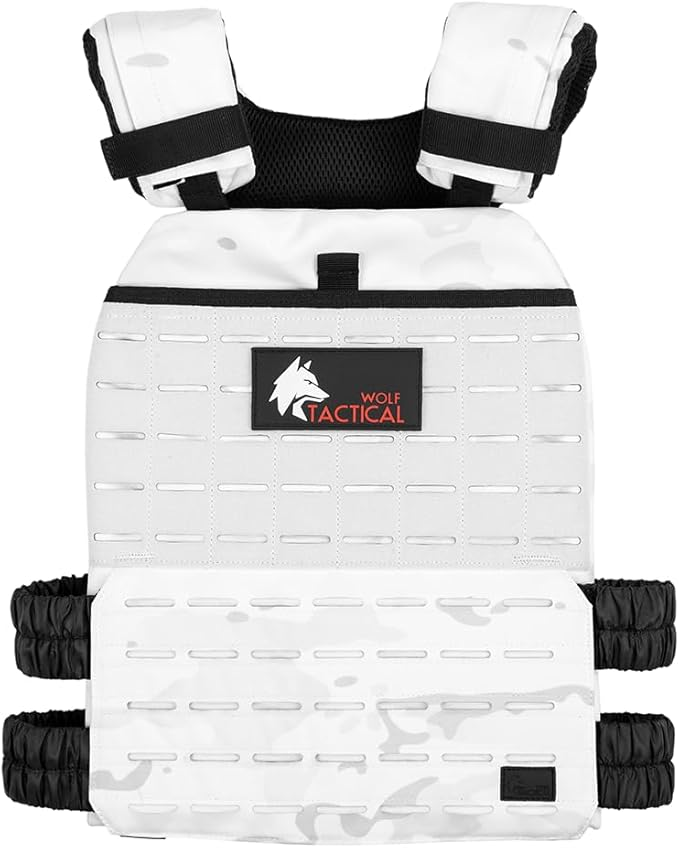
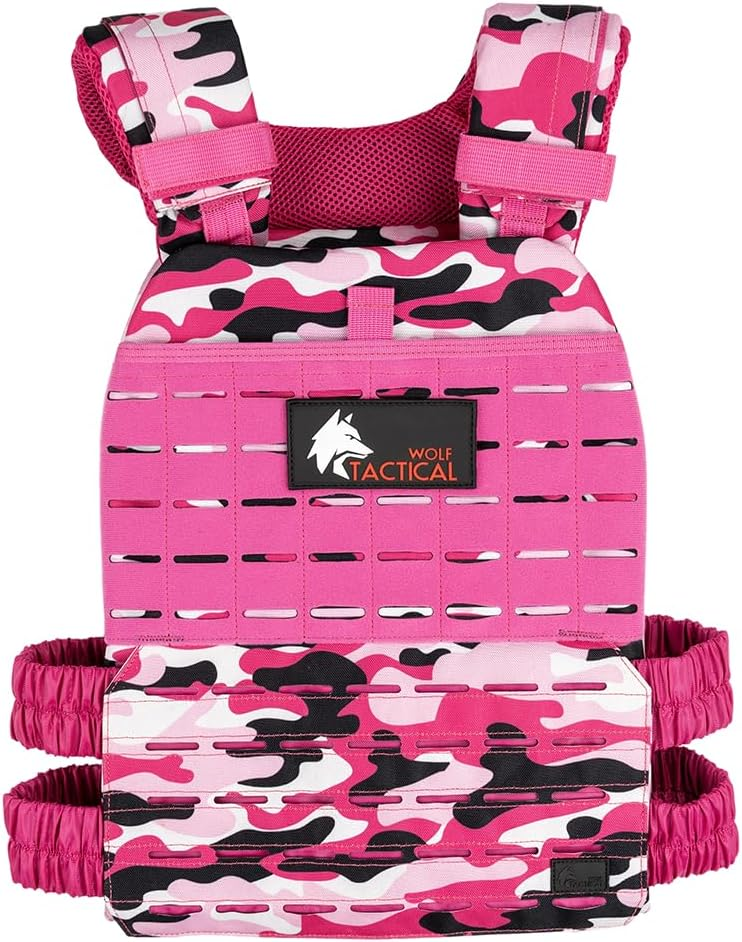
Wolf Tactical Adjustable Weighted Vest is a great starter-to-intermediate option with a low profile and adjustable fit, making it easy to wear during runs and bar work.

5.11 TacTec Trainer Weight Vest is another solid choice if you want something built for high-intensity interval bodyweight work — the TacTec packs close and stays secure through runs and dynamic reps.

Fit and programming tips for a faster Murph
Start light and prioritize movement quality. If you’re new to vested Murphs, break the workout into manageable sets (e.g., 20 rounds of 5 pull-ups, 10 push-ups, 15 squats) instead of one giant set. Adjust straps between sets if you feel slippage. During runs, focus on a slightly shorter stride and higher cadence — the vest changes your biomechanics and a conservative run pace preserves energy for the bodyweight sections.
Small cues that matter
- Wear a thin performance shirt under the vest to reduce rub.
- Trim straps that cause pressure points or swap them for quick-adjust alternatives.
- If you do kipping pull-ups, pull the vest tight at the waist so it doesn’t sway during the kip.
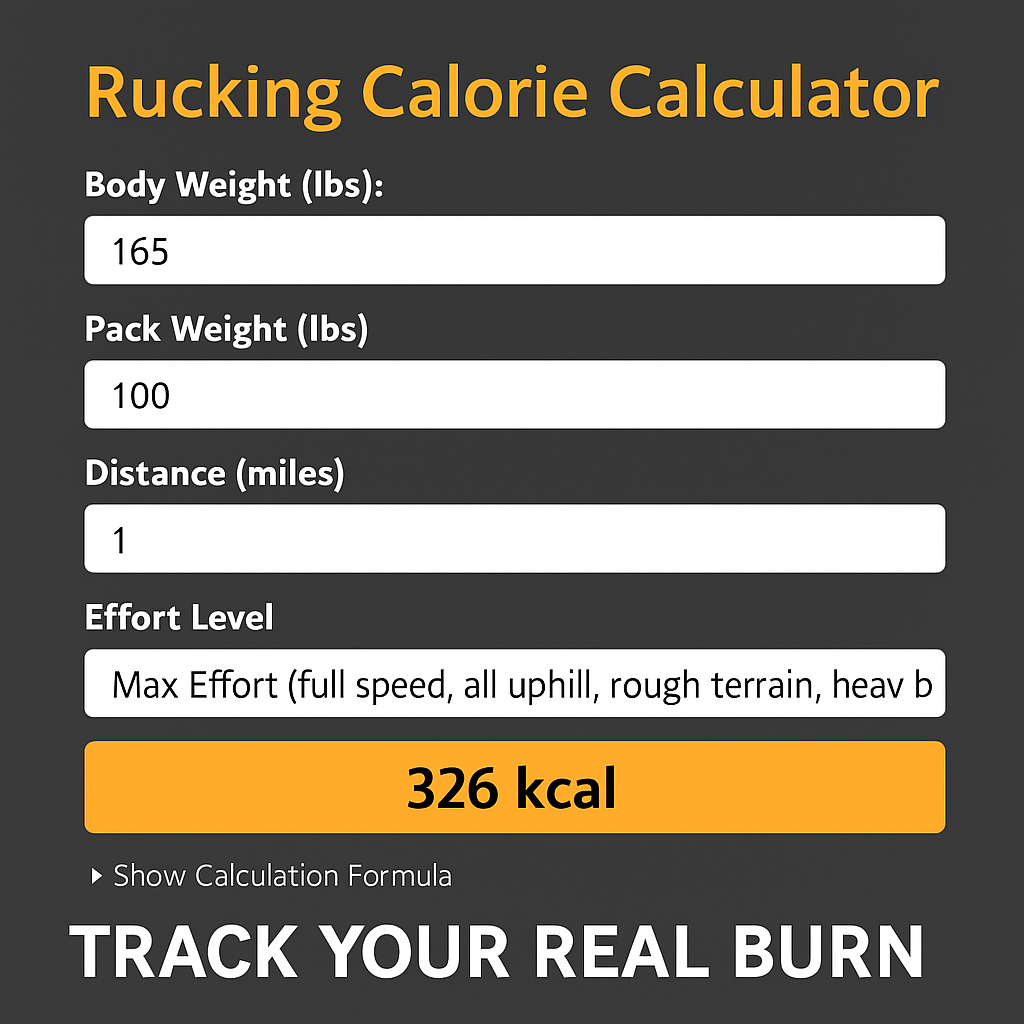
Estimate the effort: calculator
Want to estimate calories burned or how a vest changes your work? Use this rucking calorie calculator tailored to weighted-vest or backpack loading. It’s a quick, practical tool to set pacing and recovery expectations.

Final take
For most athletes doing Murph, a low-profile, adjustable vest like the Wolf Tactical Adjustable Weighted Vest or the 5.11 TacTec gives the best mix of comfort and security. Train your transitions and vest tolerances in shorter sets before attempting a full timed Murph. I keep things simple: close-fitting load carriage, sensible progression, and disciplined pacing win more Murphs than chasing the heaviest vest.
— Preston Shamblen, ISSA-certified trainer and long-time rucker.