Why a plate carrier for CrossFit makes sense
When you add weighted runs, farmer carries, or plate-loaded metcons to a CrossFit program, a purpose-built plate carrier keeps load stable and movement-friendly. Not all plate carriers work for high-intensity, multiplanar CrossFit work—you want a mix of low profile, secure retention, and mobility without excess bulk. This guide walks through the features that matter and recommends two carriers I trust for WODs and strength circuits.
Key criteria when choosing a plate carrier for CrossFit
- Fit and profile — a slim, close-to-body carrier prevents bouncing and rubbing during burpees, pull-ups, and box jumps.
- Adjustability — quick length and shoulder adjustments let you dial in comfort across different movements and body types.
- Plate compatibility — look for carriers that accept thin steel or polymer plates that sit flat against your chest/back to reduce leverage and swing.
- Durability — reinforced stitching and abrasion-resistant fabrics matter when you’re sliding through sandbags, ropes, or gravel.
- Ventilation — open panels, mesh, or cut patterns help limit heat buildup during long WODs.
Top picks: plate carriers that work for CrossFit
For CrossFit-style high-intensity work, choose a plate carrier designed for movement rather than a bulky tactical rig. Below are two carriers that balance load stability and mobility:

The Kensui EZ-VEST® MAX V2 is ideal when you plan to push heavy plates in short, intense efforts. It supports very high loads and keeps plates tightly secured during sprint intervals, heavy get-ups, and loaded carries. Use this when your WODs include weighted calisthenics or strength-focused sets where plate stability matters more than minimal profile.

The GORUCK Ruck Plate Carrier 3.0 is a great choice when you want a balance between durability and mobility. It sits close to the torso, uses tough materials, and is less likely to snag during rope climbs or hand-release push-ups. For most CrossFitters who blend metcons and rucking-style loaded runs, this is a practical, reliable option.
How to use a plate carrier in CrossFit workouts
- Start light when introducing a carrier to WODs—add 10–20% of your bodyweight first and progress by 5–10 lb increments as technique allows.
- Prioritize plate placement: keep weight centered and low on the torso for sprinting work, and slightly higher for cleaner pressing sequences.
- For gym-based WODs with frequent transitions (toes-to-bar, box jumps), choose the lowest profile plates that still provide the resistance you need.
- Check shoulder and neck comfort—pad or reposition straps to avoid chafing during burpees or ground work.
Estimate the calorie and training impact
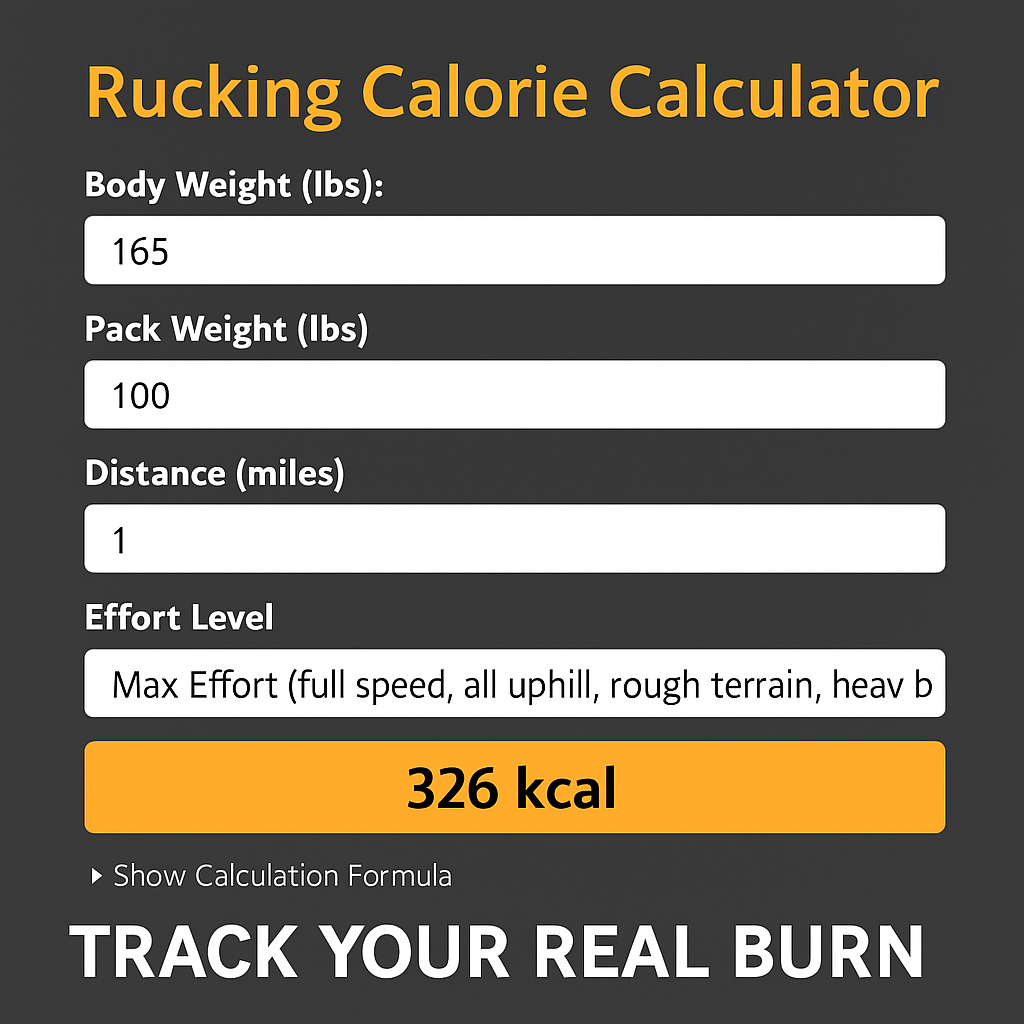
If you want to see how adding plate-carrier workouts changes calorie burn, try the rucking calorie calculator below. It’s useful for estimating how weighted runs and loaded conditioning affect total work and recovery needs.
Kensui EZ-VEST® MAX V2 earns its place. For mixed-modal WODs with lots of transitions and shorter runs, the GORUCK Ruck Plate Carrier 3.0 offers a better balance of durability and mobility. Fit, plate type, and incremental progression matter more than brand—choose the carrier you can move well in and use consistently.