Why vest choice matters for Murph
Murph is a test of endurance, strength, and durability: a 1-mile run, 100 pull-ups, 200 push-ups, 300 squats, and another 1-mile run while wearing a weight vest. The right vest balances secure loading, mobility for high-rep calisthenics, and durability for repeated outdoor use. Pick a vest that stays put during pull-ups, doesn’t dig in during push-ups, and lets you move efficiently on the run.
Primary selection criteria
- Fit and stability: A vest that rides high and stays tight prevents shifting during pull-ups and helps protect your spine during running.
- Weight distribution: Plate-based or granule vests perform differently — plates give predictable balance; granular vests spread load but can shift if not contained.
- Mobility: Look for cut lines and shoulder design that allow full range on push-ups and pull-ups without chafing.
- Durability: Reinforced stitching and quality materials matter when you train outside in wet or abrasive conditions.
- Adjustment and ventilation: Adjustable straps and breathable panels reduce hot-spotting during long Murphs or repeats.
Top vest style for Murph: plate-capable, high-load vests
For a heavy, competition-style Murph (20 lb for men, 14 lb for women, or scaled higher), plate-capable vests give the most secure, repeatable experience. Plates stay in place on pull-ups and avoid sloshing like some granular vests can. If you plan progressive overload—adding 10–40+ lb over time—opt for a vest engineered for heavy plates and strong attachment points.
Recommended models to consider
For high-rep calisthenics and heavy loading, the Kensui EZ-VEST® MAX V2 is built for big plates and rigorous use, while a TacTec-style training vest gives a balance of low-profile fit and comfort for bodyweight work.
Kensui EZ-VEST® MAX V2 is ideal when your priority is heavy, locked-in plates and durability.

5.11 Tactical Unisex TacTec Trainer Weight Vest is a low-profile alternative that keeps the weight close to the body and preserves shoulder movement for push-ups and pull-ups.

Programming and practical tips
Train the specific demand of Murph: practice pull-up-to-push-up transitions with the vest on so you learn how it shifts under movement. Start lighter to build technique: unbroken sets are easier with a snug, compressed vest. If you get hot spots under the shoulders during push-ups, add thin padding or tape and check strap placement.
Warm-up and run pacing
- Warm shoulders and lats before loading up; do banded pull-aparts and light ring rows.
- Run the mile at a pace that leaves you fresh for the first round of calisthenics; a vest increases perceived effort significantly.
- After Murph, prioritize mobility and soft-tissue work—weighted reps can create localized tightness that compromises form.
Estimate your effort
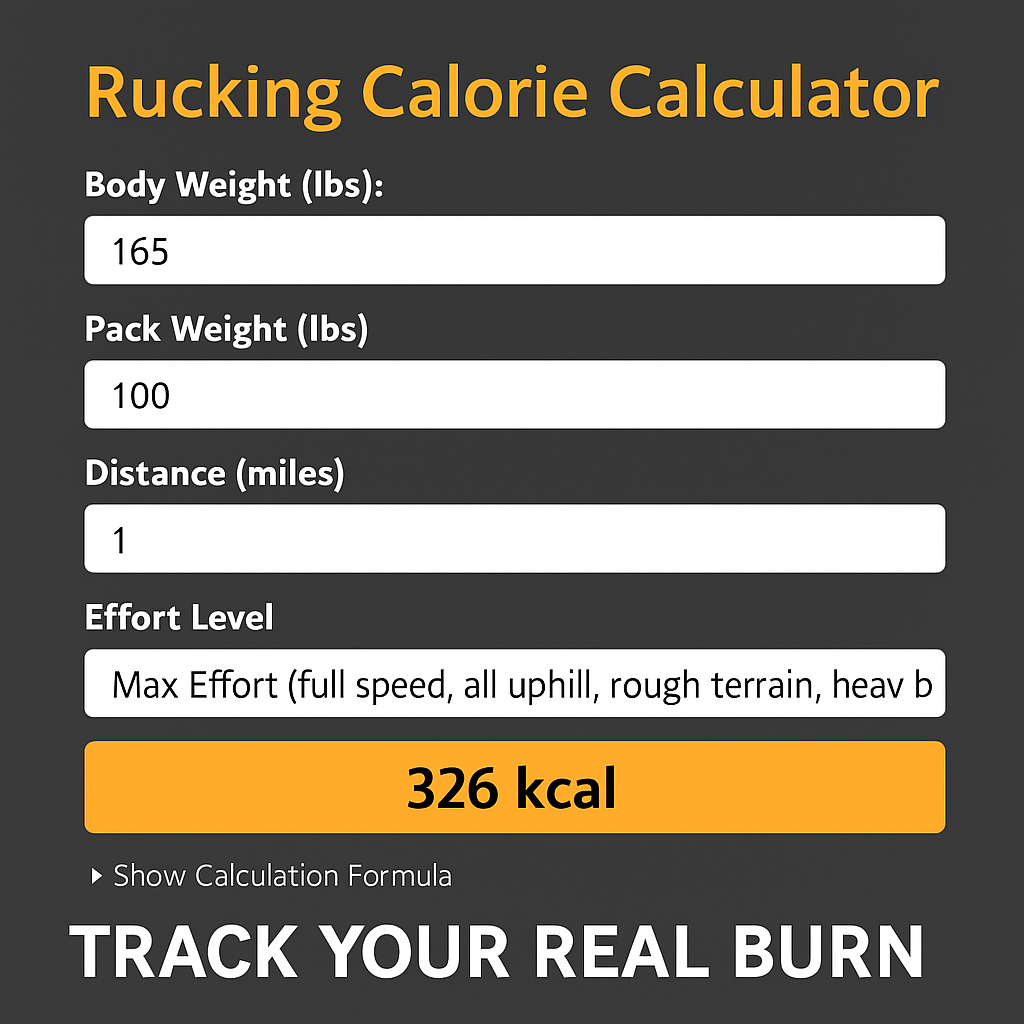
Curious how a weighted vest will change calorie burn or effort for an event like Murph? Use the rucking calorie calculator to approximate added metabolic cost based on your weight and carried load.

Choose a vest that lets you move well under load. For most athletes doing Murph regularly, a plate-capable vest like the Kensui gives the most consistent performance; for athletes prioritizing mobility and lower-profile fit, the TacTec-style option is a strong alternative. Train in your vest before the event—comfort and confidence under load trump small differences in headline specs.