Why the right weight vest matters for Murph
Murph is a brutal test of conditioning: a run, 100 pull-ups, 200 push-ups, 300 squats, and another run—often done wearing a vest. The right weight vest keeps your movement pattern natural, distributes load so you don’t wreck your shoulders, and survives the high-rep abuse. This guide walks through practical criteria and durable options that will stand up to repeated Murphs.
Key considerations before you buy
- Weight and gender standards: Traditional Murph uses 20 lb for men and 14 lb for women. Some athletes scale up or down based on ability—prioritize movement quality over raw load.
- Fit and mobility: The vest should stay put during push-ups and pull-ups. Avoid tall plates or bulk that contacts the bar or digs into your ribs during push-ups.
- Adjustability: Removable plates or adjustable pockets let you incrementally add weight as you get stronger.
- Durability: High stitch-count materials and reinforced seams are worth the extra cost when you’re doing high-rep work outdoors.
Best vest types for Murph
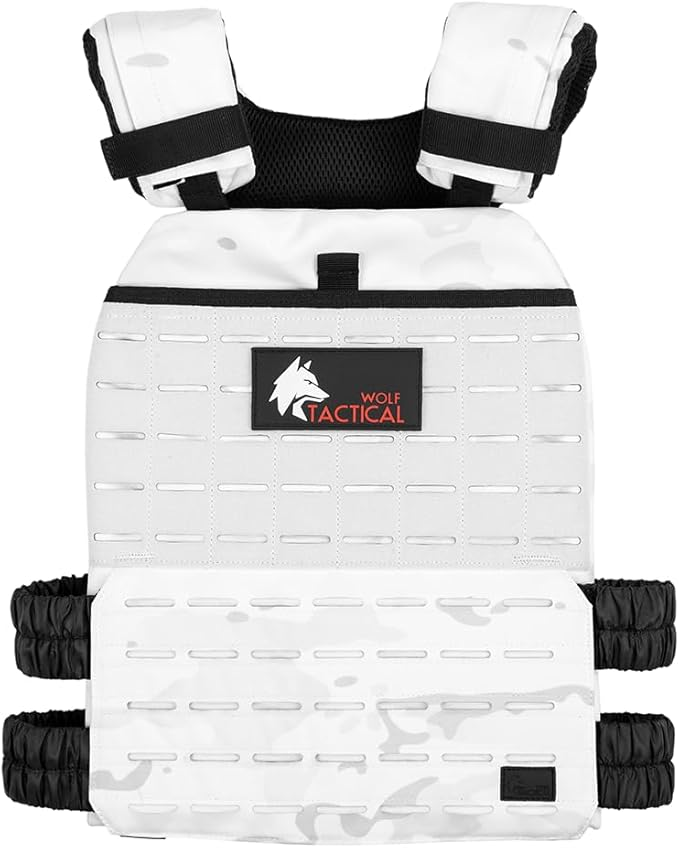
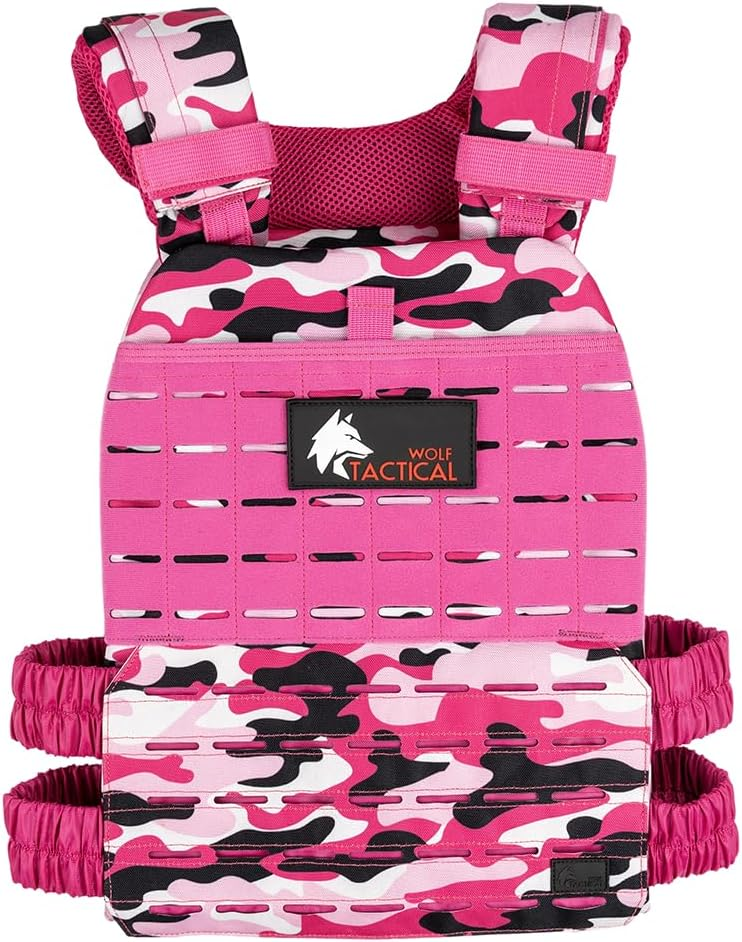
There are two practical camps: soft-shell weight vests with sewn-in fill and modular plate vests. For Murph, modular or plate-compatible vests often perform better because they allow you to centralize weight and reduce chest/shoulder hotspots.
Recommended picks
-
5.11 TacTec Trainer Weight Vest — a well-balanced option for CrossFit-style WODs. It sits low, has good adjustability, and doesn’t shift during high-rep push-ups and pull-ups.

Durable, low-profile vest designed for high-rep WODs and functional movement. -
Kensui EZ-VEST® MAX V2 — built for athletes who want heavy, stable loading. If you plan to increase load substantially or train for weighted calisthenics, this vest handles high total mass without crushing mobility.

High-capacity vest for heavy weighted calisthenics and strength-focused WODs.
How to test a vest before Murph
- Do a 10-minute warmup then perform a set of push-ups and pull-ups while wearing the vest. If you feel pinching or unstable movement, try a different size or model.
- Practice scaled Murph partitions (e.g., 20 rounds of 5/10/15) with the vest to confirm neither the vest nor the plates migrate.
- Check transition ergonomics: get in and out of the vest quickly between running and bodyweight sections.
Programming tips for Murph with a vest
Start a month out with 1–2 Murph-type sessions per week: split the reps, practice transitions, and run with the vest twice per week to get used to conditioned breathing. If your vest allows incremental plates, add 2–5 lb every 2–3 weeks rather than jumping big.
Calculate effort and calories
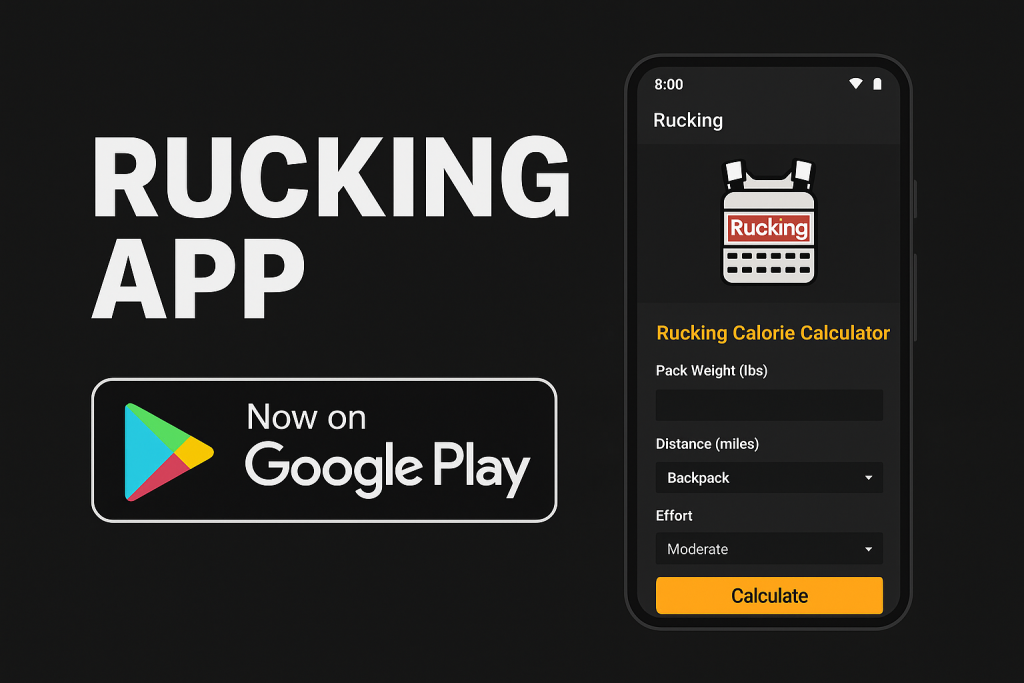
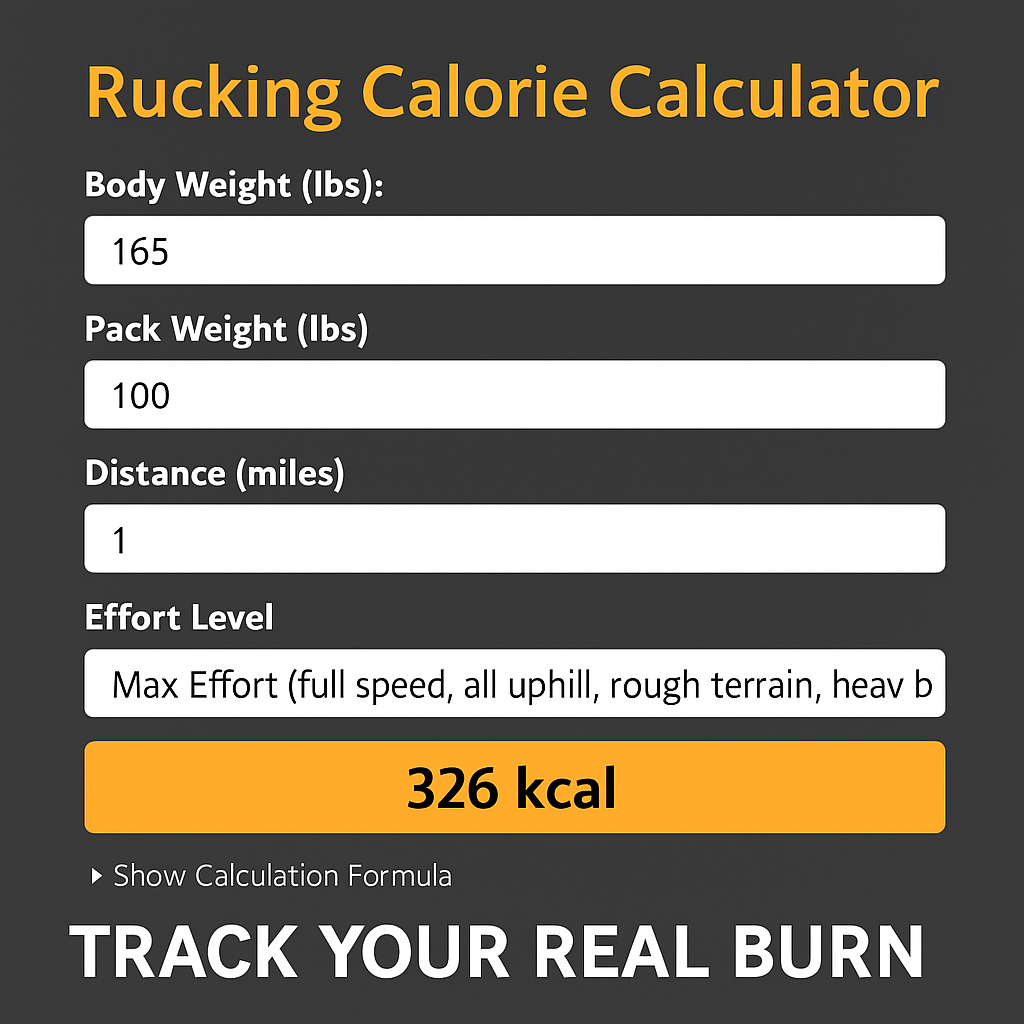
If you want a simple way to estimate caloric burn or how a weighted vest affects effort, use the rucking calorie calculator below. It’s built for weighted walking and rucking but works well for approximating the extra effort Murph adds over time.

Final takeaways
For most athletes doing Murph, choose a low-profile, adjustable vest that keeps plates centered and avoids contact during push-ups. The 5.11 TacTec Trainer Weight Vest is a reliable all-around pick, while the Kensui EZ-VEST MAX V2 suits those planning to move to much heavier loads. Test movement with the vest, practice Murph partitions, and use the calorie calculator above to gauge added effort.