Why choose a dedicated weighted rucksack?
When you want to move weight efficiently and comfortably for extended rucks, a dedicated weighted rucksack beats jury-rigged solutions. A proper rucksack places load close to your center of mass, stabilizes weight, and preserves comfort across miles. This guide walks through fit, materials, load placement, and realistic product choices so you can pick the best weighted rucksack for your goals.
Fit and frame basics
Fit matters more than features. Look for a pack with a stable hip belt, an adjustable torso length, and a low-profile frame or reinforced back panel. These elements move load to hips and reduce strain on shoulders. For heavy loads, a stiff frame or internal plate sleeve helps keep weight from sagging into your lower back.
Load placement and progressive loading
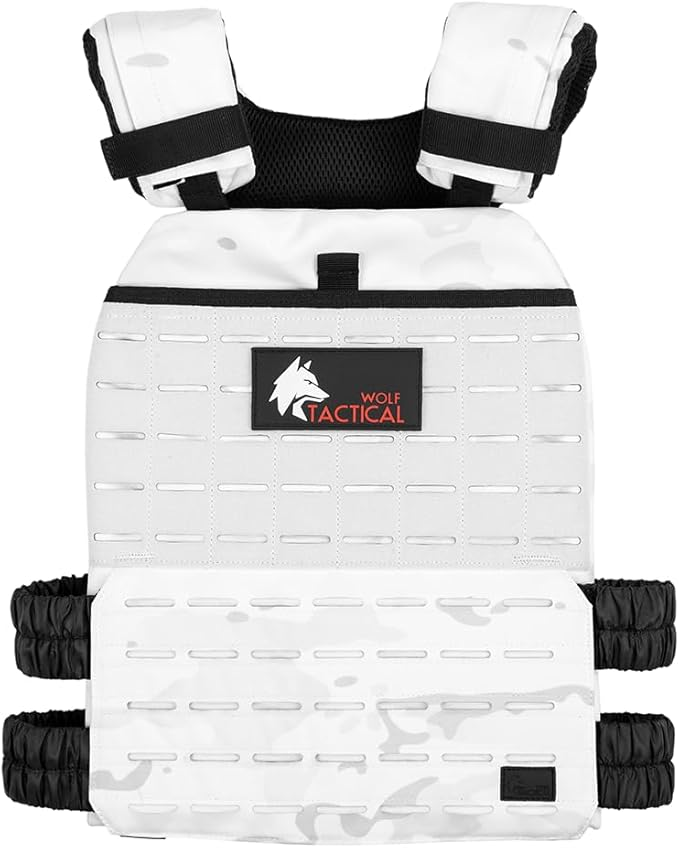
Start light. If you’re new to loaded hiking, begin with 10–15% of bodyweight and progress slowly. Place denser plates or weight pockets low and close to the spine—this keeps the center of mass stable and reduces bounce. Use soft plates or bags up top to fine-tune balance.
- Beginner: 10–15% bodyweight, 20–40 minutes, 2–3x/week.
- Intermediate: 15–25% bodyweight, 45–90 minutes, 3–5x/week.
- Advanced: 25%+ bodyweight for conditioning and tactical training—use rigid carriers and progressive periodization.
Top rucksack recommendations (real-world picks)
For long-distance rucks and military-style training, a durable, simple pack with good load stability is best. Two strong options to consider:

The GORUCK Rucker 4.0 20L is a straightforward, bombproof choice for serious rucking—minimal stretch, strong stitching, and a design that holds plates well.

For mixed cardio or longer routes where hydration matters, the CamelBak Motherlode 100oz Mil Spec Crux Hydration Backpack gives you hydration integration plus space for weight inserts—ideal for endurance-focused rucks.
Practical setup and care
Use modular plates or sandbags to tune balance. Secure weight tightly to eliminate shifting. Protect the pack from constant abrasion and dry thoroughly after wet days. Rotate between two packs if you train frequently—this reduces wear and keeps seams intact longer.
Calculate effort and calories
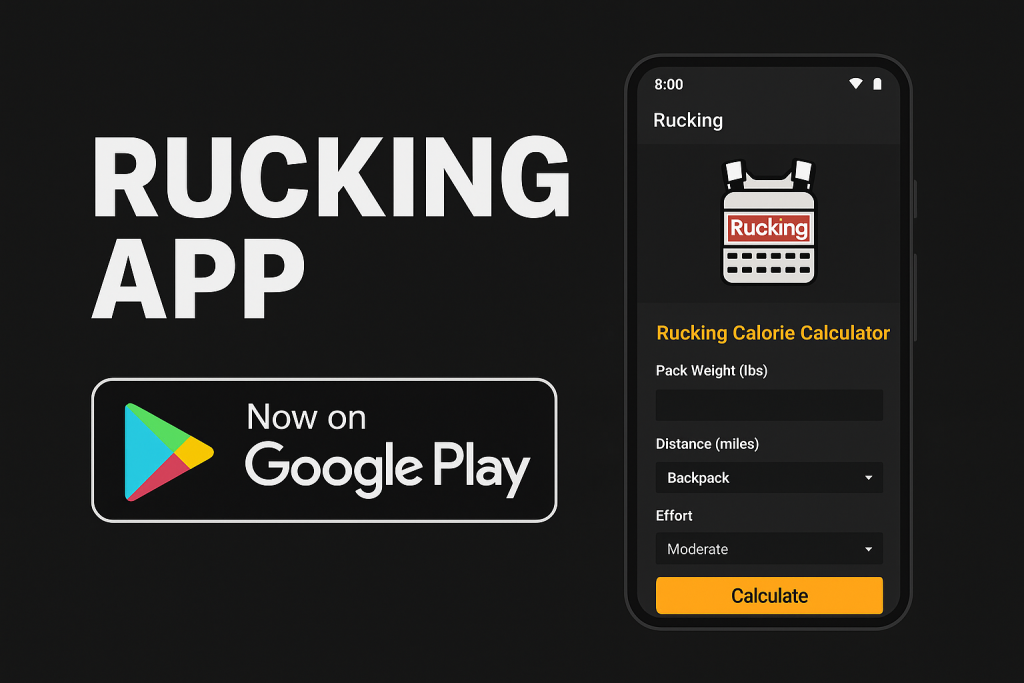
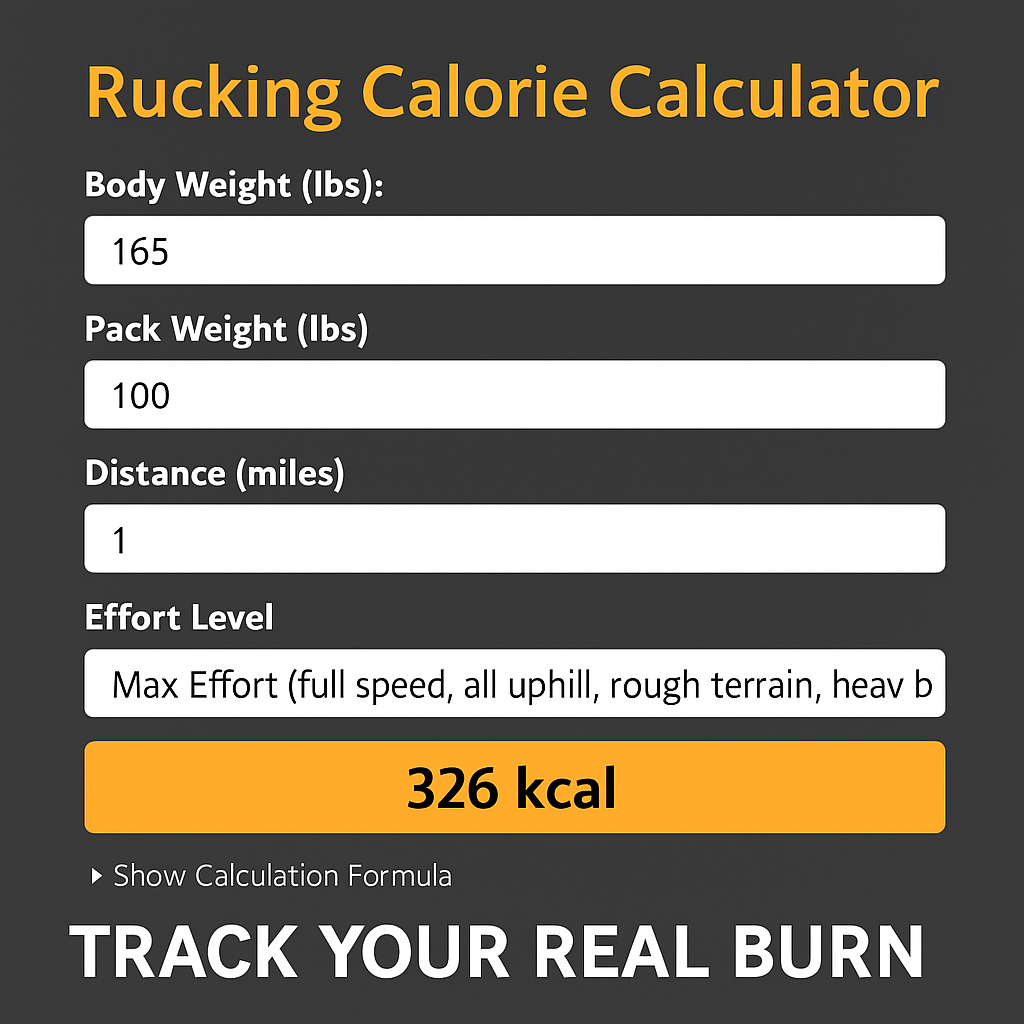
Plan your weight and pace before you step out. Use the rucking calorie calculator to estimate burn based on load, distance, and speed:

That tool helps you match caloric targets to your training plan or weight-loss goals and keeps training progressive and measurable.
Final checklist before you buy
- Test torso fit and hip belt comfort with weight.
- Confirm plate or insert compatibility—rigid vs soft weight matters.
- Prioritize durability: strong webbing, YKK zippers, and reinforced stitching.
- Consider hydration integration if you’ll do long routes.
Choosing the best weighted rucksack means matching pack geometry to your load and miles. Prioritize fit, progressive loading, and a pragmatic build; the rest is training consistency.