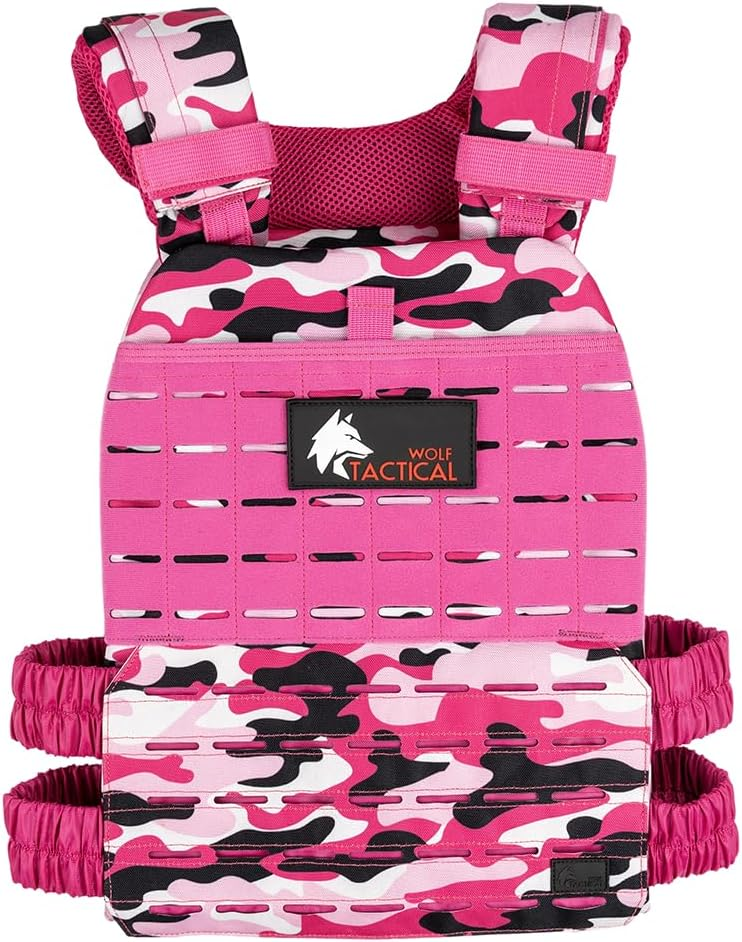
Why the right weighted training vest matters
Choosing the best weighted training vest is about more than pounds. Fit, weight distribution, adjustability, and mission—walking, rucking, or strength work—determine how effective and comfortable a vest will be. This guide gives practical rules I use outdoors: prioritize balance and mobility, then load capacity and durability.
Key criteria to evaluate
- Fit and adjustability: a vest that rides up or shifts will cause hotspots and poor gait mechanics.
- Weight distribution: even plates or sand pockets, centered low on the torso, reduce lumbar strain during long walks.
- Capacity: choose a vest that supports your training progression—10–20% bodyweight for conditioning, more for strength work.
- Breathability and comfort: breathable materials and low-profile collars minimize chafe on long efforts.
- Durability: reinforced seams and quality materials pay off when you train outdoors in all conditions.
Vest recommendations by use case
For beginners and walking-focused rucks, look for simplicity and comfort. For heavier strength-focused load carriage, prioritize a plate-compatible design. Below are two options I recommend for different priorities.

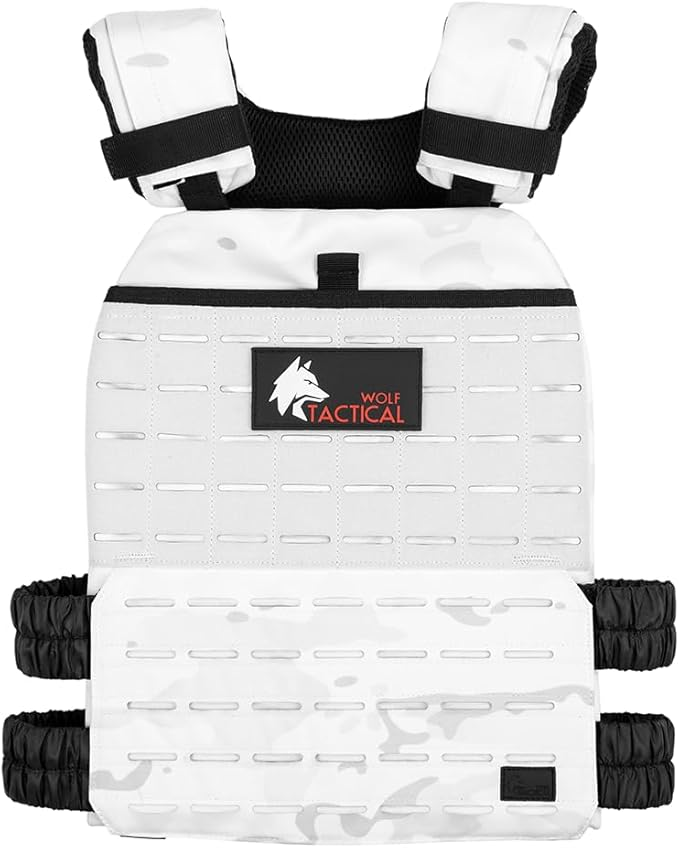
The Wolf Tactical Adjustable Weighted Vest is an excellent starting point. It offers small incremental loading, comfortable padding, and a forgiving fit—ideal for walking, rucking, and mixed conditioning sessions.

For athletes who need a low-profile, secure fit for calisthenics and dynamic movement, the 5.11 Tactical TacTec Trainer Weight Vest offers tight load management and a streamlined silhouette.
How to select weight and progress safely
Start with a vest weight that raises perceived exertion by one to two levels on walks and allows flawless movement for strength exercises. A practical progression looks like this:
- Weeks 1–3: bodyweight or 5–10% additional weight to get used to posture changes.
- Weeks 4–8: increase to 10–15% for longer rucks and conditioning.
- Advanced: 15–25%+ for short, heavy conditioning or loaded carries—but only after proven strength and joint tolerance.
Use the calorie and effort calculator
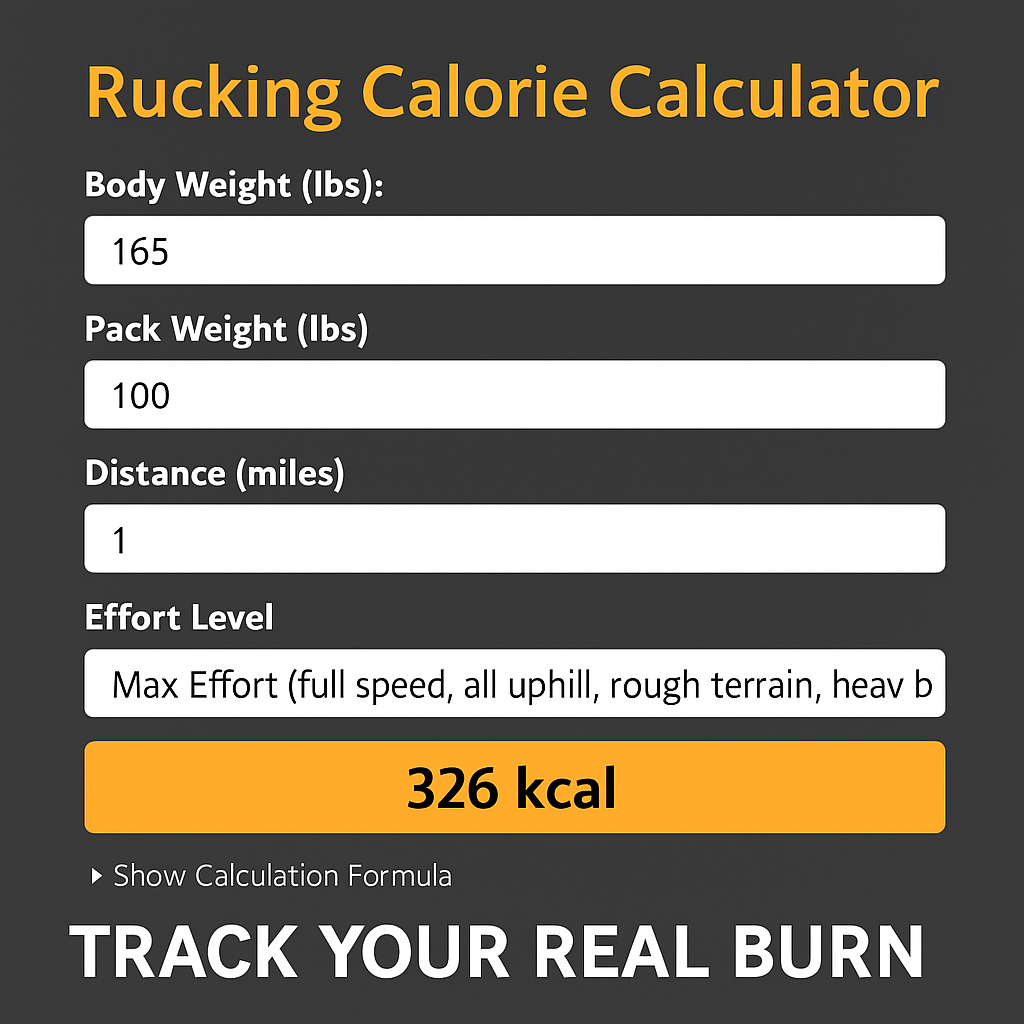
Estimate the calorie cost of adding a weighted vest and plan sessions using the rucking calorie calculator. Click the screenshot below to open the tool and enter your weight, pace, distance, and vest load for a realistic energy estimate.

That calculator helps set session length and nutrition around your goals—fat loss, endurance, or conditioning—so you don’t guess your energy needs.
Final tips
- Always test a vest on a short walk before committing to a long ruck—small fit issues compound over miles.
- Prioritize a secure, low center of mass to protect your lower back.
- If you plan long-distance rucks, consider switching to a ruck-style backpack later for hydration and load distribution advantages.
Choosing the best weighted training vest comes down to a match between use-case and design. Start light, prioritize fit, and use data (like the calculator above) to guide progression. Train outside, keep it simple, and build consistency first—weights and fancy gear follow good habits, not the other way around.