Why a weighted vest for hiking works
Adding a weighted vest to hiking increases caloric burn, improves posture under load, and strengthens the posterior chain without changing your gait. For hikers who want to build aerobic fitness while carrying extra load, a vest keeps weight close to your center of mass and reduces shoulder strain compared with heavy packs.
Key attributes to look for
- Secure fit and minimal bounce — look for wide shoulder straps and an adjustable cummerbund.
- Modular loading — removable plates or pockets let you start light and progress safely.
- Breathability and padding — hiking heats the core; vents and thin foam reduce chafe.
- Range of motion — arm swing should be natural so uphill and technical terrain remain efficient.
Top picks for hiking
Below are two sensible options depending on whether you want a purpose-built weighted vest or a ruck-style approach that handles heavier loads and gear.
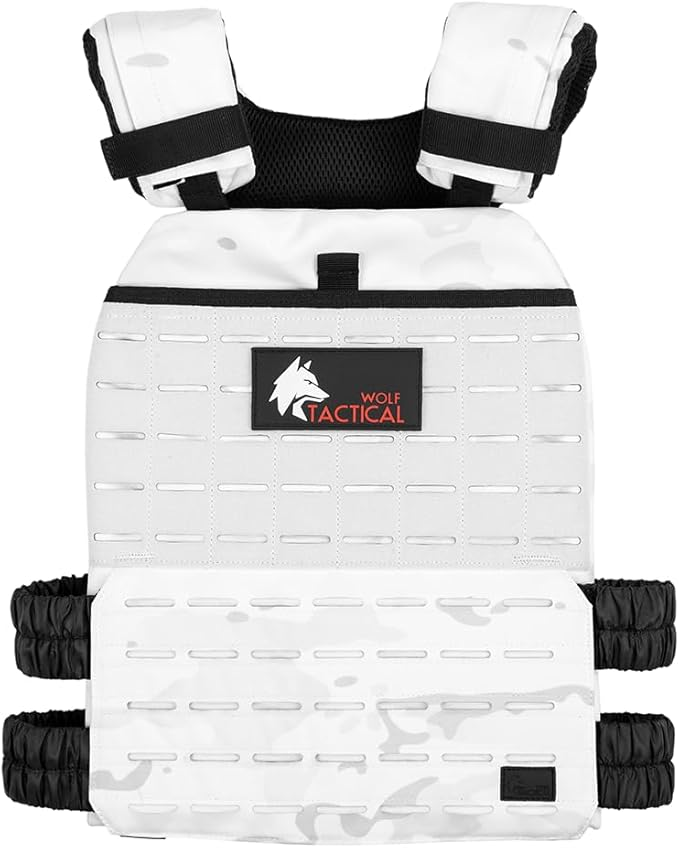
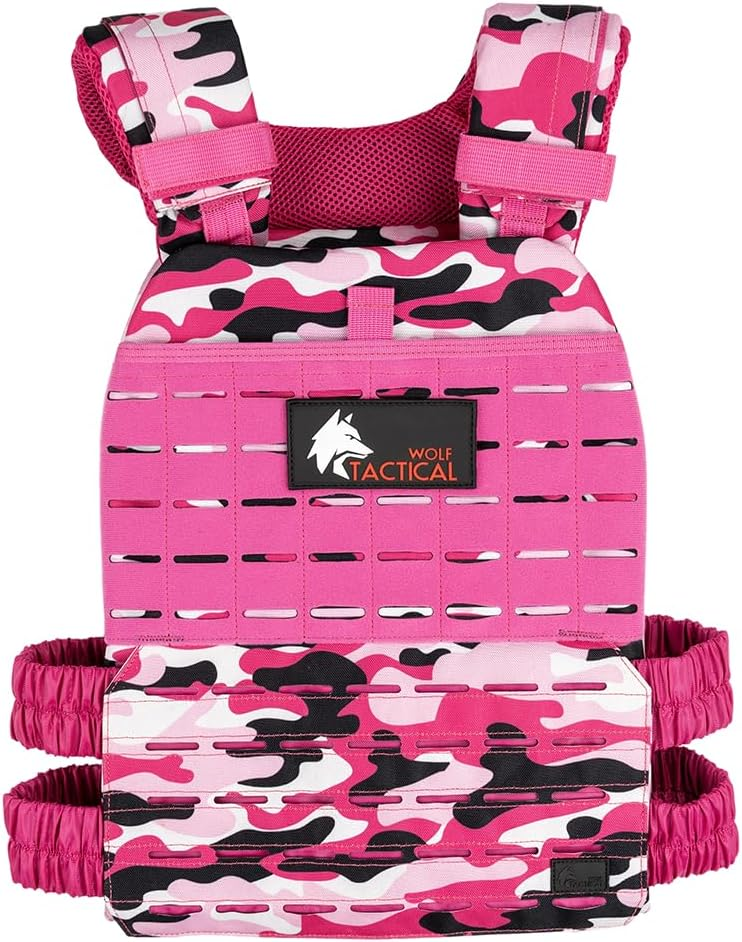
1) Wolf Tactical Simple Weighted Vest (beginner-friendly, comfortable)

The Wolf Tactical Simple Weighted Vest is a practical starting point. It offers small plate pockets and a padded, breathable design that prevents hotspots on long summer hikes. Use this vest for progressive overload on long walks and to train hiking-specific strength while keeping excellent range of motion.
2) GORUCK Rucker 4.0 20L (ruck-style option for heavy or multi-day hikes)

The GORUCK Rucker 4.0 20L bridges a backpack and weighted-vest approach. If you plan to carry more than 30–40 lbs, or need gear and hydration for multi-day hikes, the Rucker keeps load stable and distributes weight for longer distances while letting you add ruck plates when needed.
How to choose weight and progress safely
Start light. For most hikers begin with 5–10% of bodyweight and slowly increase 1–2% every 2–4 weeks as your walking mechanics and joints adapt. Avoid sudden jumps in load that can change cadence and joint loading.
- Beginner: 5–10% bodyweight for 2–4 weeks.
- Intermediate: 10–20% when you can maintain natural arm swing and cadence.
- Advanced: 20%+ only with strong posterior strength and progressive training.
Hiking technique tips with a vest
- Shorten your stride uphill to reduce vertical oscillation and joint stress.
- Keep torso slightly forward on climbs — the vest center stays near your center of mass.
- Use trekking poles to offload knees on descents if the weight grows beyond 15%.
- Hydrate proactively; weighted hikes increase sweat rate even in cool weather.
Estimate calories and tailor your hikes
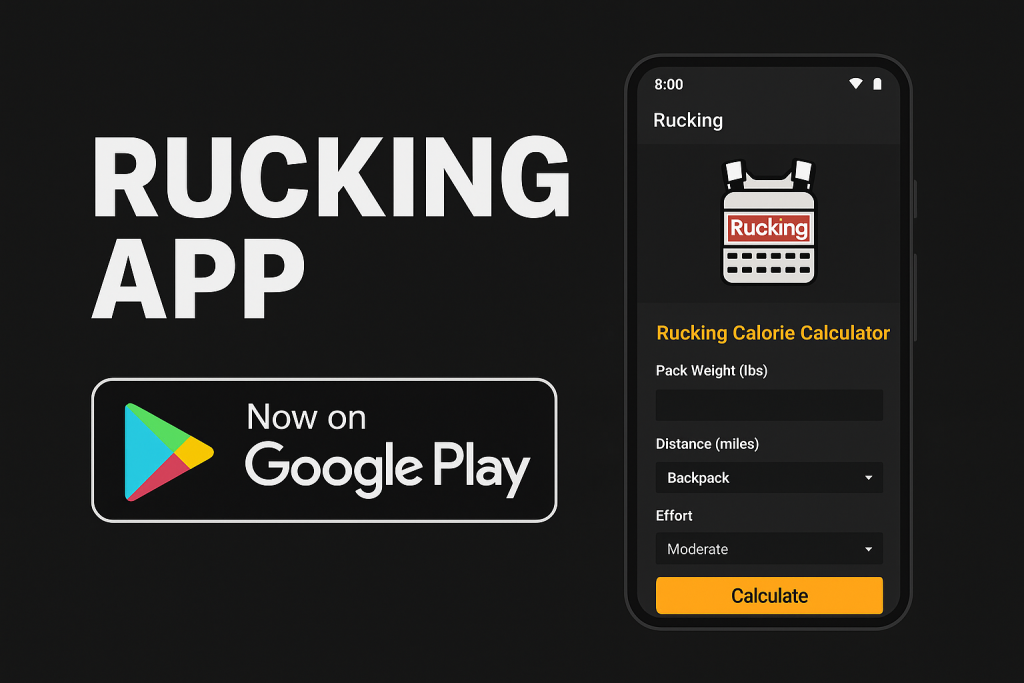
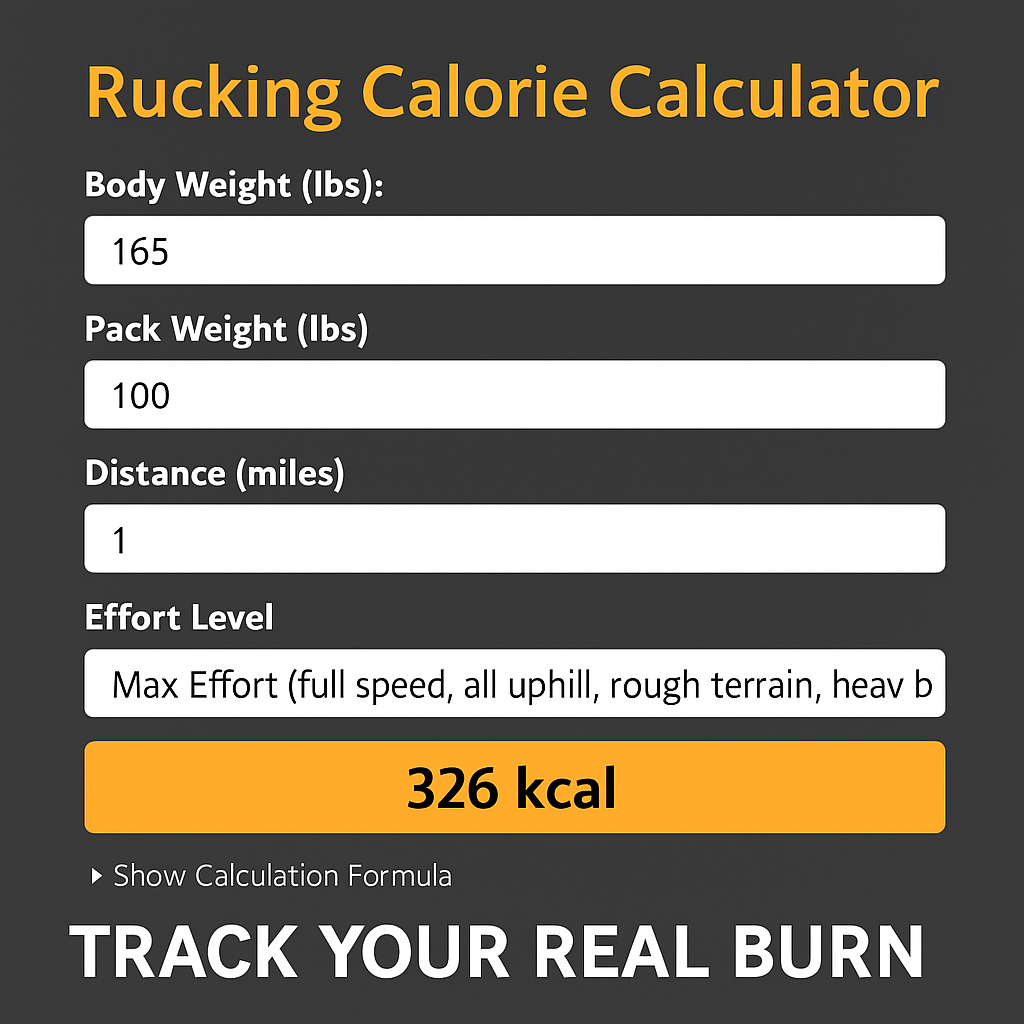
Use the rucking calorie calculator to estimate energy expenditure for weighted hikes and adjust nutrition and recovery. Click the screenshot below to open the calculator and enter your bodyweight, vest load, distance and pace.

Final recommendations
For most hikers who want to add weight without a full pack, choose a comfortable, ventilated weighted vest like the Wolf Tactical Simple Weighted Vest. If you expect heavier loads or multi-day gear, move to a ruck-style option like the GORUCK Rucker 4.0 20L. Progress slowly, prioritize fit and breathability, and use the calorie calculator above to plan fuel and recovery.