Why a weighted vest can help osteoporosis
Osteoporosis responds to mechanical loading. You don’t have to lift heavy barbells to stimulate bone remodeling — consistent, controlled axial load through walking or rucking while wearing a weighted vest increases strain on the hip, spine, and long bones in a way that prompts adaptation. As an ISSA-certified trainer I recommend sensible progression: start light, prioritize posture, and build volume before load.
Safety-first principles
If you have a diagnosis of osteoporosis or low bone density, get clearance from your provider or specialist. When cleared, follow these rules:
- Start with low weight (2.5–10% of body weight) and short duration (10–20 minutes) to assess tolerance.
- Progress volume before adding more weight — increase minutes per session or sessions per week first.
- Focus on upright posture and even gait to avoid localized shear forces on fragile vertebrae.
- Include balance and core work alongside weighted walking to reduce fall risk.
Best features to look for in a vest for osteoporosis
For bone health the vest should distribute load evenly, be comfortable for extended walking, and allow small increments of weight so you can progress slowly. Prioritize:
- Adjustable incremental plates or small weight pockets.
- Cushioned shoulder and chest fit to prevent pressure points.
- Secure, low-bounce fit so the load is stable with each step.
- Easy on/off and breathable materials for longer walks.
Recommended vests
Two practical options that favor comfort and incremental loading are below. Both are beginner-friendly for someone using weighted walking specifically to support bone density.

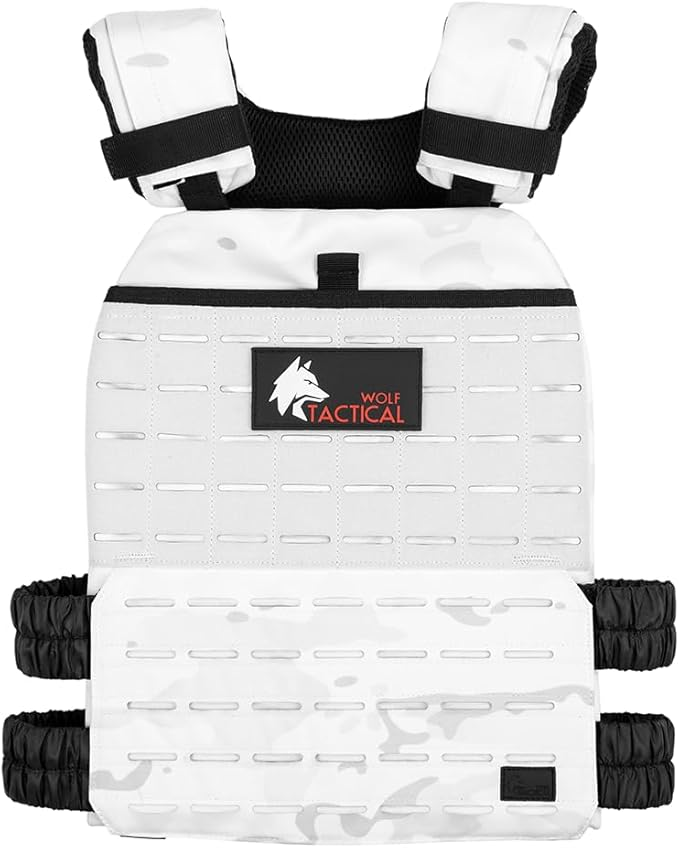
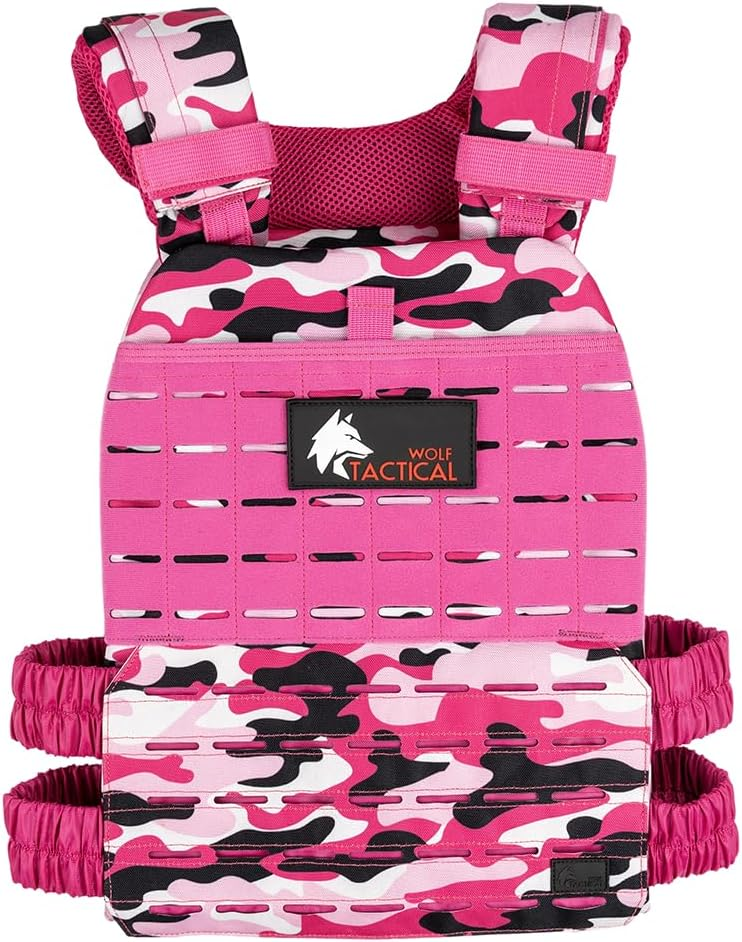
The Wolf Tactical Simple Weighted Vest is a solid beginner option with small increments and a comfortable fit that minimizes bounce. Its modular pockets make it easy to add tiny weight increments (important when you’re progressing conservatively for bone health).

The 5.11 TacTec Trainer Weight Vest offers a more structured fit and is durable for regular walking. It’s a good step-up if you need a more secure platform while maintaining low-impact movement.
Programming guidelines
For osteoporosis-focused walking work, use these practical progressions:
- Weeks 1–2: 2–3 sessions/week, 10–20 minutes, 2–5% bodyweight.
- Weeks 3–6: increase session duration to 30–45 minutes before increasing weight.
- After 6–8 weeks: add 1–2% bodyweight increments only if gait and comfort remain good.
Estimate your energy and plan recovery
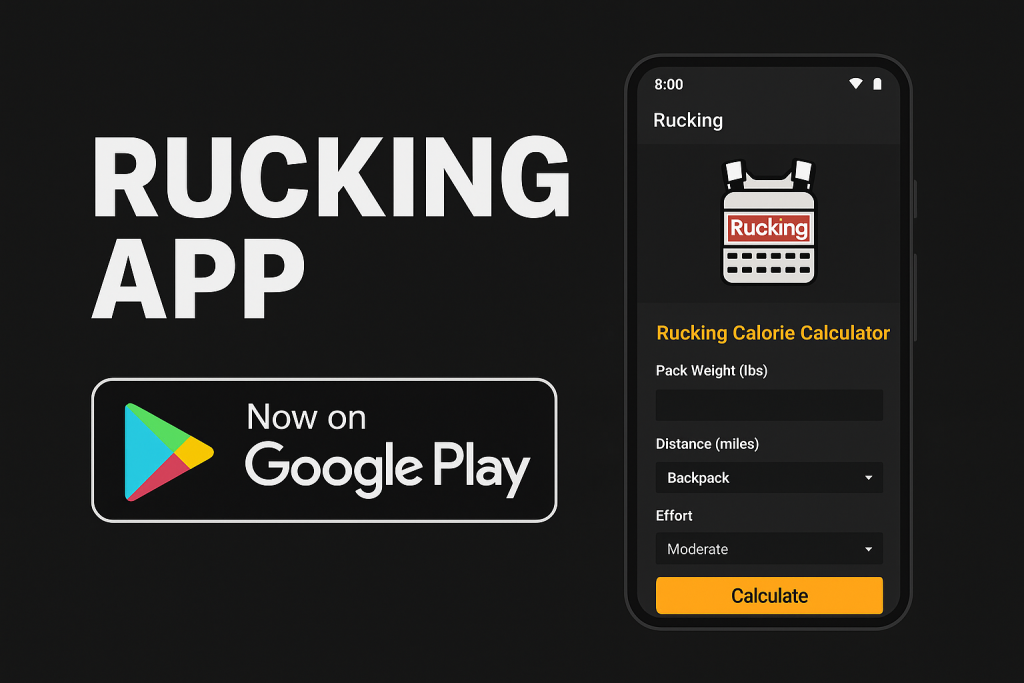
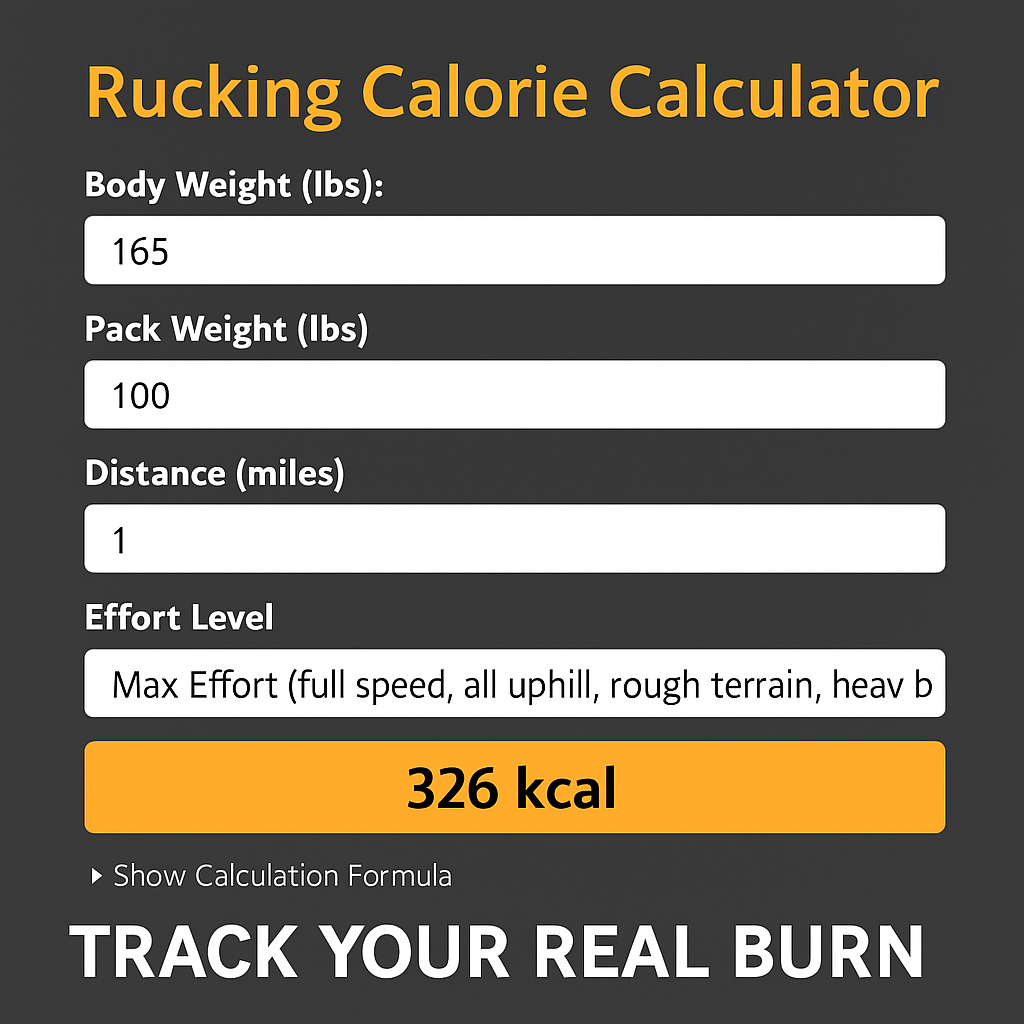
Tracking effort helps you balance activity and recovery. Use this calculator to estimate calorie burn during weighted walking and rucking sessions so you can plan nutrition and recovery appropriately.

Final notes — consistent, cautious loading wins
Bone responds to consistent, appropriately dosed stress. Small, repeatable increases in weight or duration while maintaining safe posture will deliver meaningful benefit over months. I worked with many clients using these methods; I personally lost 90 lbs through rucking, weighted-vest training, and disciplined nutrition and still recommend vest-based walking as a reliable way to maintain lower body weight and stimulate bone when used correctly.
If you have any medical conditions, coordinate with your clinician and a trainer experienced with osteoporosis to individualize load and progression.