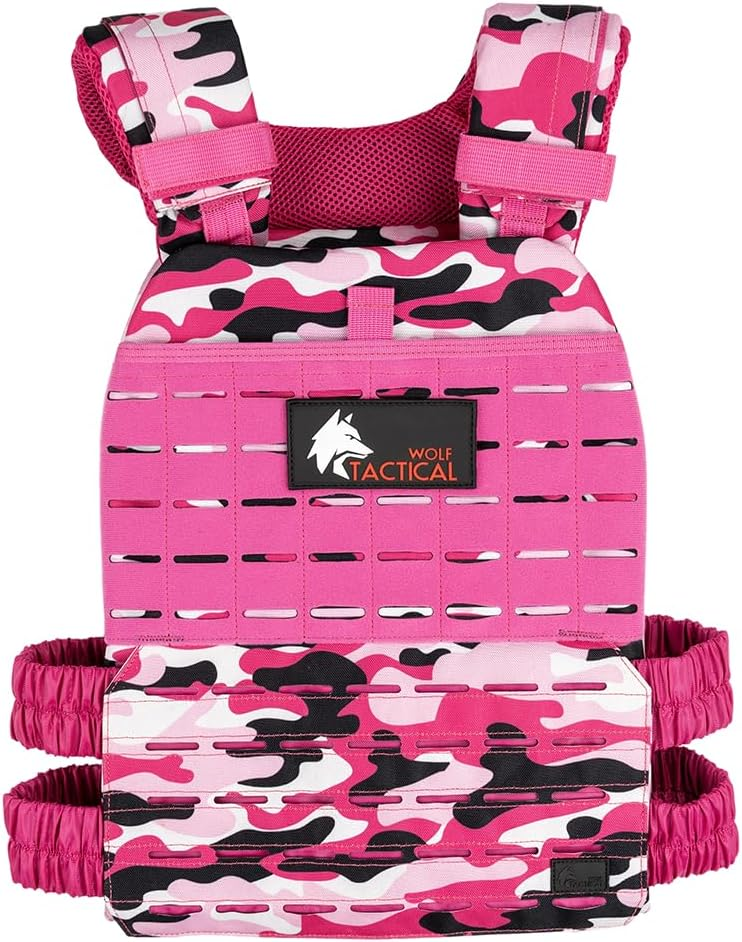
Why choose a weighted vest for rucking?
Rucking is about carrying load efficiently while covering ground. A dedicated weighted vest keeps weight close to your torso, improving balance and reducing shoulder strain versus a poorly-packed backpack. For many ruckers the best weighted vest for rucking is one that balances durability, breathability, and secure load placement so you can walk longer and recover faster.
Key features to look for
- Weight distribution: Plate pockets or sewn-in weights that keep mass centered on your sternum and back avoid torque and improve posture.
- Adjustability: Sizing straps, cummerbunds, and front adjustments keep the vest locked down so it won’t bounce on long marches.
- Durability: Rugged materials and reinforced seams for repeated use on trails and roads.
- Comfort: Breathable padding and low-profile design reduce chafing and overheating.
- Capacity: If you plan to add heavy plates later, choose a vest rated for the target load.
Top options for ruck-focused weighted vests
There isn’t one universal answer — your choice depends on session length and target load. For longer rucks I recommend a vest that locks the load tightly and pairs well with a hydration-capable rucksack.
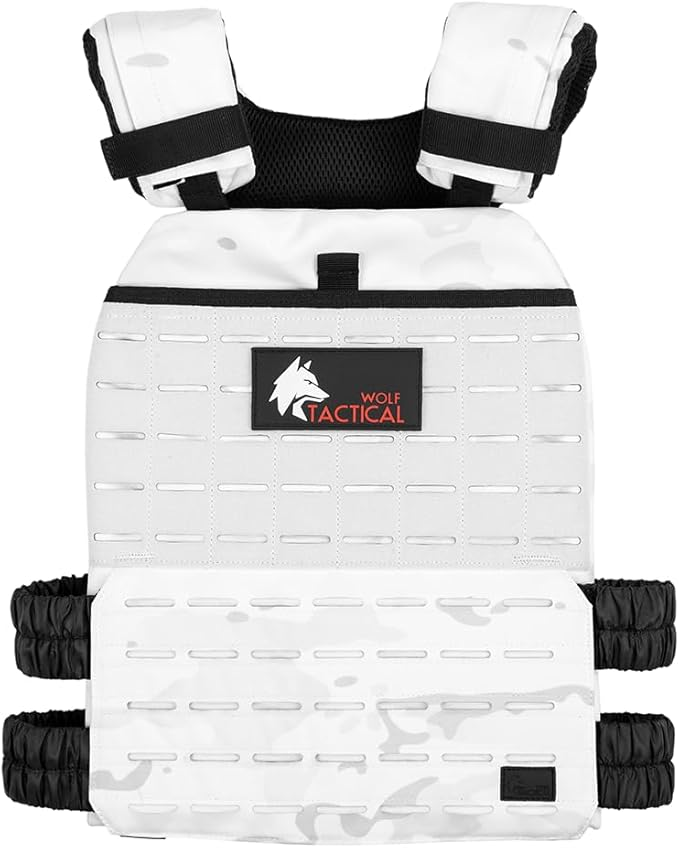
If you want a simple, reliable vest for walking and tempo rucks, the WOLF TACTICAL Simple Weighted Vest (Men/Women) is comfortable for sustained walking and designed to minimize bounce. For dedicated rucking with heavier loads and optional external packing, consider combining a vest with a purpose-built ruck like the GORUCK Rucker 4.0 20L when you need cargo or hydration.


How I test a vest (practical checklist)
When evaluating a candidate for the title of best weighted vest for rucking I look for real-world performance across these use cases:
- Short tempo rucks (30–60 minutes) with 10–30% bodyweight.
- Long endurance marches (2+ hours) assessing chafe and heat build-up.
- Transitioning between walking and loaded hiking on mixed terrain.
Fit tips
Adjust the vest so the top of the weight sits at or just below your sternum. Lock the cummerbund snugly — too loose and the weight will shift; too tight and you’ll restrict breathing. If you pair a vest with a rucksack, ensure the vest doesn’t block the ruck’s shoulder straps or trap heat underneath.
Estimate your calorie burn
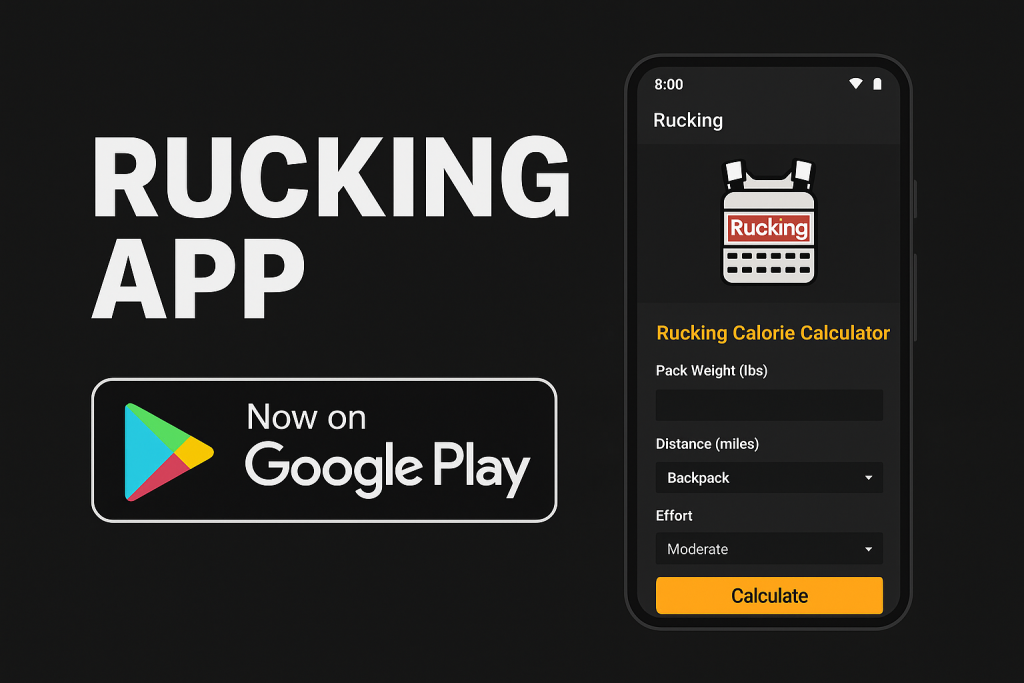
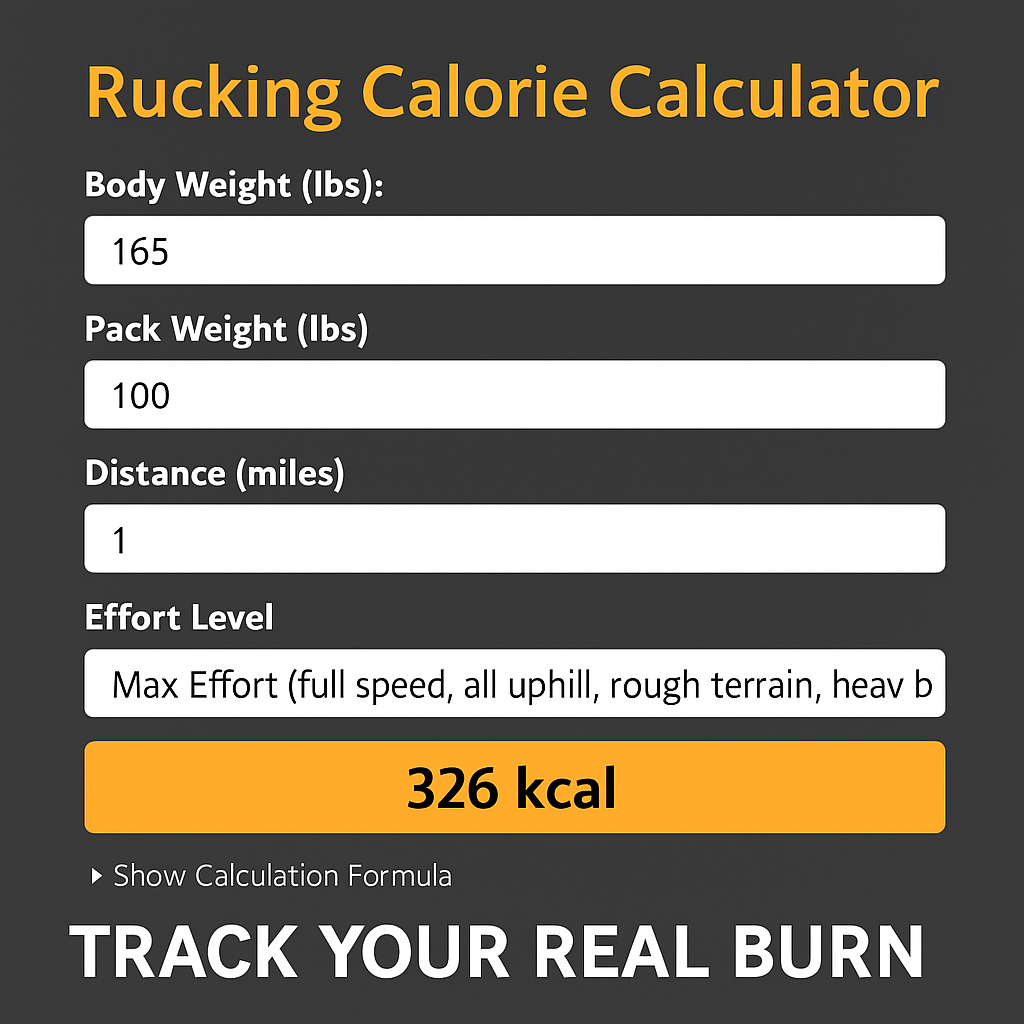
Rucking with a vest increases calorie burn. Use the Rucking Calorie Calculator to get a practical estimate for your pace, duration, bodyweight, and vest load.

Click through, plug in your weight, vest load, pace and terrain — then plan recovery or nutrition accordingly.
Final recommendation
For most walkers focused on rucking I recommend a low-profile, adjustable vest like the Wolf Tactical Simple Weighted Vest for its comfort and anti-bounce design. If your rucks need more kit or hydration, pair a vest with a rugged ruck such as the GORUCK Rucker 4.0 20L. Prioritize fit over brand — the best weighted vest for rucking is the one that stays stable, breathes well, and lets you cover distance without injury.

Train progressively, respect load limits, and use tools like the calorie calculator to track progress. If you want product links or a simplified gear checklist for your first ruck, I can put one together tailored to your goals.