Introduction: what men need from a weighted vest
As a trainer who guides men through rucking and weighted-vest work, I keep recommendations practical: durability, fit, and how the load sits on your torso matter more than gimmicks. This post cuts through specs and gives clear picks for the best weighted vest men should consider, plus use and sizing advice so you don’t waste money or hurt your back.
How I judge a vest (fit, load, and purpose)
When evaluating a vest for men, I look at three things:
- Fit and adjustability — can it sit high and snug without bouncing?
- Load capacity and weight distribution — are plates or sand compatible and balanced?
- Durability and comfort for long rucks and short conditioning sessions.
Men often want heavier load capacity but also a vest that works for running, rucking, and calisthenics. That usually points to either a plate-compatible vest for heavy work or a tactical-style vest with flexible weight pockets for all-around training.
Recommended options (practical choices for most men)
Below are two vests I bring up repeatedly with clients depending on goals.

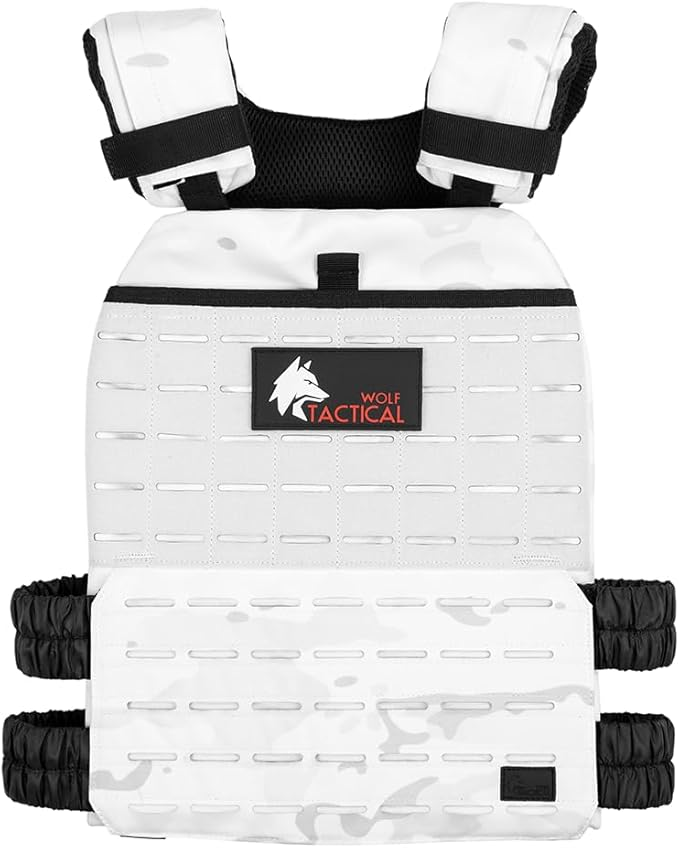
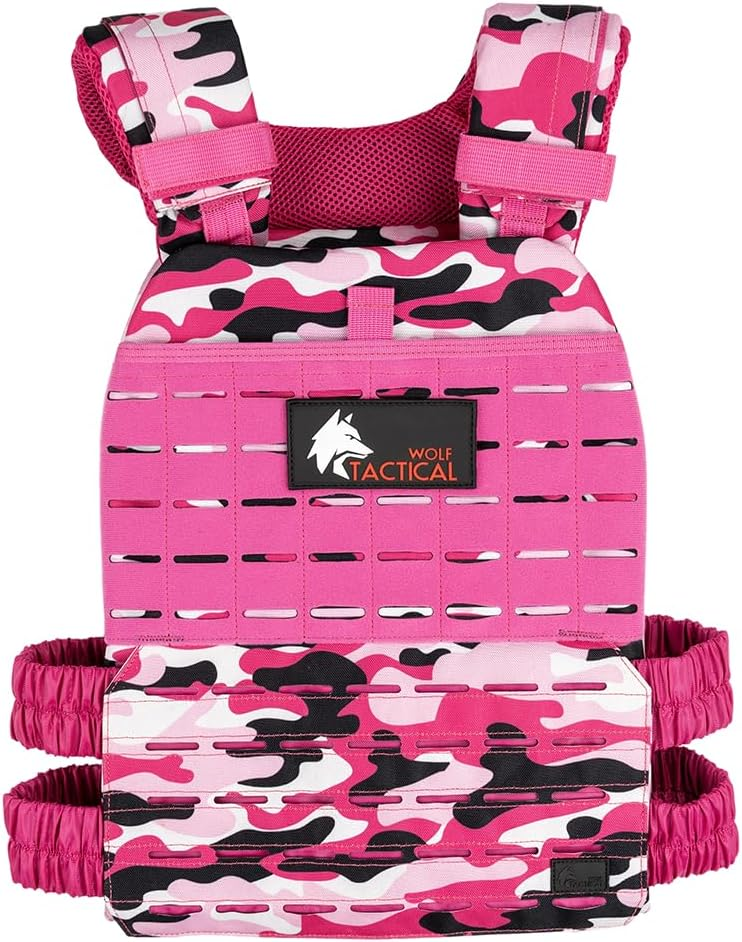
I recommend the Wolf Tactical Simple Weighted Vest for most men starting or wanting a versatile vest. It’s comfortable for longer walks and stable enough for calisthenics. If you want a balance of comfort and performance, this is the most repeatable option.

For men who plan to push heavy loads and use the vest in strength work, the Kensui EZ-VEST® MAX V2 offers high capacity and secure plate-style loading. It’s less forgiving for longer aerobic rucks but ideal for heavy calisthenics and progressive overload.
Fit tips and sizing for men
- Tight is better than loose: any bounce means inefficient load transfer and a higher injury risk.
- Keep weight centered at the sternum and upper thoracic spine for walking; move lower for squats or carries if the vest allows it.
- Start light. Add weight in 5–10% bodyweight increments and build tolerance over weeks.
Training protocol for steady fat loss and strength
Use the vest for rucks (45–90 minutes at moderate pace) 2–3 times per week and add short, unloaded runs or circuits 1–2 times weekly. For strength-focused men, place heavy plates and do shorter, high-intensity sets: weighted pull-ups, dips, and prowler-style walks.
Estimate your calorie burn
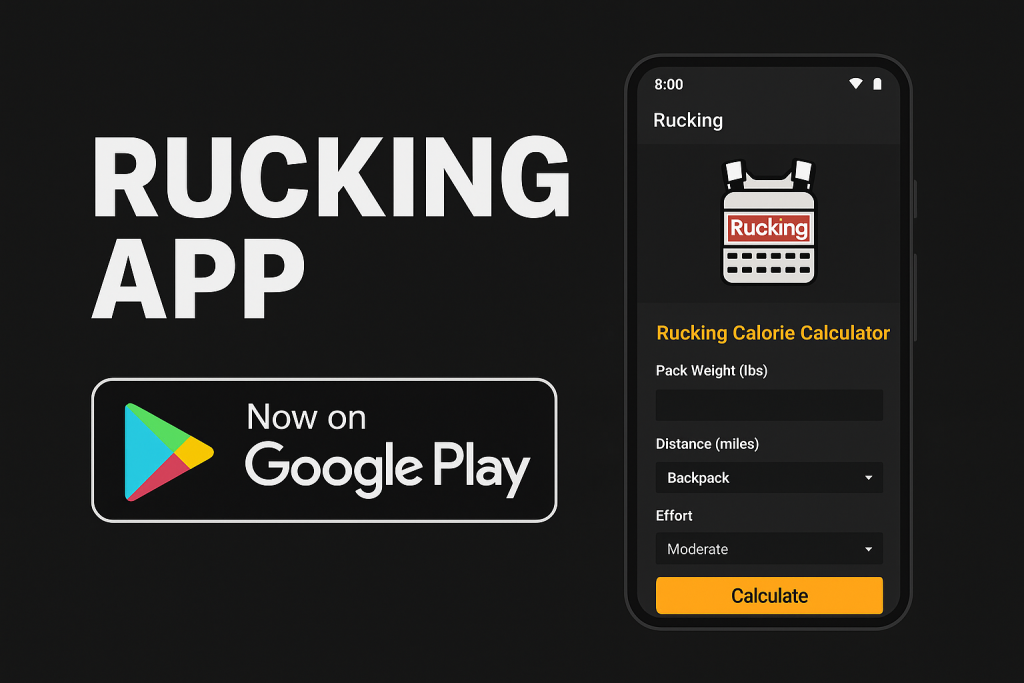
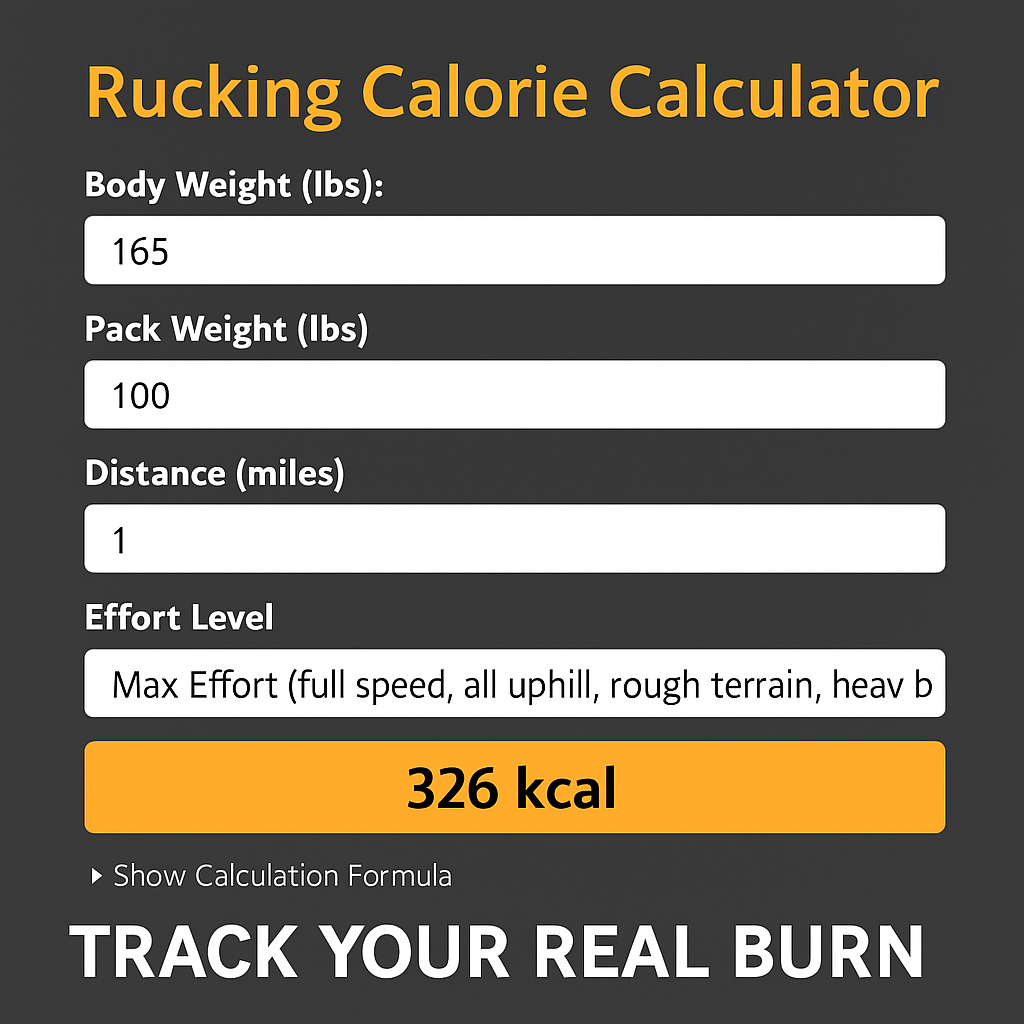
Want to know how many calories a ruck or weighted walk will burn with your vest? Use the calorie calculator below to estimate energy cost and plan your nutrition around training sessions.

Click the screenshot to open the calculator and plug in your weight, vest load, and pace for personalized numbers.
Final thoughts
If you’re a man choosing your first vest, prioritize a low-bounce fit and adjustability. The Wolf Tactical vest is the most repeatable choice for mixed training; the Kensui suits heavier strength goals. Use the calculator to tailor calories and progress your load systematically — that consistency is what delivers results.
Note: I lost 90 lbs through consistent rucking, weighted-vest training, and disciplined nutrition, and I still recommend weighted vests as one of the most reliable ways to maintain lower body weight and burn fat consistently.