Why a weighted vest helps osteoporosis
Bone responds to load. Controlled, consistent weight-bearing activity stimulates bone remodeling and helps preserve — and in some cases improve — bone density. For women with osteoporosis, a weighted vest lets you add axial load without high-impact stress on joints. The goal is safe, progressive loading that fits your body and lifestyle.
Key features to look for in the best women’s weighted vest for osteoporosis
When choosing a vest for bone health, prioritize comfort, adjustability, and even load distribution. Here are the Essentials:
- Low-profile fit: A slim, close-fitting vest keeps weight centered and reduces movement that can irritate joints.
- Incremental weight options: 1–2 lb plates or small sand/weight pockets let you progress slowly — critical with osteoporosis.
- Wide, padded shoulders and waist straps: Distribute load to avoid pressure points on the collarbone or hips.
- Breathable materials: For walking or light rucking you want mesh panels or moisture-wicking liners.
- Secure fastening: A reliable front zipper or straps prevents shifting during movement.
How much weight is appropriate?
Start conservatively. For most women with osteoporosis, begin with 1–5 lb added and prioritize frequency: short daily walks or 20–30 minute sessions 3–5 times per week. Increase in 1–2 lb increments only after 4–6 weeks if you have no pain and your balance and posture feel solid. Always check with your physician or physical therapist before beginning a new loading protocol.
Product picks that fit the brief
For comfort and beginner-friendly progression, look at vests designed for general fitness rather than heavy military plates. Two options I recommend for women focused on bone health:

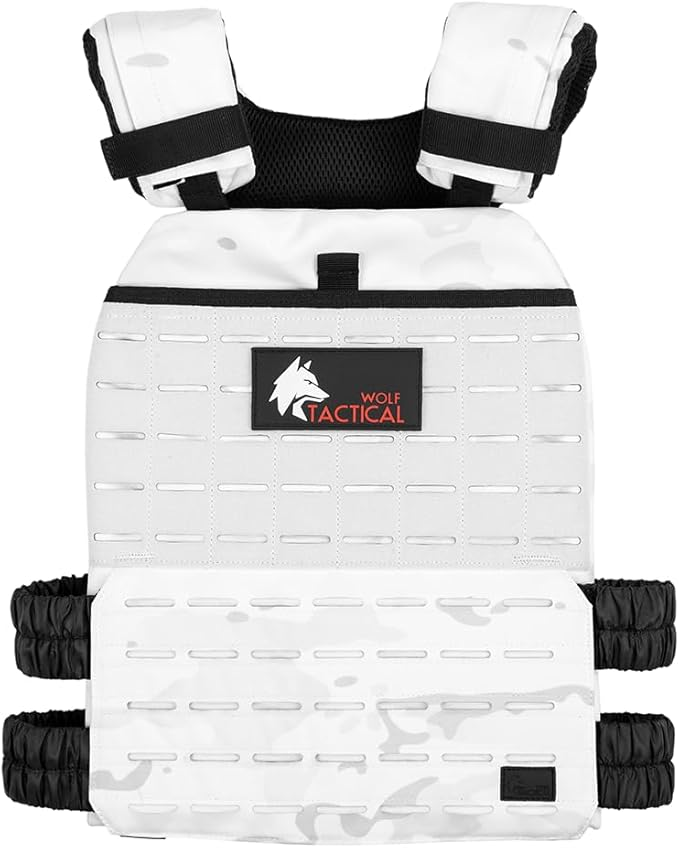
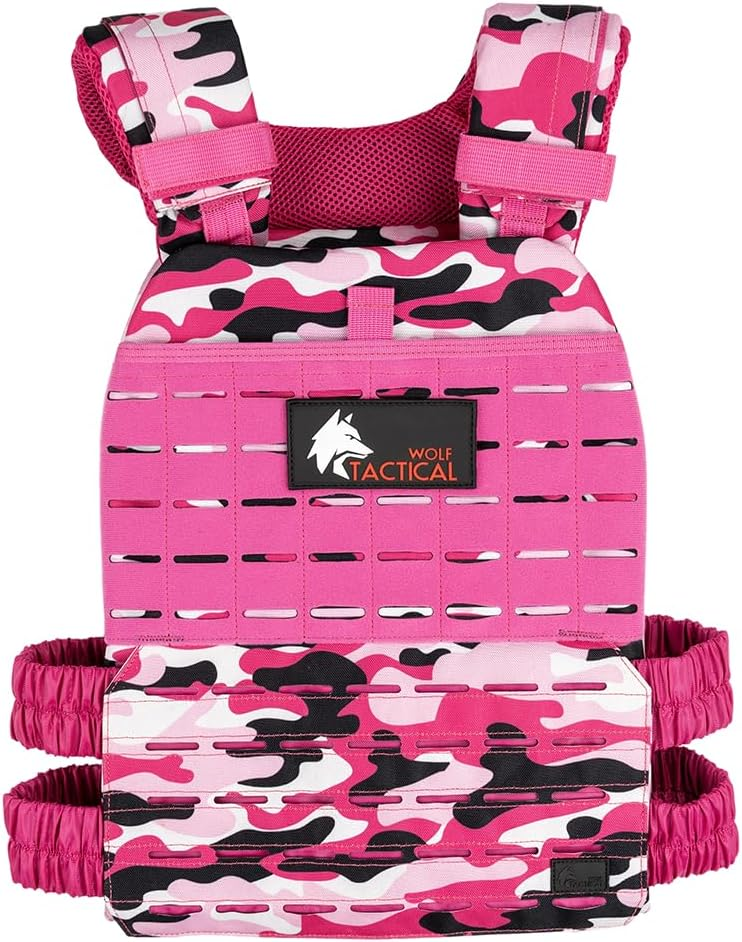
Consider the Wolf Tactical Simple Weighted Vest as a starting point. It’s low-profile, has small weight plates available, and suits walking and light mobility work.

The 5.11 TacTec Trainer Weight Vest is another good option when you need more refined weight distribution and secure fastening for steady gait and posture work.
How to use a weighted vest safely for bone health
- Warm up with 5–10 minutes of brisk walking or mobility drills before adding the vest.
- Start with very light weights and prioritize form: upright posture, tall chest, and steady steps.
- Limit sessions to 20–40 minutes early on. Frequency beats duration for bone stimulus.
- Progress by weight only when pain-free: increase 1–2 lb every 4–6 weeks as tolerated.
- Combine with resistance training for hips, back, and core to get the best bone response.
Track intensity and calories
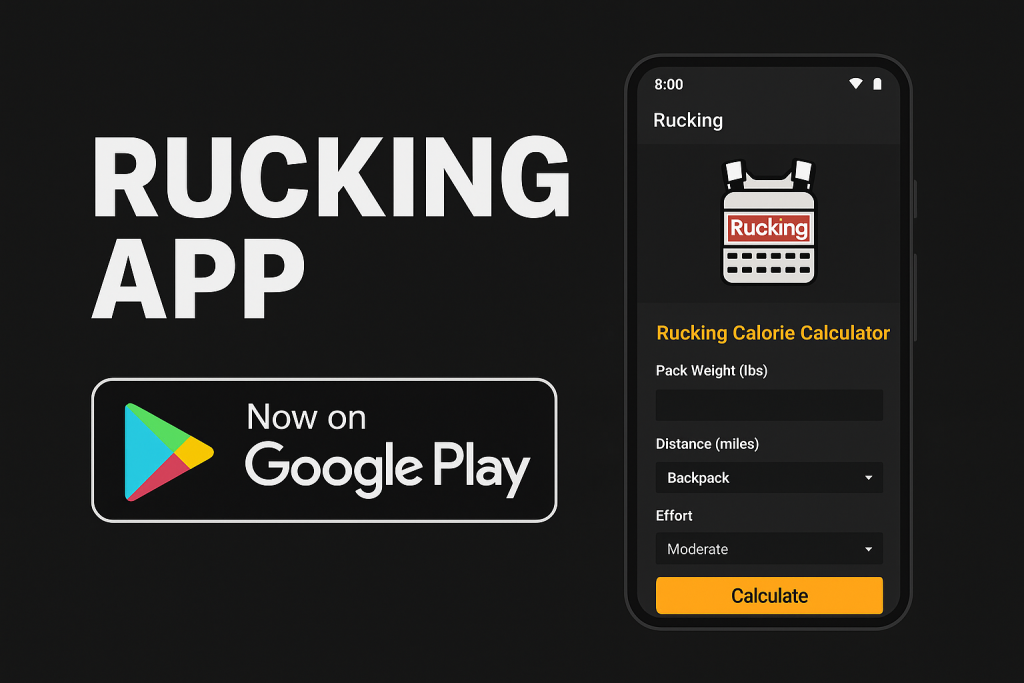
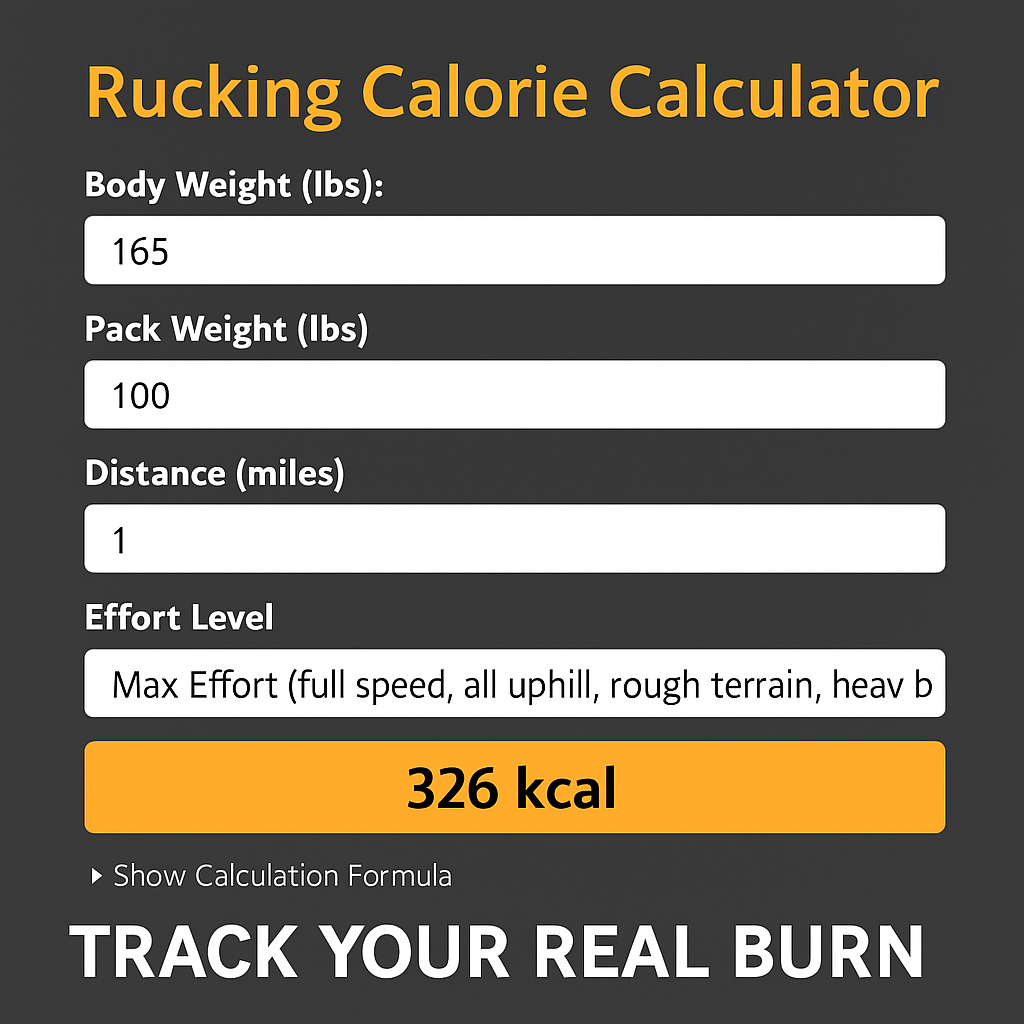
Monitoring effort helps keep progression safe. Use the rucking calorie calculator to estimate energy expenditure for weighted walks and plan recovery and nutrition. Click the screenshot below to try the rucking calorie calculator and tailor session intensity.

Final notes
For women with osteoporosis, the best vest is one you can wear consistently without pain. Prioritize fit, slow progression, and physician clearance. Use short, frequent loaded walks and complement them with strength work to protect joints and improve balance. Start light, move confidently, and let gradual load drive results.