Why a plate carrier for workouts?
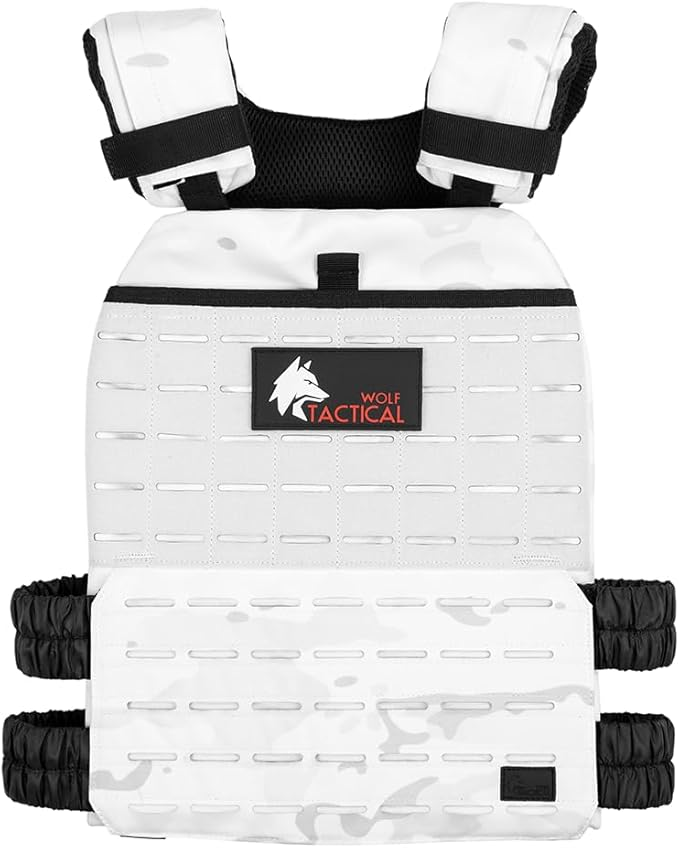
If your goal is raw load-bearing strength, weighted calisthenics, or realistic ruck-style conditioning, a dedicated plate carrier beats a run-of-the-mill weight vest for comfort, stability, and modular loading. This guide covers what to look for in the best workout plate carrier, how to size it, and simple training progressions you can do outdoors or at home.
Key fit and build criteria
- Adjustability: Shoulder and cummerbund adjustments must allow the carrier to sit high on the chest for squats and low enough for carries without pinching.
- Plate compatibility: Look for multi-size plate pockets (SAPI/mini/plate) and secure retention so plates don’t shift during burpees or sprints.
- Material and seam strength: Reinforced stitching and ballistic nylon or similar fabrics hold up to repeated load drops and outdoor abrasion.
- Comfort features: Padded shoulders, breathable lining, and a contoured cummerbund reduce hotspots on long carries.
- Low-profile design: For calisthenics you want minimal outer webbing that won’t catch on bars or doorframes.
Training uses and loading strategy
Use a plate carrier differently depending on your goal. For strength and power, favor heavier plates and shorter sets (5–8 reps). For conditioning and fat loss, combine moderate plates (5–25 lb per side) with timed carries, ruck-style walks, and circuits.
Sample progressions
- Beginner: Start with no plates and practice walking, squats, and rowing mechanics for two weeks to settle the carrier.
- Intermediate: Add a single 10–20 lb plate and do 3×10 squats, 3×8 push-ups, and 20-minute loaded walks.
- Advanced: Stack 25–45 lb plates as tolerated for heavy carries, sandbag-style lifts, and weighted calisthenics.
Top product considerations
For a plate carrier that balances durability and workout utility, I recommend gear that was built for heavy use but retains flexibility for training. The GORUCK Ruck Plate Carrier 3.0 is designed for realistic rucking profiles and stays stable on long loaded walks.

If your primary focus is heavy weighted calisthenics and maximal plate loading, the Kensui EZ-VEST® MAX V2 supports very high loads with reinforced plates and a strong harness system.

Practical tips for outdoor work
- Test fit fully loaded before long workouts: tighten the cummerbund and take a 5–10 minute walk to check for pressure points.
- Distribute plates so the center of mass stays close to your spine—avoid extreme forward tilt.
- Use plate covers or towels to reduce metal-on-skin chafing during long carries.
- Combine short sprints and hill repeats for power, and steady 45–90 minute walks for endurance and fat loss.
Calculate your calorie and effort targets
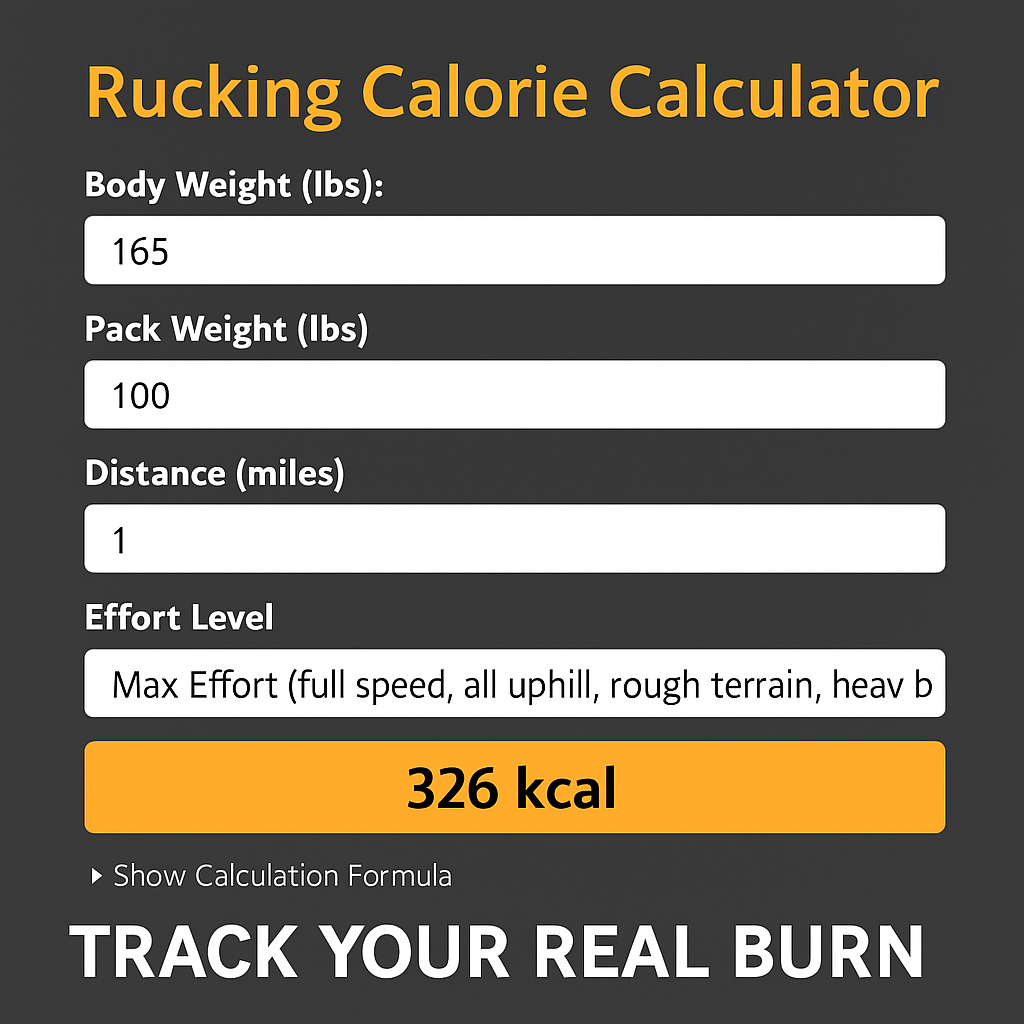
Before you add heavy plates to long walks, estimate calorie burn and set realistic targets with the rucking calorie calculator below. Use it to plan weight, distance, and cadence so your progression is measurable.

Closing advice
Choose the best workout plate carrier based on your training priorities: stability and comfort for long rucks; reinforced construction and high plate capacity for heavy calisthenics. I keep training practical—after losing 90 lbs through consistent rucking, weighted-vest work, and disciplined nutrition, I still recommend reliable plate carriers and vests as one of the most effective ways to maintain a lower body weight and burn fat consistently.