Why the best workout vest matters
Choosing the best workout vest isn’t just about brand names or looks. It’s about fit, load distribution, durability, and how the vest matches your training goals—walking, rucking, calisthenics, or heavy strength work. A proper vest keeps weight stable, protects your shoulders and back, and makes progressive overload predictable.
Key features to prioritize
- Fit and adjustability: snug without restricting breathing.
- Weight distribution: even plates or sewn pockets that minimize bounce.
- Durability and materials: reinforced seams and abrasion-resistant fabric.
- Modularity: can add small increments of weight as you progress.
- Comfort for long walks: padding and low-chafe straps if you ruck.
Best options by training goal
For workouts focused on short, intense intervals and calisthenics, you want a vest that stays locked in place and accepts heavy plates. For long-distance rucks and walking workouts, prioritize comfort, breathability, and a low-profile carry system.
Comfort & everyday conditioning
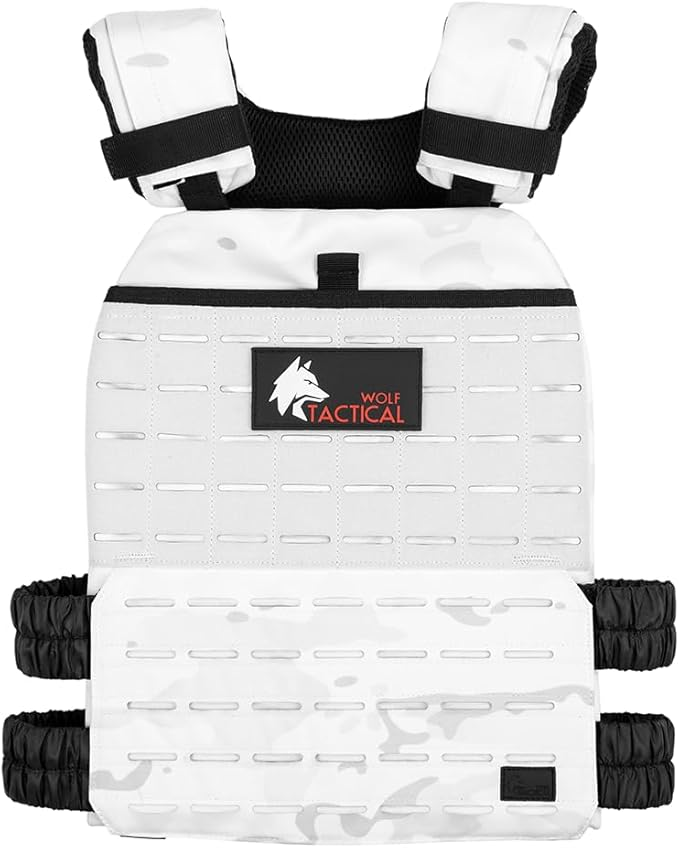
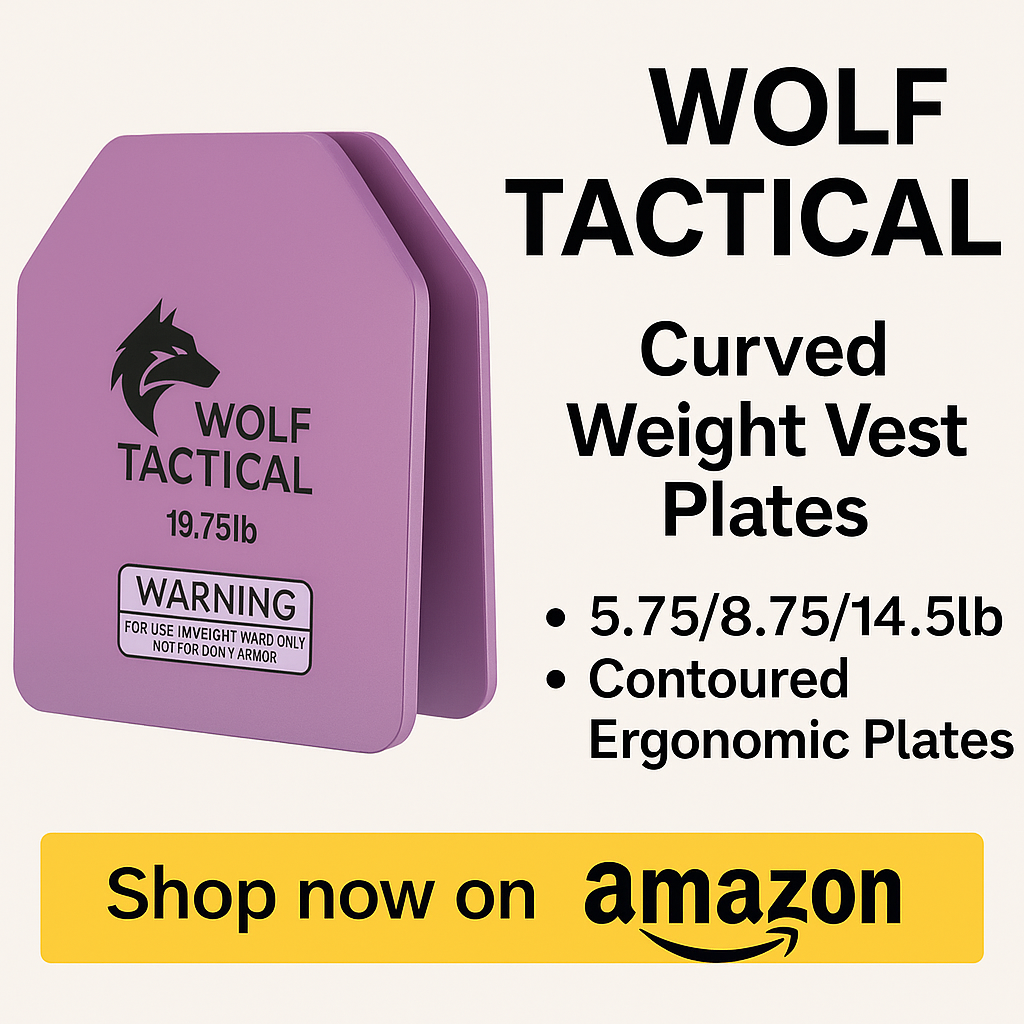
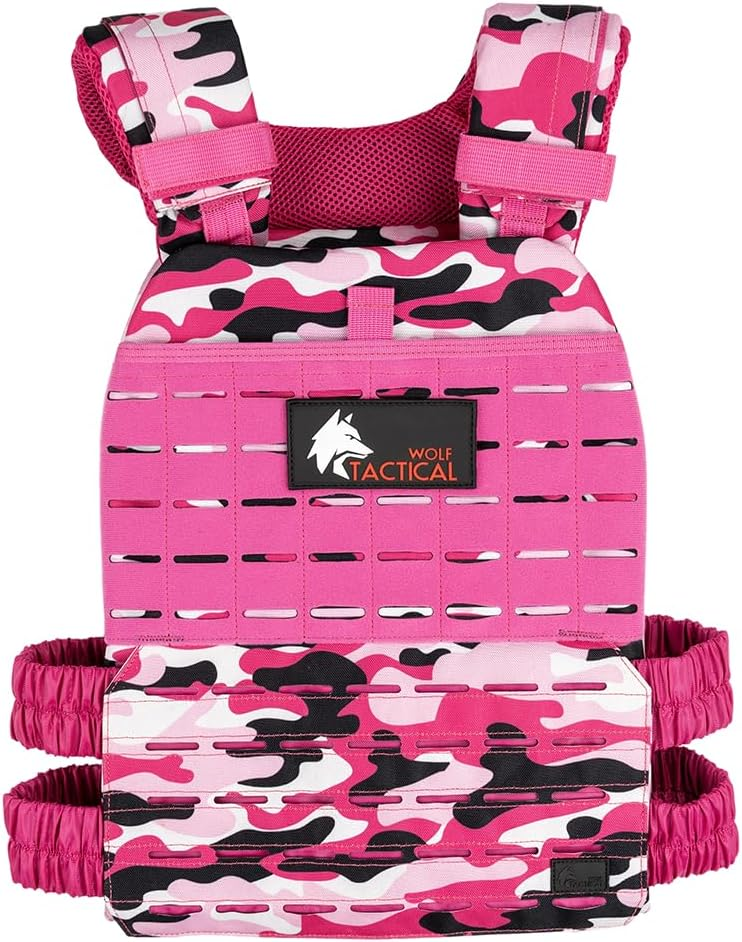
If comfort and day-to-day conditioning are primary, the Wolf Tactical Simple Weighted Vest is an excellent, affordable choice. It balances padding and adjustability for walking and HIIT sessions.

See the Wolf Tactical Simple Weighted Vest for a beginner-friendly fit that minimizes chafe during long sessions.
Heavy strength and performance
When you want heavy, stable loads for weighted pull-ups, dips, or plate-loaded calisthenics, the Kensui EZ-VEST® MAX V2 is built to accept very high loads and distribute them safely across the torso.

For heavy lifts and high-capacity training, check the Kensui EZ-VEST® MAX V2, which is designed for serious load carriers.
Putting choice into practice: programming and progress
Start with a vest that suits your primary activity. If your plan is daily rucks, prioritize comfort and small incremental plate options. If you want to add weighted push-ups and pull-ups, prioritize a high-capacity, low-bounce vest. Track progress by adding 2–5% load per 2–4 weeks depending on recovery.
Estimate calories and plan sessions
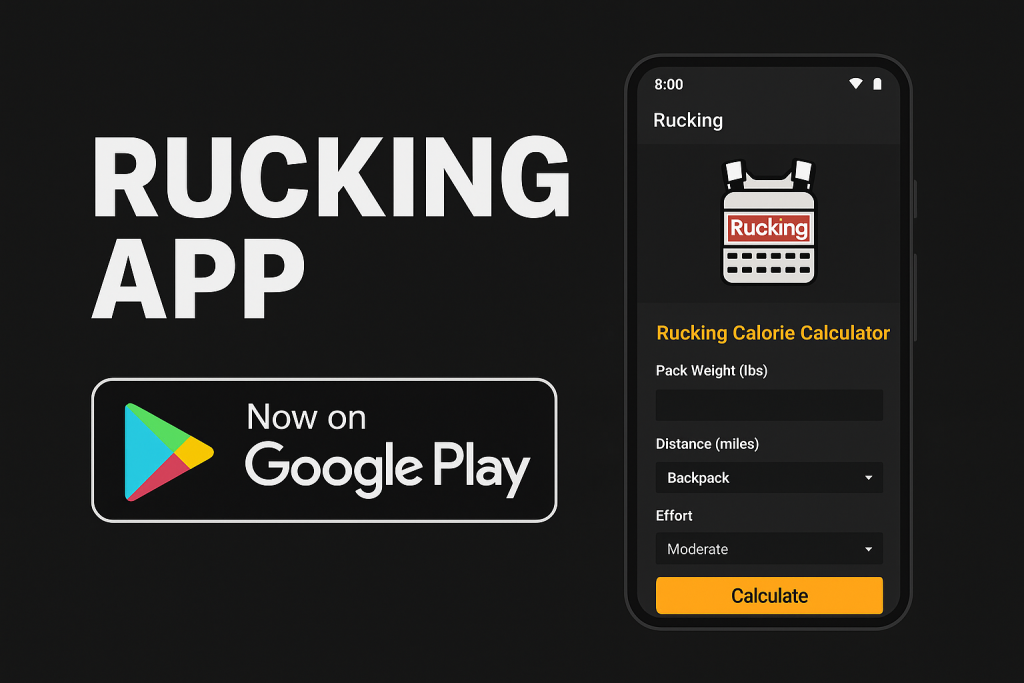
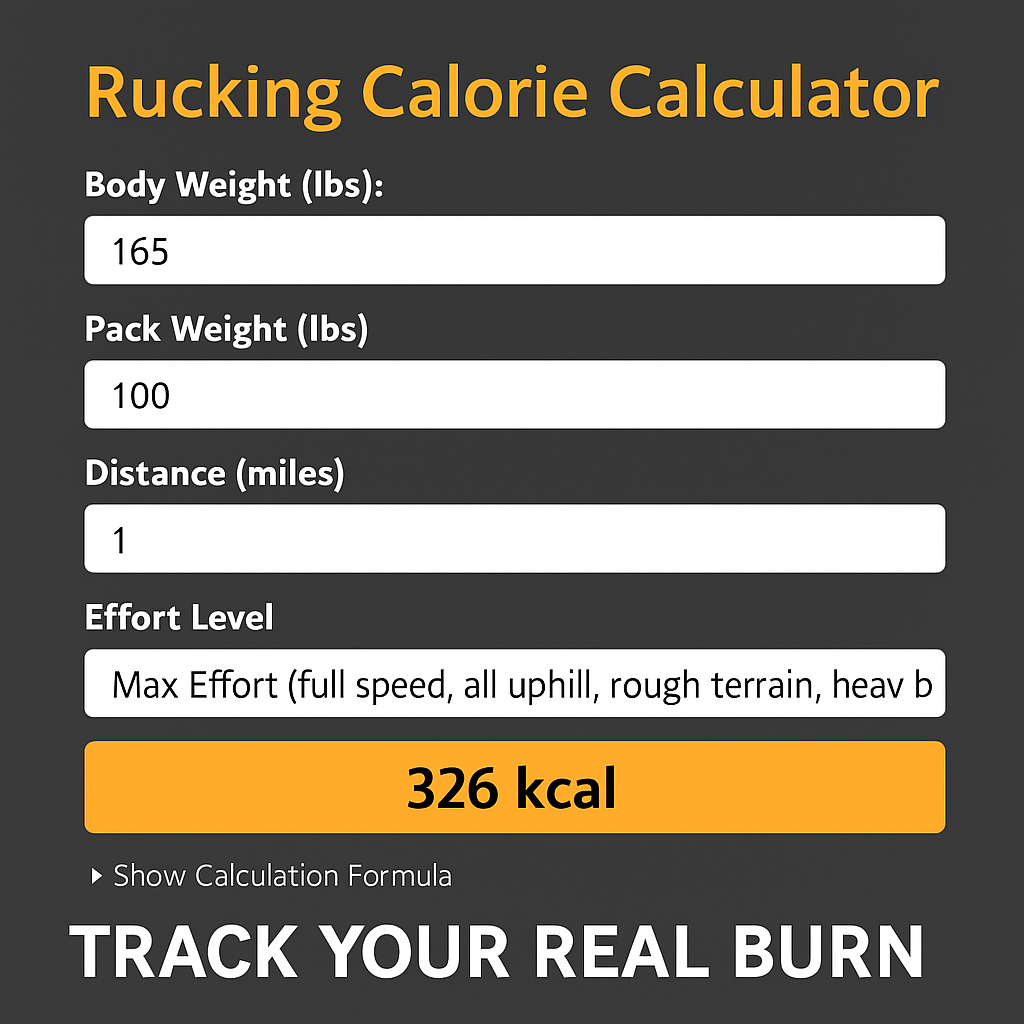
Know how your chosen vest changes workout intensity by using a simple calorie estimate. Use the Rucking Calorie Calculator to compare session burn across different weights and paces. Click the image below to open the calculator and estimate your session calories:

Practical tips and finishing advice
- Fit test: walk 20–30 minutes before committing to long sessions. Adjust straps and padding for no hot spots.
- Progress slowly: increase load in small increments to avoid joint pain.
- Hydration and endurance: bring a hydration solution for longer rucks; I often recommend a performance hydration for long sessions.
- Maintenance: wash per manufacturer instructions and inspect seams and plates regularly.
I lost 90 lbs through consistent weighted-vest training, rucking, and disciplined nutrition, and I still recommend weighted vests as one of the most reliable ways to maintain a lower body weight and burn fat consistently. Pick the best workout vest for your main activity, prioritize fit, and use a simple calorie estimate to keep progress measurable.