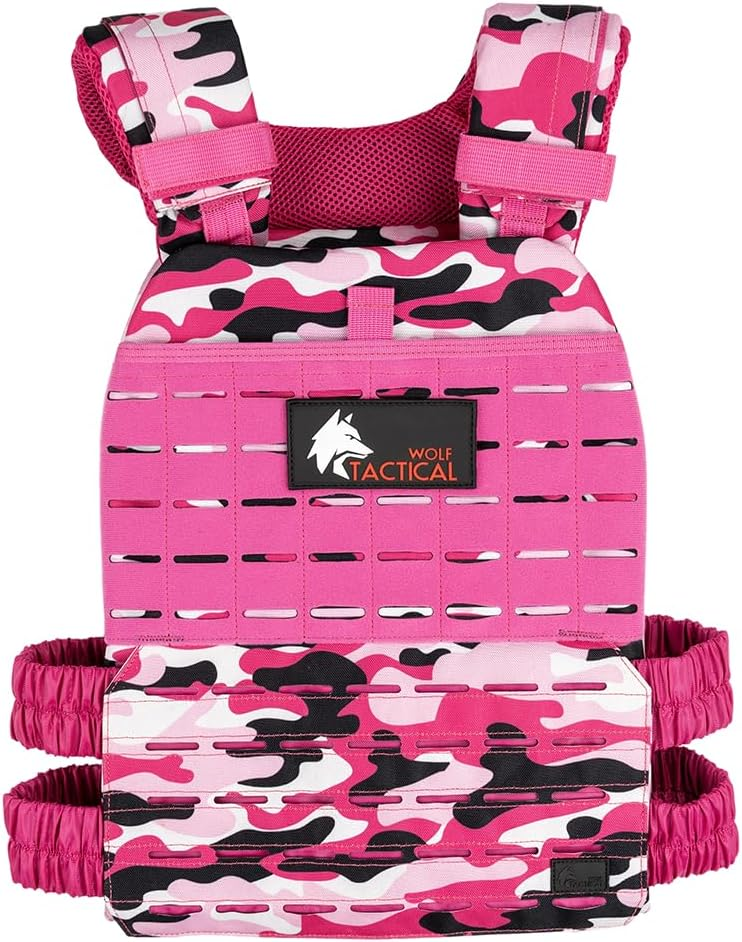
How to pick a black workout vest that actually works
Black workout vests are popular because they hide sweat, pair with almost any kit, and look intentional on a ruck or a morning walk. But a vest that looks good doesn’t automatically perform well. This guide focuses on the features that matter when you want a comfortable, stable load carriage system for walking, rucking, and high-intensity intervals.
Key fit and performance priorities
When you try on a black workout vest, prioritize: secure shoulder fit, low bounce, even weight distribution, and material that breathes. A good vest sits close to the torso without pinching your ribs or restricting full shoulder movement. The wearer should be able to breathe deeply and swing their arms normally.
- Sizing: Choose a vest that matches your torso length and chest measurement. Too small rides high; too large moves and chafes.
- Weight system: Removable plates or sand pockets let you scale load gradually.
- Ventilation: Mesh panels and thin padding reduce heat buildup, critical on longer rucks or HIIT circuits.
- Stability: Compression straps and adjustable shoulders prevent bounce and concentrate the load where your body can handle it.
Materials and durability
Polyester blends with ripstop overlays and reinforced seams are common. Seek abrasion-resistant panels across the chest and back if you plan to use your vest outdoors frequently. Water-resistant coatings are a plus but remember that waterproof = less breathability. For most rucking and daily workouts, a breathable, durable shell that sheds light moisture is the sweet spot.
Practical setup tips
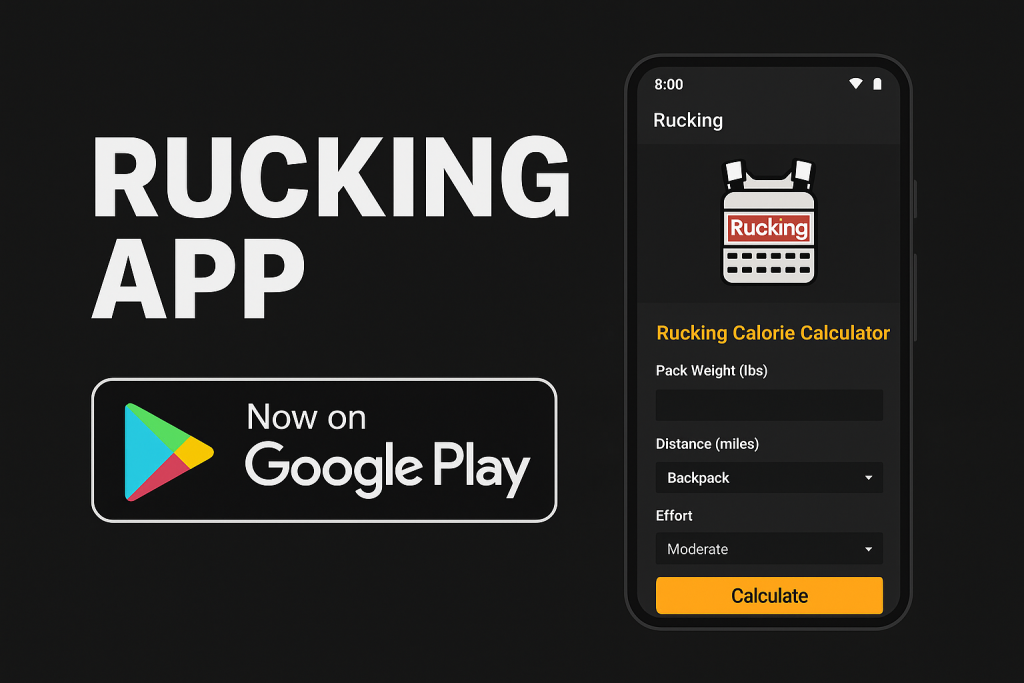
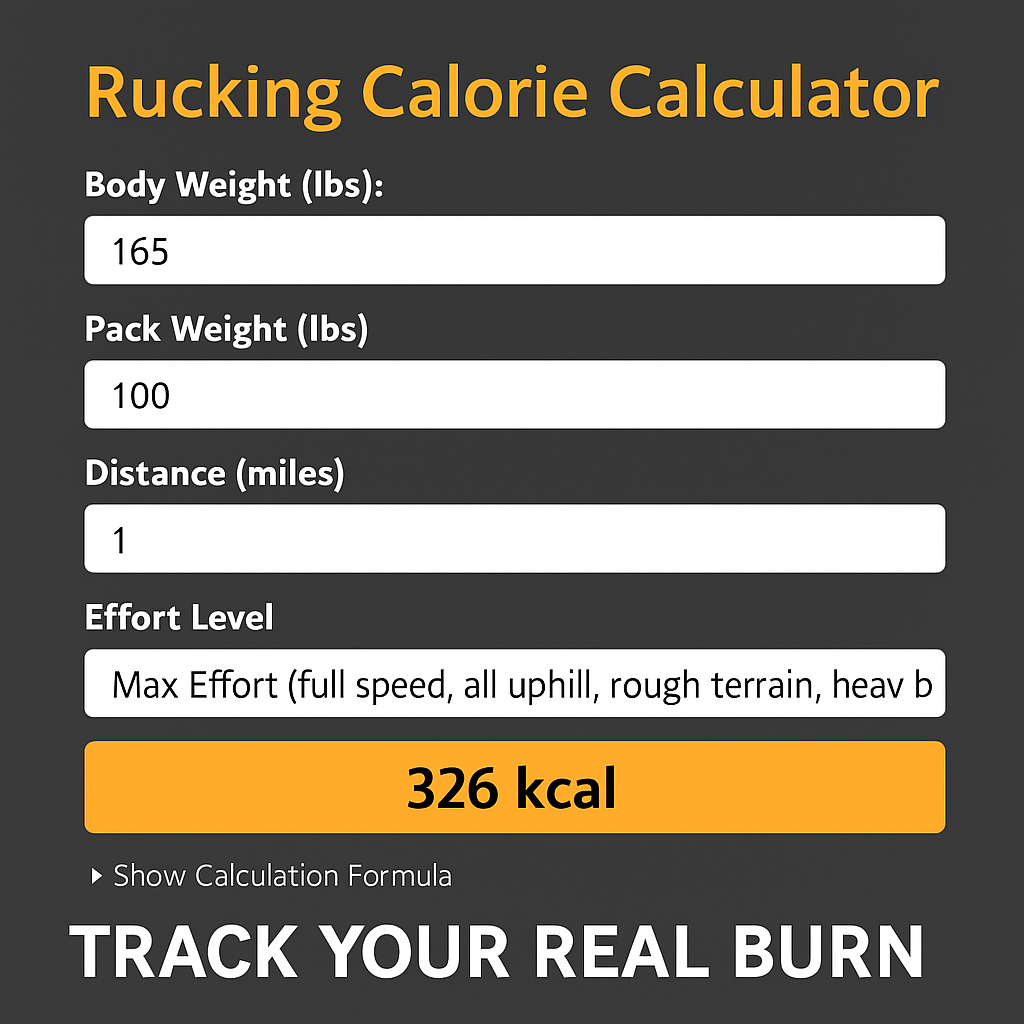
Start with conservative loading. If you’re new to weighted vests, add 5–10% of bodyweight and increase slowly, prioritizing form over kilo-count. Use common-sense progressions: shorter walks, then longer rucks, then mixed-distance intervals. If you want to estimate how many calories you’ll burn walking or rucking with added weight, use the rucking calorie calculator linked below—it’s an easy way to plan workouts and recovery.

Calculator: Rucking Calorie Calculator — enter your weight, pace, distance, and load to get a realistic burn estimate.
Care and comfort notes
Rotate training days to avoid overuse. Wash the vest according to the manufacturer—most need a gentle hand-wash and air-dry to preserve padding and straps. Use anti-chafe tape or a thin moisture-wicking base layer if you get friction under the straps.
Product picks to consider
If you prefer a simple, beginner-friendly black vest with adjustable fit, consider options built for comfort and everyday use. Below are two solid choices that work well for walking, rucking, and general weighted conditioning.

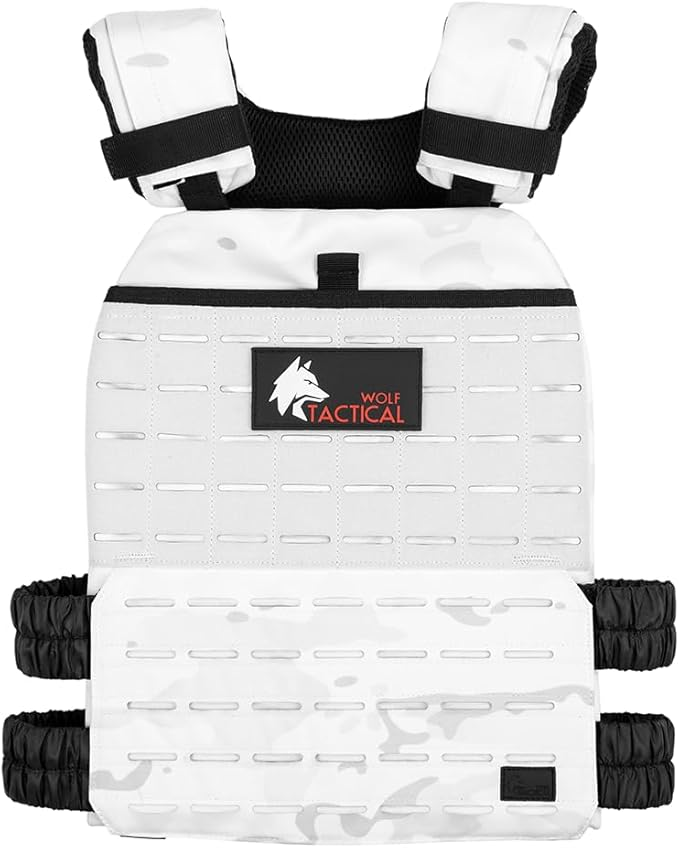
Inline option: WOLF TACTICAL Simple Weighted Vest (Men/Women) — lightweight, adjustable, and suited for daily conditioning.

Inline option: 5.11 Tactical Unisex TacTec Trainer Weight Vest — better for mixed modal training and heavier sets while still usable on a brisk walk.
Final checklist before you buy
- Confirm torso length and chest fit.
- Test movement (squat, lunge, arm swing) before you commit.
- Start light and use the rucking calorie calculator to track effort and progress.
Pick a black workout vest that matches your training goals, not just your look. When fit, stability, and breathability are right, a simple black vest becomes one of the most useful tools for consistent calorie burn and outdoor training.