A body weight vest turns everyday walks and simple bodyweight moves into efficient strength-and-cardio sessions. By adding external load to your torso, you increase mechanical tension, elevate heart rate at lower speeds, and build durability for outdoor adventures without pounding your joints.
Benefits of a body weight vest
- More calorie burn at conversational paces without needing to run.
- Improved relative strength for push-ups, step-ups, lunges, and hikes.
- Bone and connective-tissue loading that supports long-term resilience.
- Better posture awareness when you cue ribs down, glutes on, and steady cadence.
Choosing the right weight
Start light and earn the right to go heavier. For walking and rucking, most beginners do well with 5–10% of bodyweight. Intermediate trainees can work toward 10–15%. Only advanced athletes should top out around 20%, and there’s rarely a need to exceed that for general fitness.
- New to vests: 5–8% bodyweight for 2–4 weeks.
- Building capacity: 8–12% for longer walks or mixed circuits.
- Experienced: 12–20% for hills, intervals, or strength-focused circuits.
Keep breathing easy through your nose for much of the session. If posture or stride breaks down, reduce the weight or duration.
Fit and comfort tips
- Snug, not restrictive: The vest should not bounce when you jog in place, but you must be able to take a deep breath.
- High and tight: Load sits close to the torso, centered front and back to avoid leaning.
- Layer smart: Wear a smooth, sweat-wicking shirt to prevent chafing.
- Stride neutral: Shorten your stride slightly on uphills; keep feet under hips.
Simple beginner plan
Weeks 1–2
- 2–3 sessions per week, 20–30 minutes at easy effort (talkable pace).
- Optional accessory circuit after your walk: 2 rounds of 8–10 reps each — push-ups, step-ups, split squats. Rest 60–90 seconds between moves.
Weeks 3–4
- 3 sessions per week, 30–40 minutes. Add gentle hills or 2 x 5-minute brisk segments.
- Accessory circuit: 3 rounds of 8–12 reps — push-ups, walking lunges, plank (30–45 seconds).
Progress either time or load each week, not both. If joints or low back feel cranky, back off 10–20% and build again.
Estimate your calorie burn
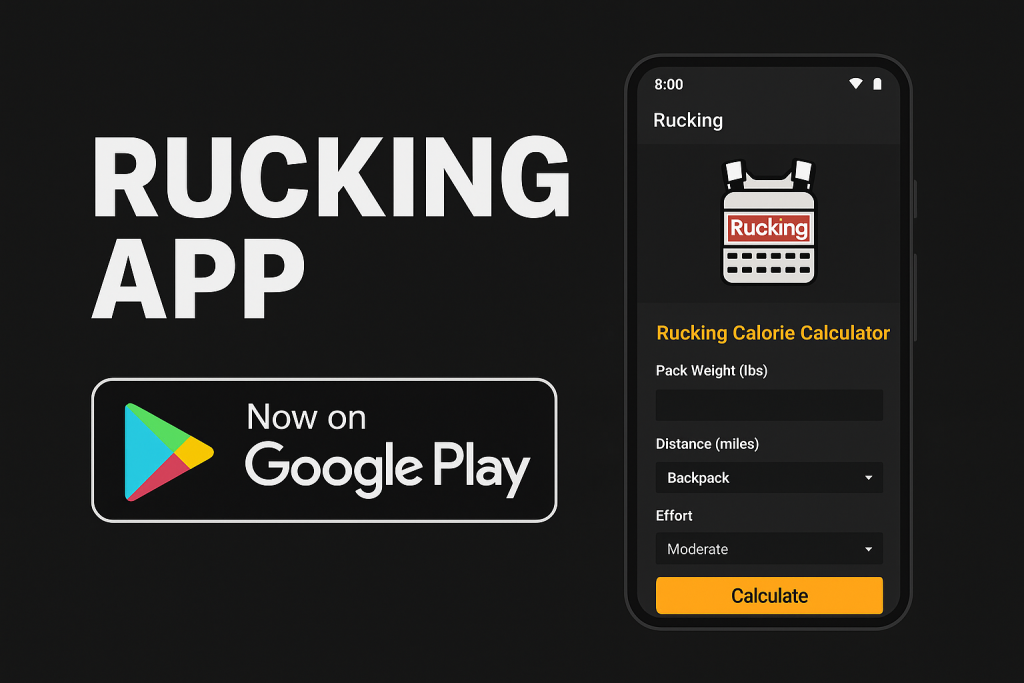
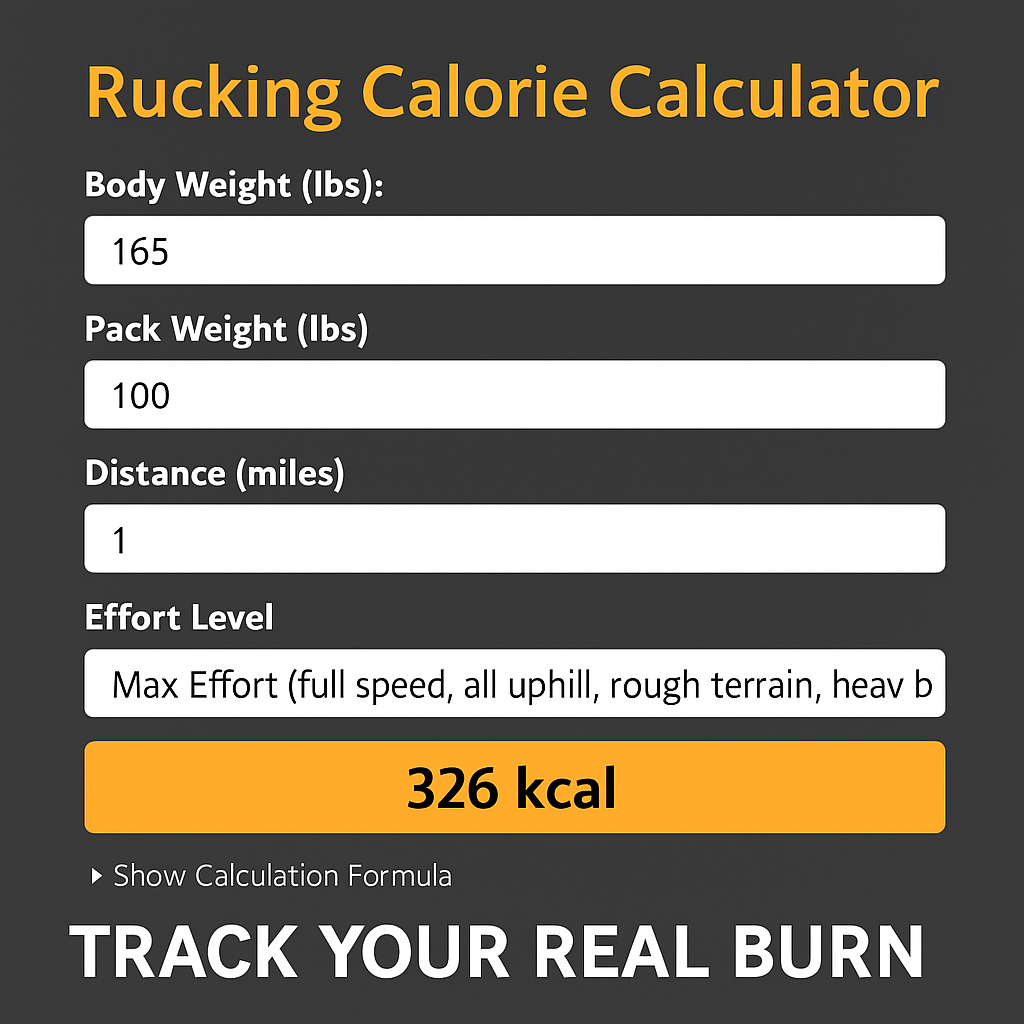
Want a quick estimate for how many calories your vest sessions burn? Use the rucking calorie calculator. It’s built for ruck walking, but the physics are the same for a body weight vest — simply enter your bodyweight, pace, time, and vest load.
Try the rucking calorie calculator

Recommended vests
If comfort and fit are your top priorities, these two options cover most needs:
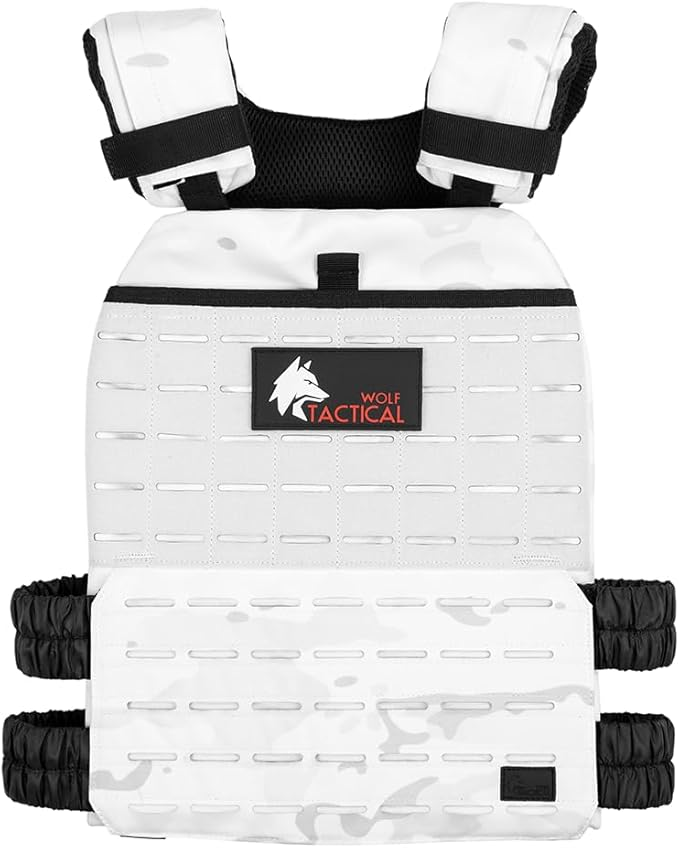
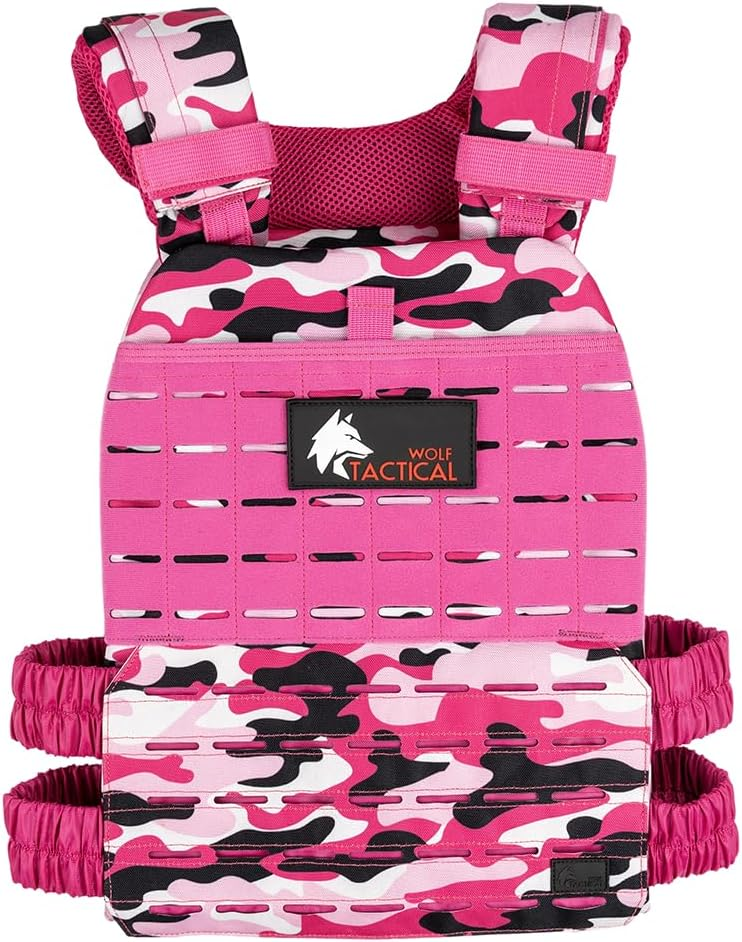
Wolf Tactical Adjustable Weighted Vest
The Wolf Tactical Adjustable Weighted Vest balances comfort, adjustability, and value. It’s a great starting point for walking circuits and progressive loading.

5.11 Tactical TacTec Trainer Weight Vest
For heavier use and better airflow, the 5.11 Tactical Unisex TacTec Trainer Weight Vest keeps the load tight to the torso with durable materials and smart ventilation.

Safety reminders
- Warm up 5–8 minutes before loading: ankle rocks, hip openers, a few unweighted squats.
- Hydrate, especially in heat; keep electrolytes handy on longer efforts.
- Choose flat, predictable terrain at first; add hills and trails once the vest feels natural.
Start light, move well, and progress gradually. A well-fitted body weight vest can make your outdoor sessions more productive — and more fun — in just a few weeks.