Why a box weighted vest for boxing?
A box weighted vest is a practical tool to increase intensity without changing movement patterns. For boxing drills—shadowboxing, footwork ladders, slip-and-rolls—adding a modest external load forces your body to recruit more stabilizers, increases cardiovascular demand, and improves punch durability when used correctly.
Who should use a weighted vest for boxing?
Use this method if you already have a solid technical base and adequate mobility. Begin with light loads (5–10% of bodyweight) to preserve speed and mechanics, then progress gradually. If you feel rounding in the shoulders, loss of hip rotation, or slower hand speed, drop the weight and rebuild technique first.
Programming a box weighted vest session
Keep training specific: short rounds, high intent, and focus on quality of movement.
- Beginner: 2–3 rounds x 2 minutes shadowboxing with 5–10 lb vest; 90–120 seconds rest.
- Intermediate: 3–5 rounds x 3 minutes work with 10–20 lb vest; include footwork and bodyshots; 60–90 seconds rest.
- Advanced: Interval blocks—5 x 1 minute high-intensity combinations with 15–30 lb vest, 45 seconds rest; finish with unweighted speed rounds.
Always finish with technical practice without the vest. The goal is to preserve speed and rhythm; treat the vest as a training stimulus, not an accessory to combat technique enhancement.
Safety and mobility
Weighted vests shift your center of mass. Prioritize posture, scapular stability, and hip hinge mechanics before increasing load. If you lose form mid-round, remove the vest. Warm up with dynamic shoulder mobility, thoracic rotations, and unloaded shadowboxing.
Breathing and recovery
Because a vest increases respiratory demand, focus on diaphragmatic breathing between rounds. Use active recovery—walking or light footwork—instead of complete rest to keep heart rate manageable and accelerate recovery.
Equipment recommendations
Choose a vest that fits snugly and allows full shoulder and scapular movement. For boxing-specific work I favor comfort and low-profile designs.
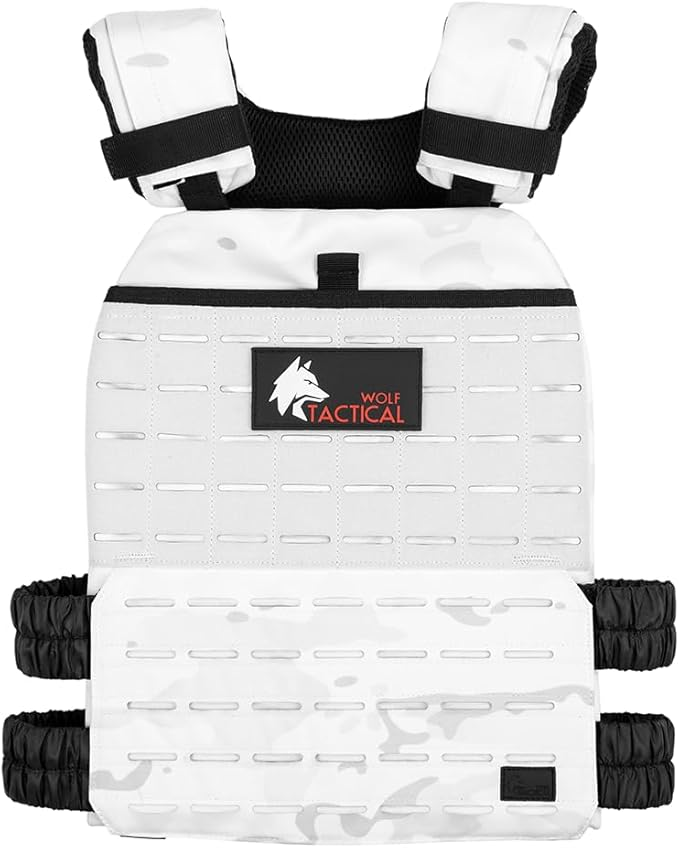
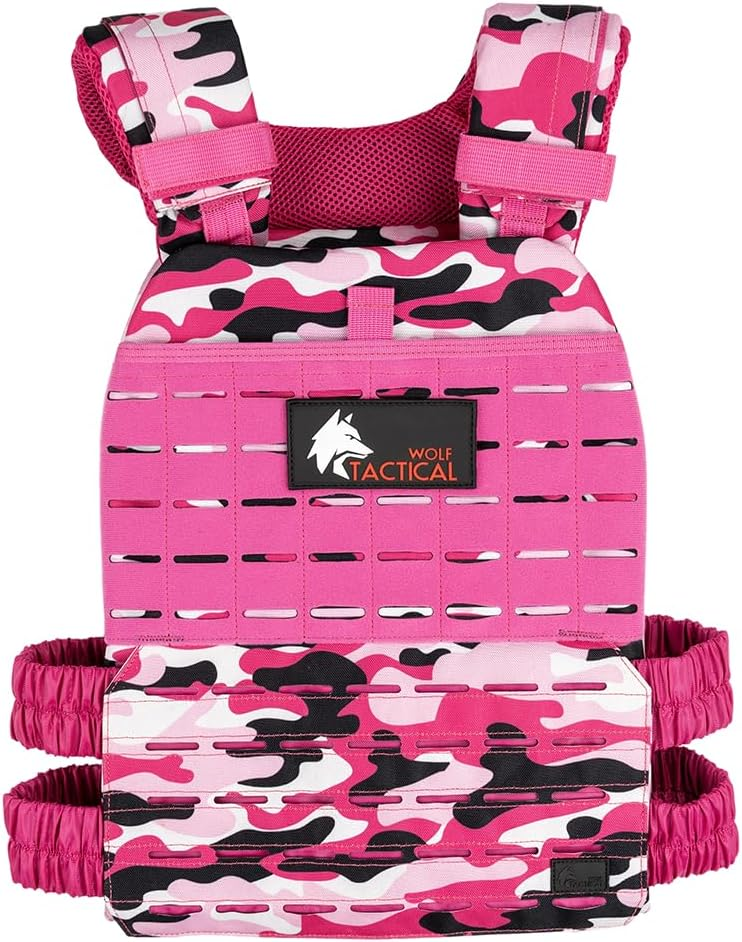
WOLF TACTICAL Simple Weighted Vest (Men/Women) is a solid beginner-to-intermediate option.

If you train heavier or do strength-based weighted shadowboxing, the 5.11 TacTec Trainer is durable and balances load distribution.

Track intensity: estimate calories burned
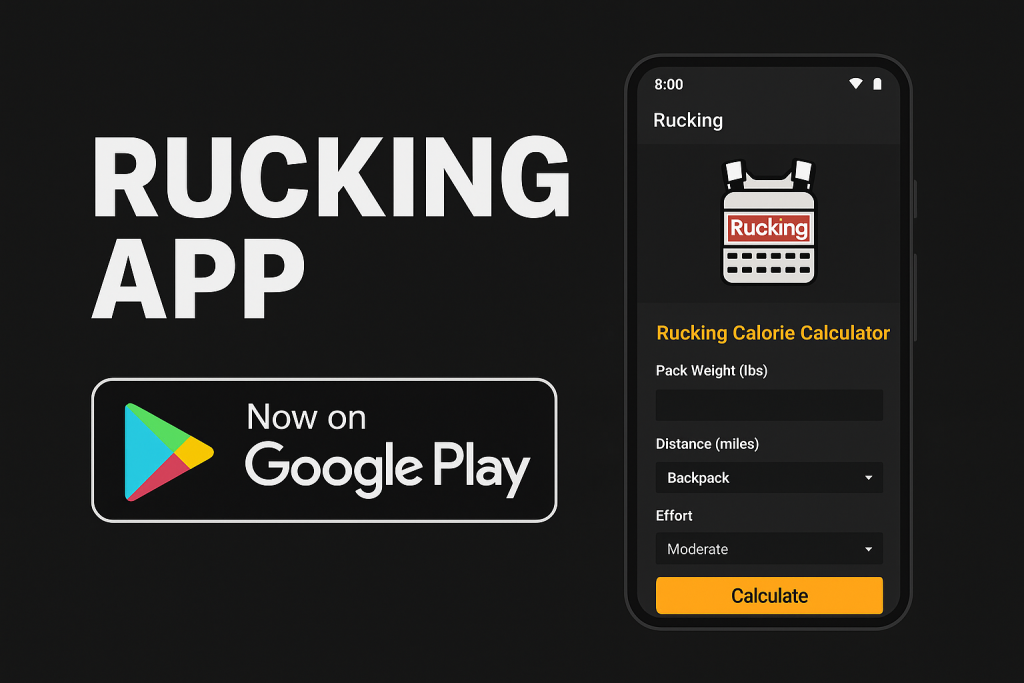
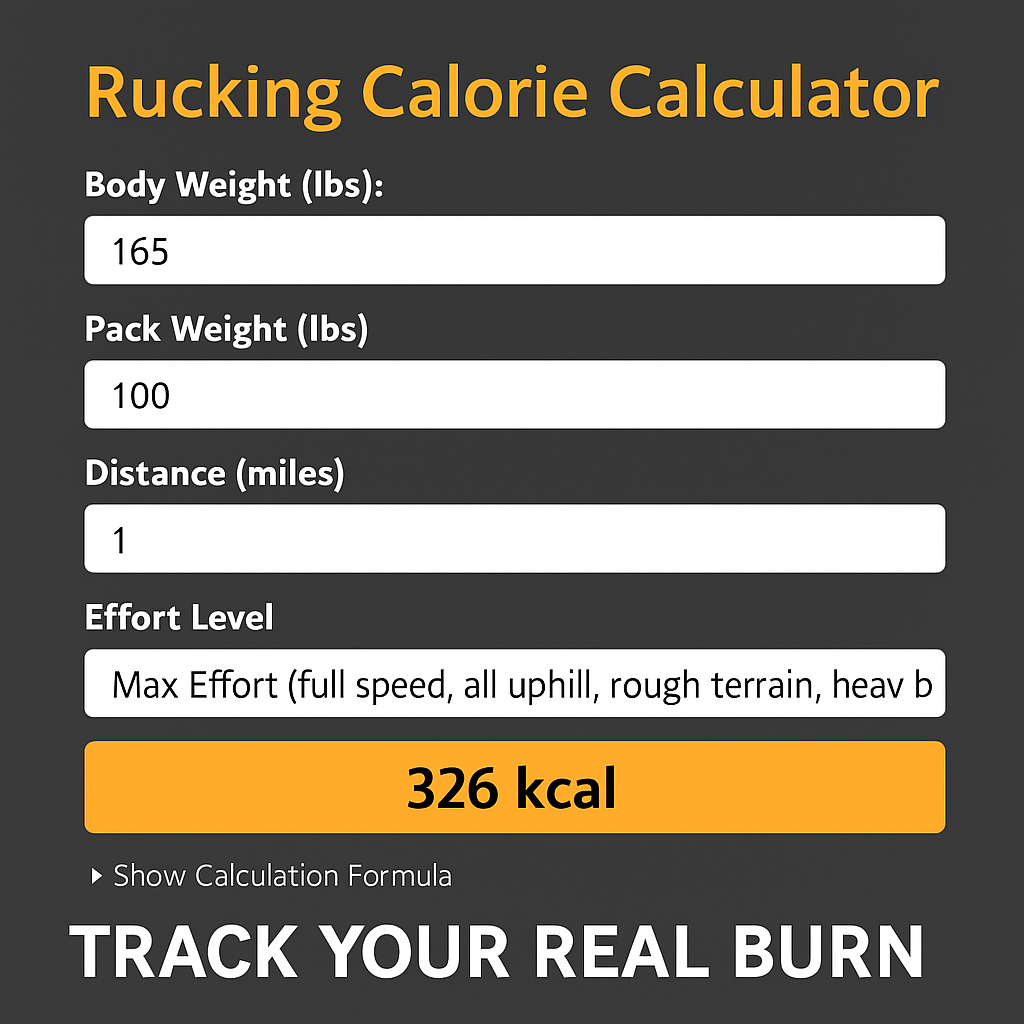
To measure how a box weighted vest changes your session load, use the Rucking Calorie Calculator. It’s designed for weighted vests and backpacks and gives a practical estimate to help you manage recovery and nutrition.

Use short, specific entries for intervals and rounds so the calculator reflects intense, boxing-style work with a vest. Adjust session length and weight to monitor changes in energy expenditure over time.
Final tips
- Prioritize technique—vests accentuate flaws if you already have them.
- Progress load slowly; small increments prevent injury and preserve speed.
- Mix unweighted speed rounds to keep hand speed sharp and transfer improvements to real boxing.
When used thoughtfully, a box weighted vest is a compact, effective way to increase conditioning and strength endurance for fighters. Keep sessions specific, monitor technique, and use a calorie calculator to guide recovery and nutrition planning.