Why the brute force training vest works for strength-focused rucking
The brute force training vest is built to take heavier loads and stay stable during hard efforts. If your goal is to add external mass to bodyweight movements, walk hard hills, or bring weighted carries into your routines, a heavy-duty vest changes the stimulus: you recruit more posterior chain, force adaptations in posture and breathing, and get a consistent metabolic load that’s easy to scale.
Key considerations before you load up
- Fit first: get the vest snug to avoid shifting. Movement tolerance drops when plates slide.
- Progression: add weight in 5–10% jumps of your bodyweight across weeks, not days.
- Technique: prioritize hinge mechanics, braced breathing, and a short stride when rucking heavy.
How to structure a heavy-vest session
Think in blocks: warm-up, strength or ruck interval, and a controlled cooldown. For a brute-force approach you can pair heavy 10–20 minute loaded walks with short strength sets to keep the heart rate elevated while working capacity.
Sample session
- Warm-up: 5 minutes unloaded mobility and 3 minutes easy walk.
- Main: 3 rounds of 12 minutesLoaded walk at challenging pace with 60–75% of your planned vest load, 2 minutes rest between rounds.
- Accessory: 3×8 weighted chin-ups or lunges with the same vest (stop if form collapses).
- Cooldown: 8–10 minutes easy walk without the vest, stretch hips and thoracic spine.
Choosing gear for heavy loading
Heavy loading demands a vest built to distribute plates and protect your body. For maximal loading and structured strength, I recommend the Kensui EZ-VEST® MAX V2, which takes large loads and stays rock solid during weighted calisthenics and hard rucks. Use that vest when your priority is pure overload and progressive plate additions.

Complement heavy vests with hard plates when you want incremental loading. The Yes4All Ruck Weight Plate (10–45 lb) gives clear weight jumps for progressive overload and can be used inside compatible carriers.

Monitoring intensity and calories
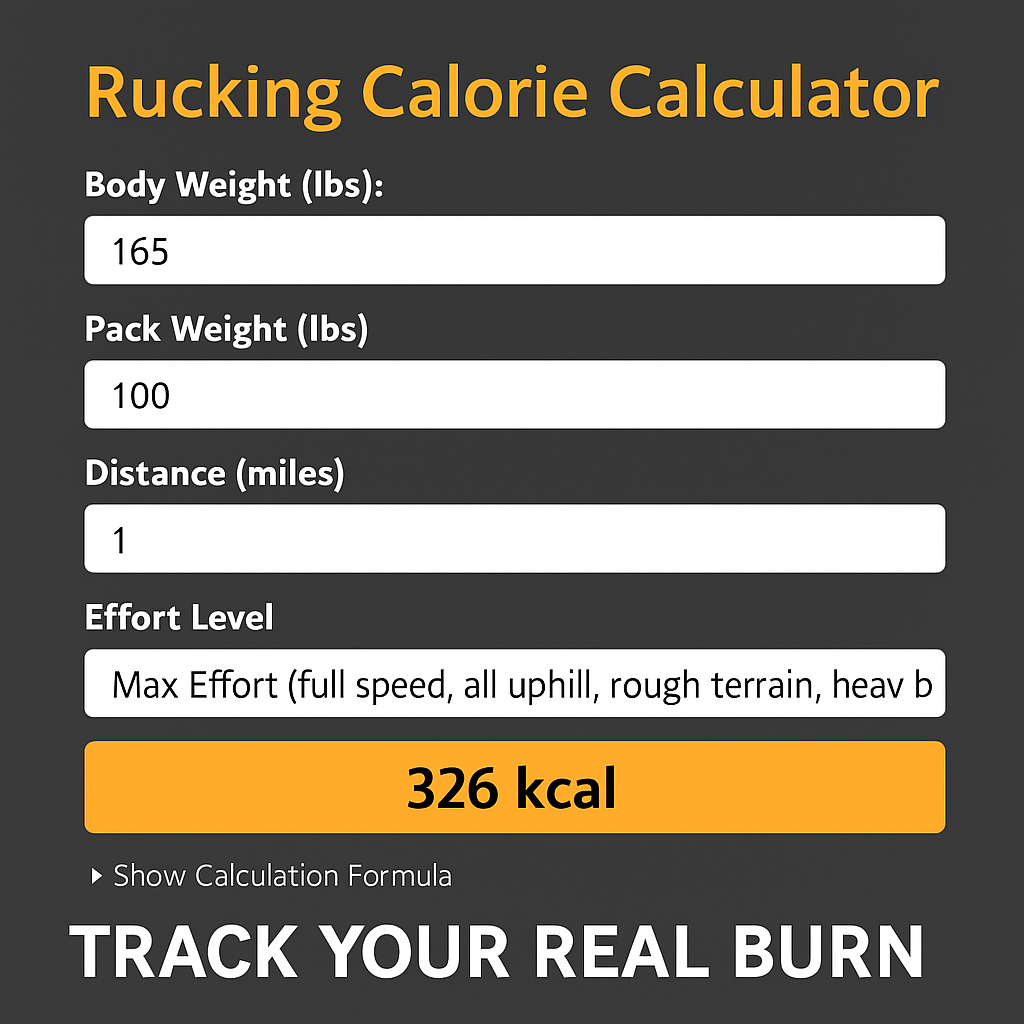
When you’re training heavy, intensity isn’t just about heart rate — it’s about how your joints and nervous system tolerate load. Use a calorie estimate to compare sessions and plan recovery. Try the rucking calorie calculator below to estimate burn for weighted walks and vest sessions.

That calculator helps you translate time, pace, and load into actionable energy numbers so you can plan calorie targets and recovery. Use it after a few sessions to create realistic weekly volume and make safer weight additions.
Final tips from the field
As an ISSA-certified trainer who lost 90 lbs through rucking, weighted-vest training, and disciplined nutrition, I’ll say this plainly: heavy vests accelerate strength and conditioning, but they expose technical faults. Keep load increases conservative, invest in a vest that locks plates in place, and prioritize mobility and breathing. Train like you expect to recover.
When you respect load, the brute force training vest becomes a tool — not a shortcut — to long-term strength, carry capacity, and metabolic work.